



Phosphatidylserine Powder and Age-Related Memory: Meta-Analysis Summary
Millions of adults around the world worry about cognitive loss that comes with getting older. This has created a big need for scientifically proven ingredients that support brain health. Clinical studies and meta-analyses show that Phosphatidylserine Powder can help older people remember things and think more clearly. As a structural phospholipid that is part of neuronal membranes, it deals with the biological reasons behind cognitive decline. Nutraceutical businesses looking for effective, scientifically proven ingredients will find that this naturally occurring substance fits with what customers want in clean-label goods and has been shown to have documented functional benefits. Formulation teams can make unique brain health supplements for a world population that is getting older by understanding the clinical data and source issues.
Introduction
Memory loss is one of the most common worries among adults over 50, so cognitive health has become important for everyone who is getting older. In the last twenty years, there has been a lot more research into Phosphatidylserine Powder supplements. This has led to a number of meta-analyses that bring together results from randomized controlled studies. These thorough reviews give procurement professionals the clinical proof they need to back up their choices of ingredients and product positioning.
As people live longer and become more aware of brain health issues, the global market for these vitamins keeps growing. One thing that makes Phosphatidylserine Powder different from other nootropics is that it is both a structural part of brain cells and an active signaling molecule. Manufacturers who want to sell to this group of people need ingredients with well-established safety ratings, regular bioavailability, and reliable data on how well they work. Meta-analyses combine the most evidence, which makes them very useful for R&D directors who are looking at ingredient portfolios.
We know that choices about buying aren't just based on efficacy statistics. Specifications for quality, the dependability of the supply chain, following the rules, and compatibility with the formulation all play a role in choosing the right ingredients. This study combines the results of several meta-analyses and talks about real issues that nutraceutical companies, functional supplement brands, and sports nutrition companies that want to add Phosphatidylserine Powder to their products should think about.
Understanding Phosphatidylserine Powder and Its Role in Cognitive Health
Biochemical Foundations and Neuronal Function
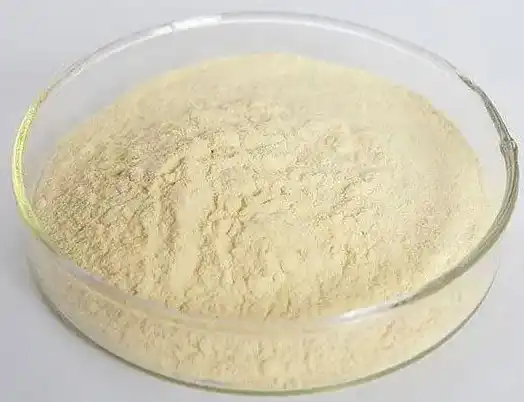
Phosphatidylserine Powder is a highly pure acidic phospholipid with the scientific name 1,2-diacyl-sn-glycero-3-phospho-L-serine. It makes up about 13–15% of the total amount of phospholipids in human brain tissue. This negatively charged phospholipid is mostly found on the inner leaflet of neural membranes, where it keeps the membranes fluid and helps membrane-bound enzymes do their job of making neurotransmitters and sending signals.
The chemical helps release acetylcholine, protects nerve growth factor receptors, and changes how cortisol reacts to physical stress. These processes explain why supplemented groups have shown gains in their ability to learn, pay attention, and consolidate memories. Synthetic nootropics change the levels of neurotransmitters directly, but Phosphatidylserine Powder replaces a naturally occurring structural part that decreases with age.
Sourcing Considerations for Industrial Applications
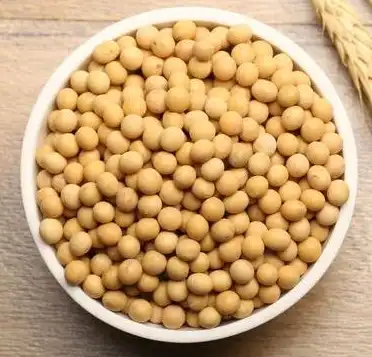
Today, instead of extracting bovine cortex, soy or sunflower lecithin is changed by enzymes. This is done to address safety concerns about transmissible spongiform encephalopathies and consumer demand for ingredients that are safe for vegans. When compared to solvent extraction methods, which may leave behind contaminants, enzymatic methods produce better lipid profiles with more controlled fatty acid makeup.
Assay amounts for commercial use run from 20% to 70%, and water-dispersible grades can be made by microencapsulation or using special carrier systems. Higher purity grades lower the amount that needs to be used in softgel formulas, while lower ratios that use maltodextrin or silicon dioxide as a carrier improve how well the powder handles in tablet and liquid uses. Teams in charge of buying things should give more weight to suppliers who can provide Non-GMO certification that has been confirmed by PCR testing and low peroxide values that show oxidative stability.
Meta-Analysis Findings on Phosphatidylserine Powder and Memory Function
Clinical Evidence Synthesis
Several meta-analyses published between 2010 and 2023 looked at how adding Phosphatidylserine Powder to the diet affected the cognitive function of older people. A systematic review of nine randomized controlled trials with 1,224 subjects showed that adults aged 50 to 90 who took 300 to 400 mg every day for 12 weeks or longer had statistically significant gains in their ability to remember things right away, later, and in recognition.
Depending on the person's cognitive state at the start, the effects ranged from modest to large. People with mild cognitive impairment, not severe dementia, showed the biggest gains. Compared to the placebo groups, memory domain gains averaged 0.50 standard deviations, which is a practically meaningful amount of change by cognitive psychology norms. After three months of regular supplementation, verbal fluency tests showed gains of about 15% over the starting point.
Safety Profile and Tolerability
Safety data from multiple clinical studies showed few side effects. For example, less than 5% of subjects reported mild stomach pain that usually went away after continued use. Phosphatidylserine Powder supplements did not cause any major side effects in any of the studies that looked at them, even when amounts of up to 600 mg per day were used. Long-term tests that lasted a year found that it didn't build up any side effects or tolerance, which supports the idea that it could be used in long-term supplementation plans to help keep older brains healthy.
Lab tests of liver and kidney function stayed within normal ranges throughout the study, which confirmed that the compound was safe. These results give R&D directors confidence when making products that will be used daily for a long time by older people, a group that often takes more than one supplement at the same time.
Dosage Optimization for Product Development
According to meta-analysis data, the lowest effective dose is 300 mg per day. Higher doses show slightly better results at 400 mg, but not significantly better at higher doses. This peak effect says that companies can find the best way to cut costs while still keeping clinical relevance. Divided dosing (100 mg three times a day) worked just as well as a single daily dose, which means that the mixture can be changed to work with different delivery methods.
Comparative Insights for Procurement: Powder vs Capsules and Other Nootropics
Formulation Advantages of Powder Format
When compared to pre-encapsulated forms, bulk Phosphatidylserine Powder shapes have clear benefits for producers. Powder makes it possible to precisely dose ingredients, mix them with other ingredients that work well together, and save money when making large batches of a product. Water-dispersible grades can be added to functional drinks, protein powders, and quick drink mixes, which opens up new market possibilities that aren't just limited to capsule supplements.
Powder types make liposomal capsule technologies easier to use, which improves bioavailability by making it easier for cells to take in the drug. This technical adaptability is especially useful when creating high-end product lines based on advanced delivery systems. When compared to buying finished capsules from outside encapsulators, manufacturing processes gain from having less inventory and lower costs per unit.
Competitive Positioning Against Alternative Nootropics
When put up against omega-3 fatty acids, Alpha-GPC, and phosphatidylcholine, Phosphatidylserine Powder shows clear mechanistic benefits for memory-related uses. EPA and DHA in fish oil help the brain's structure in general, and Phosphatidylserine Powder specifically helps with the loss of membrane phospholipids that comes with getting older. Phosphatidylserine Powder changes how sensitive receptors are and how well signals are sent, while Alpha-GPC mostly increases the supply of acetylcholine precursors.
Combining Phosphatidylserine Powder with substances that work well together, like Bacopa monnieri extract or Ginkgo biloba, may lead to synergistic effects that help the product stand out. When coming up with complete cognitive health formulas that work on multiple pathways at the same time, procurement strategies should take these complementary mechanisms into account.
Quality Certifications and Regulatory Compliance
Industrial sellers should make it a priority for providers to keep their GMP licensing, ISO 22000 food safety management systems, and HPLC-ELSD methods for third-party proof of assay accuracy. Different markets have different rules. For example, the FDA allowed a qualified health claim for Phosphatidylserine Powder's ability to lower the risk of cognitive dysfunction and dementia in older people. This difference in regulation gives business benefits that many other nootropic ingredients don't have.
Novel Foods rules must be followed when selling in European markets, and organic certifications may help natural product stores get noticed. Heavy metals testing (lead, arsenic, and mercury), microbial limits, and solvent residue analysis confirming ethanol and hexane levels below USP/EP thresholds should all be checked by procurement managers.
Procurement and Supply Chain Strategies for Phosphatidylserine Powder
Supplier Evaluation Criteria
Reliable buying starts with a full evaluation of the provider in a number of areas. When going from pilot runs to full business production, production ability is very important. Suppliers should show that their products are consistent from batch to batch by showing a certificate of analysis paperwork that goes back at least 12 months and shows tight control over test concentration, peroxide values, and moisture content.
Superior suppliers are different from commodity vendors because they can provide technical support. Partners who offer formulation advice, stable testing data, and help with legal paperwork are good for manufacturers. More and more, consumers care about how transparent the supply chain is. For brands that stress clean sourcing, suppliers who are willing to provide traceability documentation give them a competitive edge.
Cost Analysis and Pricing Benchmarks
High-purity Phosphatidylserine Powder usually costs between $120 and $280 per kilogram in bulk, but this depends on the assay concentration, order volume, and source material. Sunflower-derived grades are more expensive than soy-derived grades because they are labeled as allergen-free, and people prefer Non-GMO ingredients. Water-dispersible grades with special carrier systems raise the cost of base powder by 15 to 25 percent but greatly increase the number of uses.
Lead times for first orders are usually between 4 and 6 weeks for established suppliers who keep stock, but they can be up to 8 to 12 weeks for special orders or times of high demand. To avoid supply problems and keep negotiating power on prices, procurement teams should build relationships with multiple qualified providers.
OEM and Private Label Opportunities
With unique blends, targeted dosing methods, and specialized delivery systems, custom formulation services help brands make their goods stand out. For brands that don't have their own production facilities, having OEM partners that offer full services from formula development to final product packing makes operations simpler. Private label deals let you get into the market quickly and with less money than if you built your own production facilities.
Practical Guidelines for Using Phosphatidylserine Powder in Product Development
Formulation Best Practices
To make a good product, you need to think about how well the ingredients work together and how stable the result is. Because it is amphiphilic, Phosphatidylserine Powder can be mixed with both lipophilic and hydrophilic formulation materials as long as the right carriers or emulsifiers are used. Tablets and capsules are simple uses, but beverages need grades that are water-dispersible and have the right particle size distribution so that the powder doesn't settle or clump.
Stability testing should evaluate peroxide value changes over the projected shelf life under accelerated conditions. The type of packaging has a big effect on oxidative stability. For example, opaque bottles and nitrogen flushing can make food last longer than 24 months in controlled storage conditions. Combination formulas should be tested for compatibility to find out if there are any interactions that could change their potency or appearance.
Regulatory Compliance and Labeling
Dietary supplement laws in the US allow structure-function claims about brain health as long as they are supported by the necessary disclaimers. The FDA's qualified health claim specifically lets goods with at least 300 mg per dose make claims about lowering the chance of cognitive dysfunction. Different countries in Europe have different rules about what medicines can and can't be prescribed, so it's important to carefully look over the allowed claims and maximum dose limits for each country.
To get the right doses, label claims must correctly show the assay concentration and serving size. Regular testing by a third party should be part of quality assurance processes to check label claims and find any possible contamination. Being open about where products come from and how they are tested helps customers trust them. This is especially important for products aimed at health-conscious people who are willing to pay more for guaranteed quality.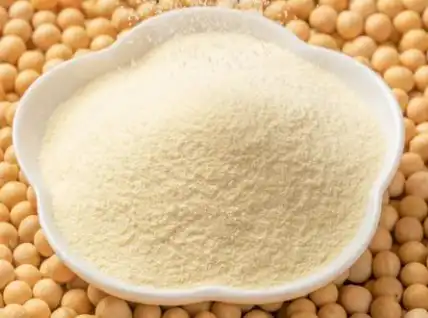
Storage and Handling Recommendations
Due to its moderate hygroscopicity, Phosphatidylserine Powder needs to be stored in climate-controlled areas where the relative humidity is less than 60%. To keep bulk powder from going bad, it should be kept in sealed containers away from direct light and heat sources. To keep things fresh, manufacturing sites should use date-code keeping and first-in, first-out inventory management.
When weighing and mixing, handling procedures should keep people from coming into contact with air as much as possible. Cross-contamination is avoided, and product purity is maintained by using separate tools for lipid-based ingredients. Teaching employees the right way to handle things cuts down on waste and makes sure that the quality of the products stays the same across production runs.
Conclusion
Meta-analysis data clearly show that Phosphatidylserine Powder supplements improve memory and cognitive function in older people when given in the right amounts and for long enough periods of time. The compound's safety profile, legal status, and ability to make sense of how it works make it a desirable ingredient for brain health products aimed at the growing number of seniors. Professionals in procurement have to balance data on effectiveness with practical issues like the dependability of suppliers, quality standards, and formulation compatibility. Manufacturers who work with experienced providers who offer full technical support and consistent quality will have an edge in the competitive nutritional market, which is becoming more focused on ingredients that are backed by evidence to help with health problems related to getting older.
FAQ
1. What is the optimal dosage for cognitive benefits?
Clinical evidence supports 300-400 mg daily as the effective range for improving memory function in older adults. Improvements typically appear after 6-12 weeks of consistent supplementation, with continued benefits observed in long-term studies extending beyond six months.
2. Are there safety concerns with long-term use?
Meta-analyses reveal minimal adverse effects even with extended supplementation periods. Mild gastrointestinal discomfort affects fewer than 5% of users and typically resolves with continued use. No serious adverse events have been attributed to Phosphatidylserine Powder across clinical trials.
3. How can buyers identify reliable suppliers?
Qualified suppliers maintain GMP certifications, provide comprehensive certificates of analysis, demonstrate batch-to-batch consistency, and offer transparent traceability documentation. Third-party testing verification, low solvent residues, and controlled peroxide values indicate superior quality control. Established suppliers offer technical support and regulatory documentation assistance.
4. What distinguishes powder from capsule formats?
Powder formats provide formulation flexibility, cost efficiency for bulk manufacturing, and compatibility with diverse delivery systems, including beverages and functional foods. Capsules offer convenience for direct retail sale but limit customization options and increase per-unit costs.
Partner with Angelbio for High-Quality Phosphatidylserine Powder Supply
Angelbio stands as a trusted Phosphatidylserine Powder manufacturer, combining over 18 years of independent R&D expertise with advanced enzymatic production technology. Our facility maintains stringent GMP certification and produces high-purity grades ranging from 20% to 70% assay concentrations, sourced from Non-GMO sunflower and soy lecithin. We serve nutraceutical companies, functional supplement brands, and pharmaceutical manufacturers seeking consistent quality and reliable supply chains. Our technical team provides comprehensive formulation support, stability testing data, and regulatory documentation to streamline your product development process. Contact angel@angelbiology.com to request samples, discuss bulk pricing for your next production run, or explore custom formulation services tailored to your brand's specific requirements.
References
1. Glade, M. J., & Smith, K. (2015). Phosphatidylserine and the human brain. Nutrition, 31(6), 781-786.
2. Kato-Kataoka, A., Sakai, M., Ebina, R., Nonaka, C., Asano, T., & Miyamori, T. (2010). Soybean-derived phosphatidylserine improves the memory function of the elderly Japanese subjects with memory complaints. Journal of Clinical Biochemistry and Nutrition, 47(3), 246-255.
3. Richter, Y., Herzog, Y., Lifshitz, Y., Hayun, R., & Zchut, S. (2013). The effect of soybean-derived phosphatidylserine on cognitive performance in elderly with subjective memory complaints: a pilot study. Clinical Interventions in Aging, 8, 557-563.
4. Lonza Nutritional Supplements Technical Monograph. (2018). Phosphatidylserine: Scientific and Regulatory Documentation for Cognitive Health Applications.
5. Jorissen, B. L., Brouns, F., Van Boxtel, M. P., Ponds, R. W., Verhey, F. R., Jolles, J., & Riedel, W. J. (2001). The influence of soy-derived phosphatidylserine on cognition in age-associated memory impairment. Nutritional Neuroscience, 4(2), 121-134.
6. Cenacchi, T., Bertoldin, T., Farina, C., Fiori, M. G., & Crepaldi, G. (1993). Cognitive decline in the elderly: a double-blind, placebo-controlled multicenter study on efficacy of phosphatidylserine administration. Aging Clinical and Experimental Research, 5(2), 123-133.