



Best mulberry leaf extract powder for diabetes management
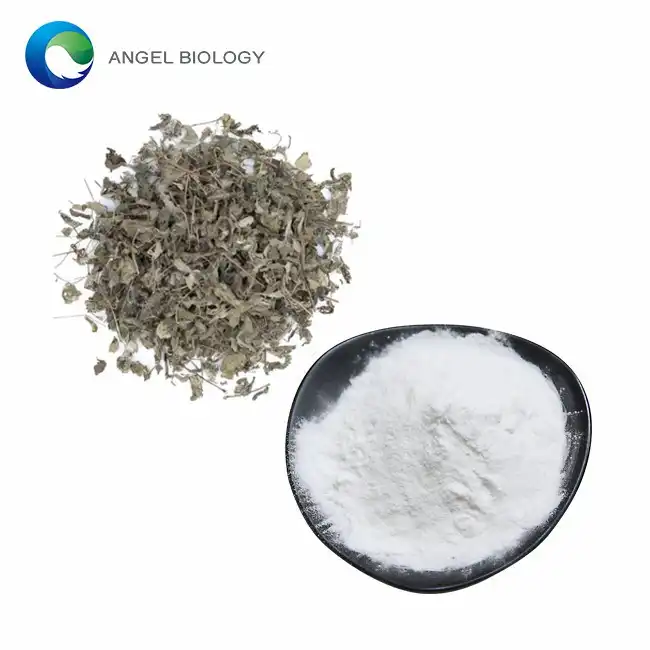
Standardised bioactive substance, especially 1-Deoxynojirimycin (1-DNJ), which is a natural alpha-glucosidase inhibitor, is what procurement professionals look for in the best Mulberry Leaf Extract Powder for managing diabetes. Morus alba L. is the source of Mulberry Leaf Extract Powder. provides nutraceutical companies with a clean-label option for formulas that control blood sugar. High-purity extracts with confirmed 1-DNJ concentrations between 1% and 10% offer consistent effectiveness and batch-to-batch dependability. This meets the important need for stable, bioavailable ingredients in the development of metabolic health supplements. To meet global safety standards, good sellers show that their products have been tested by a third party and come with full COAs and international certifications.
Understanding Mulberry Leaf Extract Powder and Its Role in Diabetes Management
What Makes Mulberry Leaf Extract Powder Distinct
As an expert in plant ingredients, I've seen how standardised mulberry extracts are very different from simple ground leaf powders. Advanced solvent extraction and spray-drying methods are used to keep and boost the bioactive compounds in the concentrated extract. This way of processing makes sure that formulators get a steady amount of active ingredients instead of the changing phytochemical profiles that come from raw agricultural materials.
Important alkaloids, flavonoids, and polyphenolic chemicals are concentrated during the preparation process. The main bioactive, 1-DNJ, is very good at blocking alpha-glucosidase enzymes, which have a direct effect on how much glucose is absorbed after a meal. Multiple clinical studies have shown that this process works, which makes the ingredient a scientifically sound choice for metabolic health formulas.
Key Bioactive Compounds and Their Functions
1-Deoxynojirimycin, the main active ingredient, has the same structure as glucose and stops digestive enzymes that break down carbohydrates. In addition to 1-DNJ, Mulberry Leaf Extract Powder products also have quercetin derivatives and chlorogenic acids that act as antioxidants and help protect against oxidative stress that can lead to long-term metabolic problems.
These chemicals don't work alone; they work together. Flavonoids improve the health of blood vessels, and polyphenols change the way inflammation works. Because it works on multiple targets, the extract is especially useful for metabolic health products that want to do more than just control glucose levels; they also want to help the body in other ways.
Dosage Considerations and Application Guidelines
The best daily doses of standardised extract, which is estimated based on 1-DNJ level, are usually between 500 mg and 1500 mg. When making tablets, capsules, or functional drinks, formulation managers need to think about the concentration ratio. To get the same amount of bioactive substance into the body, a 5% 1-DNJ extract needs a different dose than a 1% standardised material.
When a product is being made, stability testing is very important. The extract stays intact through normal heat processing, but it needs to be kept away from too much wetness. Stable shelf life is ensured by properly enclosing or packing in materials that keep moisture out. Before going into mass production, R&D teams should do rapid stability studies to make sure that the recipe works with the mass production.

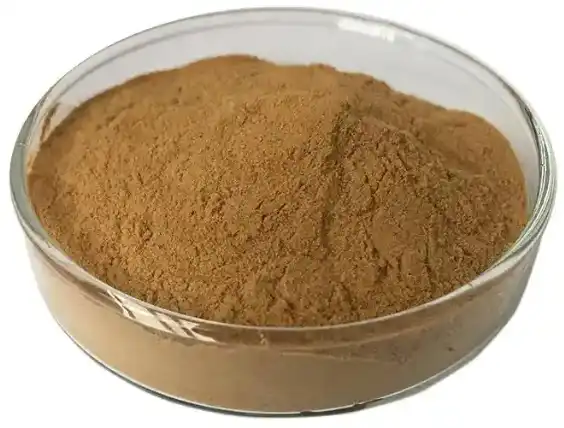
Comparing Mulberry Leaf Extract Powder Options for Diabetes Management
Pure Extract Versus Raw Leaf Powder
The difference in concentration between standardised extracts and whole leaf powders has a big effect on the cost and effectiveness of formulation. When compared to milled leaf material, pure Mulberry Leaf Extract Powder delivers 10 to 50 times the bioactive density. This advantage in concentration means smaller serving sizes and more compliance from customers.
Bioavailability is another important difference. Cellular structures that would normally make it hard for compounds to be absorbed are broken down during the extraction process. Because the particles are now very small and easier to dissolve, they are better absorbed than raw plant powders. This concentration advantage is especially helpful for formulators who are making delivery forms that don't have a lot of room, like soft tablets or stick packs.
Comparative Analysis with Alternative Botanical Extracts
Green tea extracts change glucose levels through catechins, while mulberry's 1-DNJ stops enzymes from working in a different way. Berberine-containing products work by signalling molecules between cells, while mulberry works at the absorption stage in the intestines. Because of this difference, formulators can make blends that work together to target more than one metabolic pathway.
While cinnamon products can make insulin work better, they don't have the specific alpha-glucosidase inhibitory qualities of mulberries. Gymnema sylvestre changes how we taste things and how our pancreas works in two different ways. Knowing these differences in how they work lets you choose ingredients strategically based on how you want to place your product and back up your claims.
Impact of Organic Certification on Quality Parameters
Organic certification makes sure that synthetic fertilisers and pesticides are not used in farming, which has a direct effect on the final residue profiles. This certification is becoming more important as clean-label trends take over consumer tastes and government scrutiny of contaminant limits grows.
In addition to business benefits, using organic materials is often linked to higher levels of phytochemicals. As a natural way to protect themselves, plants that are growing without chemicals may make secondary metabolite profiles that are stronger. But organic approval doesn't mean that the product is effective on its own. No matter the method used for cultivation, active content must still be checked by a third party.
Balancing Price and Quality in Procurement Decisions
Higher-priced premium-grade extracts usually explain their price with better standardisation consistency, lower heavy metal loads, and thorough paperwork. When procurement teams are trying to stick to a budget, they need to think about whether using cheaper commodity-grade materials increases the total cost of ownership by introducing formulation variability or compliance risks.
Having a long-term relationship with a supplier is often more cost-effective than buying things one time. Reliable producers spend money on quality systems that lower the number of batches that need to be thrown out and the cost of reformulating. Along with unit pricing, procurement professionals should look at how complete the documentation is, how well the analytical method works, and how well the supplier can help with technical issues when evaluating quotes.
How to Choose the Best Mulberry Leaf Extract Powder for Your Business Needs
Procurement Scenarios and Business Models
OEM makers who make finished supplements based on what the customer wants need to be able to customise and have open minimum order numbers. Private label businesses benefit when their suppliers offer turnkey formulation support and labelling guidance that is legal. Distributors of bulk ingredients put a high value on consistent supply and competitive price schemes that help keep inventory moving.
Different supplier needs come up for each business model. Contract makers need partners who are certified by cGMP and can handle changes in scale. Brand owners who are making their own formulations value working together on technical issues and keeping their intellectual property safe. Knowing your business model makes it clear which characteristics of a provider should be given the most weight when evaluating them.
Critical Evaluation Metrics for Supplier Selection
The most important thing for checking quality is a Certificate of Analysis. Comprehensive COAs should include information on the amount of 1-DNJ present using HPLC, as well as microbial limits, heavy metal screening, chemical residues, and the substance's physical properties. When suppliers only give basic specs without analytical data specific to each batch, they put the quality of the Mulberry Leaf Extract Powder at an unacceptable risk.
Being able to depend on a supplier goes beyond just getting good products. It also includes being able to communicate quickly, keeping to schedule, and helping with legal compliance. Check to see if possible partners are willing to share stable data, make formulation suggestions, and help with sample testing. A lot of the time, these service parts are just as useful as the physical product.
Aligning Specifications with Market Requirements
Different markets have different rules and demands for customers. Novel Food authorisation status may be needed for European formulations, while GRAS affirmation or NDI notice is needed for U.S. goods, based on their placement. Asian markets often have stricter rules about heavy metal than Western markets do.
The format of the packaging should match the needs of the processing that comes after. Formulators who work on high-speed encapsulation lines need to make sure that the bulk density and particle size distribution are always the same. Companies that make drinks need grades that dissolve quickly and have changed ingredients. Talking about these technical needs early on stops expensive rounds of reformulation after the initial purchase.
Building Strategic Supplier Partnerships
A sample review is still the best way to check out a supplier. Ask for samples with full scientific paperwork and do your own testing to make sure they are real. Before committing to market amounts, you should check the solubility behaviour, organoleptic properties, and formulation compatibility under the processing conditions you have chosen.
Starting a conversation by sending in specific enquiries shows that you are serious about buying something. Share the goal specs, expected numbers, quality standards, and expected delivery dates. Instead of generic marketing answers, responsive providers will give expert advice, pricing structures, and capability statements that help customers make smart decisions.
Procurement Essentials: Sourcing Bulk Mulberry Leaf Extract Powder for Diabetes Management
Minimum Order Quantities and Pricing Structures
The price of bulk Mulberry Leaf Extract Powder is usually set in tiers, with lower per-kilogram costs as more is ordered. Entry-level MOQs are usually between 25 and 50 kilograms, which is a good size for testing the market and developing a new product. For commercial production, it's usually necessary to buy between 100 and 500 kilograms in order to get competitive unit economics.
Understanding the parts of prices helps you negotiate better. The prices of raw materials change based on harvest rates and the prices of other farm goods. As the level of standardisation rises, processing becomes more difficult. The landed costs go up because of international shipping, duties, and compliance testing. Instead of giving vague quotes, transparent providers break these parts down.
Verification of Supplier Credentials and Testing
Third-party laboratory validation gives extra quality assurance on top of supplier-made COAs. Hiring accredited testing centers to check the 1-DNJ content, microbial safety, and contaminant levels increases the cost of purchase but stops expensive quality failures. Reliable suppliers like this kind of verification because it backs up what they say about their quality.
The state of regulatory registration should be carefully looked over. Make sure that your providers have the right manufacturing licenses, export permits, and certifications, such as ISO 22000, Organic, Non-GMO, or Kosher, that your target markets need. Instead of taking verbal promises, ask for copies of the registration documents. Angelbio has a lot of certificates that cover a wide range of international quality standards. This shows that we are committed to following the rules in all global markets.
Private Label and Customization Opportunities
A lot of companies that make extracts give private labelling services that go beyond just changing the look of the package. Some of these skills are creating unique blends, using specific extraction ratios, and making particles of any size. These kinds of services let brands stand out even when they use common plant ingredients.
Documentation packages can also be customised. Some suppliers offer technical dossiers, safety assessments, and claim support materials that are specific to the market. These materials speed up the approval process by regulators. These extra services add value and make it worth paying more for brands that want to get into new markets quickly and get full compliance support.
Case Studies and Market Insights: Successful Use of Mulberry Leaf Extract Powder in Diabetes Care
Real-World Integration Examples
Standardised Mulberry Leaf Extract Powder, along with chromium picolinate, alpha-lipoic acid, and cinnamon extracts, has been successfully added by major nutraceutical brands to glucose control formulas. These approaches with multiple ingredients improve metabolic health in ways that work with each other. For example, mulberry adds the enzymatic inhibition part.
Functional beverage companies have made drinks that are low in glucose by mixing different grades of soluble mulberry extract with fibre sources and plant-based proteins. These goods are designed to help control blood sugar levels after a meal in handy, user-friendly ways that go beyond traditional capsules.
Emerging Market Trends and Research Developments
Randomised controlled trials that look at dosage optimisation and combination therapy methods are still being used in clinical studies to prove that mulberry extract works. As of late, researchers have been looking into how probiotics and prebiotic fibres can work together to improve metabolic health by changing the gut microbiome.
Regulatory environments are changing to allow botanical ingredients that have been shown to be good for your health. The U.S. market is becoming more open to health claims that are backed up by solid scientific proof. European officials are becoming more aware of paperwork that shows how plant extracts have been used for a long time. These changes to regulations make it possible to place products based on proof.
Strategic Positioning for Market Opportunities
The global market for metabolic health supplements is growing quickly, thanks to an ageing population and more people becoming aware of the benefits of a healthy diet. Botanical extracts are in a good position because consumers are increasingly choosing naturally derived ingredients from plants over synthetic ones.
Agricultural yield changes, geopolitical trade issues, and changing quality standards are all things that should be planned for in procurement strategies. Diversifying supplier relationships and keeping strategic inventory gaps protects against disruption risks and puts businesses in a good position to take advantage of chances to grow their markets.
Conclusion
To choose the best Mulberry Leaf Extract Powder for diabetes formulations, you have to find a balance between analytical verification, supplier reliability, and the compliance requirements of your market. Standardised 1-DNJ content, thorough quality documentation, and quick technical support are what set premium suppliers apart from commodity providers. Botanical metabolic health ingredients are becoming more and more accepted by scientists and consumers. This means that brands that spend in quality buying partnerships can make a lot of money. Procurement experts who put a high value on carefully evaluating suppliers, keeping strategic relationships, and making sure that specifications match the needs of the target market will help their companies do well in this growing area.
FAQ
1. What 1-DNJ concentration should I specify for glucose management formulations?
The most effective formulations use extracts that are standardised to 1-5% 1-DNJ. This strikes a balance between effectiveness and cost-effectiveness. Higher ratios allow for smaller serving amounts, but they cost more. Concentration choice should be based on your goal dose, transportation method, and placement strategy. When you work with expert providers, you can get formulation advice based on market trends and clinical studies.
2. How can I be sure that the extract is real and of good quality?
Ask for batch-specific COAs that show the 1-DNJ level using an approved HPLC method, along with limits for microbes, heavy metals, and pesticides. Hire separate labs to do verification tests on the items you receive. Check the supplier's credentials, such as cGMP compliance and international quality registrations. Reputable makers keep their quality systems open and welcome approval from a third party.
3. What regulatory considerations affect mulberry extract use in supplements?
Dietary supplement cGMP rules must be followed for U.S. goods, and the right NDI standing must be determined. Depending on how the extract is processed and how it has been used in the past, European markets may need Novel Food authorisation. Ingredient providers should give regulatory support materials like safety reports and advice on the right use level for different markets.
Partner with Angelbio for Premium Mulberry Leaf Extract Powder
Angelbio has over 18 years of experience in independent research and development and uses cutting-edge extraction technology to provide top grade plant-based ingredients that top nutraceutical brands around the world trust. Standardised processes used to make our Mulberry Leaf Extract Powder guarantee consistent 1-DNJ potency, strict quality control, and full compliance documentation. As a provider of Mulberry Leaf Extract Powder that is vertically integrated, we can offer variable minimum order quantities, the ability to make changes, and quick technical support that turns buying problems into competitive advantages. Get in touch with our team at angel@angelbiology.com to get samples, talk about your unique recipe needs, and find out how our dedication to natural origin and global health standards can help your metabolic health product line.
References
1. Wang Y, Xiang L, Wang C, et al. Antidiabetic and antioxidant effects and phytochemicals of mulberry fruit (Morus alba L.) polyphenol-enhanced extract. PLoS One. 2013;8(7):e71144.
2. Kimura T, Nakagawa K, Kubota H, et al. Food-grade mulberry powder enriched with 1-deoxynojirimycin suppresses the elevation of postprandial blood glucose in humans. Journal of Agricultural and Food Chemistry. 2007;55(14):5869-5874.
3. Andallu B, Suryakantham V, Lakshmi Srikanthi B, Reddy GK. Effect of mulberry (Morus indica L.) therapy on plasma and erythrocyte membrane lipids in patients with type 2 diabetes. Clinica Chimica Acta. 2001;314(1-2):47-53.
4. Hunyadi A, Martins A, Hsieh TJ, Seres A, Zupkó I. Chlorogenic acid and rutin play a major role in the in vivo anti-diabetic activity of Morus alba leaf extract on type II diabetic rats. PLoS One. 2012;7(11):e50619.
5. Nakamura S, Hashiguchi M, Yamaguchi K, et al. Structure-activity relationships of mulberry leaf constituents on postprandial glucose metabolism. Journal of Natural Medicines. 2019;73(4):726-734.
6. Lown M, Fuller R, Lightowler H, et al. Mulberry extract improves glucose tolerance and decreases insulin concentrations in normoglycaemic adults: Results of a randomised double-blind placebo-controlled study. PLoS One. 2017;12(2):e0172239.