



PQQ Powder Demand in 2026: Supply Trends and What Buyers Should Price In
Demand for PQQ powder is attracting attention in 2026 as brands explore ingredients associated with mitochondrial function, cognitive wellness, and healthy aging. However, market interest should not be confused with proven clinical benefits. Supply considerations are also evolving, with buyers placing greater emphasis on standardized specifications, traceability, and batch documentation. The quoted price per kilogram tells only part of the story. Buyers should also account for assay, chemical form, testing, packaging, shelf life, MOQ, freight, duties, and documentation. At Angelbio, we recognize that purchasing teams need to compare these factors before approving a supplier. In this article, I explain the factors influencing PQQ demand, the supply trends worth monitoring, and how to calculate the actual procurement cost before placing an order.
What Is Driving PQQ Powder Demand in 2026?
Three major factors are influencing product development and purchasing decisions.
Consumer Interest in Mitochondrial and Cognitive Wellness
PQQ, or pyrroloquinoline quinone, is a redox-active compound that has been studied for its potential role in cellular biochemical processes, including mitochondrial-related pathways. Preclinical research published in 2010 in the Journal of Biological Chemistry investigated PQQ-related changes in CREB and PGC-1α signaling and mitochondrial biogenesis in experimental models. A 2013 study in the Journal of Nutritional Biochemistry also examined dietary PQQ and indicators associated with mitochondrial metabolism in humans.
These studies provide scientific background for ingredient research, but they do not establish that PQQ supplementation reliably improves cognition, increases energy, or slows aging in all consumers. Human evidence, dosage, study design, and the specific PQQ preparation need to be considered before making product claims. Nevertheless, interest in ingredients associated with cellular energy metabolism and healthy aging continues to influence product development. Brands are therefore evaluating PQQ powder for new formulations and product-line extensions.
Formats and Formulas That Use PQQ
PQQ is used in different product concepts, including capsules, tablets, sachets, and selected beverage formulations. Some brands combine PQQ with CoQ10 or ubiquinol because these ingredients are associated with different aspects of cellular energy metabolism. However, combining ingredients does not automatically establish a synergistic health benefit; the finished formula should be evaluated on its own composition and supporting evidence.
Private-label, OEM, and ODM brands may also require customized dosage formats and packaging. The raw material specification should match the intended production process. Capsule and tablet manufacturers may focus on powder flow, bulk density, and compression behavior, while beverage developers may prioritize solubility, dispersion, taste, and solution stability. Buyers should define the dosage form and target formulation before requesting quotations because these requirements can affect the grade, packaging, and overall price.
Stricter Supplier Qualification in the U.S.
U.S. dietary supplement regulations require manufacturers to establish appropriate controls for ingredient identity, quality, and supplier qualification. Under 21 CFR Part 111, companies are responsible for ensuring that components meet applicable specifications and are suitable for their intended use. A supplier's COA is useful supporting documentation, but it does not replace the buyer's responsibility to qualify the supplier and verify the material.
Quality teams may request batch-specific COAs, production and traceability records, analytical reports, and relevant facility or product documentation. Buyers should also determine whether the specific PQQ ingredient and proposed conditions of use meet applicable regulatory requirements. For example, New Dietary Ingredient (NDI) requirements and GRAS status are separate regulatory considerations and should not be treated as interchangeable. Regulatory suitability depends on the ingredient identity, intended use, conditions of use, and relevant market requirements. Suppliers that provide clear documentation and responsive technical support can make the qualification process more efficient.
PQQ Powder Supply Trends and Quality Points Buyers Should Monitor
Supplier capabilities and material specifications can influence both purchasing costs and production efficiency.
Standardized and Traceable Material
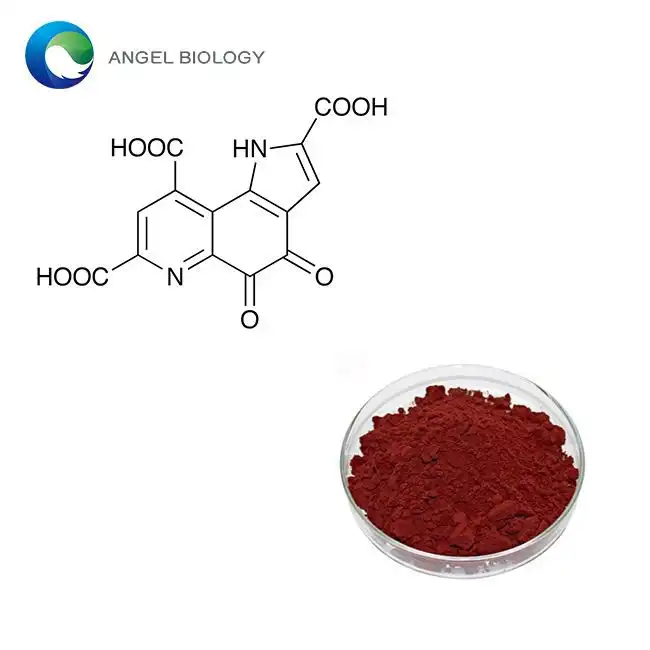
Buyers increasingly need clearly defined specifications to avoid confusion between different chemical forms. Instead of requesting only "PQQ," specify whether the required ingredient is pyrroloquinoline quinone free acid or pyrroloquinoline quinone disodium salt. The disodium salt is a commonly marketed form and has the molecular formula C14H4N2Na2O8.
PQQ disodium salt can be produced through microbial fermentation and subsequent processing, although the actual production organism and manufacturing route should be confirmed with the supplier. Analytical methods such as HPLC can be used to evaluate assay or related purity parameters. The acceptance limit must come from the agreed product specification rather than an assumed universal value. Buyers should also request batch-specific results, raw material traceability information, production controls, and procedures for managing specification changes. These details help purchasing and quality teams assess whether a supplier can maintain consistent product quality.
Supply Resilience and Capacity
Material quality is important, but supply reliability matters just as much. When purchasing PQQ, ask how the supplier plans production capacity, manages raw material availability, and communicates possible delays. It is useful to understand the typical production lead time, available inventory, backup arrangements, and quotation validity period.
If the material is produced through fermentation, production scheduling and downstream processing may affect lead times. Buyers should share their estimated annual demand and expected ordering frequency with the supplier. This allows both sides to plan production and inventory more effectively and may reduce the need for urgent orders that increase freight costs or supply risks. Include expected lead times and delivery milestones in the purchasing plan.
Formulation Performance and Stability
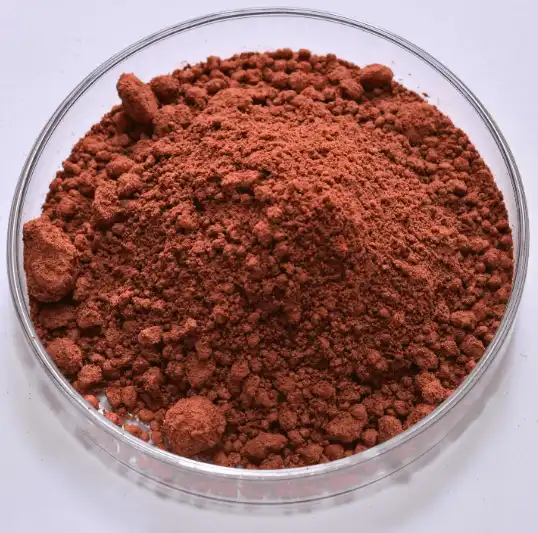
A high assay result does not automatically guarantee good processing performance. PQQ disodium salt is commonly described as a yellow to reddish-brown or brown powder, but appearance can vary by specification and should be confirmed through the supplier's product data. Its solubility and stability depend on the chemical form, formulation environment, concentration, and processing conditions. It should not be assumed to remain unchanged under all pH or moisture conditions.
Buyers should evaluate how PQQ performs with CoQ10 and other ingredients in the intended formula, including its dispersion, dissolution, and compatibility with excipients. These properties should be tested in the actual dosage form rather than judged from a technical sheet alone. Combining PQQ with CoQ10 may be a formulation choice, but it does not automatically improve stability, bioavailability, or finished-product shelf life. Suitable packaging that limits exposure to light, moisture, and other relevant environmental factors can help protect material quality. Confirm storage and shelf-life recommendations using product-specific stability information.
What Should Buyers Price In When Purchasing PQQ Powder?
The quoted price is only the starting point for a complete purchasing calculation.
Costs Beyond the Headline Price
First, compare suppliers using the same specification. Two quotations for PQQ powder may appear similar while differing in chemical form, assay method, acceptance criteria, or testing requirements. Buyers should consider the actual ingredient content, specification verification, packaging, shelf life, and shipping volume.
Some costs are included in the supplier's quotation, while others arise during incoming inspection, independent testing, storage, or formulation trials. Sample fees and additional analytical tests may also affect the total project budget. I recommend that purchasing teams use a simple comparison spreadsheet to record all costs and identify missing quotation details. This makes it easier to compare offers on an equivalent basis.
Incoterms and Landed Cost
Incoterms, published by the International Chamber of Commerce (ICC), define the responsibilities of buyers and sellers for delivery, transportation costs, insurance, and transfer of risk. Under EXW, the buyer generally takes responsibility for arranging collection and most transportation-related steps from the supplier's premises. FOB and CIF are commonly used in sea freight transactions, but the responsibilities and risk-transfer points differ. Under CIF, the seller arranges and pays for freight and insurance to the named destination port, while risk generally transfers when the goods are loaded on board at the port of shipment. DDP places broader delivery and import-clearance responsibilities on the seller, subject to the agreed destination and applicable rules.
A low EXW quotation may become less competitive after freight, insurance, customs clearance, and duties are included. Buyers importing PQQ should also confirm the correct tariff classification, customs broker fees, and applicable import taxes for their destination. Before making a decision, calculate the total landed cost per kilogram under the same delivery terms for each supplier.
Cost per Usable Kilogram, MOQ, and Volume
Cost per usable kilogram is a practical way to compare different offers. Start by adding the material price, freight, insurance, duties, testing, and other relevant costs. Then divide the total by the amount of material that meets the agreed acceptance criteria and can be used in production. Also consider inventory carrying costs, potential delays, and the cost of rejected or nonconforming batches.
MOQ, private-label packaging, and annual contract volume can all affect the final price. A smaller MOQ may result in a higher unit price but require less initial working capital, which can be useful when launching a new product. A larger annual commitment may provide opportunities for more favorable pricing, depending on supplier capacity and the agreed purchasing schedule. Compare both options before making a decision, and ensure that each quotation clearly states its assumptions and conditions.
How to Compare PQQ Powder Suppliers and Buying Options?
A supplier's role, production capabilities, and technical support can differ considerably.
Manufacturer, Distributor, or Trading Company
A direct manufacturer may provide more detailed information about production stages, in-process testing, and batch records. A distributor may offer access to multiple products and flexible inventory arrangements, while a trading company may provide sourcing options and support for international transactions. However, these business models do not automatically determine product quality or reliability.
Ask each supplier where the material originates, who manufactures it, which analytical methods are used, and how batch quality is verified. Angelbio reports more than 18 years of experience in ingredient research and testing. When evaluating any supplier, buyers should review the relevant product documentation, manufacturing information, quality controls, and supply arrangements to confirm that they meet the project's requirements.
A Supplier Scorecard You Can Use Today
Here are three groups of criteria I recommend reviewing when evaluating a PQQ powder supplier:
Quality & Documents: Request a current, batch-specific COA that includes the batch number, test date, analytical method, and acceptance criteria. Confirm the chemical form, assay specification, appearance, and storage instructions. Check that each certificate applies to the actual product and relevant production facility.
Production and Supply: Review production capacity, lead time, packaging choices, available package sizes, and MOQ. Ask how the supplier manages specification changes, deviations, and process modifications. Confirm that repeat orders are assessed against the same agreed standards, since batch-to-batch consistency is important for ongoing production.
Service and Support: Evaluate response time, technical assistance for solubility or blending questions, regulatory documentation for the target market, and after-sales support. Ask whether a technical contact is available during sample evaluation and commercial supply, and confirm the expected response process for technical enquiries.
These three categories cover many of the practical risks involved in purchasing PQQ powder.
Bulk, Wholesale, Private Label, and OEM Options
Different purchasing models require different supplier capabilities. Bulk buyers often prioritize stable pricing, predictable delivery schedules, and annual supply planning. Distributors may need flexible packaging, resale documentation, and competitive landed costs. Private-label brands may require support with formulation information, batch coding, label review, and finished-product logistics.
Most OEM and ODM projects involve several stages: market assessment, ingredient selection, formulation development, pilot production, and commercial-scale manufacturing. Test the formula first, then evaluate a small production batch before confirming larger volumes. Before making a commitment, ask whether the supplier provides raw materials only or can also support additional formulation and packaging services. Angelbio supplies ingredients for cosmetics, food, and dietary supplement applications. Our team can discuss raw material specifications and sourcing requirements based on your project.
Risk Management and a Practical 2026 Procurement Plan
Unexpected supply or quality issues can increase costs. A clear purchasing process helps reduce avoidable risks.
Common Procurement Mistakes
Several purchasing mistakes occur repeatedly. Buyers may choose the lowest quotation without checking whether it matches their required specification. A COA may be accepted without verifying its batch number, analytical method, or test results. Teams may overlook target-market regulatory requirements or place a large order before testing the material in the finished formulation.
Pilot testing can reveal uneven blending, capsule-filling or tablet-compression difficulties, poor liquid dispersion, flavor interactions, or packaging compatibility issues. Buyers should also compare equivalent quotation terms, including packaging, Incoterms, MOQ, lead time, and testing requirements.
A clear agreement should explain how specification changes, deviations, notifications, and nonconforming batches will be handled. Addressing these points before a long-term purchasing arrangement is generally more cost-effective than resolving them after a delayed launch or rejected production lot.
A Step-by-Step Procurement Process
I recommend the following five-step process:
1. Define the requirement: Record the intended application, annual demand, target dosage form, required chemical form, and preferred supplier type.
2. Set the specification: Define the appearance, assay, analytical method, solubility or dispersion requirements, heavy metal limits, microbiological criteria, packaging, storage conditions, and shelf-life expectations.
3. Evaluate samples and documents: Review the supplier's product information and batch-specific documentation, then test representative samples against your formulation requirements.
4. Place a trial order: Evaluate batch consistency, delivery performance, documentation, and supplier communication before moving to larger orders.
5. Establish a supply agreement: Define the agreed specification, price, delivery schedule, quotation validity, inspection procedures, and the process for handling quality or supply issues.
This approach turns a general sourcing enquiry into a clear purchasing plan and provides a reference for future orders.
Preparing for Demand Changes in 2026 and Beyond
To prepare for changes in demand, buyers should review sales forecasts, product launches, seasonal requirements, distributor partnerships, market expansion, and new product development plans. Maintain an appropriate inventory level to avoid shortages without creating unnecessary excess stock.
Where practical, evaluate more than one qualified supplier with comparable chemical form, assay requirements, analytical methods, packaging, and regulatory documentation. Review the supply situation at least quarterly. Check material availability, production capacity, currency movements, testing requirements, and supplier responsiveness. Regular communication is also useful when requesting stability information, updated documentation, or specification adjustments. A consistent review cycle can help purchasing teams protect launch schedules and manage margins more effectively.
Conclusion
As brands explore products associated with mitochondrial function, cognitive wellness, and healthy aging, PQQ powder is receiving attention in 2026. It is being considered for different product formats, including capsules, tablets, sachets, and selected beverages. However, scientific interest in PQQ should not be interpreted as proof of specific health outcomes. Buyers should evaluate the ingredient's identity, intended use, supporting evidence, and applicable regulatory requirements before developing product claims.
Supplier selection and purchasing costs also involve more than the initial quotation. Assay, chemical form, testing, packaging, inventory, Incoterms, freight, duties, MOQ, and documentation all contribute to the landed cost per usable kilogram. Compare manufacturers, distributors, and trading companies using the same specification, and review batch-specific COAs before placing a bulk order. Sample trials and a clear purchasing agreement can help reduce the risk of rejected batches or delayed launches. By combining demand forecasting with supplier qualification and regular supply reviews, buyers can make more informed sourcing decisions.
FAQ
Q1: What affects the price per kilogram of PQQ powder?
Price depends on the chemical form, assay specification, raw material and production costs, testing requirements, packaging, order volume, and shipping terms. Before selecting the lowest quotation, make sure all suppliers are quoting the same grade and acceptance criteria. Even small differences in freight, testing, or delivery terms can change the final landed cost.
Q2: Should I choose pure PQQ or a PQQ and CoQ10 blend?
Pure PQQ gives formulators more control over the ingredient amount and allows them to develop their own combinations. A PQQ and CoQ10 blend may simplify certain formulation or production processes, depending on the supplier's product design. However, a blend does not automatically provide improved stability or a greater health benefit. Choose according to the intended dosage form, target ingredient levels, and analytical requirements, and conduct a trial before commercial production.
Q3: Which documents should I request from a supplier?
Request a batch-specific COA, product specification or technical data sheet, sample, storage instructions, and relevant facility or product documentation. Depending on the intended application and target market, additional analytical reports or regulatory documents may also be needed. Check that each document identifies the correct product, batch, facility, and test method. Agree on the required testing and acceptance criteria before ordering.
Q4: Can PQQ powder support private-label projects?
Yes. PQQ powder can be considered for suitable private-label and OEM projects, subject to ingredient specifications and applicable market requirements. Share your intended application, target dosage form, estimated quantity, packaging preferences, and destination market with the supplier. Your regulatory specialist should review ingredient status, labeling, and any product claims before launch.
Request PQQ Powder Samples and a Quote from Angelbio
For PQQ sourcing projects, buyers need a supplier that can provide clear specifications, batch documentation, and responsive communication. Angelbio has more than 18 years of experience in ingredient research and testing. Our team can discuss available PQQ powder specifications and provide relevant product information for your evaluation.
To help us recommend a suitable option, email angel@angelbiology.com with your intended application, required chemical form, target assay, dosage format, estimated quantity, and destination market. You can also enquire about sample availability, batch-specific COA documentation, MOQ, packaging, lead time, and bulk pricing. Providing these details helps our team prepare a more relevant quotation for your project.

References
1. Journal of Biological Chemistry, 2010. "Pyrroloquinoline quinone stimulates mitochondrial biogenesis through cAMP response element-binding protein phosphorylation and increased PGC-1α expression."
2. Journal of Nutritional Biochemistry, 2013. "Dietary pyrroloquinoline quinone (PQQ) alters indicators of inflammation and mitochondrial-related metabolism in human subjects."
3. Alternative Medicine Review, 2009. "Potential physiological importance of pyrroloquinoline quinone."
4. Bioscience, Biotechnology, and Biochemistry, 2016. "Recent progress in studies on the health benefits of pyrroloquinoline quinone."
5. U.S. Food and Drug Administration. 21 CFR Part 111. Requirements applicable to dietary supplement manufacturing, packaging, labeling, and holding operations.
6. International Chamber of Commerce, 2019. "Incoterms 2020 Rules."