



Why Lemon Extract Powder Is Drawing Attention and How to Use It! A Thorough Usage Guide
In recent years, lemon extract powder has attracted interest from the food, dietary supplement, and cosmetics industries. It is derived from Citrus limon and can be produced through processes such as spray drying or freeze drying, depending on the raw material and desired product characteristics. The resulting powder offers a convenient alternative to liquid ingredients in many formulations, with easier handling, storage, and transportation. Its composition may include organic acids and naturally occurring citrus compounds, although the actual content depends on the extraction and drying process. Compared with fresh lemon juice, a properly manufactured powder can offer a more consistent ingredient format and lower moisture content. These characteristics make it useful for R&D teams and procurement managers developing products for different markets. Buyers should confirm the actual specifications, ingredient composition, and batch data before selecting a grade.
What Is Lemon Extract Powder and Why Is It Gaining Popularity?
The Science Behind the Powder
Lemon extract powder is produced from lemon-derived raw materials, but its composition varies according to the extraction method, concentration process, and drying technology. Citric acid is a naturally occurring organic acid in lemons, while compounds such as limonene and citral may be present in certain citrus-derived materials. Their levels are not fixed and should not be assumed to match those in fresh fruit.
Depending on the production process, the liquid extract may be spray-dried or freeze-dried. A carrier such as maltodextrin or gum acacia may be added to support drying, powder flow, or ingredient handling. The use of a carrier should be confirmed through the product specification and ingredient declaration. Final characteristics such as moisture, mesh size, solubility, color, aroma, and acidity depend on the actual formulation and manufacturing process. Buyers should request a technical data sheet and COA rather than assume that every lemon extract powder has the same composition or dissolves rapidly in cold water.
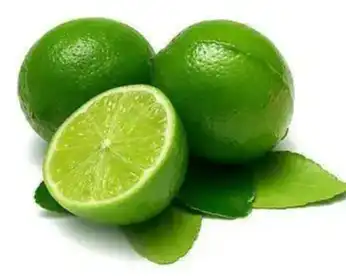
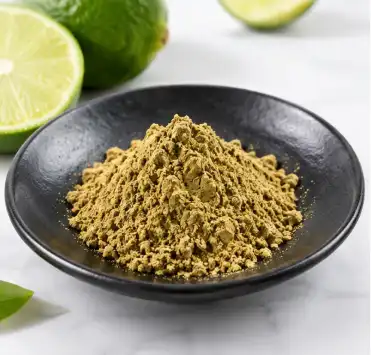
Why Industries Are Shifting to Powder Formats
Fresh lemon juice contains a high proportion of water and can vary in acidity, flavor, and composition between batches. A powder format can simplify storage, transportation, weighing, and formulation, while helping manufacturers control the amount of lemon-derived ingredient added to a product. However, the degree of consistency depends on the raw material, production process, packaging, and quality controls.
For food applications, buyers should review relevant specifications such as moisture, acidity, heavy metals, and microbiological limits. Values such as Pb below 3 ppm, As below 1 ppm, Cd below 1 ppm, or a total plate count below 1,000 CFU/g should only be used when they are supported by the applicable product specification and test reports. They are not universal limits for every lemon-derived powder or target market.
Lemon extract powder may be considered for selected food, supplement, and cosmetic formulations, but one specification should not automatically be assumed suitable for all three. Each application requires a review of ingredient identity, composition, quality parameters, and applicable market requirements.
Market Signals Worth Noting
Market interest in citrus-derived ingredients is supported by demand for convenient fruit-based ingredients, recognizable flavor profiles, and flexible formulation options. Market reports covering citrus ingredients and related fruit-derived materials can provide useful background, but figures for the orange market should not be treated as direct evidence of lemon extract powder market size.
Private-label brands and OEM manufacturers are also looking for ingredients that are easy to handle, document, and incorporate into repeatable production processes. For buyers, the practical considerations are ingredient identity, composition, flavor consistency, traceability, and suitability for the intended market. These factors are more useful for sourcing decisions than broad market claims alone.
How to Use Lemon Extract Powder Effectively — A Practical Guide
Culinary and Beverage Applications
Lemon extract powder can be used in selected beverages, dry drink mixes, seasoning blends, bakery products, and other food formulations. Its acidity and flavor contribution depend on the product's composition and concentration. Unlike fresh lemon juice, a dry powder contributes relatively little moisture, which may be useful when manufacturers need to control the liquid content of a recipe.
The powder's solubility and dispersion behavior can vary with its carrier, particle size, and processing method. It should not automatically be assumed to dissolve quickly or remain suspended in every formulation. For electrolyte mixes and functional drinks, test the finished product's pH, clarity, taste, and stability. Water activity (Aw) should also be measured in the complete formulation rather than assumed to remain unchanged simply because a powder is used.
For commercial applications such as meringues, fondants, bakery fillings, and fat-containing products, evaluate how the ingredient affects flavor, acidity, texture, and processing. A starting trial range of 1%–3% by weight may be explored where appropriate, but this is not a universal recommended dosage. The suitable inclusion level should be established through formulation trials and sensory evaluation.
Cosmetic Formulation Use
Lemon-derived ingredients may be considered for selected cosmetic formulations, but lemon extract powder should not be treated as a standardized alpha-hydroxy acid (AHA) ingredient. Citric acid is an organic acid that may contribute to pH adjustment or exfoliating properties in suitable formulations, while the actual citric acid content of lemon extract powder can vary. Its presence does not automatically establish a predictable exfoliating, skin-brightening, or tone-evening effect.
If the powder is intended for a cosmetic water phase, first confirm its ingredient composition, solubility, and compatibility with the formula. An inclusion range such as 0.5%–2% may be explored during preliminary development, but the appropriate level depends on the actual acid content, target pH, and product type. Formulators should monitor pH and evaluate finished-product stability, skin compatibility, and applicable cosmetic regulations. Patch testing and suitable safety assessments should be completed before commercial use. Avoid making skin-brightening, exfoliation, or other performance claims unless they are supported by relevant finished-product evidence.
Storage and Handling Best Practices
Lemon extract powder can absorb moisture from its surroundings, depending on its composition and carrier system. Exposure to moisture may cause caking, changes in flowability, or deterioration of flavor and other quality attributes. Buyers and manufacturers should follow the storage instructions provided for the specific grade.
Store in a cool, dry, well-ventilated area. A temperature below 25°C and relative humidity below 60% may be used as preliminary warehouse targets when consistent with the supplier's instructions.
Use suitable moisture-barrier packaging and reseal the package tightly after opening.
Consider a permitted food-grade anti-caking agent, such as silicon dioxide, only when it is appropriate for the formulation and allowed in the target market.
For high-temperature processing, evaluate flavor and quality retention in the actual process. Encapsulated ingredients may be considered when protection of volatile aroma compounds is required, but performance should be confirmed through testing.
Storage conditions should be established using the product's moisture characteristics, packaging, shelf-life data, and transportation requirements. A cool, dry warehouse with good airflow can help reduce avoidable moisture exposure.
Key Comparisons — Choosing the Right Citrus Ingredient for Your Needs
Lemon Extract Powder vs. Lemon Juice Powder
Lemon juice powder is generally made by drying lemon juice, often with a carrier to support the drying process. Its composition may include fruit-derived sugars, organic acids, and other soluble components, depending on the starting juice and production method. Lemon extract powder, by contrast, may be produced from selected lemon-derived fractions and can have a different composition or concentration profile.
Neither ingredient is automatically more concentrated or more suitable for every application. The choice depends on whether the formulation requires a juice-like flavor profile, a particular organic acid content, selected citrus compounds, or another defined specification. For industrial recipes requiring controlled acidity, buyers should compare the measured acidity and pH behavior of the actual products rather than assume that extract powder will always provide more precise control.
Organic vs. Conventional Grade
Organic and conventional grades differ in their agricultural sourcing and certification requirements. If a brand needs to make an organic claim, the ingredient's certification and supply-chain documentation should be checked against the requirements of the target market, such as applicable USDA or EU organic rules.
Organic certification does not automatically indicate higher ingredient quality, stronger functionality, or better nutritional performance. Price differences depend on raw material availability, certification costs, production arrangements, and order volume; a fixed premium of 15%–30% should not be assumed. Buyers should compare the complete specification, certification scope, documentation, and commercial terms before making a sourcing decision.
Extraction Method Matters
Spray drying and freeze drying are two possible processing methods, but neither is automatically superior for every application. Spray drying is widely used for powder production and can be suitable for commercial-scale supply. Freeze drying may be selected when certain heat-sensitive or aroma-related characteristics need to be considered, although the final result still depends on the raw material and process conditions.
For applications focused on flavor and aroma, compare sensory results and relevant volatile-compound data. Where acidity or a specific marker compound is important, request analytical results for the finished powder. The most suitable drying method should be selected according to the required composition, product performance, available specifications, and overall cost.
Procurement Strategies for Lemon Extract Powder — Getting the Supply Chain Right
Start With a Sample Order
Before placing a bulk order, R&D teams should request a representative sample. A sample size of approximately 100–500 g may be sufficient for initial laboratory evaluation, depending on the formulation and test plan. Use it to assess flavor, color, solubility or dispersion, pH, acidity, and compatibility with other ingredients.
A supplier should provide a Certificate of Analysis (COA) and technical data sheet for the relevant grade. A Safety Data Sheet (SDS) and additional documents, such as allergen or GMO statements, can be requested when applicable to the ingredient and target market. Confirm that the sample specification matches the commercial product specification before moving to pilot production.
Evaluate Supplier Credentials Carefully
Supplier prices may vary according to raw material origin, composition, processing method, specifications, documentation, and order volume. Buyers may encounter lemon-derived materials from different growing regions, but origin alone does not establish quality. Procurement teams should evaluate the supplier's actual production and quality-control capabilities.
When assessing a supplier, consider the following:
Relevant quality-management and food-safety certifications, such as ISO or HACCP, where applicable to the facility and product.
Test reports for heavy metals, microbiological parameters, acidity, moisture, and relevant active or marker compounds.
Batch-to-batch consistency, especially for repeat formulation and long-term supply projects.
Traceability of raw materials and production batches, together with a clear process for handling complaints and specification changes.
Flexibility in packaging and documentation for OEM or private-label projects.
Third-party test reports may provide additional verification for selected parameters. Buyers should confirm the laboratory, test method, report date, and whether the tested sample corresponds to the commercial batch. Brands selling in the United States should also review applicable FDA requirements and FTC advertising rules for their finished products and claims.
Logistics and Lead Time Planning
Delivery time depends on product availability, order quantity, production scheduling, shipping method, destination, and customs clearance. A lead time of two to six weeks may be possible for some orders, but it should not be treated as a guaranteed delivery window. Confirm the production schedule and shipping estimate with the supplier before placing an order.
For repeat production, consider maintaining an appropriate safety stock based on actual consumption, lead time variability, and shelf life. Before shipment, confirm the required customs and export documents for the destination market. These may include an HS code, certificate of origin, and other documents required by the importing country. Phytosanitary documentation should only be requested when applicable to the product and destination requirements.
Conclusion
Lemon extract powder offers a convenient format for selected food, beverage, supplement, and cosmetic formulations. Its handling and storage advantages can support product development and supply-chain planning, but its composition and performance depend on the raw material and manufacturing process. Whether the priority is flavor, acidity, selected citrus compounds, or formulation convenience, the grade and supplier should be evaluated against the actual application.
Before purchasing, review the ingredient identity, specifications, test methods, batch data, packaging, and relevant documentation. Conduct sample trials to confirm flavor, solubility, pH behavior, stability, and compatibility with the finished formulation. A clear purchasing specification and reliable batch records can help reduce sourcing risks and support more consistent production. Start with a defined application and a representative sample, then confirm the commercial specification before moving to bulk procurement.
FAQ
1. Does lemon extract powder offer the same nutritional value as fresh lemon?
Not necessarily. The nutritional composition of lemon extract powder depends on the raw material, extraction process, drying method, and any added carriers. Some naturally occurring compounds, including vitamin C, may be reduced during processing or storage. Freeze drying does not guarantee that all nutrients are retained at fresh-fruit levels. Supplement brands should request batch-specific analytical data for vitamin C or other target components before making nutritional claims.
2. How does it compare to fresh lemon juice in industrial baking?
Lemon extract powder generally contributes less moisture than fresh lemon juice, which may help manufacturers manage liquid content in dry or moisture-sensitive recipes. However, its acidity and flavor may differ from fresh juice. Fresh lemon juice also varies naturally between batches, while a standardized powder may offer more controlled specifications when supported by suitable testing. Formulators should adjust water, acidity, and flavor levels based on trial results.
3. What certifications should I ask for when sourcing?
Request documentation relevant to the product, production facility, and target market. This may include applicable food-safety or quality-management certificates, a current COA, a technical data sheet, a safety data sheet, and test reports for microbiological parameters and heavy metals. If the product is marketed as organic, request valid certification and confirm that its scope covers the ingredient and supply chain. Always check whether the documents are current and apply to the actual product being purchased.
4. Is it suitable for use in dairy-based formulations?
It may be suitable for selected dairy formulations, but acidity needs to be carefully controlled. Adding an acidic lemon-derived ingredient can lower the pH and affect milk-protein stability, potentially causing aggregation or curdling. Some fermented dairy products are formulated to work at lower pH values, but compatibility still depends on the recipe, processing conditions, and ingredient composition. Conduct pilot trials and evaluate texture, stability, and sensory properties before commercial production.
Request a Sample From Angelbio — Your Lemon Extract Powder Supplier
Angelbio supplies lemon extract powder options for food and nutraceutical formulation projects. Buyers can discuss the intended application, target specifications, packaging, and order volume with our team. Available product documentation and batch information can be reviewed to help assess suitability for your project.
Whether you are developing a beverage, dry blend, bakery product, or another formulation, sharing your target acidity, flavor profile, application, and required specifications will help us identify an appropriate grade for evaluation. Contact angel@angelbiology.com to request product information, discuss sample availability, or obtain a quotation for your project.

References
1. Grand View Research. Citrus Ingredients Market Size, Share & Trends Analysis Report. 2023.
2. Penniston, K. L., Nakada, S. Y., Holmes, R. P., & Assimos, D. G. "Quantitative Assessment of Citric Acid in Lemon Juice, Lime Juice, and Commercially Available Fruit Juice Products." Journal of Endourology, 2008.
3. Klimek-Szczykutowicz, M., Szopa, A., & Ekiert, H. "Citrus limon (Lemon) Phenomenon — A Review of the Chemistry, Pharmacological Properties, Applications in the Modern Pharmaceutical, Food, and Cosmetics Industries." Molecules, 2020.
4. Sinha, N., Sidhu, J., Barta, J., Wu, J., & Cano, M. P. (Eds.). Handbook of Fruits and Fruit Processing. Wiley-Blackwell, 2012.
5. Tiwari, B. K., & Cummins, E. "Cereal Grains: Assessing and Managing Quality." Woodhead Publishing, 2011. (Referenced for general considerations in water activity management during dry ingredient processing.)
6. U.S. Food & Drug Administration. Guidance for Industry: Botanical Drug Development. FDA, 2016.