



PQQ Powder: How To Use It In Different Products?
PQQ Powder is a useful ingredient that can be used in many different types of products, from energy drinks and cognitive supplements to anti-aging skin care products. This redox cofactor, whose chemical name is Pyrroloquinoline Quinone Disodium Salt, works well with capsules, tablets, ready-to-drink solutions, and topical skin care products. Because it dissolves in water and works well with other active ingredients, formulators can make unique products that focus on mitochondrial function, cellular energy, and neuroprotection. Knowing the right amount to use, how to keep it stable, and how to mix it with other ingredients that work well together lets you make the most of PQQ Powder's business potential in nutraceuticals, functional foods, sports nutrition, and personal care.
Understanding PQQ Powder and Its Core Benefits
What Makes PQQ Powder a Unique Redox Cofactor
Pyrroloquinoline Quinone Disodium Salt is mostly made by fermenting bacteria with strains like Hyphomicrobium denitrificans. This makes sure that the molecules have the same bio-identical structure and the product is pure enough for pharmaceutical use. This compound does thousands of redox cycles all the time, while most antioxidants only neutralize free radicals once before breaking down. Because it has such long catalytic endurance, it is different from NAD+ precursors and flavin adenine dinucleotide. It protects cells for a long time without running out quickly. The disodium salt form is better at dissolving in water and withstanding high temperatures than the free acid form. This solves formulation problems that kept it from being widely used in different types of materials.
Mitochondrial Biogenesis and Energy Metabolism Support
Clinical research shows that this redox cofactor turns on the PGC-1α signaling pathway, which makes cells' mitochondria copy themselves on their own. In addition to supporting mitochondrial efficiency, these ingredients work in a very different way. By increasing the number of cellular powerhouses, formulations give you long-lasting energy boosts without the side effects that come with stimulants. Studies with people have shown that consistent supplementation periods lead to increases in cellular ATP production and decreases in markers of fatigue. Because of these results, the ingredient is very useful for sports nutrition companies that want to boost performance without using stimulants and for functional beverage companies that want to appeal to health-conscious customers.
Neuroprotection and Cognitive Function Enhancement
The compound helps make Nerve Growth Factor, which is good for neuronal health and synaptic plasticity. Researchers have found that older people who take it every day have better memory consolidation and processing speed. Unlike short-term nootropics, which only temporarily improve brain function, this ingredient improves brain health on a deeper level by reducing oxidative stress in brain tissue and increasing blood flow to the brain. Because of these ways it works, it is becoming more popular in high-end brain health stacks made for Baby Boomers who are getting older and productivity-driven Millennials who want long-term cognitive maintenance instead of short-term stimulation.
Safety Profile and Recommended Dosing Guidelines
Toxicology studies show that Ames testing did not show PQQ Powder any harmful effects on genes, and human clinical trials show that doses up to 60 milligrams per day are well tolerated. Based on intervention studies that were reviewed by experts in the field, the therapeutic range for cognitive and mitochondrial benefits is between 10 and 20 milligrams per day. This low dosage requirement lowers the cost of formulation and makes it easier to list ingredients on supplement fact panels. Regulatory bodies in North America, Europe, and the Asia-Pacific region have given GRAS status or equivalent approvals, which makes it easier for finished products with this active ingredient to reach international markets.
How PQQ Powder Works in Various Product Types
Integration into Dietary Supplement Formulations
The easiest way to use this powder is in capsules or tablets. The powder's good flowability and compressibility properties make sure that the dose is evenly distributed during the encapsulation and tableting processes. Add this ingredient to nootropic stacks with phosphatidylserine or DHA Omega-3s to make them more bioavailable and get extra cognitive benefits. Enteric coating technologies are often used by manufacturers to keep the active ingredient from breaking down in stomach acid and improve absorption in the intestines. Because the powder is red, it needs opaque capsule shells or coating systems to keep its good looks and keep it from breaking down photochemically while it's being stored. Sublingual tablets and rapid-release forms are good for older people who have trouble digesting food. The disodium salt form dissolves easily in water, which allows it to be quickly absorbed through the mucosa under the tongue. This skips the first pass of hepatic metabolism and gives you a faster sense of well-being. This method of delivery works especially well for cardiovascular health products aimed at seniors who want an easy way to take them without having trouble swallowing. Formulators have to choose the right excipients to get the right disintegration times while also making sure that the flavor is still enjoyable by using masking agents.
Functional Beverage and Food Applications
More and more ready-to-drink energy drinks are using this ingredient instead of caffeine to give cells long-lasting energy without making them jittery or causing them to crash in the afternoon. At neutral pH levels, the powder dissolves completely in water. It stays stable during pasteurization and has a longer shelf life when it is protected from UV light by amber glass or UV-blocking packaging materials. It's good for functional waters, wellness shots, and protein recovery drinks because it has a clean label and works with natural flavor systems. The biggest problem with formulating this compound is that it masks tastes, and at higher concentrations, it has slight metallic notes. Successful drink makers use citrus flavors, stevia sweetener mixes, and berry extracts to make drinks that taste good and make people want to drink them again. To keep pH from changing, which could make ingredients less stable, the right amount of carbonation must be used. Manufacturers say the best results happen when the pH of the finished product stays between 5.5 and 7.0. This keeps the flavor and active ingredients intact for the full shelf life.
Cosmeceutical and Skincare Product Development
This strong antioxidant is used in anti-aging serums and face creams to fight oxidative stress in the skin's tissues and help cells grow back. By neutralizing reactive oxygen species made by UV light, the ingredient lowers the visible signs of aging. When cosmetic chemists try to stabilize aqueous emulsions, they run into problems because metal ions and oxygen can break down the active. Chelating agents like EDTA, microencapsulation technologies, and airless pump dispensers all help keep the effectiveness of a product high over many uses. The unique reddish-brown color of the raw material needs to be carefully thought out when designing the formula. Brands market this color as a sign of high quality because it means the product has a lot of active ingredients. This is especially true in high-end natural cosmetic lines that don't use synthetic dyes. For leave-on applications, concentrations usually fall between 0.1% and 0.5%, which strikes a good balance between effectiveness and cost-effectiveness. After eight weeks of twice-daily use, clinical tests show measurable improvements in skin elasticity and wrinkle depth reduction. This makes for strong marketing claims for brands aimed at older consumers.
Sports Nutrition and Performance Product Lines
The ingredient is found in pre-workout powders and endurance formulas to help mitochondrial turnover work well during intense physical stress. In contrast to stimulants, which boost short-term performance by activating the adrenal glands, this method improves the body's natural ability to make energy. Athletes say they recover faster and feel less tired during training cycles, which matches up with higher mitochondrial density readings in muscle biopsies from clinical studies. When creatine monohydrate and branched-chain amino acids work together, they make performance matrices that cover both short-term energy needs and the ability to adapt over time. When formulators make stable dry blends, they have to take into account the powder's small ability to absorb water. To keep the blends from clumping, they usually use silica flow agents and moisture-barrier packaging. It takes a lot of PQQ Powder work to make flavor systems that mask any metallic undertones and go well with common sports nutrition flavors like fruit punch and citrus.
Selecting High-Quality PQQ Powder for Different Uses
Critical Quality Parameters and Testing Standards
Verification by a third-party lab confirms purity levels, which for pharmaceutical-grade materials are usually between 98% and 99.5%. High-performance liquid chromatography accurately measures the amount of the active compound and looks for possible byproducts of fermentation or signs of degradation. Microbial testing makes sure that the product meets USP standards for total plate count, yeast, mold, and the lack of pathogens such as Salmonella and E. coli. Heavy metal analysis that checks for levels of lead, cadmium, mercury, and arsenic that are below legal limits protects the safety of the finished product and makes it easier to sell it in other countries. Certificates of Analysis should show that the moisture content is less than 5%, which is linked to better flow properties and longer shelf stability. The way particles are spread out affects both how quickly they dissolve in liquids and how evenly they mix in solid dosage forms. Suppliers with a good reputation give detailed specifications, such as measurements of the angle of repose, tapped density, and bulk density. These specifications help manufacturers set up their equipment when they start making more of the product. Testing for residual solvents after fermentation and crystallization makes sure that the product has been properly cleaned, which is in line with ICH Q3C guidelines for pharmaceutical uses.
Supplier Evaluation and Sourcing Strategies
GMP-certified factories show they are dedicated to quality by using approved production methods, keeping an eye on the environment, and having clear written change control procedures. Full traceability from fermentation strain banking to final packaging is provided by suppliers. This allows for audit trails that meet regulatory requirements and customer quality agreements. A production capacity assessment makes sure that suppliers can meet growing demand as product lines grow without affecting lead times or opening up the supply chain to risks. When you compare OEM partners, private label providers, and bulk wholesalers, you can see that each has its own benefits based on how your business works. OEM partnerships are good for brands that need help with custom formulation development and flexible minimum order quantities while a product is being launched. Private label deals shorten the time it takes for companies to get their products on the market when they want turnkey solutions with well-known formula templates. Bulk wholesalers with in-house formulation expertise and established manufacturing partnerships can offer better prices to people who buy in large quantities. For each sourcing model, you need to carefully look at how well the technical support works, how complete the regulatory documentation is, and how reliable the logistics are.
Pricing Considerations and Procurement Optimization
The prices of ingredients depend on their purity grades and certification levels. For example, pharmaceutical-grade materials cost more than food-grade ones. When buyers buy more than 25 kilograms, volume discounts become important, but they have to weigh the per-unit savings against the costs of keeping inventory. The type of container you choose affects both price and stability. Standard polyethylene bags don't protect against moisture as well as foil-lined fiber drums. Procurement teams should negotiate detailed quality agreements that spell out what materials are acceptable, who is responsible for testing them, and how to handle materials that don't meet the specifications. Setting up dual-source strategies reduces the impact of supply disruptions while keeping prices competitive. Optimizing logistics by combining shipments and strategically placing warehouses lowers freight costs and the amount of carbon dioxide released into the atmosphere. Payment terms that are in line with industry standards—usually 30 to 60 days net—help with managing cash flow and building relationships with suppliers that work well together.
Case Studies: Successful Product Formulations Featuring PQQ Powder
Cognitive Health Supplement Market Entry
A North American supplement company released a brain health formula that includes the redox cofactor, citicoline, and phosphatidylserine. It was made for older professionals who have memory problems. The formulation team chose vegetarian capsules that release the active ingredient right away and contain 20 milligrams of it, along with nootropics that work with it. Before the product came out, clinical tests showed that taking the supplement every day for 12 weeks improved verbal recall and processing speed in a way that was statistically significant. This supported the marketing claims. Through digital channels, the brand promoted the product by stressing the importance of clear labels and third-party testing. Customers said they could clearly think and remember things better within the first month, which led to strong repeat purchase rates of over 45%. After doing well online, the product was brought into specialty health stores after ranking in the top five of surveys of independent retailers. A supplier partnership with a certified manufacturer made sure that the quality of each production batch was the same. This helped the brand's reputation during times of rapid growth.
Functional Beverage Innovation Success
Along with B-complex vitamins and adaptogenic botanicals, the ingredient was used by a functional beverage startup to make a mitochondrial energy drink. The hardest part of formulation was making sure that the flavors were good while also keeping the ingredients stable during thermal processing. Working with flavor houses led to a berry-citrus mix that successfully covered up metallic notes. This was proven by consumer taste panels giving the taste above 7.5 on a 10-point scale. The choice of packaging was very important. Putting UV-blocking sleeves on clear PET bottles kept the active ingredients inside for all nine months. Market testing in fitness-focused retail channels showed strong appeal among customers looking for energy alternatives that don't contain stimulants. Within 18 months of launch, distribution grew to over 2,000 doors. The higher price point tolerance seen in sales data compared to regular energy drinks supported the premium positioning strategy. Millennials and Gen X customers who care about their health responded well to the brand's educational marketing approach that explained mitochondrial health.
Sports Nutrition Recovery Formula Development
A well-known company that makes sports nutrition changed the ingredients in its post-workout recovery powder so that it now has the redox cofactor along with creatine and branched-chain amino acids. The main goal of the research and development was to cut down on the time needed to recover between workouts while still promoting long-term improvements in performance. When tested on college athletes, it was found that the new formula led to lower levels of PQQ Powder creatine kinase, a sign of muscle damage, and better performance the next day. Formulation stability testing looked at what might happen if the active ingredient and highly alkaline creatine interact. This needed pH buffering systems and careful microencapsulation. The technical solution kept both ingredients stable while dissolving them completely in 30 seconds in 300 milliliters of water. Feedback from athletes focused on how much faster they recovered and how much energy they kept up during training camps. The reformulated product line made 28% more money in the first year, which is clear proof that adding the ingredient was a good idea from a business point of view.
Future Trends and Market Opportunities for PQQ Powder in B2B Segments
Emerging Combinations with NAD+ Precursors
The study of synergistic formulations that combine the redox cofactor with nicotinamide mononucleotide (NMN) and nicotinamide riboside (NR) is at the cutting edge of new ideas. These combinations work on cellular energy metabolism in two different but related ways: they increase the availability of NAD+ for existing mitochondria and stimulate the formation of new mitochondria. Early clinical data suggest that these approaches are more effective than single-ingredient ones, especially for older people who are experiencing multiple types of metabolic decline. When formulators make these high-tech stacks, they have to think about stability because NAD+ precursors are sensitive to moisture and need special packaging and desiccant systems. Positioning in the market focuses on longevity science and anti-aging benefits, which appeals to wealthy people who want to take charge of their health. Combination therapies have complicated patent landscapes that need to be carefully navigated. However, because these compounds are naturally occurring, they usually allow for more formulation freedom than synthetic pharmaceutical agents.
Regulatory Evolution and Global Market Access
As health authorities learn more about safety data and consumer demand, they are expanding regulatory approvals across Asia-Pacific markets. This opens up new business opportunities. In the European Union, new food applications need detailed dossiers that show a history of safety. However, early market entrants can make subsequent approvals easier by setting examples. Harmonization efforts among international regulatory bodies are gradually making it easier for manufacturers who want to sell their products in more than one region to do so. Brands that put regulatory compliance first spend money on full safety databases and systems for monitoring products after they've been sold. This builds regulatory confidence and gives the brand a competitive edge. Transparency in where ingredients come from and the ethics of the supply chain are becoming more important in buying decisions. Sustainability certifications and ethical sourcing paperwork are now used to set one product apart from another. As oversight grows around the world, companies that build strong regulatory affairs departments will be in a good position.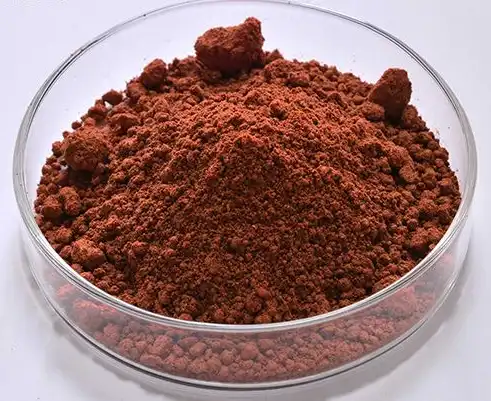
Consumer Demand Shifts Driving Product Innovation
More people are learning about mitochondrial health and how cells age, which means that supplements can be sold to more people than just supplement buyers. Educational content strategies that explain scientific processes in language that is easy to understand boost brand authority and purchase confidence. As personalized nutrition becomes more popular, it becomes possible to make formulas that are specific to each person's genetics and biomarker profiles. The redox cofactor is an important part of many of these protocols. People who want clean labels and natural products love fermentation-derived ingredients, which give them marketing advantages over synthetic alternatives. When brands can successfully talk about where their active compounds come from naturally and how they are structured, they can charge higher prices and keep customers coming back. Quality-focused brands stand out in markets that are getting more and more crowded by being open about their sourcing, testing, and manufacturing processes.
Conclusion
In conclusion, PQQ Powder is very useful in a lot of different ways, such as in functional drinks, nutritional supplements, sports nutrition, and cosmetics. Because of its unique mitochondrial biogenesis mechanism, long-lasting redox cycling ability, and well-known safety profile, it is a popular ingredient for brands that want to stand out in crowded markets. To make a good formulation, you need to think about stability, the right way to deliver the product, and combining ingredients in a way that works well together. Carefully choosing suppliers based on quality certifications, production capacity, and regulatory compliance ensures that the finished product always works well and makes it easier to get to markets around the world. This ingredient is likely to continue to grow in popularity as more research is done on it and more people learn about how cells use energy. When business-to-business buyers build trusting relationships with suppliers and invest in technical formulation expertise, they can take advantage of new opportunities across a wide range of product categories and demographic groups. Strategic approaches to purchasing that balance the need for quality with the need to save money allow companies to stay competitive while keeping the quality of the ingredients that make customers happy and encourage them to buy again.
FAQ
1. What is the optimal dosage range for products containing this ingredient?
Researchers have found that taking between 10 and 20 milligrams of it every day can help your brain and mitochondria. Toxicology studies have also shown that doses up to 60 milligrams are safe. Finished product formulations usually have 20 milligrams per serving, which is a good balance between cost and evidence of effectiveness. Higher amounts are sometimes used in sports nutrition, but new research shows that the benefits stop at 40 milligrams.
2. How does this compound differ from Coenzyme Q10 in formulations?
Both help the mitochondria do their job, but they do it in different ways. CoQ10 improves the efficiency of the electron transport chain in mitochondria that are already there. This redox cofactor also helps the formation of new mitochondria by activating genetic pathways. Combination formulas use these actions that work well together, with CoQ10 improving quality and the cofactor increasing the number of cellular powerhouses.
3. Can this ingredient maintain stability in liquid formulations?
The disodium salt form dissolves easily in water and stays stable at pH levels ranging from neutral to slightly acidic. The potency stays the same for 12 to 18 months, which is the normal shelf life. The right packaging materials protect against long-term UV exposure. When the formulation pH stays between 5.5 and 7.0, there is little degradation, as shown by accelerated stability testing at high temperatures.
4. What synergistic ingredient combinations enhance the effectiveness?
Phosphatidylserine and DHA Omega-3s work together to improve cognitive health by supporting neuronal membranes better. Creatine monohydrate is a powerful supplement for athletes because it meets both short-term energy needs and long-term mitochondrial capacity. B-complex vitamins help the bigger energy metabolism pathways that this cofactor turns on, making full energy formulas for cells.
Partner with Angelbio for Premium PQQ Powder Supply
Angelbio provides Pyrroloquinoline Quinone Disodium Salt that is of a pharmaceutical grade. They also offer full-quality documentation and technical formulation support. The ingredient we get from fermentation is made in a way that meets international standards and comes with all the paperwork needed to comply with regulations in North America, Europe, the Asia-Pacific region, and PQQ Powder. Through our partnership with Xi'an Jiaotong University's Institute of Life and Health Research, we have over 18 years of research and development experience. We can help your product development teams with more than just ingredients.
Our consistent quality from batch to batch, which is checked by third-party testing and full traceability systems, makes sure that your finished products live up to what they say on the label and meet customer expectations. Our technical team has a lot of experience with dietary supplements, functional beverages, cosmetics, and sports nutrition. They can help you with bulk wholesale orders or custom OEM formulation development. We know how hard it is to formulate this powerful redox cofactor and can help you find solutions that will speed up your time to market.
Get in touch with our team at angel@angelbiology.com to talk about your specific application needs, ask for technical data packages, or set up a sample evaluation. As a reliable PQQ Powder supplier, we're dedicated to helping you reach your innovation goals by providing a steady supply, offering competitive prices, and working with you to turn your ingredient ideas into successful commercial products.
References
1. Rucker R, Chowanadisai W, Nakano M. "Potential physiological importance of pyrroloquinoline quinone." Alternative Medicine Review. 2009;14(3):268-277.
2. Harris CB, Chowanadisai W, Mishchuk DO, et al. "Dietary pyrroloquinoline quinone alters indicators of inflammation and mitochondrial-related metabolism in human subjects." Journal of Nutritional Biochemistry. 2013;24(12):2076-2084.
3. Nakano M, Ubukata K, Yamamoto T, Yamaguchi H. "Effect of pyrroloquinoline quinone on brain damage and edema in rats after ischemia." Journal of Nutritional Science and Vitaminology. 2001;47(1):41-46.
4. Stites T, Storms D, Bauerly K, et al. "Pyrroloquinoline quinone modulates mitochondrial quantity and function in mice." Journal of Nutrition. 2006;136(2):390-396.
5. Chowanadisai W, Bauerly KA, Tchaparian E, et al. "Pyrroloquinoline quinone stimulates mitochondrial biogenesis through cAMP response element-binding protein phosphorylation and increased PGC-1alpha expression." Journal of Biological Chemistry. 2010;285(1):142-152.
6. Akagawa M, Nakano M, Ikemoto K. "Recent progress in studies on the health benefits of pyrroloquinoline quinone." Bioscience, Biotechnology, and Biochemistry. 2016;80(1):13-22.