



Rutin: A Flavonoid for Your Heart, Brain & Blood Health
Rutin Powder is a bioflavonoid that has great qualities for supporting the heart, brain, and circulatory system. It is one of the best ingredients you can find that gives real health benefits without any added chemicals. This natural substance, which is mostly found in buckwheat and the flower buds of Sophora japonica, strengthens blood vessel walls, lowers oxidative stress, and changes the way inflammation works. Because it can be used in supplements, functional foods, and cosmetics, it's a great choice for procurement teams looking for science-backed, clean-label ingredients that meet both customer needs and government standards.
Understanding Rutin Powder and Its Health Benefits
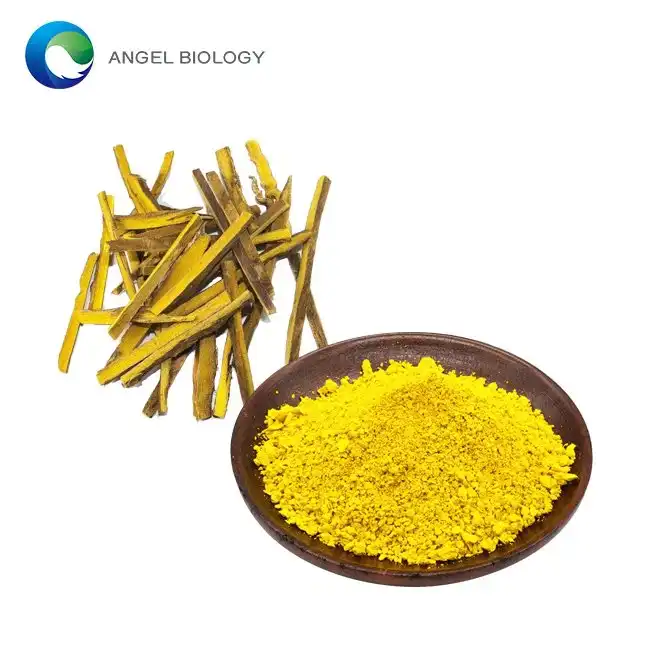
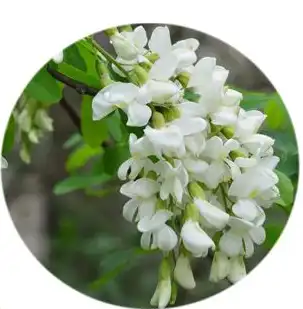
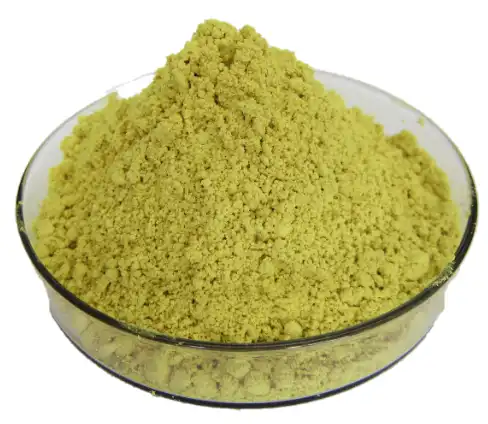
It is a quercetin glycoside (quercetin-3-O-rutinoside) and its chemical formula is C27H30O16. Citrus peels, buckwheat, apples, and the Japanese Pagoda Tree all contain rutin naturally. This solid golden-yellow substance has been studied a lot to find out how it helps keep blood vessels healthy and boosts antioxidant defences.
Chemical Nature and Bioavailability
This chemical is made up of quercetin attached to the disaccharide rutinose, which changes how it is absorbed. When rutin is eaten, gut bacteria break it down into quercetin and rutinose. This lets the aglycone work on the whole body. When tested with HPLC, high-purity grades that meet NF11, EP, or USP standards have at least 95% assay values. This means that the bioactivity of finished goods can be predicted.
When it comes to doses and formulation, powder forms are more flexible, while encapsulated forms are easier to use and more stable when stored. The powder doesn't dissolve well in water (about 0.125 g/L), so it needs to be micronized or co-solvency methods are used when it's added to liquid supplements or drinks. However, it dissolves easily in alkaline solutions and boiling water.
Cardiovascular Support Mechanisms
Several routes show that rutin has amazing effects on the way the heart works. It makes endothelial cell junctions stronger, which makes capillaries less likely to break. This helps keep blood pressure at a safe level. Researchers have found that this vitamin stops platelets from sticking together. This helps blood flow and lowers the risk of clots forming.
The substance also widens blood vessels by encouraging the production of nitric oxide in their inner surfaces. This system helps improve blood flow and oxygen supply all over the body. Antioxidants protect LDL cholesterol from oxidation even more, which is a key part of keeping arteries healthy.
Neuroprotective and Cognitive Benefits
New studies show that Rutin Powder may be good for brain health because it can get into the brain from the blood. Free radicals can damage neural tissues, but this substance's antioxidant qualities protect against this damage that builds up with age. The chemical changes the levels of inflammatory proteins in the brain and spinal cord, which helps the brain work well.
Researchers think that rutin may help with memory and learning by keeping neurons safe from excitotoxicity and encouraging synaptic plasticity. Its neuroprotective properties make it a desirable ingredient for brain support products aimed at older people or people who want to clear their minds.
Blood Health and Immune Modulation
In addition to helping the heart and brain, rutin also helps the health of your blood by reducing inflammation. Stopping the action of the COX-2 enzyme lowers the production of prostaglandins that cause inflammation without the stomach problems that come with synthetic alternatives. It is useful for formulas that deal with chronic inflammatory reactions because of this property.
Bioflavonoid also helps keep the immune system in balance by producing the right amount of cytokines and making the body's natural defences stronger. When Rutin Powder is mixed with vitamin C in synergistic blends, it stops ascorbic acid from oxidizing in the digestive system. This makes better use of all nutrients.
Safe Dosage Considerations
Supplement doses are usually between 250 mg and 500 mg per day, but exact amounts depend on the purpose and group being treated. For topical antioxidant protection, pharmaceutical-grade products for venous insufficiency may have higher concentrations, while cosmetic formulations use smaller percentages.
Procurement workers should make sure that suppliers give clear dosage instructions and stability data. This will make sure that the product stays effective throughout its shelf life. When kept in light-resistant packaging, high-quality material keeps its test values for 24 to 36 months under controlled conditions.
Comparing Rutin Powder with Other Supplements for Optimal Procurement Decisions
Figuring out how rutin stacks up against other compounds in the same family helps formulators choose ingredients that fit the goals and setting of a product.
Rutin vs. Quercetin: Complementary Roles
Although quercetin is rutin's aglycone form, their biological functions are slightly different because of differences in their structures. As a single ingredient, quercetin is more bioavailable, which means it is absorbed faster and has antioxidant benefits right away. But rutin releases quercetin more slowly and steadily as gut bacteria slowly change it into quercetin.
When you mix these two chemicals in one formula, you get benefits right away and over time. This is appealing to people who want complete antioxidant support. When purchasing these flavonoids, procurement teams should think about the particle size distribution and purity profiles to make sure that the flavonoids are mixed evenly and dissolve at the same rate every time.
Hesperidin and Vitamin C Synergies
Another bioflavonoid that comes from citrus fruits is hesperidin. It has a structure that is similar to rutin's but focuses more on microcirculation and lymphatic flow. When put together, these substances protect the arteries in ways that work well with each other, taking care of different parts of circulatory health.
Vitamin C partnerships should get extra care. By blocking reactive agents in water, Rutin Powder keeps ascorbic acid from breaking down. This makes vitamin C last longer in supplements. This interaction makes immune-boosting formulas better and makes goods better than those with only one ingredient.
Organic vs. Synthetic Production Methods
When you naturally remove rutin from the flower buds of the Sophora japonica plant, you get organic rutin with full phytochemical profiles and trace co-factors that may increase bioactivity. This method of sourcing fits with the move toward clean labels and appeals to people who want to use plant-based ingredients.
While synthetic production is cheaper and more uniform from batch to batch, it might not have all the benefits that plant extracts do. Different regulations have different requirements. For example, organic labels need proof of a clear supply chain, while synthetic grades focus on meeting pharmacopoeial purity standards.
Evaluating GMP and COA Certifications
Good Manufacturing Practice certification makes sure that factories keep up with quality management systems, tested processes, and controls for contamination. ISO 9001 and GMP certifications show that a supplier is good at running their business and knows how to follow regulations in all foreign markets.
Assay values, heavy metal content, microbial counts, and residual solvent amounts are given for each batch in a Certificate of Analysis. The highest quality providers keep the amount of quercetin in their products to less than 4% and the amount of methanol residues to less than 3000 parts per million. This keeps the formulations stable and protects the consumers.
Powder vs. Capsule Formulations
When you buy powder in bulk, you can customise the dose and put it into a lot of different delivery forms, like tablets, sachets, and functional drinks. Because it is photosensitive and absorbs water, it needs to be handled carefully and stored in a way that keeps the moisture level low.
While pre-encapsulated products make it easier to make other goods, they make it harder to change the dosage. The types of capsule materials (gelatin vs. veggie options) also affect how well they absorb water and stay stable on the shelf. Procurement teams have to think about these things based on the preferences of the target market and the weather conditions during distribution.
Strategic Procurement of Rutin Powder for B2B Clients
Finding a good Rutin Powder extract source requires paying attention to things like supplier reliability, pricing, and logistics, all of which affect the consistency of the product and the dependability of the supply chain.
Supplier Evaluation and Certification Standards
Reputable makers give a lot of paperwork, like pharmacopoeial compliance certificates (NF11, DAB10, EP), test results from a third party, and allergen statements. Being open about the methods used for extraction, like water-ethanol or chemical processes, helps figure out what contaminants might still be present and how they might affect the environment.
International groups like NSF or Informed-Choice audit reports add another level of trustworthiness, especially for sports nutrition brands that need to screen for banned substances. Suppliers with their own analysis labs that are equipped with HPLC, UV spectrophotometry, and mass spectrometry show that they are technically advanced and can keep an eye on quality.
Pricing Benchmarks and Volume Considerations
Market prices change based on levels of purity, yields from extraction, and the supply of raw materials. Premium 98% grades or specialised water-soluble products are usually priced differently from standard 95% assay powder. Tiered pricing systems are often opened up by commitments to buy a lot of something. At the 500 kg mark, prices drop by a lot.
Buyers should ask for thorough quotes that break down the costs of the raw materials, packaging, paperwork, and shipping. Understanding these parts makes it easier to negotiate and plan budgets for multiple production processes.
Sourcing Channels and Direct Manufacturer Advantages
Distributors are convenient and require smaller minimum orders, which makes them good for test runs or trying the market in a small area. But working directly with manufacturers gives you more ways to customise, better technical help, and lower prices that make you more competitive in the long run.
Comparing suppliers is possible on online business-to-business (B2B) sites, but credentials and product authenticity must be carefully checked. Before placing a bigger order, video tours of the factory and reviews of samples can help build trust. This is especially important when forming new supply partnerships across international borders.
Private Label and OEM Opportunities
Suppliers that offer private label services let sellers create their own formulas without having to invest in expensive production equipment. Usually, these partnerships include help with label design, stability testing, formulation advice, and package solutions that match the brand's image.
OEM agreements give partners even more freedom because they can choose the exact blend ratios, particle sizes, and packaging forms. These collaborative methods cut down on the time it takes to get a product to market while still meeting quality standards and regulations in multiple places.
Logistics and Storage Best Practices
Climate-controlled containers are needed for bulk shipping to keep them from absorbing moisture and losing heat while they're in transit. If you package things properly in food-grade, light-resistant bags and flush them with nitrogen, they will last longer and keep their assay values throughout the delivery network.
Warehouses should keep temperatures below 25°C and relative humidity below 60% as soon as materials are received. They should also keep materials out of direct sunlight and away from strong smells. Regular testing of kept samples helps find any quality drift before the goods reach end users and confirms that the stability is still there.
Sample Request Procedures
Responsible sellers offer free samples (usually 50–200 grams) with the necessary COA paperwork, which allows for formulation trials and testing for compatibility. To make sure that the materials you receive are a good representation of the production batches, sample orders should include details about the assay levels you want, the particle size you need, and any other processing needs.
As part of the evaluation process, the solubility, colour stability under different pH levels, and compatibility with other recipe ingredients should all be looked at. This careful research keeps expensive re-formulations and production delays from happening after large purchases have been made.
Practical Applications of Rutin Powder in B2B Markets
Because this bioflavonoid is so flexible, it can be used in a wide range of formulations. This is because each business has its own technical needs and market opportunities.
Nutritional Supplements and Nutraceuticals
Vascular health products use rutin as a main ingredient, and cardiovascular support formulas are the biggest use group. Most formulations include 250–500 mg per dose along with compounds that work well together, such as horse chestnut extract and diosmin, to help people with circulatory problems.
Rutin is being added to more and more cognitive support blends along with phosphatidylserine, Ginkgo biloba, and B vitamins. This puts the products at the intersection of antioxidant defence and brain function. People who are getting older and want to take charge of their brain health will like these recipes.
Immune-boosting goods use rutin and vitamin C together because they work better together, which is why they deserve to be priced higher. Sports nutrition companies use their anti-inflammatory qualities in recovery formulas to help with oxidative stress after exercise and to make joints feel better.
Cosmetic and Personal Care Formulations
The anti-aging and UV-protective properties of rutin are used in skin care products, with concentrations usually running from 0.5% to 2.0% in serums and creams. The chemical keeps collagen structures stable, lowers skin sensitivity caused by inflammation, and protects against external stressors as an antioxidant.
Microencapsulation technologies solve problems with stability in water emulsions, keeping products from oxidising and changing colour while they're on the shelf. These high-tech delivery systems keep working while meeting customer demands for clean, aesthetically pleasing formulations.
The capillary-strengthening effects of rutin make under-eye treatments work better by lowering the look of dark circles caused by blood pooling under thin skin. Combining it with niacinamide and centella asiatica in anti-redness products helps sensitive skin that is prone to reactions.
Functional Food and Beverage Integration
Fortified drinks can be hard to make because Rutin Powder doesn't mix well with water. This problem can be solved by combining rutin with cyclodextrins or changing it into a form that mixes with water. The biological activity is kept in these changed forms, and the clarity and steadiness that people expect from functional drinks are also achieved.
Energy bars and nutritional pouches use rutin powder because it stays stable in dry forms and mixes well with natural sweeteners, protein blends, and fibre sources. Because the substance has a mild taste, it doesn't interfere with other flavours, which makes sensory optimisation easier.
Chewable forms for kids' goods need ways to hide tastes and smaller particles to keep them from being gritty. Co-processing with natural flavours and texturizers makes the product more enjoyable to eat while also providing important vitamin benefits.
Pharmaceutical-Grade Applications
Standardised plant extracts used in medicine need strict quality control and adherence to pharmacopoeial standards. Rutin is used as a marker chemical in traditional Chinese medicine and as an active pharmaceutical ingredient in treatments for venous insufficiency in both Europe and Asia.
For pharmaceutical formulations to work, they need to use approved analytical methods, do stability studies according to ICH standards, and do full impurity profiling. Suppliers who work with this group keep separate production lines, trained personnel oversight, and information about how regulatory requirements are changing for pharmacopoeial requirements.
Custom Blend Development and Innovation
Working together with skilled suppliers can lead to new formulations that meet new market needs. Putting rutin together with new ingredients like dihydromyricetin or specific Panax notoginseng extracts makes goods that are different and have their own selling points.
The technical support teams can make sure that the particle sizes are spread out in the best way for each delivery system. They can also make grades that dissolve easily in water for use in drinks, or they can make sustained-release matrices that make the drugs more bioavailable over time. When there are a lot of competitors, these new ideas help you stand out and charge more.
Conclusion
For brands looking for natural, research-backed ingredients that help with a lot of different health issues, rutin extract is a great option. Its benefits for the heart, brain, and antioxidants are in line with what people want when it comes to their health, and its many formulation choices make it suitable for a wide range of products, from supplements to cosmetics. A successful procurement process relies on carefully evaluating suppliers, paying attention to quality certifications, and building strategic partnerships that make sure materials are always available and technical support is provided during product development cycles.
FAQ
Q1: What is the recommended daily intake of this bioflavonoid?
Standard supplemental dosages range from 250 to 500 mg daily, though specific amounts depend on the intended health application and individual needs. Pharmaceutical preparations for vascular concerns may contain higher concentrations under professional guidance. Always verify that finished products provide clear serving size information and comply with regional dietary supplement regulations.
Q2: How does rutin compare with synthetic antioxidants?
Natural bioflavonoids offer multi-pathway benefits beyond simple free radical neutralization. Unlike single-mechanism synthetic compounds, plant-derived rutin modulates inflammatory enzymes, supports vascular integrity, and works synergistically with other phytonutrients. This complexity creates broader biological effects and aligns with clean-label consumer preferences, though synthetic alternatives may provide cost advantages in price-sensitive market segments.
Q3: Which certifications guarantee ingredient authenticity?
GMP certification ensures production facility compliance with quality systems and contamination controls. ISO 9001 demonstrates organizational quality management capabilities. Certificates of Analysis provide batch-specific testing data on purity, heavy metals, microbiological content, and residual solvents. Pharmacopoeial compliance (NF11, EP, USP) verifies that the material meets internationally recognized standards. Third-party testing from independent laboratories adds another verification layer, particularly valuable for brands requiring additional quality assurance.
Partner with Angelbio for Premium Rutin Powder Supply
Angelbio combines 18 years of botanical extract expertise with cutting-edge analytical capabilities to deliver pharmaceutical-grade Rutin Powder that meets the most demanding formulation requirements. Our vertically integrated supply chain—from raw material sourcing through final testing—ensures batch-to-batch consistency and complete traceability. As a trusted rutin powder manufacturer, we support nutraceutical brands, cosmetic formulators, and functional food developers with comprehensive technical documentation, custom particle size specifications, and flexible packaging solutions. Connect with our team at angel@angelbiology.com to request samples, discuss private label opportunities, or explore how our quality-focused approach can strengthen your product pipeline.
References
1. Ganeshpurkar, A., & Saluja, A. K. (2017). "The Pharmacological Potential of Rutin." Saudi Pharmaceutical Journal, 25(2), 149-164.
2. Shen, M., et al. (2016). "Protective Effect of Rutin on Vascular Endothelial Cells through the COX-2/PGE2 Signaling Pathway." Experimental and Therapeutic Medicine, 12(3), 1375-1380.
3. Enogieru, A. B., et al. (2018). "Rutin as a Potent Antioxidant: Implications for Neurodegenerative Disorders." Oxidative Medicine and Cellular Longevity, Volume 2018, Article ID 6241017.
4. Jovanovski, E., et al. (2015). "Effect of Buckwheat-Enriched Extract on Blood Pressure in Adults with Prehypertension." Journal of Human Hypertension, 29(10), 583-589.
5. Choi, J. H., et al. (2019). "Rutin from Sophora japonica Inhibits Photoaging via Regulation of Matrix Metalloproteinase-1 Expression." Photochemistry and Photobiology, 95(2), 619-625.
6. Xu, P., et al. (2021). "Pharmacokinetics and Bioavailability of Rutin and Quercetin in Rats." Journal of Agricultural and Food Chemistry, 69(15), 4454-4464.