



PQQ vs CoQ10: Which Ingredient Fits Cognition and Energy Formulas?
When formulating supplements positioned around cognitive health and sustained energy, selecting the right ingredient often influences market success. Between PQQ Powder (Pyrroloquinoline Quinone) and Coenzyme Q10 (CoQ10), both redox-active compounds offer distinct biochemical advantages, yet they operate through different cellular pathways. PQQ is being investigated for its role in mitochondrial biogenesis—the formation of new mitochondria—while CoQ10 supports electron transport and energy production within existing mitochondria. For nutraceutical brands developing cognitive-health, sports nutrition, or healthy-aging formulations, understanding these mechanistic differences can translate into clearer product positioning, stronger scientific communication, and more differentiated market opportunities.
Introduction
Pyrroloquinoline Quinone and Coenzyme Q10 are two important components of current mitochondrial-health research. They are associated with cellular energy metabolism through different but complementary mechanisms. The nutrition business is becoming more aware that choosing the right ingredients is key to not only developing well-positioned products, but also following regulations, maintaining a reliable supply chain, and building trust with customers. When navigating global markets, R&D leaders, formulation managers, and procurement teams have to decide which of these cofactors to use and how they may complement one another across areas such as scientific evidence, formulation stability, and finished-product positioning (Chowanadisai et al., 2010).
This study clarifies the biochemical differences, formulation benefits, procurement considerations, and market-positioning factors needed to make an informed choice. Understanding PQQ and CoQ10 at the molecular level helps brands develop differentiated formulations while aligning with clean-label and science-driven ingredient trends that consumers in North America and other markets increasingly recognize. This is relevant whether brands are developing nootropic-positioned products, cardiovascular-oriented supplements, or sports nutrition and recovery formulas.
Understanding PQQ and CoQ10: Core Properties and Mechanisms
Chemical Nature and Production Methods
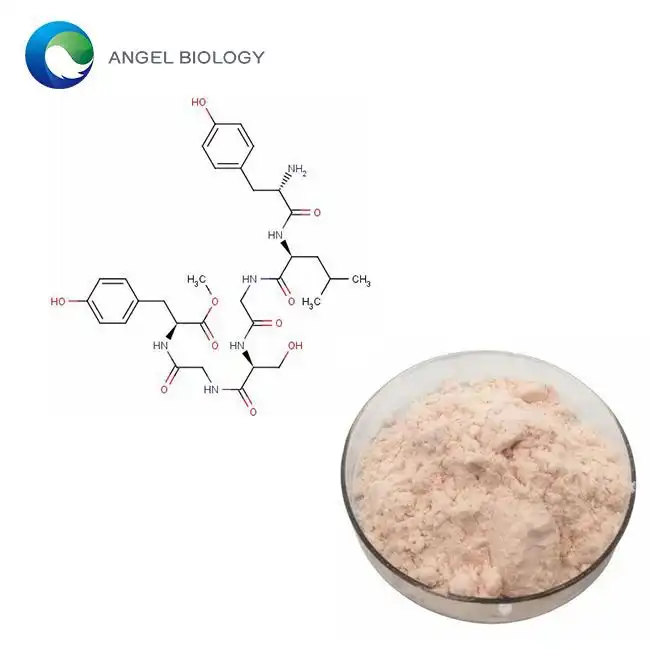
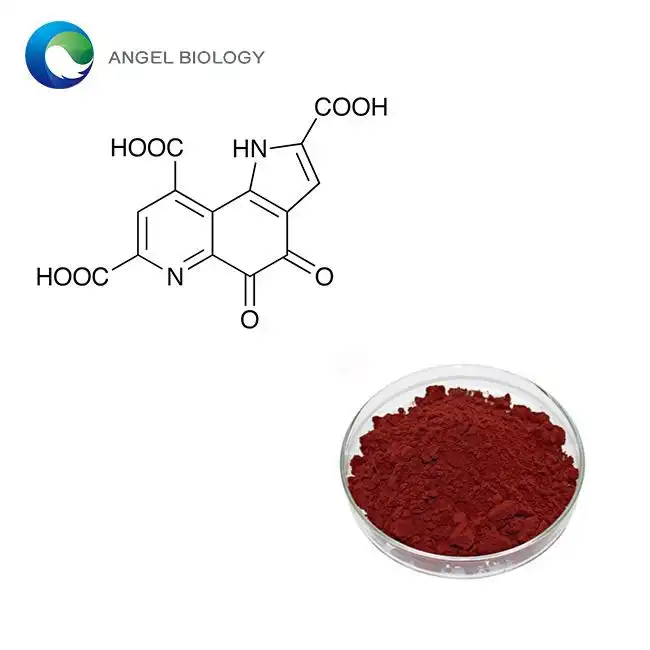
PQQ Powder is a redox-active compound that is distinct from conventional B vitamins. It is composed of C14H4N2Na2O8 in its stable disodium salt form and is generally produced as a defined chemical ingredient. Commercial manufacturing can rely on bacterial fermentation, including microorganisms such as Hyphomicrobium denitrificans, to achieve consistent composition and high purity. According to Rucker et al. (2009), fermentation-based production provides an established approach for ingredient manufacturing and supply consistency. Regulatory status and documentation, however, should be evaluated separately for each market and intended application.
There are two distinct forms of CoQ10 that can interconvert: ubiquinone, which is oxidized, and ubiquinol, which is reduced. Chemical synthesis and fermentation-based production are both used commercially, with fermentation increasingly considered by brands seeking controlled manufacturing and consistent quality. When comparing different forms, molecular and formulation characteristics can influence bioavailability. Ubiquinol is often selected for formulations where enhanced absorption is a development priority, although product performance depends on the specific formulation, dosage, and target population.
Biochemical Mechanisms Supporting Cognition and Energy
PQQ functions as a redox-active compound and has demonstrated antioxidant-related activity in experimental research. It has also been investigated for its effects on CREB and PGC-1α-related signaling, pathways associated with mitochondrial biogenesis and cellular adaptation. These mechanisms provide a scientific basis for positioning PQQ in formulations focused on mitochondrial health, cellular energy metabolism, and cognitive-health support without implying that it treats or reverses age-related cognitive decline.
As an electron carrier in the respiratory chain, particularly between Complex I/II and Complex III, CoQ10 functions within the inner mitochondrial membrane. It plays an important role in normal cellular energy production, while its redox properties also contribute to antioxidant protection of cellular membranes. These mechanisms support the use of CoQ10 in formulations positioned around energy metabolism, cellular resilience, and healthy aging (Hernández-Camacho et al., 2018).
Key Physical and Technical Specifications
High-quality PQQ Powder typically appears as a solid, reddish-brown material that can absorb moisture and therefore requires careful handling during blending, packaging, and storage. Its water compatibility can make it suitable for selected liquid and solid formulations, but stability testing across relevant pH and processing conditions remains important for beverage and supplement applications. The disodium salt form provides a defined and relatively stable ingredient format suitable for standard manufacturing processes when appropriate formulation controls are applied.
The lipophilic nature of CoQ10 can make it more challenging to formulate in water-based systems. Particle-size reduction, emulsification, or delivery systems such as cyclodextrins may be considered to improve dispersion and formulation performance. Temperature, light, and oxygen exposure should also be controlled, particularly for ubiquinol, which can be more susceptible to oxidation during processing and storage.
Comparative Analysis: PQQ vs CoQ10 in Supplement Formulations
Cognitive Enhancement Profiles
Clinical and experimental research has investigated PQQ in relation to cognitive function, stress response, and mitochondrial-related pathways. Human studies have commonly evaluated intakes in the range of 10 to 20 mg per day, providing useful reference points for formulation development. However, evidence should be interpreted according to the study design and population rather than presented as proof of a therapeutic cognitive effect. This makes PQQ relevant to nootropic-positioned formulas designed to support cognitive wellness, mental performance, and healthy aging.
CoQ10 has also been studied in relation to cellular energy metabolism and oxidative balance, including research relevant to neurological and aging-related applications. Doses between 100 mg and 300 mg per day may be considered in certain product-development contexts, depending on the formulation goals and target population. The ubiquinol form is often selected when absorption is a key formulation consideration, while the broader evidence base supports CoQ10 as an established ingredient for cellular-energy and healthy-aging positioning.
Energy Metabolism and Physical Performance
The distinction between supporting mitochondrial biogenesis-related pathways (PQQ) and supporting electron transport within existing mitochondria (CoQ10) provides a useful framework for energy-focused formulation development. PQQ-related signaling has been investigated in connection with mitochondrial quantity and cellular adaptation. This makes it relevant for formulations positioned around long-term cellular energy metabolism and mitochondrial wellness rather than claims of treating fatigue or correcting a medical energy deficiency.
Through its role in maintaining electron transfer within the respiratory chain, CoQ10 supports normal mitochondrial energy metabolism. This mechanism makes it relevant to products positioned around everyday energy, physical performance, and recovery support. Sports nutrition brands may combine CoQ10 with ingredients such as carnitine or creatine depending on their formulation objectives. In contrast, PQQ can be incorporated into broader mitochondrial-health and healthy-aging concepts where a differentiated mechanism is desirable.
Safety Considerations and Regulatory Status
Available research indicates that both ingredients have been investigated for safety and tolerability at studied intake levels. PQQ has been the subject of regulatory review and notifications in certain markets, but regulatory status varies according to jurisdiction, ingredient form, dosage, and intended use. Product developers should verify the applicable regulatory documentation before making market-specific claims. For CoQ10, extensive use and research history provide a substantial basis for formulation consideration, but finished products should still be developed according to applicable safety and labeling requirements. Combination approaches may be technically feasible, yet product-specific stability, compatibility, and regulatory assessments remain necessary before commercialization.
Market Insights and Procurement Guide for PQQ and CoQ10 Ingredients
Quality Certifications and Supplier Verification
Purchasing teams should give greater weight to suppliers that can provide GMP-related documentation, third-party purity testing, and complete Certificates of Analysis. For PQQ sourcing, confirming the manufacturing route, ingredient identity, purity, residual solvents, heavy metals, microbiological specifications, and applicable regulatory documentation helps reduce supply-chain and formulation risks. Stability testing is also useful for identifying moisture-related or processing-related quality changes before large-scale production.
When buying CoQ10, teams should pay close attention to the form specification (ubiquinone vs. ubiquinol), particle-size distribution, assay, oxidation-control measures, and formulation compatibility. Japanese manufacturers have historically played an important role in the premium CoQ10 market, while suppliers in Europe, North America, and other regions also offer competitive manufacturing options. Procurement decisions should be based on verified specifications, documentation, consistency, and supply reliability rather than geographic origin alone.
Sourcing Options and Pricing Dynamics
Bulk ingredient suppliers commonly establish minimum order quantities for PQQ Powder according to production economics and quality-control requirements. The price varies depending on purity, manufacturing route, certification requirements, packaging, and order volume. Private-label partnerships may allow smaller brands to access standardized ingredients with more flexible purchasing arrangements, although customization and technical-support options can differ between suppliers.
Prices for Coenzyme Q10 vary according to the form, purity, particle size, and delivery technology. Ubiquinol generally carries a higher cost than standard ubiquinone, partly because of its form and formulation requirements. Procurement teams should evaluate the additional cost against the intended formulation positioning and delivery objectives rather than assuming that one form is universally superior. Annual contracts or volume agreements may help stabilize pricing and supply for established product lines.
Packaging and Formulation Stability
Packaging requirements differ considerably between these ingredients. Because PQQ can absorb moisture, it should be packed in appropriate moisture-barrier materials and stored under controlled conditions. For finished products, protective packaging can help maintain ingredient quality throughout the intended shelf life. Moisture-control specifications identified during accelerated stability studies should be incorporated into manufacturing and packaging decisions.
For ubiquinol forms of CoQ10, protection from light and oxygen is particularly important. Suitable packaging, controlled headspace conditions, and appropriate antioxidant strategies may be considered to limit oxidation. These packaging requirements can affect formulation costs and should therefore be included when procurement teams compare suppliers and evaluate total product-development expenses.
Making the Right Choice: When to Use PQQ, CoQ10, or a Synergistic Blend
Matching Ingredients to Market Segments
PQQ's association with mitochondrial biogenesis-related signaling makes it useful for cognitive-health, mitochondrial-wellness, and healthy-aging formulations. The ingredient fits science-driven and clean-label positioning while providing a differentiated mechanism for nootropic-oriented products. PQQ may also be considered in sports nutrition concepts focused on cellular energy metabolism and recovery support, provided that product claims remain consistent with the available evidence and applicable regulations.
CoQ10 remains a widely recognized ingredient for formulations focused on cellular energy and cardiovascular-oriented wellness. Its long research history and established use profile can support healthy-aging and energy-metabolism positioning. Because CoQ10 is available in multiple forms and can be incorporated into both dietary supplements and selected cosmetic applications, it offers flexibility for companies developing products across different categories.
Synergistic Combination Strategies
New formulation strategies may use both PQQ and CoQ10 to address complementary aspects of mitochondrial function, with PQQ associated with mitochondrial biogenesis-related pathways and CoQ10 supporting electron transport and energy metabolism. Ratios such as 1:5 to 1:10 (PQQ) may be explored during formulation development, but there is no universal ratio that applies to every product. The appropriate level should be determined through formulation objectives, available evidence, target population, regulatory requirements, and cost considerations.
Brands pursuing a combination approach should conduct stability and compatibility testing to ensure that both ingredients remain within specification throughout the intended shelf life. Delivery-system selection should also consider the different physical properties of the two ingredients. For example, lipid-based delivery technologies may improve the formulation performance of lipophilic CoQ10, while PQQ may require different processing considerations. For brands targeting scientifically informed consumers, a well-supported ingredient combination can provide a differentiated formulation story without relying on unsupported efficacy claims.
Conclusion
The choice between PQQ Powder and CoQ10 depends on the formulation objectives, target audience, delivery format, and intended supplement positioning. PQQ is particularly relevant to concepts involving mitochondrial biogenesis-related mechanisms, cognitive-health positioning, and differentiated cellular-energy science. CoQ10, meanwhile, has an extensive research history and established role in normal mitochondrial energy metabolism, making it suitable for energy, cardiovascular-oriented wellness, and healthy-aging formulations. A combination approach may offer complementary mechanisms, but the final formulation should be supported by appropriate stability, safety, dosage, and regulatory evaluation. For procurement teams, supplier certifications, ingredient specifications, stability characteristics, documentation, and target-market compliance remain essential considerations. When brands conduct appropriate due diligence before selecting ingredients and building supplier partnerships, they can strengthen formulation reliability, regulatory confidence, and long-term market positioning in an increasingly competitive nutraceutical landscape.

FAQ
1. What is the recommended dosage of PQQ Powder in cognitive formulations?
10–20 mg of PQQ per day has been investigated in human studies and can serve as a reference range for certain formulation concepts. When establishing dosage guidelines, formulation teams should consider the target population, ingredient combination, intended use, available clinical evidence, and regulatory requirements. High-purity grades also allow precise dosing at relatively low inclusion levels, which can support efficient capsule and tablet formulation.
2. Can PQQ and CoQ10 be safely combined in a single formulation?
PQQ and CoQ10 have been investigated separately and in combination, and their complementary biochemical roles make them of interest for mitochondrial-health formulations. However, the suitability of a combination depends on dosage, formulation format, target population, and applicable regulations. Stability testing is still needed to confirm that both ingredients remain within specification, particularly when managing moisture exposure for PQQ and oxidation risk for CoQ10 throughout shelf life.
3. How can procurement teams verify supplier authenticity and quality?
Ask for complete Certificates of Analysis covering identity, assay or purity, heavy metals, microbiological specifications, residual solvents where applicable, and other product-specific parameters. Verify supplier quality certifications and regulatory documentation through appropriate channels, and consider pre-purchase sample testing before committing to larger volumes. Established suppliers should be able to provide documentation supporting ingredient identity, manufacturing specifications, and regulatory status in the intended target markets.
Partner with Angelbio for Premium PQQ Powder Supply
Angelbio has been conducting independent research and development for 18 years and uses controlled fermentation technology to manufacture top grade PQQ Powder for demanding ingredient applications. As a joint effort between Angel Holding Group and the Institute of Life and Health Research at Xi'an Jiaotong University, we understand the importance of combining scientific development, reliable supply chains, and regulatory requirements in B2B ingredient partnerships. Our PQQ Powder is produced through controlled bacterial fermentation and is offered at ≥99% purity. We provide supporting quality and regulatory documentation for applicable markets, helping procurement managers and formulation scientists evaluate ingredient suitability with greater confidence. Our technical support services, including stability guidance, application assistance, and customized testing protocols, can help streamline product development. You can email angel@angelbiology.com to request samples, discuss bulk supply agreements, or explore private-label opportunities. Discover how Angelbio supports nutraceutical brands seeking consistent PQQ Powder quality, dependable supply, and documentation for formulation development.
References
- Chowanadisai, W., Bauerly, K. A., Tchaparian, E., Wong, A., Cortopassi, G. A., & Rucker, R. B. (2010). Pyrroloquinoline quinone stimulates mitochondrial biogenesis through cAMP response element-binding protein phosphorylation and increased PGC-1α expression. Journal of Biological Chemistry, 285(1), 142-152.
- Hernández-Camacho, J. D., Bernier, M., López-Lluch, G., & Navas, P. (2018). Coenzyme Q10 supplementation in aging and disease. Frontiers in Physiology, 9, 44.
- Nakano, M., Yamamoto, T., Okamura, H., Tsuda, A., & Kowatari, Y. (2009). Effects of oral supplementation with pyrroloquinoline quinone on stress, fatigue, and sleep. Functional Foods in Health and Disease, 2(8), 307-324.
- Stites, T., Storms, D., Bauerly, K., Mah, J., Harris, C., Fascetti, A., Rogers, Q., Tchaparian, E., Satre, M., & Rucker, R. B. (2006). Pyrroloquinoline quinone modulates mitochondrial quantity and function in mice. Journal of Nutrition, 136(2), 390-396.
- Zhu, B. Q., Simonis, U., Cecchini, G., Zhou, H. Z., Li, L., Teerlink, J. R., & Karliner, J. S. (2006). Comparison of pyrroloquinoline quinone and/or metoprolol on myocardial infarct size and mitochondrial damage in a rat model of ischemia/reperfusion injury. Journal of Cardiovascular Pharmacology and Therapeutics, 11(2), 119-128.