



How to Choose High-Quality Ginger Extract Powder
Selecting the right Ginger Extract Powder involves evaluating standardization of bioactive compounds, verifying supplier certifications, and ensuring extraction methods preserve gingerol content while meeting industry-specific safety and regulatory standards. High-quality botanical extracts require transparent documentation, consistent batch testing, and alignment with your formulation requirements to deliver reliable formulation performance and support brand differentiation in competitive markets.
Introduction
Ginger extracts are at the top of many businesses because of the high demand for plant ingredients around the world. This concentrated ingredient comes from the rhizomes of Zingiber officinale and has well-characterized phytochemical compounds that offer advantages over raw materials for standardized formulations. B2B buying teams are under more and more pressure to find items that meet strict quality standards, support new product development, and follow all the relevant requirements.
People who work in procurement for nutraceuticals, cosmetics, functional foods, and other ingredient applications need sources who know how to extract, standardize, and improve quality. This guide talks about the important choices that affect the results of sourcing, such as chemical profiling and supplier screening. Formulation managers, R&D directors, and purchasing teams can make strategic decisions that improve product consistency and keep the supply chain transparent when they understand these factors.


Understanding Ginger Extract Powder: Definition and Benefits
What Makes This Ingredient Different
Ginger Extract Powder is a botanical extract that has been highly concentrated using established extraction methods. Extracts are different from fresh ginger root or simple ground powders because they go through a process that separates and standardizes the characteristic components, mostly gingerols, shogaols, and other antioxidant compounds. This standardization addresses one of the biggest challenges in sourcing natural ingredients: the fact that their composition can vary.
Most of the time, supercritical CO2, ethanol, or hot water is used in the extraction process to remove unwanted fibers and concentrate selected compounds. This creates an ingredient that is easier to measure, more consistent in specification, and more predictable for formulation. Gingerol concentrations can be specified by manufacturers as running from 5% to 20%. This lets formulators calculate inclusion levels and work toward consistent specifications across production runs.
Industrial Advantages Across Applications
Three main formulation challenges are addressed by this focused form. The first one is related to agricultural raw materials, whose phytochemical profiles can vary because growing conditions and seasonal changes affect the composition. Standardized extracts reduce this uncertainty through defined testing and processing protocols.
The second benefit deals with formulation challenges. Raw ginger oleoresins can be difficult to disperse in water-based processes because of their physical properties. Modern water-dispersible versions may use microencapsulation or cyclodextrin complexation to improve dispersion, making them suitable for drinks, instant mixes, and liquid nutrition products. This technology expands the potential applications of ginger ingredients across different product formats.
The third benefit concerns processing stability. Ginger components can change under prolonged exposure to heat, moisture, and other processing conditions. Properly manufactured Ginger Extract Powders can be selected and tested for compatibility with normal food processing conditions. This makes them suitable for applications such as baked goods, protein bars, and meal replacement products where ingredient consistency is important.
Core Criteria for Evaluating Ginger Extract Powder Quality
Chemical Standardization and Active Compound Verification
Chemical profiling is the first step in judging quality. Gingerol amounts are commonly checked using high-performance liquid chromatography (HPLC), and commercial grades may be specified at different total gingerol levels according to the intended application. There should be specific information about the relevant gingerol components, such as 6-gingerol, 8-gingerol, and 10-gingerol, because their relative proportions contribute to the overall phytochemical profile. Shogaol content, which can increase during drying or processing, also needs to be monitored because it can influence the sensory characteristics of finished products.
There is no way around the fact that contaminants must be tested. Heavy metal levels (lead, arsenic, cadmium, and mercury) should comply with applicable legal limits and relevant standards, as shown on Certificates of Analysis (COAs). Screening for pesticide residues should use appropriate multi-residue methods covering compounds relevant to ginger cultivation. Microbial specifications, such as total plate count, yeast, mold, and other applicable microorganisms, need to match the intended uses, especially for food and health-related formulations.
Physical Properties and Manufacturing Standards
The success of a formulation is directly affected by its physical requirements. Particle distribution affects blending uniformity and encapsulation performance. Premium grades may be specified to pass defined mesh requirements, such as 80 mesh, to support smooth powder handling and even mixing in complex formulations. Bulk density, which can vary according to extraction and drying processes, affects container volume and the amount of material that can be incorporated into each dosage form.
A controlled moisture level helps reduce caking and moisture-related quality problems during storage. Consistent appearance, typically ranging from light yellow to dark yellow depending on the extraction process, can provide useful batch-to-batch quality information. Evaluation of aroma also helps assess whether the characteristic volatile components have been appropriately retained during processing.
Extraction Methods and Quality Implications
The quality of an ingredient is largely influenced by the technology used for extraction. Supercritical CO2 extraction can produce solvent-free extracts and may be selected when manufacturers want to concentrate certain lipophilic ginger components. Pricing can be higher for this method, but it may offer specific advantages for applications requiring a solvent-free extraction approach.
Ethanol extraction is a widely used option for concentrating gingerols and related compounds. It is important to test for residual solvents, with measured levels meeting applicable regulatory limits. Hot water extraction produces a different chemical profile and may extract more water-soluble components while producing a different gingerol concentration. Understanding these technical differences helps buyers select the extraction method that matches their formulation requirements.
Certifications for manufacturing help demonstrate that production standards are being managed. GMP (Good Manufacturing Practice) certification shows that production environments are controlled and quality systems are documented. Food safety management compliance may be demonstrated through ISO 22000 or FSSC 22000 certifications. Organic certifications (USDA Organic, EU Organic) may support clean-label positioning where applicable.
Comparing Market Options: How to Select the Right Supplier and Product
Supplier Due Diligence Framework
When looking at potential partners, you need to do a thorough evaluation of many factors. An audit of the manufacturing infrastructure shows production capacity, equipment capabilities, and the quality control resources available. Suppliers with in-house HPLC, GC-MS, or ICP-MS testing capabilities can provide greater control over routine quality verification, while qualified third-party laboratories can also provide independent analytical confirmation.
Documentation for regulatory compliance provides useful information about operational maturity. Suppliers that do business with international markets should maintain appropriate registrations and understand relevant trade requirements. Ask for evidence of experience supplying similar markets, including export documentation and quality records where appropriate.
Traceability tools distinguish highly organized providers from less transparent sources. Premium partners may provide farm-to-finished-product tracking, documenting where rhizomes come from, when they are harvested, how they are processed, and how they are supplied to customers. During quality inspections or regulatory reviews, this transparency can be highly valuable.
Product Format Selection and Formulation Compatibility
Different applications require different product formats. Standard extracts work well in softgels, capsules, and tablets where they can be measured, blended, or compressed. Water-soluble forms can be used in beverages, but they should be evaluated in laboratory trials to confirm dispersion and stability before commercial production. Oil-compatible materials may be considered for topical products and lipid-based formulations.
Bioavailability is one consideration when selecting a format, but it should be evaluated based on the specific ingredient technology and finished formulation. Some suppliers offer enhanced-dispersion versions using liposomes or phospholipid complexation. These formats may have higher costs and should be assessed through application testing before commercial adoption.
Formulation mistakes can be avoided by checking for compatibility. Ask for technical support documents that list pH stability ranges, possible interactions with common excipients, and suitable processing temperatures. Suppliers with extensive application experience can provide formulation guidance based on previous development projects and specific product requirements.
Pricing Structure and Commercial Terms
Clear price structures help buyers understand differences between commodity and premium grades. When commodity-grade extracts compete mainly on price, buyers should verify standardization, raw material traceability, analytical testing, and documentation rather than assuming that a lower price represents equivalent quality. Premium extracts may command higher prices because of tighter specifications, additional testing, documentation, and technical support.
Minimum order quantities (MOQs) have an effect on inventory and cash flow management. Established suppliers may be able to discuss MOQs according to the development stage and expected long-term demand. Payment terms, such as letters of credit or trade financing options, can also affect purchasing budgets and supply-chain risk management.
Reliability of lead times affects production planning. Suppliers who keep finished goods in stock may fill orders quickly, while customized production can require several weeks. Knowing when to purchase raw materials and when to begin production helps buyers plan inventory and reduce the risk of production interruptions.
Practical Guidelines for Procurement and Usage to Maximize Value
Quality Verification Protocols
Sample evaluation is an important step in confirming material quality before making a business commitment. Ask for representative samples from actual production batches rather than specially prepared "golden samples." Have the COA reviewed and, when appropriate, tested by an accredited third-party laboratory to verify active compound levels and contaminant specifications.
Shelf-life performance should be evaluated through stability testing under relevant storage conditions. Accelerated stability studies can provide useful information about how the ingredient behaves under controlled stress conditions. This information helps with inventory planning, packaging selection, and shelf-life evaluation for finished products.
To evaluate batch-to-batch consistency, more than one production lot should be reviewed. Significant variation in gingerol content may indicate the need for further investigation of raw material sourcing or process control. Buyers should document these findings and discuss acceptable manufacturing tolerances with suppliers before entering long-term agreements.
Application-Specific Dosage Considerations
The recommended amounts of use depend on the industry, formulation type, and desired product characteristics. Digestive wellness formulations may use standardized Ginger Extract Powder at levels determined by the extract strength, product format, and applicable regulatory requirements. Higher or lower inclusion levels can be selected according to gingerol or shogaol specifications, sensory considerations, and the overall formulation design.
Formulations for drinks need to balance functional positioning with good taste. Excessive ginger intensity from higher gingerol levels can affect consumer acceptance. Starting with a lower inclusion level during prototype development allows R&D teams to evaluate flavor, dispersion, and overall formulation performance before scaling up.
Different percentage levels are used for cosmetic purposes. Topical products positioned around antioxidant and botanical skin-care properties may include suitable levels based on the finished formulation. To keep emulsion systems stable, compatibility should be tested with the surfactants, stabilizers, preservatives, and other ingredients commonly found in personal care products.
Storage and Handling Best Practices
Keeping ingredients in the right conditions helps maintain quality throughout the supply chain. Keep containers in cool, dry places, generally below 25°C where practical, with controlled humidity. Heat and moisture can accelerate changes in gingerol and other sensitive components and may contribute to powder quality problems.
The choice of container affects stability. Aluminum foil-lined bags with appropriate moisture and oxygen protection can help reduce exposure during storage and transport. Once opened, packages should be resealed promptly, and the contents should be used according to the supplier's recommended handling period.
Cross-contamination and unnecessary dust exposure should be minimized during handling. Botanical extracts should be stored separately from incompatible materials and managed according to the facility's allergen and hygiene procedures. FIFO (first-in, first-out) inventory rotation helps ensure older stock is used first.
Case Studies and Examples of Successful Procurement Strategies
Cost Optimization Through Supplier Partnership
A mid-sized nutraceutical firm decreased ingredient costs by 18% and improved product consistency through supplier realignment. Instead of buying commodity-grade extracts from many wholesalers, the firm began purchasing from one vertically integrated source that manages rhizome sourcing and extraction. This partnership allowed them to receive customized specifications for formulation. This reduced the need to compensate for variability between incoming lots. With cooperation from the supplier's application team, extraction parameters were optimized, resulting in a more efficient formulation process while maintaining the desired ingredient specifications. The shift from transactional purchasing to collaborative development demonstrates how supplier selection can influence product consistency and cost management.
Formulation Efficiency in Functional Beverages
A functional beverage company reduced formulation challenges by utilizing water-soluble ginger extract powder instead of raw ginger juice. The initial fresh juice recipes presented sedimentation, variable flavor, and shelf-life challenges. These difficulties were addressed through a water-dispersible extract format and improved processing control. Gingerol standardization helped maintain more consistent flavor and ingredient specifications throughout production cycles. Extending the shelf life from 90 days to 12 months decreased waste and simplified distribution. The appropriate ingredient format can influence manufacturing efficiency and commercial performance.
These procurement methods encourage us to consider ownership costs beyond unit pricing. Re-formulation, batch rejections, and customer complaints may decrease with better quality consistency. Technical support can reduce trial-and-error testing and accelerate product development. Dependable supply helps avoid production interruptions that may affect a brand's operations and customer relationships.
Conclusion
To choose high-quality plant Ginger Extract Powder, you need technical know-how, the ability to evaluate suppliers, and the ability to plan your purchases strategically. The selection process includes checking chemical standardization, evaluating extraction methods, assessing supplier capabilities, and optimizing for specific applications. Quality requirements and business needs must be balanced by good procurement teams, who understand that high-quality ingredients add value through consistency, documentation, and reliable formulation performance. Businesses can strengthen their competitive position in product development, regulatory preparation, and brand differentiation across nutraceutical, cosmetic, food, and other ingredient applications by implementing organized evaluation procedures and working with experienced suppliers.
FAQ
1. How does standard ginger extract differ from specialized variants like Black Ginger?
Standard extracts from Zingiber officinale contain gingerols, shogaols, and other characteristic compounds that contribute to their botanical profile and are widely studied in food and ingredient research. Black Ginger (Kaempferia parviflora), which is a different species of plant, contains polymethoxyflavones (PMFs) rather than the same gingerol profile. Their chemical compositions and research backgrounds are different, so they should be evaluated separately according to the intended formulation and product positioning.
2. What documentation ensures product authenticity and safety?
Certificates of Analysis that verify active compound levels and contaminant specifications, production certificates (GMP, ISO, organic where applicable), third-party laboratory reports, allergen statements, GMO status declarations, and material safety data sheets can form part of a complete documentation package. Traceability paperwork connecting finished goods to raw material sources provides additional supply-chain transparency. By requesting these documents before purchasing, buyers can better evaluate supplier claims and prepare for applicable regulatory requirements.
3. Can extracts be used during pregnancy or with medications?
Botanical ingredients may have specific safety considerations, particularly when concentrated extracts are used or when products are combined with medications. Ginger has been studied for interactions with physiological pathways involved in blood clotting, but the relevance depends on dose, extract specification, and individual circumstances. Manufacturers should avoid making broad safety claims and should provide appropriate product-specific safety information based on available evidence and the target market's requirements. Consumers who are pregnant, taking medication, or have specific health concerns should seek advice from a qualified healthcare professional before using concentrated botanical supplements.
Partner with Angelbio for Premium Ginger Extract Solutions
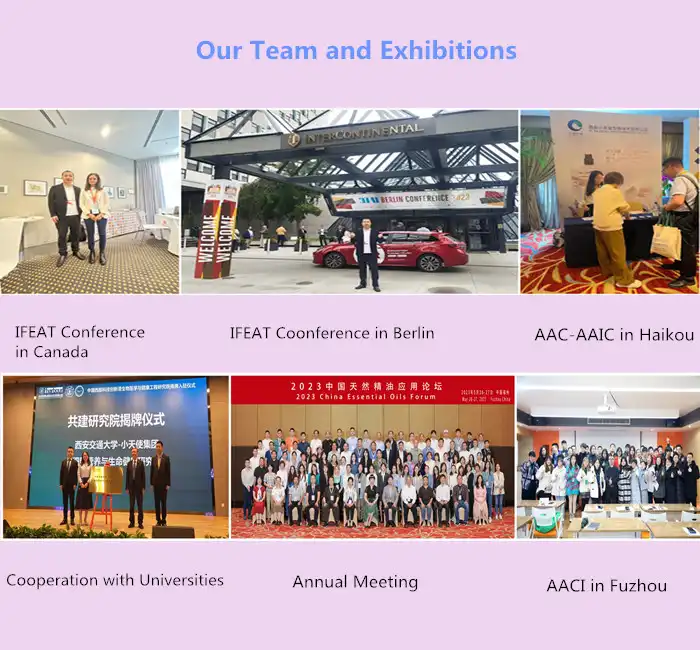
Angelbio provides standardized botanical ingredients supported by quality control systems and technical expertise. As a manufacturer of Ginger Extract Powder with more than 18 years of research and development experience, we maintain an integrated supply chain from raw material sourcing through finished ingredient production. This supports traceability and consistent product specifications. Our facilities and analytical capabilities support systematic quality evaluation across production batches.
We understand what formulation managers, R&D directors, and procurement teams in the food, cosmetics, nutraceutical, and ingredient industries need in terms of technical requirements. Our application support team can help accelerate product development through formulation guidance, stability information, analytical documentation, and regulatory support materials. Our production capabilities can accommodate a range of application needs, including standard extracts, water-dispersible formats, and customized specifications.
Email our team at angel@angelbiology.com to discuss your specific requirements, request technical specifications, or arrange a sample evaluation.
References
1. Chen, H., & Jiang, Y. (2020). Advances in extraction and analysis techniques of gingerols from ginger. Journal of Food Science and Technology, 57(8), 2783-2795.
2. Mao, Q., Xu, X., Cao, S., & Gan, R. (2019). Bioactive compounds and bioactivities of ginger (Zingiber officinale Roscoe). Foods, 8(6), 185.
3. Semwal, R., Semwal, D., Combrinck, S., & Viljoen, A. (2015). Gingerols and shogaols: Important nutraceutical principles from ginger. Phytochemistry, 117, 554-568.
4. Sharifi-Rad, J., Rayess, Y., Rizk, A., & Sadaka, C. (2020). Ginger and its bioactive compounds: Novel mechanisms for health benefits. Nutrients, 12(10), 3179.
5. Wang, J., Ke, W., Bao, R., Hu, X., & Chen, F. (2017). Beneficial effects of ginger on prevention of cardiovascular diseases: An update. Food & Function, 8(6), 2235-2250.
6. Zhang, M., Zhao, R., Wang, D., & Wang, L. (2021). Ginger (Zingiber officinale Rosc.) and its bioactive components are potential resources for health-beneficial agents. Phytotherapy Research, 35(2), 711-742.