



Private-Labeling a Memory Supplement: Phosphatidylserine Powder Specs
When sourcing ingredients for a private-label memory supplement, selecting high-quality Phosphatidylserine Powder is an important decision that can influence formulation consistency, product positioning, and brand reputation. This phospholipid ingredient has been studied for its potential role in cognitive health and requires careful evaluation of technical specifications, supplier credentials, and formulation compatibility. Understanding the nuances of purity levels, sourcing methods, and regulatory requirements positions procurement teams to develop supplements that meet market expectations and quality standards, while supporting differentiation in the competitive nutraceutical landscape.
Understanding Phosphatidylserine Powder: Definition, Benefits, and Working Mechanism
What is Phosphatidylserine Powder?
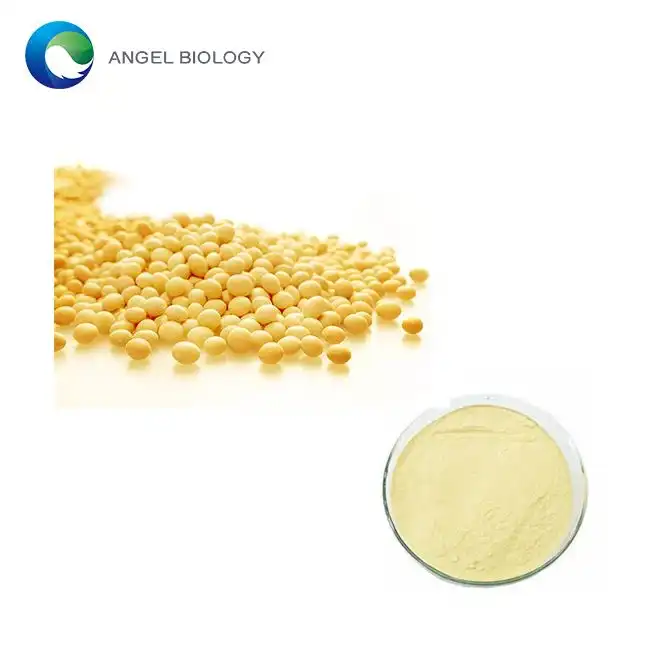
Phosphatidylserine Powder is an important phospholipid and a naturally occurring component of cellular membranes. It is present in relatively high concentrations in tissues such as the brain. This glycerophospholipid contains the amino acid serine as part of its molecular structure and contributes to the composition of cell membranes, including those found in nervous tissue. Today, instead of bovine cortex, commercial phosphatidylserine is commonly produced from soy or sunflower lecithin through enzymatic transphosphatidylation. These plant-based sources can support vegetarian or vegan-oriented formulations and provide an alternative to historical animal-derived sources (Glade & Smith, 2015).
During manufacturing, phospholipase D enzymes are used to convert phospholipids and produce concentrated phosphatidylserine preparations with defined specifications. This process can provide a more standardized ingredient than less concentrated phospholipid materials. However, purity should not automatically be treated as a guarantee of absorption or clinical performance. The final characteristics of the ingredient depend on its composition, production process, analytical method, storage conditions, and formulation matrix.
Key Cognitive Benefits Backed by Research
Research has investigated phosphatidylserine supplementation in relation to cognitive performance, memory-related outcomes, and other aspects of cognitive health. Some clinical studies have reported changes in selected cognitive measures, particularly in specific populations, while results have varied according to study design, population, dosage, source, and study duration. These findings support its consideration as an ingredient for cognitive-health product concepts, but they do not establish that every phosphatidylserine product will produce the same outcome.
Research has also examined phosphatidylserine in relation to physiological responses to exercise, including cortisol and other endocrine measures. Results are not uniform across all studies, so brands should avoid presenting cortisol reduction or stress relief as guaranteed effects. For private-label development, these research areas can inform responsible product positioning for cognitive wellness, active lifestyles, and general nutritional support, subject to the regulatory requirements of the target market.
The U.S. Food and Drug Administration has previously issued a letter concerning a qualified health claim related to phosphatidylserine and cognitive dysfunction and dementia. This should not be described as FDA approval of phosphatidylserine, nor does it mean that brands can freely make disease-related claims. Any claim used on a finished supplement must be reviewed against current regulations, applicable wording requirements, and available substantiation for the specific product.
Biochemical Mechanism and Bioavailability
Phosphatidylserine is an amphiphilic phospholipid that forms part of biological lipid membranes. Its molecular structure allows it to interact with lipid bilayers and contributes to membrane composition and physical properties. Research has examined its relationship with membrane-associated signaling, neuronal processes, and neurotransmitter-related pathways, but these biochemical observations should not be interpreted as proof that supplementation directly improves learning, memory, or attention in all users.
For formulation development, the quality and composition of phosphatidylserine materials are important factors when comparing suppliers. Source material, manufacturing method, assay level, phospholipid profile, oxidation status, moisture, and analytical methodology can all influence ingredient quality. Rather than assuming that a higher assay automatically produces better absorption, buyers should compare complete technical specifications, analytical reports, stability information, and application data when evaluating quotations.


Comparing Phosphatidylserine Powder: Making Informed Choices for Private Label Products
Powder Versus Capsule Formats
There are several important differences between using Phosphatidylserine Powder in bulk formulation and purchasing finished capsule delivery systems. Powder provides flexibility for incorporation into complex supplement blends, functional foods, beverage powders, and other dosage formats. The moisture level of the bulk material should be controlled according to the supplier's specification because excessive moisture can affect handling, stability, and storage performance.
Capsules offer convenient pre-measured serving sizes but provide less flexibility once the dosage form has been established. Phosphatidylserine used in softgels is commonly incorporated into an oil-based matrix, such as MCT or other compatible oils, and the formulation should be evaluated for dispersion, fill-weight consistency, and physical stability. Hard capsules and powder blends also require appropriate control of flowability, homogeneity, and fill-weight variation. Powder ingredients can therefore be attractive for private-label brands seeking multiple delivery formats, including functional foods and sports nutrition products.
Benchmarking Against Alternative Cognitive Ingredients
To position a product effectively, procurement and formulation teams may compare phosphatidylserine with ingredients such as Ginkgo Biloba, Bacopa Monnieri, or Alpha-GPC. Each ingredient has a different composition, research profile, sourcing model, and regulatory landscape. Phosphatidylserine has been studied in relation to cognitive health and membrane phospholipid functions, while botanical ingredients and other phospholipids may be selected for different formulation objectives.
Rather than stating that one ingredient is universally superior, brands can evaluate these materials according to evidence quality, standardization, dosage format, compatibility, cost, regulatory requirements, and target-market expectations. Phosphatidylserine can be positioned as one component of a broader cognitive-health formulation, either independently or alongside complementary nutrients. Any combination should be supported by formulation compatibility and stability testing rather than assuming that ingredients will automatically produce additive or synergistic effects.
Organic Versus Synthetic Sources
Source selection can influence product positioning, labeling, allergen management, and procurement requirements. Phosphatidylserine derived from soy or sunflower lecithin can fit plant-based and clean-label product concepts. Sunflower-derived materials may be considered by brands seeking alternatives to soy, particularly where allergen management or consumer preferences are important. Organic certification can add market value when the target product specifically requires certified organic inputs, but certification scope and documentation should be verified throughout the supply chain.
Production methods and source materials can also influence cost. Buyers should avoid assuming that one production route is automatically more trustworthy or effective than another. Certifications such as Non-GMO Project Verified, USDA Organic, or EU Organic may support specific market positioning when the finished product and supply chain meet the applicable requirements. The commercial value of certification should be assessed against target-market demand, documentation requirements, and the total cost of procurement.
Procurement Considerations: Sourcing Bulk Phosphatidylserine Powder for Private Labeling
Essential Supplier Vetting Criteria
There are many factors to consider beyond price when selecting a reliable manufacturer. Good Manufacturing Practice (GMP) systems are important for controlling production quality, sanitation, traceability, and contamination risks, while certification status should be verified against the actual facility and scope. Reviewing production capacity can help determine whether a supplier can support the expected volume of a private-label program. Batch-to-batch consistency should also be demonstrated through defined specifications and analytical testing rather than assumed.
Buyers should review a supplier's export experience, documentation practices, regulatory support, and ability to provide accurate product information for the intended market. Both domestic and international suppliers can be suitable depending on quality systems, logistics, pricing, communication, and technical capabilities. A supplier's ability to provide consistent documentation and respond quickly to quality questions can be just as important as the quoted ingredient price.
One factor that can distinguish a technical ingredient supplier from a commodity vendor is the ability to provide development support. Access to formulation guidance, application-specific stability data, analytical documentation, and regulatory information can help private-label brands reduce development delays and avoid unnecessary reformulation. Sample support and specification customization can also be valuable when the final product requires a particular phosphatidylserine source or assay level.
Pricing Structures and MOQ Strategies
Minimum order quantities for Phosphatidylserine Powder can vary significantly among suppliers, with some offering development quantities around 25 kg and others requiring substantially larger commercial orders. MOQ depends on production capacity, assay level, source material, packaging, and whether the product is a standard or customized grade. Buyers should request quotations based on the exact specification rather than comparing prices by nominal product name alone.
For cost-quality evaluation, total value should be considered instead of unit price alone. Lower-cost ingredients may create additional expenses through additional testing, formulation changes, inconsistent batches, or documentation gaps. Assay levels should be clearly stated in supplier documentation and measured using an appropriate validated analytical method, such as HPLC-ELSD where applicable. Commercial phosphatidylserine materials can be supplied across different assay ranges, including approximately 20% to 70%, depending on the product specification. Comparing cost per unit of active phosphatidylserine can provide a more meaningful basis for supplier evaluation.
Payment terms, currency fluctuations, freight costs, and long-term contract structures can also influence total procurement cost. These factors should be negotiated according to forecast volume, inventory requirements, payment risk, and the expected length of the supplier relationship.
Logistics and Quality Assurance Protocols
International shipment of phospholipid ingredients requires appropriate packaging, storage, and transportation controls. Temperature management may be useful for sensitive materials, but specific requirements should be based on the supplier's stability data and recommended storage conditions rather than assuming that refrigerated transport is universally necessary. Moisture, oxygen, heat, and prolonged exposure to unfavorable conditions can affect phospholipid quality, making appropriate barrier packaging and handling important.
For customs clearance and quality review, buyers may require documentation such as Certificates of Analysis (CoA), allergen statements, specification sheets, SDS, origin documents, and market-specific compliance information. Packaging options can range from food-grade polyethylene liners to higher-barrier films and nitrogen-flushed packaging, depending on the ingredient grade and storage requirements. Bulk packaging should be selected according to warehouse conditions, production turnover, and oxidation-control needs.
Third-party testing can be incorporated into a buyer's quality-assurance program where appropriate. Parameters such as residual solvents, heavy metals, peroxide value, moisture, and assay should be evaluated against the agreed specification and applicable regulatory standards. Specific limits, such as residual ethanol or acetone below 50 ppm or peroxide values below 5 meq/kg, should be treated as example purchasing specifications rather than universal requirements for every phosphatidylserine product.
Setting clear specifications before placing an order reduces quality disputes and ensures that the supplier's production capabilities match the brand's requirements. Purchase agreements should define testing methods, acceptance criteria, documentation requirements, packaging specifications, and procedures for handling non-conforming batches.
Private-Labeling Strategy: From Product Specs to Market Differentiation
Defining Precise Product Specifications
Defining the appropriate assay level for the intended application is an important part of product development. Higher assay grades, such as 50–70%, may allow formulators to use a smaller quantity of bulk material to reach a target phosphatidylserine contribution, while 20–40% grades may provide a different balance between concentration, dosage weight, and raw-material cost. Source selection, including soy versus sunflower and conventional versus organic, should be based on target-market requirements, allergen considerations, certification needs, and formulation objectives.
Brands can differentiate themselves by tailoring formulations to specific consumer groups and product formats. Cognitive-health positioning can be considered for adult wellness products, while sports nutrition formulas may evaluate phosphatidylserine alongside nutrients selected for active-lifestyle applications. For older-adult products, cognitive-health claims must be carefully matched to substantiated evidence and local regulations. Children's products require additional consideration of age-appropriate formulation, dosage, safety assessment, and market-specific regulatory requirements.
Stability should be evaluated before commercial production to reduce the risk of costly reformulation. Phosphatidylserine formulations may require attention to oxidation, temperature exposure, moisture, packaging, and interactions with other active ingredients. Accelerated and real-time stability studies can help determine appropriate packaging and shelf-life specifications for the finished product.
Branding and Labeling Best Practices
Transparent communication about ingredient composition is increasingly important for informed supplement buyers. Labels should accurately identify the amount and source of phosphatidylserine and disclose relevant allergen or certification information where required. Plant-based, non-GMO, or organic positioning should only be used when supported by appropriate supplier documentation and finished-product compliance. Third-party certifications such as NSF or Informed-Choice may provide additional value for products targeting markets where these certifications are relevant.
Marketing messages should combine scientific context with clear consumer language while remaining within applicable structure/function and advertising requirements. Research findings, ingredient mechanisms, and product specifications can be useful educational content, but brands should avoid presenting preliminary findings as guaranteed consumer outcomes. Visual hierarchy can help communicate ingredient quantity, source, quality testing, and formulation benefits without relying on disease-treatment language.
Packaging also contributes to perceived product value and market positioning. Premium packaging can support a high-end brand identity, while cost-efficient packaging may be more appropriate for high-volume products. Material selection should balance appearance, barrier performance, sustainability objectives, compatibility with the formulation, and total packaging cost rather than assuming that a particular package type automatically indicates higher quality.
Real-World Collaboration Success Stories
Private-label partnerships can provide useful examples of how technical support and specification management contribute to successful product development. For example, a sports nutrition brand may work with a supplier offering formulation support to develop a blend containing branched-chain amino acids and phosphatidylserine for an active-lifestyle product. Supplier stability data can help the development team evaluate the expected shelf life of the finished formulation and establish an appropriate expiration period after finished-product testing.
In another example, a premium nootropics company may seek phosphatidylserine derived from organic sunflower lecithin. A supplier with appropriate certification support can help the brand review organic documentation, traceability records, and supply-chain requirements. Successful certification of the finished product would depend on the complete supply chain and certification process, rather than the ingredient alone. Any premium pricing achieved would likewise depend on the brand's market positioning and consumer demand rather than a guaranteed percentage increase.
In both cases, clear quality expectations and documented supplier responsibilities help the buyer move beyond simple commodity purchasing. When suppliers provide technical information, samples, quality records, and responsive development support, procurement teams can build relationships that contribute to longer-term product development and supply continuity.
Conclusion
To source high-quality Phosphatidylserine Powder for private-label memory and cognitive-health products, procurement teams need to consider technical specifications, supplier capabilities, regulatory requirements, and formulation strategy together. Research on phosphatidylserine provides a basis for its use in cognitive-health product concepts, but ingredient research should not be converted into guaranteed medical or cognitive outcomes. Protecting brand reputation and product quality requires close attention to assay levels, source materials, analytical methods, stability, documentation, and market-specific compliance.
Effective private-label development balances cost with quality and supply requirements. Clear ingredient specifications, transparent labeling, suitable packaging, and responsible product positioning can help brands differentiate in competitive supplement categories. Suppliers that provide technical support, consistent quality, samples, and complete documentation can also shorten development cycles and reduce procurement risk. For brands entering the growing cognitive-health market, a reliable phosphatidylserine supply strategy can provide a stronger foundation for product development and long-term commercial growth.
FAQ
1. What dosage of phosphatidylserine powder is appropriate for different demographics?
Clinical studies of phosphatidylserine have evaluated daily amounts commonly ranging from approximately 100 mg to 300 mg, although study designs, populations, sources, and outcomes differ. Some studies involving older adults have used 300 mg per day, while research involving exercise-related outcomes has evaluated other amounts. These figures should be treated as research reference points rather than universal recommendations. Final product dosage should be determined according to the ingredient specification, serving format, target population, applicable regulations, and available safety and efficacy evidence.
2. How can buyers verify supplier authenticity and product purity?
To begin the qualification process, request complete Certificates of Analysis (CoA), preferably supported by independent testing where appropriate, rather than relying solely on marketing specifications. Review the stated analytical method, assay result, phospholipid profile, moisture, oxidation-related parameters, heavy metals, microbiological results, residual solvents, and batch information. HPLC-ELSD may be used for phosphatidylserine analysis depending on the validated method and laboratory, but buyers should focus on method suitability and consistency rather than assuming that one analytical technique is always superior.
Facility audits can provide additional assurance for larger procurement programs. Independent laboratories can also test incoming materials against predefined specifications. Combining supplier documentation, batch testing, traceability, and periodic verification provides a more robust quality-assurance system than relying on a single certificate.
3. Can phosphatidylserine powder be combined with other cognitive enhancers?
Phosphatidylserine can be formulated alongside other nutrients and botanical ingredients used in cognitive-health products, including omega-3 fatty acids, B vitamins, Ginkgo Biloba, or other selected ingredients. However, combining ingredients does not automatically establish synergistic effects or improved bioavailability. Formulators should evaluate compatibility, dosage, oxidation risk, sensory properties, physical stability, and shelf life within the complete formulation.
A qualified formulation supplier can help determine appropriate ingredient ratios, processing conditions, packaging requirements, and stability-testing plans before commercial-scale production. This approach allows private-label brands to develop differentiated products while keeping technical and regulatory considerations under control.
Connect with a Trusted Phosphatidylserine Powder Supplier
Angelbio has more than 18 years of experience in research and development and commercial production of botanical and functional ingredients. The company works with Angel Holding Group and the Institute of Life and Health Research at Xi'an Jiaotong University to combine research-oriented expertise with ingredient manufacturing capabilities. Its production and quality systems are designed to support defined specifications, traceability, batch documentation, and testing requirements for Phosphatidylserine Powder.

Whether you are developing cognitive-health capsules, softgels, sports nutrition blends, or functional food products, Angelbio can support sample evaluation, specification selection, formulation discussions, stability considerations, and technical documentation. Contact the team at angel@angelbiology.com to discuss your target assay, source preference, quality requirements, packaging, MOQ, pricing, and sample needs for bulk Phosphatidylserine Powder.
References
- U.S. Food and Drug Administration (FDA). (2003). Qualified Health Claims: Letter of Enforcement Discretion - Phosphatidylserine and Cognitive Dysfunction and Dementia.
- Kato-Kataoka, A., Sakai, M., Ebina, R., Nonaka, C., Asano, T., & Miyamori, T. (2010). Soybean-derived phosphatidylserine improves memory function of the elderly Japanese subjects with memory complaints. Journal of Clinical Biochemistry and Nutrition, 47(3), 246-255.
- Starks, M. A., Starks, S. L., Kingsley, M., Purpura, M., & Jäger, R. (2008). The effects of phosphatidylserine on endocrine response to moderate intensity exercise. Journal of the International Society of Sports Nutrition, 5(11).
- Cenacchi, T., Bertoldin, T., Farina, C., Fiori, M. G., & Crepaldi, G. (1993). Cognitive decline in the elderly: a double-blind, placebo-controlled multicenter study on efficacy of phosphatidylserine administration. Aging Clinical and Experimental Research, 5(2), 123-133.