Stachyose Powder in Dairy and Beverage Formulations: A Sourcing Guide
Sourcing the right prebiotic ingredient can strengthen your dairy and beverage product lines. Stachyose powder, a naturally derived tetrasaccharide found in Stachys sieboldii and select legumes, is used as a fermentable oligosaccharide in functional food formulations. With its useful processing stability, mild taste profile, and potential prebiotic functionality, this functional oligosaccharide can support product concepts targeting gut-friendly, reduced-sugar, and clean-label positioning. For procurement managers and R&D teams navigating complex formulation requirements, understanding the technical specifications, sourcing strategies, and application versatility of this ingredient is essential for product development and reliable supply.
Understanding Stachyose Powder and Its Role in Dairy & Beverage Formulations
What Defines This Functional Oligosaccharide?
Stachyose is a soluble oligosaccharide that is not fully digested in the upper gastrointestinal tract. Its structure consists of two galactose units, one glucose unit, and one fructose unit connected through glycosidic linkages. Because it is resistant to digestion in the stomach and small intestine, a portion can reach the colon, where it can be fermented by intestinal microorganisms, including Bifidobacteria and other bacteria capable of utilizing this substrate. Research has investigated its potential prebiotic activity and its relationship with gut microbiota composition and fermentation.
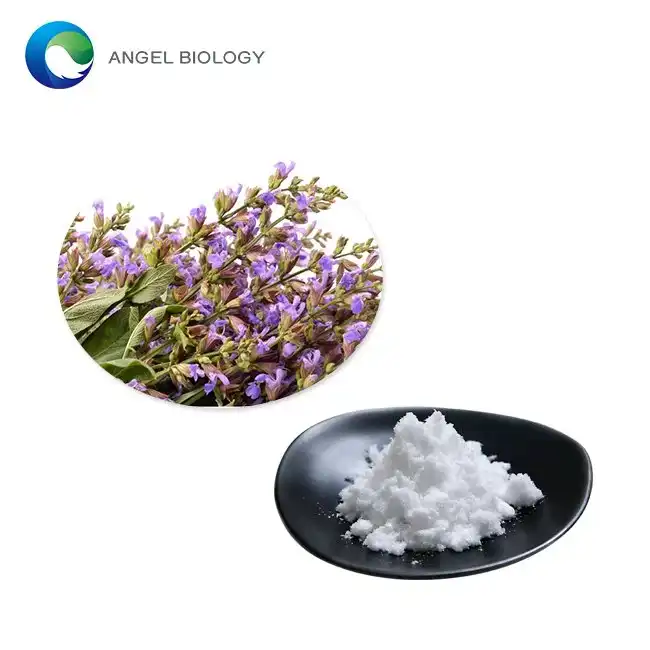
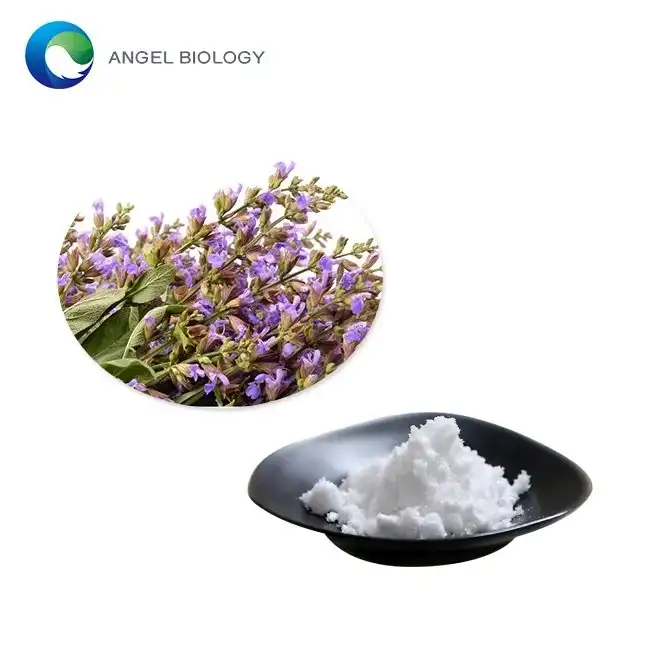
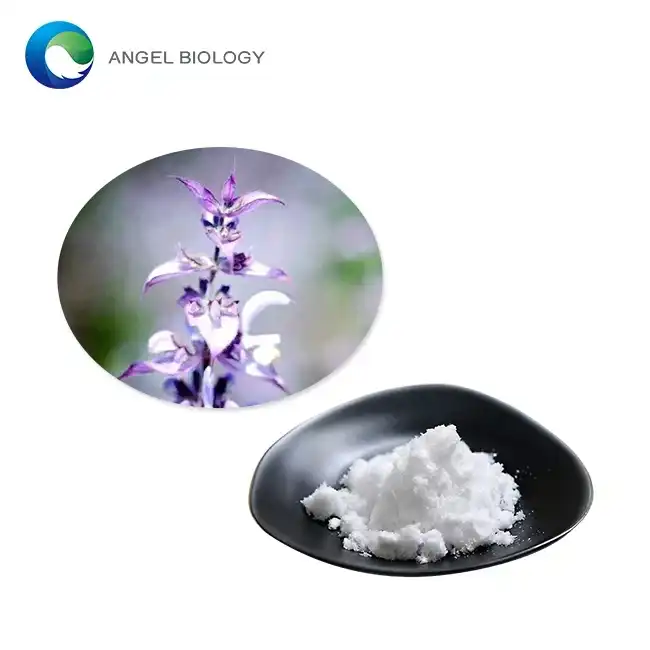
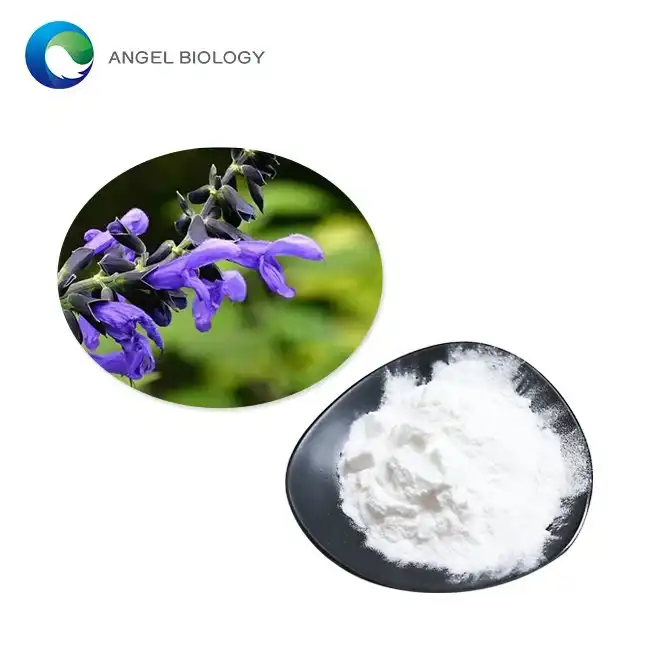
In most cases, the ingredient is supplied as a fine, white powder that readily dissolves in water. Its sweetness is approximately 22–28% that of sucrose, with a mild and generally agreeable taste profile. Because it contributes relatively little sweetness, it can be considered for beverages where the balance between sweetness, acidity, and other flavor components needs to be maintained.
Technical Properties That Matter for Formulation
The purchasing specification for stachyose powder is influenced by several technical parameters. Premium grades may have moisture content below 5%, with purity levels commonly specified at 70% or 80% and verified by high-performance liquid chromatography (HPLC). A typical solution pH specification may fall within approximately 5.0 to 7.0, depending on the grade and test conditions. The ingredient is generally considered suitable for common food-processing conditions, although actual thermal and pH stability should be confirmed through supplier data and application-specific testing rather than assumed across all formulations.
During pasteurization, UHT processing, and acidic beverage production, its processing performance can make stachyose a practical option for functional food systems. As a non-reducing oligosaccharide, it does not participate in Maillard reactions in the same manner as reducing sugars under comparable conditions. Its relatively low sweetness and reported energy contribution may also support formulation strategies where sweetness or total sugar content needs to be controlled. Regulatory status, however, should always be assessed according to the ingredient specification, intended use, dosage, and target market rather than assumed from a general GRAS reference.
How It Compares to Alternative Prebiotics
Formulation teams often compare stachyose with inulin, fructooligosaccharides (FOS), and raffinose when evaluating prebiotic ingredients. Inulin is widely used for its functional and prebiotic properties, although higher inclusion levels may affect digestive tolerance for some consumers. FOS can provide useful sweetness and fermentability but may require closer consideration in acidic processing conditions. Raffinose has a structurally related oligosaccharide profile and may also be evaluated according to fermentation behavior, application requirements, and commercial availability.
Stachyose offers a combination of water solubility, relatively mild sweetness, and fermentability that can be useful in selected functional food applications. Research has investigated its effects on the growth and activity of specific intestinal microorganisms, but results can vary according to strain, substrate concentration, test model, and experimental conditions. For commercial formulations, its value is therefore best assessed through formulation trials, sensory testing, stability studies, and the target product's cost and labeling requirements.
Key Challenges and Solutions in Incorporating Stachyose Powder into Dairy and Beverages
Solubility and Dispersion Considerations
One practical consideration when working with oligosaccharide powders is achieving uniform hydration and dispersion. In cold dairy systems, incomplete wetting can contribute to localized concentration differences or texture variation. A practical approach is to pre-dissolve the powder in a smaller portion of liquid, potentially at approximately 40°C to 50°C, before adding it to the main batch. Actual processing temperature should be selected according to the complete formulation and the stability requirements of other ingredients.
Fine-mesh filtration may be considered after mixing clear beverages to remove undissolved particles or aggregates where necessary. Stability testing at different storage temperatures should be conducted for the finished beverage because clarity, precipitation, and physical stability depend on the complete formulation, packaging system, processing conditions, and storage environment. Supplier application data can help reduce development time when establishing an appropriate hydration procedure.
Dosage Optimization for Efficacy and Tolerance
Published research has investigated different intake levels of stachyose and related oligosaccharides, but a universal daily dose for “best results” should not be assumed across all consumers or products. For formulation purposes, the appropriate inclusion level should be determined according to serving size, target positioning, sensory characteristics, regulatory requirements, and tolerance testing. Yogurt formulations may evaluate approximately 1.5% to 2.5% by weight, while functional beverages may explore ranges such as 0.8% to 1.5%, depending on the desired ingredient contribution.
Starting with lower inclusion levels can help product developers evaluate taste, texture, and consumer tolerance before moving toward higher concentrations. Sensory panels and product stability studies should be combined with appropriate tolerance assessment to identify a practical range for the target market. Final dosage should be supported by the finished product's regulatory and labeling review.
Interaction with Dairy Proteins and Probiotics
Stachyose can be incorporated into dairy systems containing casein or whey proteins, but its effect on solubility, viscosity, and physical stability should be evaluated within the complete formulation. It can also be combined with selected probiotic cultures in synbiotic product concepts. However, microbial utilization of stachyose varies among strains, so compatibility should be confirmed through strain-specific testing rather than assumed for all Lactobacillus or Bifidobacterium cultures.
When combining stachyose with rapidly fermentable carbohydrates, formulation teams should monitor fermentation kinetics and acid development. Adjusting inoculation rates, temperature profiles, or fermentation time may help control acidification and maintain the desired sensory and physical properties of the finished product.
Sourcing Strategies for Stachyose Powder: Quality, Pricing & Supplier Selection
Essential Quality Benchmarks and Certifications
Finding a reliable stachyose powder supplier starts with reviewing documented quality systems and product specifications. ISO 9001 certification can demonstrate an established quality-management framework, while GMP-based manufacturing controls may support consistent production practices. For products intended for the US market, regulatory status should be verified according to the specific ingredient, specification, intended use, and applicable FDA requirements rather than treating “FDA approved” as a universal ingredient designation.
Review recent production-batch Certificates of Analysis to confirm the specified purity, moisture, microbial limits, heavy metals, and other parameters relevant to your product. Example specifications may include Total Plate Count <1000 cfu/g, Yeast/Mold <100 cfu/g, Lead <2 ppm, and Arsenic <1 ppm, but these limits should be matched to the supplier's specification and the requirements of the destination market. Strong traceability from botanical raw materials through processing and packaging can also support quality assurance and supply-chain documentation.
Organic certification can help products target specific natural or organic market segments, although certification requirements and associated costs vary by supplier, region, and certification scope. Procurement teams should compare the commercial value of certification against target-market requirements, formulation positioning, and total sourcing cost.
Pricing Structures and Bulk Purchasing Benefits
Market pricing for stachyose powder can vary according to purity, raw-material source, production process, documentation, packaging, order quantity, and market conditions. Standard grades around 70% purity may fall within different price ranges from premium grades of 80% or higher, but current quotations should be obtained directly from qualified suppliers rather than relying on fixed market prices. Larger annual volumes may provide opportunities for improved unit pricing, although the actual discount depends on contract terms, production capacity, and supply conditions.
Logistics for containerized freight can significantly affect landed cost. Suppliers offering multiple packaging options, such as 25 kg drums or larger bulk bags, can help buyers align packaging with warehouse capacity and production planning. Negotiating freight terms such as FOB, CIF, or DDP also clarifies responsibility for transportation, insurance, duties, and related costs before the purchase order is finalized.
Evaluating Supplier Reliability and Service Excellence
Evaluate suppliers through multiple indicators rather than price alone. Documented manufacturing capacity can indicate whether a supplier is positioned to support larger commercial programs, while stated monthly capacity should be verified against actual production capability and quality controls. Lead times can vary according to stock status, order quantity, packaging, testing requirements, and customization, so buyers should request a confirmed production and shipping schedule for each order.
A strong ingredient supplier can provide more than commodity material. Access to formulation support, dairy-processing experience, application-specific stability data, technical documentation, and regulatory information can shorten development cycles and support internal QA/QC review. Responsiveness to technical questions, sample requests, specification changes, and corrective actions is also an important factor when evaluating long-term supplier reliability.
Application Insights: Formulating Dairy and Beverage Products with Stachyose Powder
Fermented Dairy Products and Yogurt Applications
Adding stachyose powder to yogurt can support synbiotic product concepts that combine probiotic cultures with a fermentable carbohydrate source. Where processing conditions permit, the ingredient may be incorporated during the cooling or post-pasteurization stage, for example around 40–45°C, while taking the complete formulation and culture requirements into account. Typical evaluation ranges of approximately 2% to 3% by weight can be explored during development, with final inclusion determined through sensory, texture, stability, and regulatory testing.
Greek yogurt manufacturers should evaluate how the ingredient affects water distribution, viscosity, and whey separation within the finished system. The desired texture can be adjusted through the protein level, stabilizer system, processing conditions, or ingredient ratio. Its relatively mild taste profile can also work with fruit preparations, vanilla flavors, and other common yogurt flavor systems.
Functional Beverage Development Strategies
Prebiotic ingredients are increasingly incorporated into functional beverage concepts, including sports nutrition and everyday wellness products. When protein shakes or other beverages contain oligosaccharides, the product should be positioned according to the ingredient's substantiated nutritional or functional role rather than as a healing product. When pH levels fall below approximately 3.5, formulation teams should verify stachyose stability and overall beverage compatibility through accelerated and real-time testing, particularly in citrus-flavored or fermented beverage systems.
Prebiotic fortification can also be evaluated in dairy-alternative beverages based on oat, almond, or soy. Inclusion levels such as 0.8% to 1.2% may be explored during formulation development, but the final level should be selected according to the product's nutritional target, sensory profile, serving size, stability, and labeling requirements. Botanical sourcing can also support clean-label positioning where appropriate documentation is available.
Compliance and Labeling Considerations
US labeling requirements depend on the product category, ingredient specification, intended use, and applicable regulatory framework. The ingredient should be declared using the appropriate common or established name, while any structure/function or other functional claims must be reviewed for the relevant regulatory requirements and substantiation. Dietary-fiber declaration should not be assumed solely from the presence of stachyose; the appropriate nutritional classification and calculation should be confirmed for the finished product.
European market access may require assessment under applicable food-ingredient and Novel Food requirements depending on the source, production process, history of use, and intended application. Similarly, Chinese market access should be evaluated against the applicable GB standards and food-ingredient requirements for the specific product category. Procurement teams should request market-specific documentation from suppliers before commercial launch.
Making Informed Procurement Decisions for Stachyose Powder
Aligning Specifications with Formulation Goals
Effective sourcing starts with matching the ingredient specification to the product's technical and commercial objectives. Premium functional food concepts may evaluate purity grades of 80% or higher, while cost-sensitive beverage products may consider 70% grades if the required formulation performance and labeling targets can be achieved.
Whether spot purchases or annual supply contracts are more appropriate depends on forecast production volume, inventory strategy, cash-flow requirements, and market demand over the next 12 to 18 months. Larger annual commitments may provide opportunities for improved pricing and production planning, while lower MOQs can be valuable for brands with variable demand or products still in the development stage.
Balancing Quality Investment with Cost Management
The total cost of ownership includes more than the quoted price per kilogram. Consider analytical testing, incoming inspection, documentation review, logistics, warehousing, and potential rework when comparing suppliers. Suppliers that provide complete CoAs and supporting quality documentation can reduce duplicated testing requirements where your internal quality system permits.
Quality failures can result in production delays, additional testing, material disposal, or customer complaints. Working with suppliers that maintain documented quality systems and provide traceable batch records can therefore reduce sourcing risk. Procurement teams should evaluate supplier performance using historical quality data, delivery records, specification compliance, and corrective-action responsiveness rather than unit price alone.
Building Resilient Supply Chains
Recent supply-chain disruptions have highlighted the risks of relying on a single source for strategically important ingredients. Establishing primary and qualified secondary suppliers can provide additional flexibility while keeping supplier-management requirements manageable. Backup suppliers should receive the same critical specifications, quality requirements, packaging standards, and documentation expectations as the primary source.
Geographical diversification can also reduce exposure to localized supply disruptions, transportation constraints, or changes in raw-material availability. Comparing Asian, European, and North American supply options based on total landed cost, lead time, documentation, production capability, and quality consistency provides a more practical sourcing strategy than comparing unit prices alone. Long-term supplier relationships and clear communication can further support continuity when raw-material or production conditions change.
Conclusion
Successfully incorporating stachyose powder into dairy and beverage formulations requires an understanding of its oligosaccharide characteristics, processing behavior, formulation compatibility, and supply requirements. Its water solubility, mild sweetness, and potential prebiotic functionality make it a useful ingredient to evaluate for selected functional food concepts. In competitive markets, procurement professionals who understand purity specifications, application requirements, pricing factors, regulatory considerations, and supplier capabilities can make more informed purchasing decisions. A strong sourcing strategy should balance short-term cost, long-term supply reliability, regulatory compliance, quality documentation, and the technical support a supplier can provide throughout product development.
FAQ
1. What dosage levels deliver effective prebiotic benefits?
Research has evaluated different intake levels of stachyose and related oligosaccharides, but there is no single universal dosage that guarantees a specific prebiotic outcome for every consumer. Product formulators can explore concentrations such as 0.8% to 2.5%, depending on product format and serving size, while confirming sensory characteristics, tolerance, nutritional labeling, and regulatory requirements before commercialization.
2. How does it compare to inulin for digestive tolerance?
Both stachyose and inulin can function as fermentable substrates for intestinal microorganisms, but their fermentation characteristics and tolerance can differ according to dose, individual consumer response, and the rest of the diet. Rather than assuming that stachyose is universally better tolerated, formulators should compare both ingredients using application-specific dosage, sensory, and tolerance data when developing products for sensitive consumer groups.
3. Can it withstand typical dairy processing conditions?
Stachyose can be evaluated under typical pasteurization and UHT processing conditions, but its stability should be confirmed under the exact combination of temperature, residence time, pH, water activity, and formulation components used in the finished product. Conditions such as pasteurization at 72°C for 15 seconds or UHT processing at approximately 135–150°C for 2–5 seconds can be included in application testing, while acidic beverages should undergo dedicated stability evaluation rather than relying on a universal pH stability assumption.
Partner with Angelbio for Premium Stachyose Powder
Angelbio supports ingredient sourcing and formulation development with more than 18 years of experience in botanical and functional ingredient production. Through collaboration between Angel Holding Group and the Institute of Life and Health Studies at Xi'an Jiaotong University, Angelbio combines research-oriented expertise with commercial manufacturing capabilities. Its quality-management and production systems are designed to support defined specifications, batch documentation, and consistent supply of stachyose powder according to agreed requirements.

Whether you are developing probiotic yogurt, dairy-alternative beverages, functional drinks, or other food applications, Angelbio can support sample evaluation, specification review, formulation discussions, and application-focused technical documentation. Contact our team at angel@angelbiology.com to discuss your target purity, required documentation, sample quantity, packaging, and bulk supply requirements.

References
1. Journal of Functional Foods (2019). "Prebiotic Oligosaccharides and Gut Microbiota Modulation."
2. Food Chemistry (2020). "Comparative Stability of Oligosaccharides in Food Processing."
3. International Dairy Journal (2018). "Incorporation of Functional Ingredients in Fermented Dairy Products."
4. Nutrients (2021). "Dietary Fibers and Prebiotic Compounds in Functional Foods."
5. Food Hydrocolloids (2019). "Solubility and Functionality of Oligosaccharides in Beverage Systems."
6. Critical Reviews in Food Science and Nutrition (2020). "Thermal Stability of Bioactive Compounds in Food Processing."