



Pure Melatonin Powder: A Buyer’s Guide to Quality and Sourcing
You already know how important ingredient quality is whether you work in supplement formulation, cosmetic raw material procurement, or functional food creation. This guide provides the key information you need when buying high-purity melatonin powder, from technical specifications to supplier evaluation, so your next purchasing decision is based on clear ingredient data. Pure melatonin powder, also known as N-acetyl-5-methoxytryptamine, is a synthetic raw material utilized in the production of sleep-support supplements, topical skincare products, and functional nutrition applications. It can provide defined composition and batch-to-batch consistency when supported by appropriate analytical testing and documentation, with >99.5% purity available for certain grades, as validated by HPLC. Be it developing a new sleep-support formula or extending a cosmetic night-care range, wise sourcing starts with understanding this ingredient from the bottom up.
Understanding Pure Melatonin Powder
What It Is Chemically
Melatonin is a naturally occurring compound associated with the body's circadian system. In its synthetic powder state, it has the same chemical identity as the corresponding endogenous molecule. The synthetic manufacturing process – beginning from 5-methoxy-3-indolylacetonitrile – avoids reliance on animal-derived raw materials, making it suitable for product concepts that require a synthetic, traceable, or vegan-compatible ingredient source, subject to the finished product's certification requirements. It is a white to off-white crystalline powder with a melting point commonly reported around 116 °C-118 °C.
Physical and Chemical Properties
Formulators have to consider the solubility profile of melatonin powder. It is sparingly soluble in water and more soluble in certain organic solvents such as propylene glycol and ethanol. This makes it suitable for both solid dosage forms and selected liquid delivery systems, depending on the formulation design. If you are formulating water-based drops, you may need to pre-dissolve it in an appropriate co-solvent before incorporating it into the water phase. Loss on drying and residue on ignition should be evaluated according to the applicable specification and analytical standard rather than treated as universal limits across all commercial grades.
Industrial Applications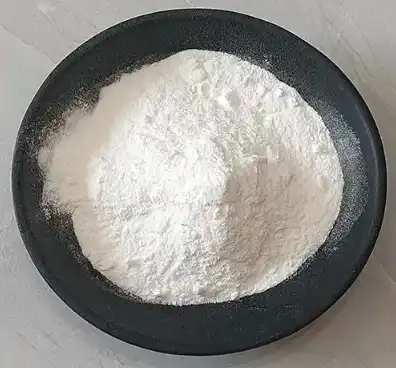
Modern manufacturers employ melatonin powder in three primary product categories:
- Controlled-release tablets and capsules: blended with suitable matrix or excipient systems to help manufacturers develop products with defined release characteristics and consistent ingredient distribution.
- Sublingual and liquid systems: Micronized pure melatonin powder with a controlled particle-size specification can improve dispersion and processing characteristics in certain fast-dissolve or sublingual formats. Actual dissolution and delivery performance should be verified in the finished formulation.
- Topical and cosmetic preparations: Its antioxidant properties have attracted interest in cosmetic formulations such as night creams and skin-conditioning products, where its inclusion should be evaluated according to the product concept and applicable cosmetic requirements.
These three application areas highlight how one raw material may be used to support many product lines, allowing procurement teams to consolidate purchasing.
Key Factors to Consider When Buying Pure Melatonin Powder
Purity Standards and Certifications
A reputable supplier should provide a current Certificate of Analysis (COA), applicable specification documents, an SDS, and relevant quality documentation. International purchasers may additionally need Kosher, Halal, and TSE/BSE-related documentation depending on the target market and product requirements. 1. HPLC purity should be explicitly stated in every COA, with the reported value matched to the agreed product specification.
Synthetic vs. Other Origins
The commercial melatonin powder industry is predominantly synthetic. This decreases batch variability associated with botanical phytomelatonin sources and avoids dependence on animal-derived starting materials. For firms developing clean-label or vegan-oriented products, a clearly documented synthetic origin with established traceability can be a useful sourcing and product-positioning consideration.
Pricing and Bulk Order Strategy
High-purity melatonin powder pricing in bulk varies according to quantity, particle size needed (standard mesh or micronized), packaging, specification, and order requirements. Buyers should negotiate tiered price structures and check minimum purchase quantities in advance. Focusing on the lowest price per kilogram might cause difficulties down the line – a supplier with uneven quality can create additional costs through retesting, reformulation, and documentation reviews compared with a supplier offering consistent specifications and complete technical support.
Comparing Melatonin Powder to Other Melatonin Forms
Powder vs. Finished Dosage Forms
Pills, gummies, capsules, and liquids all begin with a raw ingredient or premix. Manufacturers who purchase at the powder stage have direct control over the target dosage, choice of excipient, and delivery format. A firm making low-dose sublingual tablets requires different particle-size and processing specifications than one producing extended-release capsules—and bulk powder purchase can provide greater flexibility for formulation development and scale-up.
Organic vs. Synthetic Sourcing Trends
The worldwide melatonin supplement market was estimated at almost USD 893 million in 2022 and was expected to expand at a CAGR of roughly 7.1% over the period 2022 to 2030 (Grand View Research 2023). Synthetic melatonin pure melatonin powder remains widely used in B2B sourcing because it provides a defined chemical composition and supports accurate low-dose formulation. Organic and plant-based phytomelatonin remains a niche sector with greater variation in source and composition.
Comparison with Other Sleep Ingredients
Sleep-support formulas often include valerian root extract, L-theanine, and magnesium glycinate. Melatonin powder, in contrast, is a specific ingredient associated with circadian-system applications, while the others have different compositional and formulation characteristics. Many formulators may combine melatonin powder with complementary ingredients depending on the desired product concept, target market, dosage form, and applicable labeling requirements.
How to Choose the Right Melatonin Powder Supplier
Evaluating Manufacturer Credentials
A good melatonin powder provider should have clearly documented manufacturing and quality-control procedures. Baseline requirements include relevant third-party laboratory testing reports, applicable specification or pharmacopeial documentation, and clear batch traceability records. Suppliers should also be able to provide stability information, technical data sheets, and specification documents when requested.
Logistics, MOQ, and Lead Times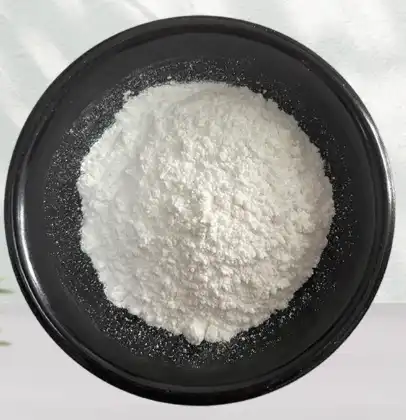
For US-based customers and overseas importers, shipping flexibility and consistent lead times are just as important as product requirements. Confirm the supplier is able to accept split orders where available, change package formats, and provide consistent lead-time information for normal and urgent requirements. The supply chain interruptions in 2020-2022 reminded procurement teams throughout the world that logistical dependability can be as important as ingredient quality.
OEM and Private Label Capabilities
For brands looking to differentiate their product from generic sleep-support products, collaborating with suppliers who provide formulation assistance and private-label support can be an advantage. This gives brands a way to develop differentiated product positioning without building all technical resources in-house. When assessing potential suppliers, inquire especially about their formulation experience, turnaround times, MOQ flexibility, and the documentation assistance they provide for final product development and registration.
Best Practices for Ensuring Long-Term Satisfaction and Compliance
Regulatory Documentation Across Markets
US purchasers must check that melatonin ingredients and finished products meet applicable FDA requirements for their intended use and product category. European customers should verify the applicable requirements for their specific market and product type. Having comprehensive paperwork – COA, SDS, specifications, traceability records, and any required religious or allergen certifications – available before customs clearance can help reduce documentation gaps and potential shipping delays.
Storage and Handling Protocols
Melatonin powder should be protected from excessive light, heat, moisture, and unsuitable storage conditions. It should be stored in tightly sealed, light-resistant containers according to the supplier's recommended conditions. Shelf life varies by grade, packaging, and validated storage conditions, so buyers should follow the supplier's stated shelf life and retest date rather than applying a universal 3-5 year period. Packaging should maintain the specified storage conditions during transit so that the ingredient remains suitable for end-use production.
Building Supplier Relationships for Long-Term Value
Over time, a reliable and properly documented supplier relationship decreases the need to resolve avoidable specification questions with every order. Regular communication about new documentation needs, regulatory updates, and product specification revisions keeps both sides aligned. Procurement teams that develop supplier relationships instead of treating each purchase as a one-off transaction can improve purchasing continuity, documentation management, and planning flexibility.
Conclusion
When shopping for high-quality pure melatonin powder, pricing is not the only thing you should consider. You should focus on what really matters: purity documentation, analytical verification, particle-size parameters, storage requirements, and supplier transparency. Often, the difference between a smooth formulation process and repeated development adjustments begins with the quality and consistency of the raw material you start with. If you are launching a new sleep-support supplement line or evaluating melatonin for cosmetic applications, getting your sourcing process right from the outset can support consistent specifications and more efficient product development.
FAQ
1. Is melatonin powder synthetic or animal-derived?
The commercial standard is predominantly synthetic. It is produced through chemical synthesis rather than direct extraction from animal materials, providing a clearly defined chemical composition and consistent sourcing profile. Buyers should still verify the supplier's origin statement and supporting documentation when vegan or other certification requirements apply.
2. What certifications should I require from a supplier?
At minimum: a current COA, applicable specification documentation, an SDS, and relevant quality or traceability records. Depending on your market and product requirements, also request Kosher, Halal, and TSE/BSE-related documentation where applicable.
3. How does particle size affect formulation?
Standard mesh can be suitable for many capsule and tablet applications, while micronized powder may be selected for formulations requiring finer particle characteristics or improved dispersion. A D90 specification such as <10µm should be treated as a product-specific requirement rather than a universal requirement for sublingual or fast-dissolve formats. Actual dissolution and processing performance should be evaluated in the finished formula.
4. Can melatonin powder be used directly in water-based formulas?
Melatonin has limited water solubility, so direct addition may result in incomplete dissolution or precipitation depending on concentration and formulation conditions. Use a compatible co-solvent or an appropriate solubilization system where necessary, then evaluate the final formulation for clarity, stability, and content uniformity.
5. What is the shelf life of high-purity melatonin powder?
Shelf life depends on the product specification, packaging, and validated storage conditions. Store the material in sealed, light-protective packaging under the supplier's recommended cool and dry conditions. Always verify the retest or expiry information on the supplier's COA and product documentation.
Partner with Angelbio for Trusted Melatonin Powder Supply
Angelbio, backed by over 18 years of independent R&D experience and supported by Angel Holding Group and the Institute of Life and Health Research of Xi'an Jiaotong University, supplies pure melatonin powder to B2B clients across the nutritional supplement, cosmetic, and functional food sectors. As an experienced ingredient supplier, Angelbio provides high-purity specifications, analytical and technical documentation, flexible MOQ options, and formulation support. Reach out to our sourcing team at angel@angelbiology.com to request a quote or product specifications.

References
1. Grand View Research. (2023). Melatonin Market Size, Share & Trends Analysis Report. Grand View Research.
2. United States Pharmacopeia. (2023). USP–NF Monograph: Melatonin. United States Pharmacopeial Convention.
3. European Pharmacopoeia Commission. (2022). European Pharmacopoeia, 11th Edition: Melatonin Monograph. Council of Europe.
4. Hardeland, R. (2012). Melatonin in aging and disease. Aging and Disease, 3(2), 194–225.
5. Auld, F., et al. (2017). Evidence for the efficacy of melatonin in the treatment of primary adult sleep disorders. Sleep Medicine Reviews, 34, 10–22.
6. Costello, R. B., et al. (2014). The effectiveness of melatonin for promoting healthy sleep. Nutrition Journal, 13, 106.