



White Willow Bark Extract Salicin for Joint Support
White willow bark extract salicin is a standardized botanical ingredient derived from the bark of Salix alba and related willow species. Salicin is a naturally occurring phenolic glycoside that can be metabolized into salicylic acid-related compounds in the body. Its traditional use and ongoing research have attracted interest from brands developing botanical joint-support products. For R&D directors and formulation managers sourcing standardized actives, the key considerations include salicin content, analytical verification, formulation compatibility, safety documentation, and market-specific requirements. These factors help brands evaluate the ingredient for appropriate product positioning in the competitive botanical supplement market.
Understanding White Willow Bark Extract Salicin and Its Role in Joint Support
Botanical Origin and Active Compound
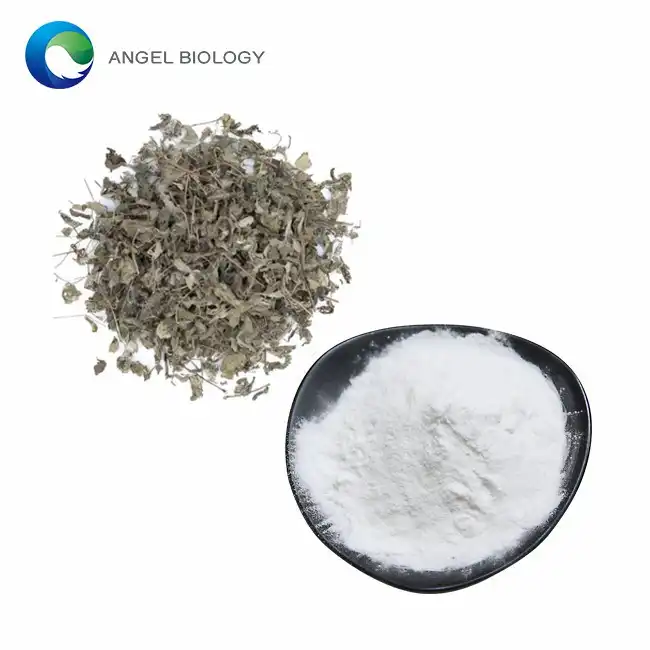
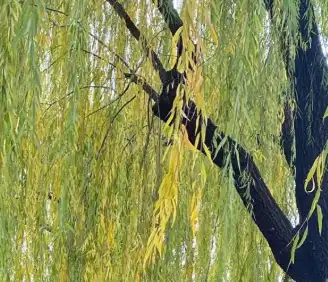
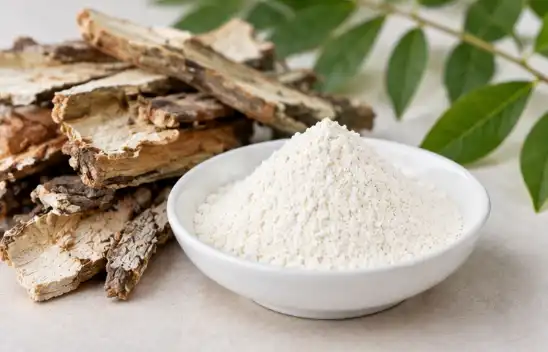
Salix alba, Salix purpurea, and Salix daphnoides are among the willow species used in botanical preparations. Salicin, a phenolic glycoside found in the bark, is one of the key compounds used to characterize white willow bark extracts. After ingestion, salicin can be converted through metabolic processes into saligenin and subsequently into salicylic acid-related metabolites. However, this pathway does not make salicin equivalent to aspirin, nor does it establish that its effects are more gradual, longer-lasting, or better tolerated. For product developers, botanical identity, salicin assay, and the overall extract profile are important starting points when selecting an ingredient for joint-support formulations.
Pharmacodynamics and Joint Health Efficacy
Salicin and willow bark preparations have been investigated for their potential relevance to discomfort and inflammatory processes. However, the biological activity of salicin should not be reduced to a definitive claim that it blocks both COX-1 and COX-2 in the same way as established anti-inflammatory medicines. Clinical findings also depend on the specific extract, its composition, the amount used, and the study population. Some studies have examined willow bark preparations in people with joint discomfort, but findings for a particular standardized extract should not be generalized to every salicin ingredient. For B2B product development, it is more appropriate to position white willow bark extract according to its verified composition and the evidence relevant to the intended product, rather than as a proven replacement for conventional pain-relief medicines.
Safety Profile and Dosage Guidance
The amount of salicin used in research varies according to the preparation, study design, and intended use. A single daily dose range should not be presented as universally established for all white willow bark extracts or as a general recommendation for consumers. For example, a 25% salicin extract contains a nominal 25% salicin by weight only when that assay is confirmed by the specified analytical method; calculations of extract quantity do not establish an effective or appropriate daily dose. Willow bark products may also be unsuitable for certain people, including those with salicylate sensitivity, and may have interactions or other precautions depending on the formulation and individual circumstances. Brands should obtain appropriate safety and regulatory assessments before developing dosage recommendations or marketing claims, particularly for products aimed at people with existing health concerns.
Comparison and Selection of White Willow Bark Extract Salicin Products
Salicin vs. Other Joint Support Ingredients
Procurement teams may compare salicin with ingredients such as turmeric (curcumin), boswellia extracts, glucosamine, and methylsulfonylmethane (MSM). These ingredients differ in chemical composition, evidence base, specification methods, and formulation characteristics. Salicin offers a measurable marker for standardizing selected willow bark extracts, while whole botanical powders and other extracts may be characterized using different compounds or analytical approaches. Research findings for salicin or willow bark preparations should not be used to claim equivalent effects to ibuprofen, aspirin, or other medicines. For brands, the most useful comparison considers ingredient identity, standardized active content, available evidence, target-market requirements, and compatibility with the finished product.
HPLC vs. UV Testing: A Critical Procurement Distinction
Understanding analytical methods is an important part of sourcing white willow bark extract salicin. UV spectrophotometry may be affected by other UV-absorbing compounds in a botanical extract, depending on the method and sample composition. A validated HPLC method can separate salicin from relevant compounds and provide a more specific measurement when appropriately developed and verified. However, neither a UV result nor an HPLC result should be judged without reviewing the method, reference standard, calculation basis, and sample preparation. Differences between reported assay values can have several causes and should not automatically be attributed to adulteration. To compare suppliers fairly, procurement teams should request batch-specific COAs, identify the analytical method used, and compare results generated on a consistent basis.
Selecting Product Grades and Formats
Angelbio offers or may provide standardized salicin extract grades subject to current product availability and specifications. The following examples illustrate how buyers can evaluate different assay levels; actual appearance, composition, solubility, and suitability should be confirmed from the relevant product documentation.
15–25% extract (often brown-yellow powder): These grades may retain a broader range of botanical constituents, such as polyphenols, flavonoids, and tannins, depending on the extraction and standardization process. They may be considered for capsules and multi-ingredient supplement blends when the overall extract profile suits the formulation.
50% extract: A higher-assay grade may help formulators control salicin inclusion more precisely. Its appearance and compatibility with functional foods or beverages depend on the specific material and formulation. Thermal stability and processing tolerance should be confirmed through relevant technical data and application testing.
98% grade, where available: A high-assay material may be useful when a formulation requires a more concentrated salicin specification. Its physical form, solubility, and suitability for cosmetic or other specialized applications should be verified rather than inferred from assay level alone. A high-purity salicin ingredient is not automatically equivalent to a pharmaceutical active or suitable for every aqueous formulation.
Choosing an appropriate grade helps align the ingredient with product positioning, technical specifications, and the target market. Formulation managers can use these distinctions to balance active-content requirements, botanical profile, and procurement cost without paying for specifications that do not support the intended application.
Procurement Insights: Where and How to Buy White Willow Bark Extract Salicin
Verifying Supplier Credentials
When evaluating a willow bark salicin supplier, buyers should review the supplier's quality documentation, batch-specific analytical results, raw material traceability, and relevant third-party test reports. A COA should identify the product, batch, assay method, test results, and applicable specification limits. Carbon-14 (C-14) radiocarbon testing may help distinguish materials containing contemporary biogenic carbon from those derived from fossil carbon, but it does not independently establish botanical identity or prove that a material is an authentic willow bark extract in every case. An HPLC fingerprint may provide additional information about salicin and other detectable constituents, but marker profiles vary with species, sourcing, and extraction method. No single test should be treated as conclusive proof of authenticity; a suitable assessment combines botanical traceability, analytical data, and other relevant evidence.
Packaging, Storage, and Shelf Life
The stability of salicin extract depends on its composition, residual moisture, packaging, and storage environment. Exposure to moisture, excessive heat, or unsuitable storage conditions may affect the physical quality of some botanical powders. Appropriate sealed packaging with a moisture barrier can help protect the ingredient during transport and storage. Bulk orders may use lined foil bags or fiber drums with suitable inner liners, depending on the grade and shipping requirements. A 24-month shelf life or a specific storage temperature should be stated only when supported by product-specific stability data. Buyers should confirm the recommended packaging, storage conditions, shelf life, and retest period with the supplier before setting finished-product specifications.
Cost Negotiation and Market Pricing
Prices for standardized salicin extract vary according to assay level, extraction and testing requirements, order volume, packaging, and supply conditions. Larger orders may qualify for different pricing, but the actual terms depend on the supplier and contract. When comparing quotations, buyers should consider the verified salicin content, analytical method, relevant impurity profile, batch consistency, and documentation—not just the weight of the powder. Suppliers that provide transparent specifications, practical minimum order quantities, clear lead times, and traceable sourcing information can help brands plan production and manage purchasing risk.
Implementing White Willow Bark Extract Salicin in Product Lines
Formulation Synergies for Joint Support
White willow bark extract may be evaluated alongside ingredients such as boswellic acids, glucosamine, or methylsulfonylmethane (MSM) in multi-ingredient joint-support formulations. Whether these ingredients are compatible or complementary depends on the formula, intended positioning, available evidence, and applicable regulations. Lower-assay botanical extracts may contain additional polyphenols, flavonoids, or tannins, depending on their composition, but their presence does not automatically establish a meaningful antioxidant benefit in the finished product. Formulators should assess the full extract specification, ingredient interactions, sensory properties, and stability under the intended manufacturing and storage conditions. Botanical origin can support ingredient storytelling when accurately documented, but it does not by itself prove superior efficacy or safety.
Regulatory Compliance in Key Markets
In the United States, dietary supplement ingredients and finished products are subject to applicable requirements concerning ingredient status, labeling, safety, and marketing claims. Whether a particular willow bark extract can be marketed in a specific product depends on its composition, intended use, regulatory status, and the requirements that apply to the finished product. In the European Union, willow bark preparations may fall under relevant traditional herbal medicinal product frameworks in certain circumstances, but this does not mean every standardized extract is automatically authorized for every use. Brands selling across multiple markets should review ingredient eligibility, applicable product categories, labeling rules, and permitted claims for each destination. A white willow bark extract salicin supplier should be able to provide relevant technical and traceability documents to support this review, while final market compliance must be assessed for the specific product.
OEM and Private Label Opportunities
OEM and private-label partnerships can help supplement and sports nutrition brands develop botanical products around defined ingredient specifications. Standardized extracts can make it easier to set target assay levels and compare batches, provided the analytical methods and acceptance criteria are clearly defined. Angelbio can discuss custom specifications and OEM development according to project requirements and current capabilities. Brands should confirm available grades, packaging options, minimum order quantities, documentation, and lead times early in development to support a smoother transition from ingredient selection to commercial production.
Building Trust with Clients: Marketing and Educating End Users
Communicating Science-Backed Benefits
Clear, evidence-based communication helps brands build credibility with both business customers and end users. Marketing materials can explain the botanical origin of white willow bark extract, the role of salicin as a standardization marker, and the research interest in willow bark preparations. Published studies should be described in the context of the specific extract, study design, and measured outcomes rather than presented as proof that every salicin ingredient delivers long-lasting relief or treats joint conditions. Marketing teams should also distinguish ingredient research from evidence for the finished formulation and ensure that claims comply with the rules in the target market. This approach helps maintain a persuasive product story without overstating the science.
Using Certifications to Reinforce Quality
Relevant certifications, sourcing records, and third-party analytical results can help demonstrate a supplier's commitment to transparent quality practices. Buyers should confirm that any certification or organic claim is current, applies to the product or facility in question, and meets the requirements of the intended market. HPLC results, batch-specific COAs, and traceability documents can help B2B customers evaluate identity and consistency, but no single document guarantees finished-product efficacy or regulatory acceptance. Sharing appropriate technical documentation with customers helps strengthen trust from raw material selection through finished-product development.
Post-Sale Support and Ongoing Education
Providing technical data sheets, formulation guidance, and access to knowledgeable product specialists can help buyers resolve questions after ingredient selection. Angelbio can discuss the use of salicin extract in product development and help customers review relevant specifications according to current product availability and technical documentation. Support with assay interpretation, grade selection, packaging, and formulation compatibility can help reduce avoidable development delays and unnecessary reformulation.
Conclusion
Brands developing botanical joint-support supplements and related products need ingredients with clear specifications, appropriate documentation, and evidence-aligned positioning. White willow bark extract salicin offers a measurable marker for standardizing selected willow bark preparations and may be considered for formulations where its botanical profile and intended use are appropriate. Its effects should not be presented as guaranteed pain relief, a proven replacement for conventional medicines, or evidence of improved gastrointestinal tolerance. Choosing the right grade, reviewing assay results with a suitable analytical method, confirming raw material traceability, and checking the applicable market requirements can help procurement teams make more informed decisions. Working with a supplier that provides transparent technical documentation and responsive support can also strengthen the development process.
FAQ
1. What daily dose of salicin supports joint comfort?
The amount used in research varies according to the willow bark preparation, its standardization, and the study design. Evidence for a particular extract should not be treated as a universal daily dose recommendation for all salicin powders. A 25% salicin extract contains a nominal 25% salicin by weight when verified using the specified assay method, but this calculation alone does not establish an appropriate dose or expected outcome. Brands should review the relevant evidence, safety considerations, and regulatory requirements before developing serving recommendations for a finished product.
2. How do I confirm a supplier's salicin is not synthetic?
Request botanical source documentation, a batch-specific COA, relevant chromatographic data, and any additional identity testing appropriate to the material. C-14 radiocarbon analysis may help assess whether the carbon source is contemporary or fossil-derived, but it cannot independently establish botanical authenticity in every case. An HPLC fingerprint may provide supporting evidence through the presence and relative levels of selected compounds, although these profiles can vary between genuine extracts. A robust assessment combines traceability and multiple relevant analytical results rather than relying on a single test or peak pattern.
3. Can the extract be used in cosmetic formulations?
Potential cosmetic use depends on the exact ingredient, its composition, purity, solubility, and the requirements of the target market. Salicin should not automatically be described as equivalent to salicylic acid or as a direct replacement for a beta-hydroxy acid (BHA) cosmetic ingredient. Claims about exfoliation, anti-inflammatory effects, or reduced irritation require evidence relevant to the specific ingredient and finished formulation. The appropriate inclusion level and grade should be determined through formulation testing, safety assessment, and regulatory review. A high-assay grade may be considered when tighter control of salicin content is needed, but its suitability for a clear aqueous product must be verified.
4. What is the difference between UV and HPLC assay testing?
UV spectrophotometry measures absorbance and may respond to multiple compounds in a botanical extract, depending on the method. HPLC separates components before detection and can provide a more specific salicin measurement when the method is suitably validated. Results should be interpreted in the context of the reference standard, method performance, sample preparation, and reported calculation basis. Buyers should request the supplier's analytical method and batch-specific COA, then compare grades using consistent test criteria.
Partner with Angelbio for White Willow Bark Extract Salicin
Angelbio offers white willow bark extract salicin options for B2B customers, with available assay grades and specifications subject to current product offerings. With more than 18 years of R&D experience and collaboration involving the Institute of Life and Health Research at Xi'an Jiaotong University, Angelbio supports ingredient sourcing and product-development discussions. Buyers can request current product specifications, batch-specific analytical documentation, and information about available packaging and OEM options to assess the material for their intended application. Contact the technical team at angel@angelbiology.com to discuss samples, assay requirements, or bulk purchasing needs.
References
1. Vlachojannis, J., Cameron, M., & Chrubasik, S. — Phytotherapy Research, 2009.
2. Chrubasik, S., Eisenberg, E., Balan, E., et al. — American Journal of Medicine, 2000.
3. Schmid, B., Kötter, I., & Heide, L. — Phytotherapy Research, 2001.
4. European Medicines Agency. Assessment Report on Salix spp., Cortex — EMA/HMPC, 2009.
5. Shara, M., & Stohs, S. J. — Phytotherapy Research, 2015.
6. Nahrstedt, A., Schmidt, M., Jäggi, R., et al. — Wiener Medizinische Wochenschrift, 2007.