



Rutin Powder: Benefits, Uses, and Bulk Buying Guide
Rutin powder is a naturally occurring bioflavonoid glycoside, chemically known as quercetin-3-rutinoside. It can be obtained from botanical sources such as Sophora japonica flower buds and buckwheat. As ingredient demand shifts toward plant-based and clean-label solutions, rutin powder is considered by supplement formulators, cosmetic developers, and food technologists for a range of potential applications. This guide covers its properties, how it compares with related compounds, where it may fit across industries, and what to look for when sourcing in bulk.
Understanding Rutin Powder: Properties and Research Background
What Is Rutin, Exactly?
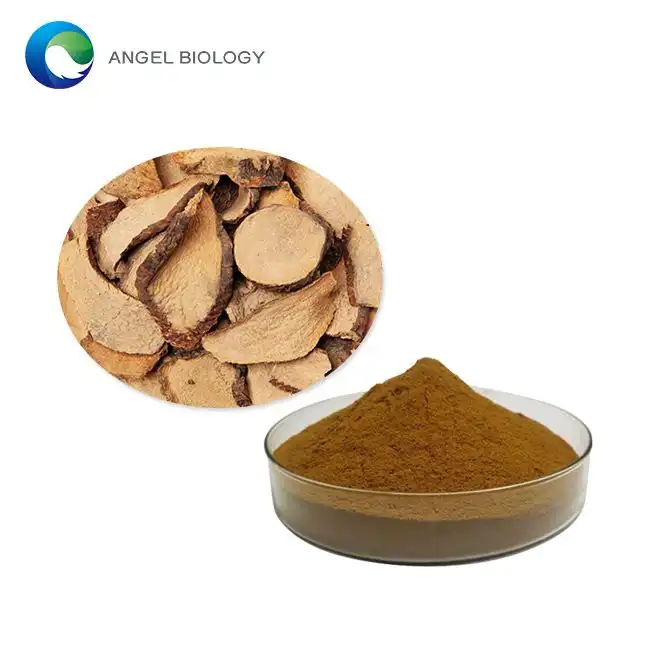
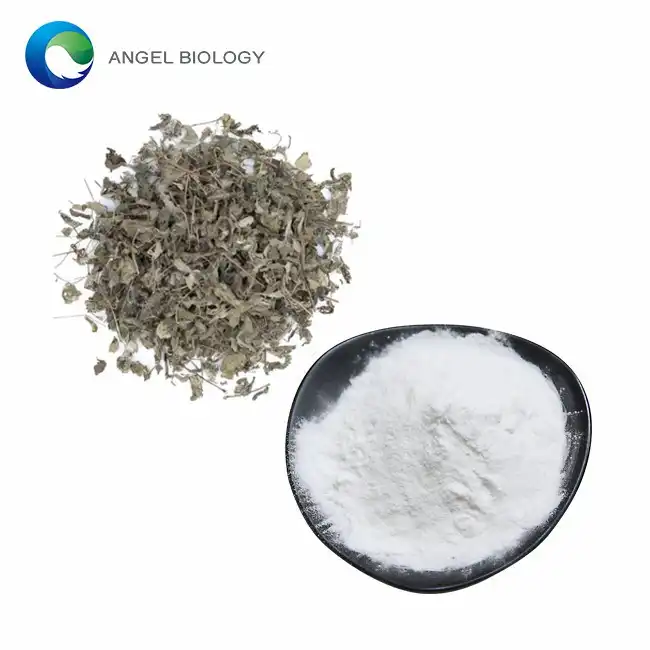
Rutin is a flavonol glycoside that has sometimes been referred to as "Vitamin P" in older literature, although it is not classified as an essential vitamin. It is found in several plants, including Sophora japonica and buckwheat, with the concentration varying according to the species, plant part, growing conditions, and processing method. Dried Sophora japonica flower buds are one commercial source of rutin-rich material. Pharmaceutical-grade or compendial rutin should be evaluated against the specific monograph and edition claimed by the supplier, rather than assuming that every high-grade powder meets the same standard.


Antioxidant and Vascular Research
Rutin has been studied for its antioxidant properties and potential interactions with biological pathways related to oxidative stress and inflammation. Laboratory and preclinical research has explored its effects on inflammatory signaling and vascular-related mechanisms. However, these findings do not establish that rutin powder directly reduces inflammation or strengthens blood vessels in humans. For R&D formulators, this research may provide a starting point for investigating rutin as a botanical ingredient, while claims about finished products should be supported by relevant evidence for the intended use.
Bioavailability and Dosage Considerations
Rutin has limited water solubility, which can affect its incorporation into certain formulations. There is no single standard daily intake that applies to every rutin product or intended use; appropriate amounts depend on the formulation, target population, applicable requirements, and available safety and efficacy evidence. Micronization or cyclodextrin complexation may be considered to modify dispersibility or apparent solubility, but the results depend on the specific process and formulation. For blending applications, particle-size distribution, such as a specification of 95% passing through an 80-mesh sieve, can be useful when confirmed by supplier data and relevant to the production process.
Comparing Rutin Powder with Related Bioflavonoids and Supplements
Rutin vs. Quercetin
Quercetin is the aglycone formed when rutin's sugar component is removed. The two compounds differ in their chemical properties, solubility, and behavior during digestion and metabolism. Their relative absorption and biological effects depend on factors such as formulation, dose, and individual physiology, so neither compound should be described as universally faster-acting or longer-lasting. For quality assessment, buyers should confirm the rutin assay and any specified quercetin limit using the supplier's analytical method. A quercetin result above specification should be investigated, but it does not automatically prove degradation or poor extraction without considering the material's identity, manufacturing process, and test data.
Rutin vs. Hesperidin and Troxerutin
Hesperidin is a flavonoid commonly associated with citrus fruits. Like rutin, it has been investigated for antioxidant and other biological properties, but similarities in research findings do not establish equivalent effects on cardiovascular health. Troxerutin is a chemically modified derivative of rutin with different physicochemical properties, including improved water solubility under certain conditions. It is used in some specialized pharmaceutical and topical applications, depending on the product and local requirements. If a formulation requires improved compatibility with water, formulators should compare rutin, troxerutin, and suitable delivery systems based on technical specifications and intended use rather than assuming that one ingredient is automatically superior.
Organic vs. Conventional Rutin Powder
Organic rutin powder may suit companies developing products that require a certified-organic ingredient, provided the relevant certification covers the material and intended market. Conventional rutin may also be suitable when its identity, composition, contaminants, and documentation meet the buyer's specifications. Organic status does not automatically establish greater purity, higher active content, or better performance. Procurement teams should evaluate the required assay, source traceability, processing information, relevant test results, and certification documents when selecting a grade.
Practical Applications and Usage of Rutin Powder in B2B Markets
Rutin is considered for several ingredient-development areas because of its chemical characteristics and research history. Its suitability and any measurable benefit depend on the finished formulation, use level, stability, and evidence available for the specific application. The following are three areas where formulators may investigate its potential value:
Pharmaceutical and nutraceutical products: Rutin has been studied in relation to vascular function, oxidative stress, and platelet-related mechanisms. These research findings do not mean that rutin powder can independently treat chronic venous insufficiency, prevent platelet aggregation in humans, or replace medical treatment. In dietary supplements, rutin may be evaluated as a flavonoid ingredient, including in formulations that also contain vitamin C. Any proposed stabilizing or synergistic effect should be verified in the actual formulation rather than assumed from the ingredients' presence alone.
Cosmetic and personal-care products: Rutin has been investigated for antioxidant properties and may be considered during the development of formulations intended to address oxidative stress on the skin. Its ability to influence skin ageing, protect against UV-related damage, or preserve skin suppleness should not be assumed without suitable evidence from the finished product. Formulators should assess its compatibility with the base, light and oxidation sensitivity, solubility, and storage behavior. Encapsulation or other delivery systems may be explored when conventional dispersion or stability is insufficient.
Food and beverage applications: Rutin may be evaluated as a plant-derived ingredient with antioxidant properties in suitable food formulations. Its effect on lipid oxidation, color, and shelf life depends on the food matrix, processing conditions, concentration, and interactions with other ingredients. It should not be assumed to prevent oxidation of all lipids or fat-soluble vitamins, or to replace conventional preservatives without application-specific testing and a review of relevant food-use requirements.
Across these applications, buyers often need consistent assay results, suitable particle-size characteristics, and dependable supply. Formulators who define these requirements early can prepare clearer procurement specifications for rutin powder, reduce unnecessary reformulation, and compare suppliers using measurable criteria.
Bulk Buying Guide: How to Source High-Quality Rutin Powder
Define Your Specification Before Approaching Suppliers
Set technical requirements before requesting quotations. Identify the applicable product category and destination market, then list the necessary documentation, particle-size range, assay level, and test methods. For example, a buyer may request a target rutin assay of at least 95% by a specified HPLC method, but the required value should reflect the actual application and relevant product specification. If the ingredient is intended for a pharmaceutical product, confirm whether the applicable pharmacopeial monograph and other requirements apply. Clear specifications help reduce misunderstandings and make supplier qualification more efficient.
Evaluate Suppliers on Quality Systems and Traceability
Traceability from botanical sourcing through processing and finished-product testing is an important factor in supplier evaluation. Request a batch-specific Certificate of Analysis (CoA), relevant third-party test results where available, and information about botanical origin and manufacturing controls. Review whether the stated assay, identity tests, impurity limits, and other quality parameters are suitable for your application. Suppliers with technical expertise and responsive R&D support may also help address questions about specifications, formulation compatibility, and quality deviations. The availability and scope of documentation should be confirmed for the exact grade being considered.
Understand Pricing Dynamics and MOQ Structures
The price of rutin powder varies with assay level, source material, production scale, order quantity, packaging, testing requirements, and the scope of documentation. Products intended for more demanding applications may involve additional testing or tighter specifications, which can affect the overall cost. There is no universal price threshold or minimum order quantity that applies to every supplier; buyers should request quotations for their required grade and order volume. Requesting samples before committing to a large purchase is a practical way to assess identity, handling properties, and formulation compatibility. Confirm sample availability, MOQ, lead time, shipping terms, and payment conditions directly with the supplier.
Conclusion
With its established chemical identity, research background, and potential use across several ingredient categories, rutin powder can be considered for nutraceutical, cosmetic, and selected food-development projects. Its practical value depends on the specified assay, formulation behavior, stability, and evidence relevant to the intended application. Procurement teams can make better-informed decisions by defining technical requirements, reviewing supporting documents, and testing samples before scaling up. Selecting a supplier that communicates clearly about product specifications, available test records, and commercial terms can help establish a more reliable sourcing relationship.

FAQ
1. Why does rutin powder have poor water solubility?
Rutin's molecular structure contributes to its limited solubility in water. Depending on the intended application, manufacturers may investigate micronization, complexation, or other formulation techniques to improve dispersion or apparent solubility. The performance of these approaches depends on the specific process and final formula. Buyers developing water-based drinks, gels, or topical products should request relevant technical data and test the ingredient under their intended processing and storage conditions.
2. What is the difference between rutin and troxerutin?
Troxerutin is a chemically modified derivative of rutin that generally has different physicochemical properties, including improved water solubility under certain conditions. Its suitability for pharmaceutical or topical use depends on the specific formulation and applicable product requirements. Rutin powder may be considered for oral supplement concepts or dry blends when its properties fit the intended application. Neither ingredient is automatically the better choice; selection should be based on the formulation, specifications, evidence, and intended use.
3. How should rutin powder be stored to maintain quality?
Storage requirements depend on the grade, packaging, and supplier's stability data. Exposure to light, oxygen, moisture, and unsuitable temperatures may affect the quality of some botanical ingredients, so rutin powder should be stored according to the product-specific recommendations. Buyers should request shelf-life information and appropriate packaging details, and monitor the ingredient's appearance and analytical quality where required. A storage temperature such as below 25°C should be used only when supported by the relevant product specification or stability data.
4. What documentation should a bulk rutin powder supplier provide?
Request a product-specific CoA with rutin assay results and the analytical method, along with relevant identity, contaminant, and microbiological data where applicable. Depending on the intended application and market, additional documents may include traceability information, an allergen statement, product specification, stability or shelf-life data, and applicable certification records. Buyers should verify that all documents refer to the exact grade and are sufficient for their product category and destination market.
Partner with Angelbio for Rutin Powder Supply
Angelbio works with customers developing botanical ingredients for nutraceutical, cosmetic, food, and related applications. If you are sourcing rutin powder, contact the team to discuss your target assay, particle-size requirements, intended application, and documentation needs. Available specifications, analytical records, sample options, packaging, and supply terms should be confirmed for the selected grade before purchase. For bulk inquiries or tailored specification discussions, email angel@angelbiology.com to request product information and a quotation.
References
1. Havsteen, B. H. (2002). The biochemistry and medical significance of the flavonoids. Pharmacology & Therapeutics.
2. Ganeshpurkar, A., & Saluja, A. K. (2017). The pharmacological potential of rutin. Saudi Pharmaceutical Journal.
3. Chua, L. S. (2013). A review on plant-based rutin extraction methods and its pharmacological activities. Journal of Ethnopharmacology.
4. Kelly, G. S. (2011). Quercetin: A review of its pharmacological properties and clinical applications. Alternative Medicine Review.
5. Xu, D., et al. (2012). Rutin inhibits rat heart ischemia/reperfusion injury through activation of the PI3K/Akt signaling pathway. Molecular and Cellular Biochemistry.
6. European Pharmacopoeia Editorial Board. (2022). Rutin Monograph. European Pharmacopoeia, 10th Edition.