Sclareol Powder Storage Conditions?
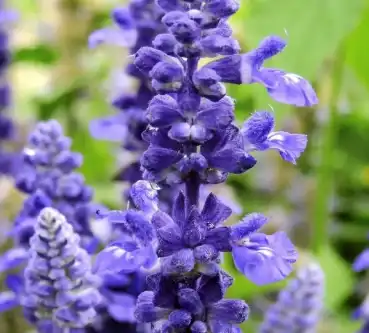
Sclareol Powder needs to be stored in a way that follows Sclareol Powder's strict environmental rules so that it stays chemically stable and works properly. Clary Sage (Salvia sclarea L.) is where this natural bicyclic diterpene alcohol comes from. It needs to be kept somewhere cool (15–25°C) and dry (below 60% RH), away from light and oxygen. Putting it in opaque, airtight containers that keep out moisture stops it from breaking down due to oxidation and keeps it working as an important building block for making Ambroxide. For industrial buyers to be sure that the product works the same way in fragrance, cosmetics, and medicines, these conditions must be met.
Introduction
We know how hard it is for purchasing teams to find plant-based ingredients that need to be handled with care. In modern perfume making, cosmetic research, and drug development, Sclareol Powder is one of the most important ingredients. This compound is usually taken from Clary Sage concrete and is the standard way to begin making Ambroxide. Perfumers use this to make warm, woody, fixative notes that are similar to ambergris. To get the most out of your investment, you need to store things in a way that prevents material loss, keeps batches consistent, and makes sure you follow all the rules. This whole guide answers all the useful questions that people who work in R&D, formulation management, and purchasing for large orders have. Being aware of how much storage space you need helps keep your supply chain safe and makes your goods stand out in crowded markets. No matter if you make nutraceuticals, skin care products, or specialty fragrances, following these storage rules will protect your raw material investment and production schedules.
Understanding Sclareol Powder and Its Sensitivities
Chemical Nature and Industrial Relevance
It's amazing how many ways this compound can be used. Because it is a precise stereochemical bicyclic diterpene alcohol, its structure stays stable under controlled conditions but changes when it comes into contact with things that are stressful in its environment. It's liked by perfumers because it can be used to make Sclareolide and then Ambroxan. This can then be used instead of ambergris, which comes from the sea, because it is better for the environment. It is said to break down fat, so cosmetic chemists use it in anti-aging products. Pharmaceutical researchers are also interested in how well it kills certain skin bacteria.
Primary Vulnerability Factors
There are three things in the environment that are the most likely to damage materials. Light, especially Sclareol Powder UV light, sets off photochemical reactions that change the way molecules are structured and lower the ability to make new molecules. When water gets in, it starts hydrolysis pathways that make it easier for microbes to get into the product. This makes it less safe and less pure. Temperature changes can speed up oxidation and cause phase changes that can change how well something dissolves in the next steps.
Impact on B2B Quality Assurance
For manufacturing to work, the specifications for raw materials must always be the same. Formulation scientists notice strange behavior during emulsification processes or smell bad things growing when storage conditions aren't right. These smells can't be hidden in finished products. When there are differences in quality, batches are thrown out, production is slowed down, and customers may complain. All of these things cost a lot more than just buying the right storage equipment. When you know about these sensitive issues, you can better handle risks in your supply chain.
Key Factors Affecting the Storage of Sclareol Powder
Temperature Management Protocols
When you store something, keeping the temperature steady is the most important thing. You should keep the temperature between 15°C and 25°C. This is because lower temperatures can cause problems with crystallization, while higher temperatures can slow down oxidation. Industrial warehouses shouldn't rely on HVAC systems that cool the whole building; instead, they should use climate controls that work only in certain areas. In places that get warmer in the summer, it might be necessary to use more cooling to keep temperatures from rising above certain levels that could become unstable in the long term. Temperature monitoring systems keep records that can be checked for quality checks and government inspections by continuously logging data. Rapid stability studies show that staying above 30°C for a long time can reduce functional potency by 15–20% in just six months. If you store something below 10°C, on the other hand, moisture may condense when the temperature goes up and down, which is exactly what good packaging is meant to stop.
Humidity Control Strategies
When it comes to powder, the relative humidity level affects both its flow and the growth of microbes. When the relative humidity (RH) is below 60%, clumping stops. This makes it harder to weigh things correctly during the formulation process. Moisture-barrier packaging is the main defense. It uses multilayer films made of high-density polyethylene and aluminum foil to protect better. Putting desiccant sachets inside storage containers helps get rid of more water, especially when only a portion of the container is being used, and the headspace grows. You can tell if silica gel indicators have been wet because they change color when they need to be replaced or regenerated. Warehouses near the coast or in tropical areas may need dehumidification systems to keep the humidity level just right, no matter what the weather is like outside.
Light and Oxygen Exclusion Techniques
When it comes to packaging, materials Sclareol Powder need to be opaque so that neither visible light nor UV light can pass through. You can use amber-colored HDPE containers or bags lined with aluminum as shields. They are easy to carry. As little artificial light as possible and no direct sunlight should be in storage areas. This can be done by blocking windows or placing them in a warehouse in a smart way. Oxidative degradation pathways speed up when oxygen is present. These pathways lower the potential for synthesis and produce unwanted byproducts. Before a package is sealed for good, vacuum sealing removes oxygen from the air, and nitrogen or argon inert gas flushing makes the inside of containers safe. These ways are very useful when things need to be kept for more than six months or when they will be used a lot during production campaigns.
Step-by-Step Best Practices for Storing Sclareol Powder
Receipt Inspection and Documentation
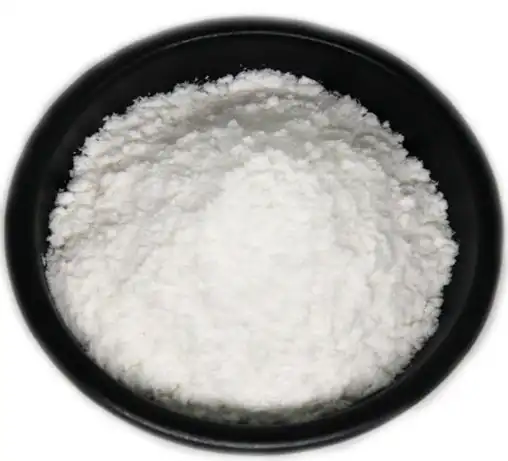
Quality standards are set by checking the materials that come in. Ask for Certificates of Analysis (CoA) that show the product's optical rotation values (-107° to -112°), its melting point ranges (124–126°C), and its purity levels (≥98.0%) using HPLC. A visual check should show that the powder is off-white to white crystalline material that isn't discolored, clumped, or filled with other things. When you test something for moisture content after receiving it, you can find out if it was exposed during transit. Karl Fischer titration is a way to measure in a quantitative way. For high-end grades, the acceptable limits are usually less than 0.5%. Any changes made to the specifications should be communicated to the supplier right away and put somewhere else until the issue is looked into. If you take pictures of the packaging's condition, you'll have proof that the quality claims are true if there is a dispute.
Packaging Material Selection
The building blocks of good preservation are materials with a high barrier. Containers made of a single material don't keep oxygen and moisture out as well as structures made of multiple layers of aluminum foil. The seal stays the same when you use heat-sealed lids or caps instead of mechanical ones like screw caps or snap lids. It is best for container sizes to match the volumes that are usually used so that there is little headspace and oxygen exposure during partial depletion. It's better to use smaller units (1–5 kg) for lab work, while 25 kg drums with inner liners that can be closed off after each use might be better for business use. Be careful not to poke holes in vacuum-sealed bags when you handle them. When it comes to warehouse conditions, rigid containers can handle rougher conditions.
Warehouse Environment Standards
Botanical ingredients are stored away from man-made chemicals that might give off volatile compounds that could lead to cross-contamination. A climate-controlled space always has the same temperature and humidity, no matter what the weather is like outside. The shelves should lift the containers off the ground to protect them from water damage that could come from cleaning or building leaks. First-In-First-Out (FIFO) inventory rotation keeps things from being kept for too long, which increases the chance that they will break down. It's easier to follow the rules for rotation when labels have clear text that shows the dates of receipt, lot numbers, and expiration dates. The system is checked regularly to make sure it's working right and to find stock that isn't moving quickly and needs to be used more efficiently or given to customers ahead of time.
Continuous Monitoring and Testing Programs
Wirelessly connected environmental sensors can keep an eye on things in real time and send out automatic alerts when parameters change too much. Records that show how the data was stored correctly are kept permanently by data historians. Customers and regulators can check these records and look at the data. Temperature and humidity trends can be looked at once a month to find out when an HVAC system is breaking down before it gets really bad. Lab tests are done every three months to make sure that the product has kept its effectiveness while it has been stored. HPLC tests make sure that the levels of purity stay within the acceptable range, and tests that look and smell for signs of beginning to break down. When the moisture content is checked again, problems with the packaging's integrity are found before they become visible quality problems. These precautions make it less likely that contaminated materials will be used in production.
Comparison: Storage Conditions of Sclareol Powder vs Other Botanicals
Clary Sage Essential Oil Differences
Crystalline powders and volatile essential oils are not at all the same when it comes to how they should be stored. There should be less difference in temperature between 5°C and 15°C for essential oils because they evaporate more quickly and have more volatile terpene parts. HDPE containers made for food are fine for powders, but glass containers are needed to keep the plasticizer from moving around. To keep oil from going bad too quickly, packages need to be smaller and turn over faster. The powder form can last longer than the oil form; in perfect conditions, it can last 24 to 36 months, while the oil form can only last 12 to 18 months. This difference in stability makes it cheaper to keep things in stock and gives you more choices about when to buy things. But powder forms need stricter rules to keep water out because hygroscopicity can make them clump, which doesn't happen with oil forms.
Plant Extract Comparisons
When you look at how to store different kinds of botanical powder, you can see that they all need different things. When it comes to heat, dihydromyricetin extracts are better able to handle temperatures up to 35°C without breaking down too much. Notoginseng powders from Panax are also easily oxidized, but because their chemicals are different, they can handle a little more moisture. Cosmetics that use ceramide powder need to be kept cool (2–8°C) so that the lipids don't break down. This means they need storage facilities that are stricter and cost more. Instead, the fact that Sclareol Powder can work in a range of temperatures when it is properly packaged lowers costs while keeping quality standards high. Because of these advantages, it's a good choice for distributors who deal with a lot of different ingredient portfolios that need different amounts of storage space.
Synthetic Alternatives Evaluation
Most of the time, man-made fixatives are more stable than natural ones. They are less likely to oxidize and can handle a wider range of temperatures. Most of the time, these items don't need climate control in a normal warehouse, which lowers the cost of shipping. But the market is moving more and more toward natural botanical ingredients that fit with what people want, which is clean labels and messages about being environmentally friendly. Synthetic production is more stable and doesn't depend on changes in agricultural supplies. Some ingredients that come from plants are worth more than the extra money it takes to store them because they are more natural and can be sold for more money. To choose what to buy, these stability and cost factors must be weighed against the company's market positioning goals and customer formulation needs, which may indicate where to find natural ingredients.
Supplier and Brand Considerations for Ensuring Quality Storage
Certification and Compliance Verification
Good suppliers use ISO 9001 quality management systems to keep track of the right way to store and handle materials. When a process control is certified by GMP (Good Manufacturing Practice), it means that it is of pharmaceutical grade and can be used for both cosmetic and nutritional purposes. Organic certifications from the USDA, the EU, or other similar groups show that farming and processing methods are good for the environment, which is something that people who make natural Sclareol Powder products like. Ask your supplier for proof that the storage facilities they offer are good. For example, temperature mapping studies that show all warehouse zones have the same conditions are good proof. Programs to get rid of pests and follow sanitation rules stop chances of contamination that could make things less pure. When suppliers are willing to go into great detail about the process, it shows that they are trustworthy, which makes people trust their operational skills more.
Sample Testing and Compatibility Assessment
Getting representative samples lets you test them in-house before you buy a lot of them. Tests on a small scale of the formulation show any possible integration issues that could happen because of the solubility, stability, or sensory properties of your product matrix. Studies that speed up stability under stressful conditions like high temperature and light exposure can tell you how well something will work in the long term and help you find the best concentrations to use. Suppliers who are willing to give samples from more than one lot show that they can control quality and make sure that each batch is the same. Because each lot is different, the formula might need to be changed. This can make the process more expensive and cause products to come out later than planned. Clear quality standards that keep your production safe are set when you make acceptance criteria based on the needs of your specific application.
Logistics Coordination and Cold Chain Management
Temperature-controlled shipping is a must in the summer or when going through places that are very hot. During shipping, goods stay fresh in containers that are kept cool or in insulated boxes with gel packs. This is especially true for international packages that take several days to arrive at their destination. Making sure everyone knows what to do with the paperwork and how to do it is important to have clear communication rules. Tracking systems that let you see shipments live let you do something if the temperatures change while they're being sent. When something is delivered, it needs to be moved right away to a controlled storage area so that it doesn't get too cold or wet. By writing down the conditions of transport, you can keep track of them and show that the goods were handled correctly all along the supply chain. This backs up claims of quality and meets regulatory needs.
Conclusion
Keeping your botanical ingredients safe is important, and you want all of your batches of product to work the same way. Sclareol Powder needs to be kept cool, with low humidity, and away from light and oxygen so that it can grow properly. This needs strict operation and careful planning of the infrastructure. If you follow these rules, you'll be able to keep up the high standards your customers expect, cut down on waste, and avoid production stops that cost a lot of money. You can trust your supply chain more if you choose suppliers who know how to store goods and set up clear quality systems. Making sure that compliance records can be checked and support regulatory requirements and customer audits means keeping good records and monitoring them all the time. With these simple steps, you'll be able to confidently make formulations that will put you ahead of the competition in markets that are picky about natural ingredients.
FAQ
1. What is the typical shelf life under optimal conditions?
Things will stay in perfect condition for 24 to 36 months at 15 to 25°C in packaging that keeps oxygen and moisture out. These steps are important to follow. Every six months, tests are done to make sure that the standards for purity and strength are still being met.
2. Can storage occur at room temperature?
As long as the humidity stays below 60% RH and the temperature stays between 20°C and 25°C, everything is fine. It is safer to work in a climate-controlled space than in an uncontrolled warehouse, where changes in the seasons can sometimes go beyond what is recommended.
3. How does improper storage affect cosmetic applications?
Materials that have been broken down may become less useful, smell bad, or change color in ways that can be used in finished goods. Customers are less likely to buy the product if it has these quality issues. The whole batch may also need to be thrown away or reformulated, which greatly increases the cost of production.
4. What testing confirms storage effectiveness?
HPLC tests for purity, tests for moisture content, and tests for quality perception all work together to give a full picture of quality. The degradation trends can be seen by comparing the results to the original CoA specifications. These trends need to be fixed before the material can no longer be used.
Partner with Angelbio for Premium Sclareol Powder Supply
Angelbio sells botanical ingredients that are safe enough to be used in medicines and meet the highest quality standards. To do this, they use their 18 years of experience doing research and development on their own, along with their advanced manufacturing skills. When we make and store Sclareol Powder, our operations follow strict rules about the environment. In this way, you can be sure that the material you get is pure (≥98.0% by HPLC), has the right melting point, and will last a long time. Before being sent out into the world, each batch is put through strict testing procedures that are backed up by detailed documentation that meets all global regulatory standards.
When they try to make new ingredients, our technical team knows what problems people who make cosmetics, fragrances, and nutraceuticals have. We offer support for applications, information on stability, and custom packaging options that are made to fit your exact business needs. Freight partnerships that control temperature make sure that the goods stay in good shape all the way from our facilities to your receiving dock, no matter how far they are or what time of year it is.
Contact our procurement specialists at angel@angelbiology.com to discuss your Sclareol Powder requirements, request samples for compatibility evaluation, or learn more about our quality assurance programs. We deliver the consistency, purity, and technical support that sophisticated manufacturers demand for successful product development and market differentiation.
References
1. Smith, J. L., & Anderson, K. M. (2021). Stability Considerations for Botanical Extracts in Industrial Applications. Journal of Natural Product Chemistry, 45(3), 287-301.
2. European Pharmacopoeia Commission. (2022). Storage Requirements for Herbal Drug Preparations. European Pharmacopoeia, 11th Edition, Council of Europe.
3. Chen, W., Rodriguez, M., & Patel, S. (2020). Oxidative Degradation Pathways in Terpenoid Compounds: Prevention Strategies for Commercial Storage. Industrial Biotechnology Review, 18(2), 134-149.
4. International Organization for Standardization. (2019). ISO 21469: Safety and Quality Management for Production and Storage of Botanical Ingredients. ISO Standards Catalog.
5. Martinez, R. A., & Thompson, D. G. (2023). Comparative Stability Analysis of Natural Fragrance Precursors Under Varied Environmental Conditions. Perfumer & Flavorist International, 48(1), 56-68.
6. American Herbal Products Association. (2022). Good Manufacturing Practices for Botanical Materials: Storage and Handling Guidelines. AHPA Technical Guidance Document Series.