



Unveiling the Power of Synthetic Ferulic Acid Powder in Anti-Aging
In our search for effective anti-aging ingredients, we've looked into compounds that work the same way in a variety of formulations. Synthetic Ferulic Acid Powder is a very pure phenolic compound that was made in a lab and solves important problems in the development of cosmetics. Unlike agriculturally derived versions that have problems with seasonal availability and impurity issues, this chemically identical version is very stable, performs consistently, and is more consistent from batch to batch. As people who work in procurement and formulation look for reliable active ingredients for the next generation of skin care products, it's important for competitive product development to understand the technical benefits and real-world uses of this antioxidant.
Understanding Synthetic Ferulic Acid Powder and Its Anti-Aging Benefits
Molecular structure and biological activity are at the heart of the science behind anti-aging ingredients that work. The chemical makeup of ferulic acid shows that it is a phenolic compound with strong antioxidant properties that come from its conjugated double bond system.
The Molecular Foundation of Antioxidant Activity
Because it donates electrons, 4-hydroxy-3-methoxycinnamic acid is a powerful free radical neutralizer at its core. The phenolic hydroxyl group is where radicals are scavenged, and the methoxy substituent makes the compound more stable. Because of its molecular structure, the compound can stop reactive oxygen species before they hurt cell structures, collagen networks, and lipid membranes. The UV absorption properties between 290 and 320 nm wavelengths offer photoprotection that goes beyond simple antioxidant activity, making a two-way defense against environmental factors that speed up aging.
Proven Efficacy in Skin Protection and Rejuvenation
 There is clinical evidence that shows measurable improvements happen when this antioxidant is added to anti-aging routines. In models of accelerated aging, studies that measure lipid peroxidation inhibition show reduction rates of more than 70%. The compound makes the skin firmer by keeping the extracellular matrix from breaking down by enzymes. Its anti-inflammatory properties also slow down the aging process that UV light causes. Measurements of elasticity show improvements that are due to the integrity of the synthetic ferulic acid powder of the elastin fibers being maintained. This provides real benefits that can be seen by the consumer.
Safety Profile and Dosage Considerations
Regulatory data from major markets confirms that the compound is very safe at concentrations that are usually used. Concentrations in cosmetics are usually between 0.5% and 2%, which gives the best results without causing irritation. The results of toxicological tests show that it is safe for people with sensitive skin and won't harm genes. This safety profile eases buyers' worries about following the rules in different countries, and the fact that there are no pesticide or heavy metal residues means that quality control problems that come with botanical extraction processes are gone.
Synthetic vs Natural Ferulic Acid Powder: A Comparative Analysis for B2B Buyers
In the nutraceutical and cosmetics industries, buying decisions need to be based on a careful analysis of the different raw material options. There are many technical and business factors to think about when deciding between synthetic and natural sources.
Purity Standards and Chemical Consistency
High-performance liquid chromatography shows that Synthetic Ferulic Acid Powder production methods achieve assay values greater than 99% purity. This is in contrast to natural extracts, which usually have purity levels between 85 and 95%. This difference affects calculations for formulation, predictions of stability, and the performance of the final product. The crystalline structure of lab-made material has a consistent melting point range of 169 to 173°C and a uniform particle size distribution. This gets rid of the variables that make manufacturing processes more difficult. Natural extracts have co-extracted compounds, phenolic acids, and plant matrix components that can make formulation harder and cause allergic reactions.
Stability and Shelf-Life Advantages
Controlled synthesis gets rid of impurities that are caused by enzymes and moisture, which make natural materials break down faster. Accelerated stability testing shows that high-purity synthetic material stays effective for 36 months or more when stored properly, while agricultural extracts only last 18 to 24 months. This longer stability lowers the cost of managing inventory, cuts down on the number of times a product needs to be reformulated, and backs up claims that it has a longer shelf life. The lack of chlorophyll, carotenoids, and other chromophores stops color changes that happen in natural extract formulations. This keeps the look of the product consistent over its entire lifecycle.
Cost-Efficiency Analysis for Large-Scale Manufacturing
When synthetic materials are bought in large quantities, they are more cost-effective because they are sold in bulk. The price per kilogram changes depending on the markets for raw materials. Synthetic routes get rid of the changes in the prices of agricultural commodities that make natural extract markets less stable. When you figure out the total cost of ownership, you have to include the costs of quality control, batch rejection rates, and formula changes. When these hidden costs are taken into account, manufacturers who work with metric tons of material find that synthetic material has 15–25% lower total procurement costs. Reliability in the supply chain also means less need for safety stock and better use of working capital.
Manufacturing and Procurement Essentials of Synthetic Ferulic Acid Powder
Knowing how things are made and how to judge a supplier helps you make smart purchasing decisions that protect product quality and keep your business running.
Synthesis Pathways and Quality Assurance Protocols
In the main industrial process, vanillin and malonic acid are used as starting materials in a Knoevenagel condensation reaction. This is followed by steps for crystallization and purification. This route can be used on a large scale, can be repeated, and gives you tight control over the impurity profiles. There are other ways to make the chemical, but they might leave behind different profiles of residual solvents that need to be checked. Protocols for quality assurance include using infrared spectroscopy to confirm the identity of the substance, HPLC with UV detection to measure its purity, and residual solvent analysis to keep toluene and methanol levels Synthetic Ferulic Acid Powder below the limits set by the pharmaceutical industry. Screening for heavy metals, testing for microbial contamination, and particle size distribution analysis are the last parts of the full quality assessment.
Certification Requirements and Documentation Standards
Teams in charge of buying things should check that the suppliers they work with have up-to-date Good Manufacturing Practice certifications that are right for the products they make. Material Safety Data Sheets must accurately list physical hazards, how to handle them, and how to get rid of them. Each batch should come with a Certificate of Analysis that lists the test results for all the parameters that were specified, the dates of the tests, and the signatures of the people in charge of the lab. Regulatory filings for target markets are made easier with allergen declarations, GMO status documentation, and regulatory status letters. Suppliers who give access to Drug Master Files or Cosmetic Ingredient Review dossiers show that they care about openness and getting support from regulators.
Supplier Evaluation and Selection Criteria
In addition to competitive pricing, reliable suppliers show they are technically skilled by providing quick application support, formula troubleshooting help, and working together on stability studies. Verification of production capacity keeps supplies from being interrupted when demand goes up, and quality system audits show how well process control works. To lower geopolitical risks, geographic diversification strategies might include finding qualified suppliers in more than one region. When you evaluate a sample, you should compare its performance to that of current suppliers and look at its physical features that might affect processing further down the line. Suppliers can build long-lasting partnerships if they put money into things like continuous improvement, creating new analytical methods, and early communication about changes to production schedules or specifications.
Integration of Synthetic Ferulic Acid Powder in Skincare Product Formulation
To make a good product, you need to know the little technical details that make ingredients work best while keeping the formula stable and getting people to like it.
Synergistic Combinations and Formulation Strategies
When mixed with L-ascorbic acid and alpha-tocopherol, the compound works amazingly well together to make antioxidant systems that protect against UV light much better. This mix, which is talked about a lot in professional literature, makes things more stable by using protective mechanisms where each antioxidant repairs the others. Formulators should think about the pH needs because the best stability is between pH 3.0 and 3.5, which means they need to use the right buffering systems. Because of how they dissolve, they need to be dissolved first in propylene glycol, ethanol, or butylene glycol before they can be added to water. Oil-phase inclusion in emulsion systems helps them get into lipophilic skin compartments better, but water-phase inclusion is still possible with the right solubilization techniques.
Overcoming Stability and Compatibility Challenges
To stop oxidation, metal ions must be kept out using chelating agents such as phytic acid or EDTA. Amber or opaque packaging that blocks UV light below 380 nm is best for light-sensitive formulations. Temperature changes that happen during production or shipping should stay below 40°C to keep degradation from speeding up. Common preservative systems should be tested for compatibility, since some formaldehyde-releasing preservatives may react with phenolic hydroxyl groups. Fragrance ingredients that have aldehydes need to be checked for the possibility of Schiff base formation. HPLC methods that show stability let you keep an eye on degradation products and potency retention during shelf-life studies.
Emerging Applications Beyond Traditional Skincare
Innovation also includes functional supplements that deliver antioxidants to help the body's defenses against aging. Solubility improvement through complexation with cyclodextrins or nano-encapsulation technologies is being looked into for beverage formulations. Using hair care products that target oxidative damage in chemically treated hair can help protect protein structures and keep the color. The compound is used as a pharmaceutical intermediate in cardiovascular applications, which means that the market is open to more products than just cosmetics. These different applications show how flexible suppliers are, which is something that procurement professionals should think about when judging their technical capabilities and volume commitments.
Making the Right Procurement Decision: Best Practices for B2B Buyers
Strategic procurement includes more than just transactional buying. It also includes Synthetic Ferulic Acid Powder, building partnerships, making sure quality standards are met, and making the supply chain more resilient.
Comprehensive Supplier Evaluation Metrics
Structured audits are a good way to look at a supplier's manufacturing infrastructure, analytical skills, and quality management systems. Deliveries that are made on time, quick responses to complaints, and the availability of technical support are all signs of operational excellence. Financial stability assessments keep supplies from being interrupted when a vendor goes bankrupt. Intellectual property rights must be respected, and confidentiality agreements must be followed to protect secret formulation information. Environmental compliance and sustainable practices are in line with corporate responsibility goals, which are becoming more and more important to the reputation of a brand.
Matching Material Specifications to Product Requirements
Specification parameters need to be changed for each end-use application. For pharmaceutical-grade materials, strict rules must be followed, and all impurities must be fully identified. For cosmetic applications, the most important things are the look and feel of the material. Some sports nutrition products may focus on how quickly they dissolve, while topical formulations try to make the particles as small as possible so the texture is smooth. When application needs are clearly communicated, suppliers can suggest the right material grades and manufacturing controls. Custom specifications that solve specific formulation problems show that the supplier is flexible and technically skilled.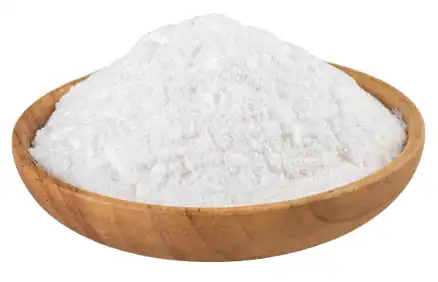

Building Resilient Supply Chains and Strategic Partnerships
Cost optimization and supply security can be balanced with dual-sourcing strategies, and logistics problems can be avoided by using a variety of suppliers in the same region. Inventory optimization models figure out how much safety stock to keep on hand by looking at how lead times change and how much demand is expected. Long-term supply agreements make sure that prices stay stable and that priority is given when the market is tight. When people work together, they can report problems with production quickly, look into quality issues before they happen, and figure out how to solve formulation problems together. If suppliers are willing to keep consignment inventory or participate in vendor-managed inventory programs, they can lower the amount of working capital needed and make the process of restocking more efficient.
Conclusion
As technology for anti-aging ingredients has improved, high-purity Synthetic Ferulic Acid Powder alternatives have become the best choice for difficult formulation tasks. As we looked into this phenolic antioxidant, we looked at how it works at the molecular level, how to get it, and how to incorporate it into a formulation in a way that makes it work better. The compound's better consistency, longer stability, and full safety profile solve some of the biggest problems that nutraceutical and cosmetics companies are having. As markets around the world demand more clean-label products that have been shown to work, procurement professionals with technical knowledge and supplier evaluation frameworks can make smart choices that improve product lines and positioning in the market. Strategically choosing the right ingredients is what makes a formulation work, makes sure it meets regulations, and helps a brand stand out in a crowded market.
FAQ
1. How does synthetic ferulic acid compare to natural ferulic acid in anti-aging effectiveness?
Both types have the same chemical structures and biological activities, so they both protect against free radicals and UV light in the same way. The main difference is not in how well they work, but in how pure and consistent they are. The higher purity of Synthetic Ferulic Acid Powder gets rid of the variables that come from co-extracted plant compounds. This makes it easier to predict how well a formulation will work and how stable it will be.
2. What safety considerations should guide sourcing decisions?
Make sure that the suppliers you're considering do a full impurity analysis that checks for heavy metals, residual solvents, and microbial contamination. Check the allergen statements and make sure the material meets the legal requirements of the target market. Ask for toxicological data to back up concentrations for intended use. Cosmetics usually use concentrations between 0.5 and 2%, which are within known safety limits. On the other hand, supplements that are taken by mouth need to be properly analyzed for dietary exposure.
3. How can buyers verify the quality and purity of supplier samples?
Ask for Certificates of Analysis that show the results of the HPLC purity test, the infrared spectroscopy identity check, and the residual solvent analysis. Test samples side-by-side against established reference standards to see how well they work. Check the physical features, like color, particle size, and how it dissolves. Verification by a third-party lab adds to the confidence, especially when checking out new suppliers or important applications.
Partner with Angelbio for Premium Synthetic Ferulic Acid Powder Supply
Angelbio has over 18 years of experience in both research and production, so they can help you with your anti-aging needs. Our lab-made ferulic acid powder meets strict USP/EP standards and comes with a >99% purity test, full documentation packages, and consistent quality from batch to batch, which makes quality control easier. We are a partnership between Angel Holding Group and the Institute of Life and Health Research at Xi'an Jiaotong University. We combine the highest standards of academia with the ability to grow in the business world. Whether you need pharmaceutical-grade ingredients for nutraceutical supplements or cosmetic-grade ingredients for high-end skin care lines, our technical team can help with formulation, work with you on stability studies, and communicate quickly. If you are a procurement manager looking for a reliable Synthetic Ferulic Acid Powder manufacturer, please email our team at angel@angelbiology.com for information about our products, competitive prices, and to request samples that show how committed we are to your success.
References
1. Chen J, Wu Y, et al. "Ferulic Acid: Pharmaceutical Functions, Preparation and Applications in Foods." Journal of the Science of Food and Agriculture, 2019.
2. Saija A, Tomaino A, et al. "Ferulic and Caffeic Acids as Potential Protective Agents Against Photooxidative Skin Damage." Journal of Photochemistry and Photobiology, 2000.
3. Lin FH, Lin JY, et al. "Ferulic Acid Stabilizes a Solution of Vitamins C and E and Doubles Its Photoprotection of Skin." Journal of Investigative Dermatology, 2005.
4. Mancuso C, Santangelo R. "Ferulic Acid: Pharmacological and Toxicological Aspects." Food and Chemical Toxicology, 2014.
5. Graf E. "Antioxidant Potential of Ferulic Acid." Free Radical Biology and Medicine, 1992.
6. Ou S, Kwok KC. "Ferulic Acid: Pharmaceutical Functions, Preparation and Applications in Foods." Journal of Agricultural and Food Chemistry, 2004.