



Sclareol Powder vs. Clary Sage Oil: Which is Better?
When deciding between sclareol powder and clary sage oil, sclareol powder usually has more benefits for industrial formulations because it is more pure (more than 98%), more stable at high temperatures during processing, and easier to control dosage, which ensures consistency from batch to batch. While clary sage oil has useful aromatherapeutic properties and a lot of natural complexity, Sclareol Powder is the better choice for research and development teams that want to make sure their formulations are stable, they follow the rules, and they get predictable results in fragrance, cosmetic, and nutraceutical uses.
Understanding Sclareol Powder and Clary Sage Oil
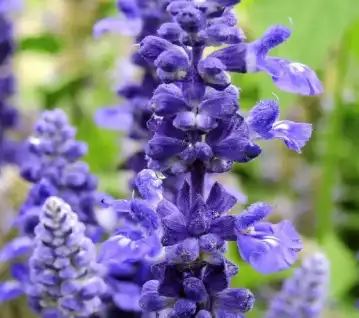
To choose the right plant item, you must first understand the main differences between these two types of clary sage. Both ingredients come from the same plant species, Salvia sclarea L., but the way they were extracted and the chemicals that were made make them very different and better suited for different commercial uses.
What is Sclareol Powder?
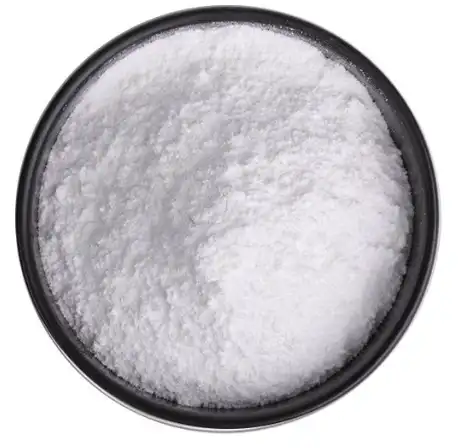
Sclareol powder is a very pure bicyclic diterpene alcohol that was taken from clary sage concrete using advanced solvent extraction methods. The HPLC test shows that this white to off-white crystalline powder is ≥98.0% pure, and its freezing point is between 124°C and 126°C. Through the separation process, the sclareol molecule is separated, making a normal active ingredient that always works well. We see that sourcing teams are becoming more interested in this ingredient because it gets rid of the variability that comes with whole-plant extracts and provides accurate performance measures that are needed for large-scale production runs.
How Clary Sage Oil Differs?
The flowering tops and leaves of the clary sage plant are steam-distilled to get the oil. The oil has a complex smell that includes linalool, sclareol, germacrene D, linalyl acetate, and many other volatile chemicals. This essential oil usually only has 1% to 3% sclareol in it. It also has a lot of other phytochemicals that give it its characteristic green and slightly sweet smell. The process of steam distillation keeps the plant's natural chemical variety. This makes the oil very valuable in aromatherapy and fragrances, where complexity is more important than the quantity of a single compound.
Extraction Methods and Their Impact
The extraction method has a big impact on the end product's properties. For Sclareol Powder, solvent extraction uses organic solvents at a controlled temperature to separate target molecules. This is followed by refining steps like crystallization and filtration. This method creates single compounds that are very pure and have solvent levels that are tightly managed below 5000 ppm. These compounds meet USP/EP safety standards. On the other hand, steam distillation for clary sage oil only uses water vapor and heat to make a product that is free of any solvents and still has all of the plant's natural chemicals, though there may be more differences between harvest batches based on how the plants were grown and how mature they are.
Comparing Benefits and Uses
When procurement professionals know how these ingredients work in various industrial settings, they can make choices based on facts that are in line with their product goals and market positioning strategies.
Stability and Shelf Life Considerations
Sclareol powder has amazing stable benefits that have a direct effect on planning production and keeping track of supplies. Its crystalline solid form stays chemically stable for 24 months when kept at room temperature in cases that are tightly sealed. It doesn't change much even when heated up to 80°C during production. Because it can handle high temperatures, it is perfect for hot-pour formulas and processes that need to be done at high temperatures. The low moisture content and lipophilic nature of the substance stop microbes from growing without the need for extra protection.
Functional Performance in Formulations
Because Sclareol powder is so concentrated, it gives controlled doses of known useful effects. According to research, sclareol has antimicrobial qualities against certain skin microbes and lipolytic activity that is useful for body care products. Its well-defined chemical structure makes it possible to accurately calculate molar concentrations, which is very important when making goods that claim to have certain functions. The powder form works well with dry systems, pressed powders, and oil-phase ingredients because it doesn't add any water activity that could make the stability worse.
Application Versatility Across Industries
Through its complex phytochemical structure, clary sage oil adds more to the way things smell and work. The linalyl acetate content gently conditions the skin, and the aromatic profile adds a natural scent that makes people think the product is of better quality. This level of complexity is useful in clean beauty products because ingredient lists are easier to read when they use common plant names instead of chemical compounds that are kept separate. Because the oil can do more than one thing, it can be used as an active ingredient, a flavor component, and a natural protection booster in some types of formulations.
In the taste and fragrance industries, sclareol powder is an important starting material for making ambroxide, which is a highly valued ambergris substitute that gives high-end scents their warm, woody, fixative notes. This industrial use has the highest market demand for high-purity sclareol, and stable quality has a direct effect on the results of later steps in the process and the performance of the end fragrance.
Nutraceutical companies put Sclareol Powder in dietary products that help keep hormones in order and support metabolism. The powder form makes the packaging process easier and lets you precisely dose at the milligram level, which meets the standards of the label claim. Its lipophilic solubility property helps with bioavailability when combined with the right delivery methods.
Based on the structure of the product, cosmetic companies use both chemicals in different ways. Sclareol powder works great in stick formulas, oil serums, and anhydrous balms because its solid form adds body and provides useful benefits. Clary sage oil is used in water-based emulsions, toners, and aromatherapy products. Its volatile aromatics make the products smell and taste better, and their many parts work together to help the skin.
Practical Application Guidelines in Industrial Use
To make good formulations from the ingredients you choose, you need to know how much to use, how to make sure the ingredients work well together, and what rules the government has for each type of product.
Recommended Dosage Levels
Cosmetics usually have Sclareol powder in them at levels ranging from 0.1% to 2.0%, based on the product format and the functional effects that are wanted. Higher concentrations may be used in anti-aging creams that aim to improve skin texture, while lower numbers are more successful in body care items that target specific problems. Because the powder is so strong, it's possible to get useful results at low inclusion rates that keep the cost-in-use profile high.
Formulation Compatibility and Processing
Clary sage essential oil is usually found in cosmetics at a concentration of 0.5% to 3.0% for practical purposes. However, scented products may contain higher concentrations up to 5.0% if the scent is the main benefit of the product. Some ingredients may have maximum use levels that are set by regulations for leave-on vs. rinse-off uses. This means that formulations need to be carefully designed to account for these limits.
To add Sclareol powder, the right solubilization methods must be used that meet the structure of the mixture. The chemical is easily broken down by lipophilic carriers, such as plant oils, esters, and silicone derivatives. Heating slowly to 50–60°C makes dissolving easier while staying well below the freezing point. This keeps the active ingredient from being damaged by heat. Standard emulsification steps can be used to make lotions and creams after the solids have been broken down into the oil phase.
Because it is a liquid, clary sage oil is easy to mix with most types of formulations. Using the right detergents to emulsify water-based systems is important, while adding anhydrous goods directly and mixing them is all that's needed. Because the oil is volatile, it needs to be kept away from high temperatures for long periods of time during handling. Adding essential oils when the temperature drops below 40°C keeps the smells and stops them from evaporating.
Regulatory Compliance in Different Markets
Both materials can be used in cosmetics in North America as long as they are made according to good production practices. However, finished products with essential oils must have the right allergen labels if certain parts exceed the limits set by regulators. Cosmetics don't need to be approved by the FDA before they can be sold, but makers are still responsible for making sure the products are safe and have the right labels.
The Cosmetics Regulation (EC) No. 1223/2009 sets tougher rules for the cosmetics industry in Europe. When present in amounts above 0.001% in leave-on products or 0.01% in rinse-off products, clary sage oil must be labeled because it contains naturally occurring allergens. Some of these chemicals are linalool and limonene, which turn into sensitizing compounds when they come into contact with air. Product Information Files must have safety reviews that address these issues and include facts to back them up.
Making the Right Choice for Your Business
When choosing strategic ingredients, you have to think about a lot of things, like how well the product needs to work, how much it costs, how you want to sell it, and what your manufacturing setting allows you to do.
Decision Criteria for Different Applications
When standardization, stability, and exact functional results are important in the formulation process, Sclareol powder is the right choice. When brands market their goods with specific amounts of active ingredients and benefits that can be measured, the powder form backs up these claims with real data. When manufacturing companies work with big batches, having less complicated supplies and longer shelf lives makes planning production easier. Companies that want to sell their products to people who value scientific proof and clinical support have found that using pure chemicals makes it easier to do studies with clear dose-response relationships.
Cost-Effectiveness Analysis
When marketing a product that stresses natural complexity, aromatherapy benefits, and holistic health stories, choosing clary sage oil can be helpful. Putting "clary sage oil" on ingredient lists instead of technical chemical names helps clean beauty brands market better because people are more likely to recognize plant names. Small-scale craft makers like that the oil is already mixed and ready to use, so they don't have to do any extra steps to make it liquid. Products where the smell is a big part of how valuable people think they are benefit from the oil's natural aromatic profile, which can't be fully replicated by manufactured or isolated chemicals.
To make true cost comparisons, you need to look at more than just the price per kilogram of the raw materials. You also need to look at the cost-in-use based on the real formulation percentages and the functional results that were provided. Sclareol powder costs more per kilogram because it is purer and harder to process, but if you use less of it, you might be able to get a better cost-per-finished-unit. The longer consistency cuts down on waste from old stock and makes warehouse management easier.
Future Trends Influencing Ingredient Selection
Clary sage oil usually has lower entry costs, which makes it easier for new brands with little money to get started. However, the higher doses needed to get the same amount of the active sclareol chemical may cancel out any savings that are seen. A shorter shelf life means that you have to carefully handle your goods and may need to reorder more often, which adds to your administrative costs and leaves your business open to price changes.
As the market moves toward more openness and accountability, it benefits sellers who give detailed information about where their ingredients come from, no matter what shape they come in. Tracking systems that use blockchain and QR codes that connect customers to information about farms are new standards that buying teams should think about when choosing a supplier. These efforts to be more open can include both Sclareol Powder and clary sage oil as long as sellers keep detailed records of the supply chain.
As brands respond to customer concerns about the environment, sustainability factors are becoming more and more important in buying choices. Suppliers who show they use sustainable agriculture, carbon-neutral businesses, and circular economy projects have an edge over their competitors. To figure out the total impact on the environment, you have to look at things like the amount of liquid used and recovered in Sclareol Powder production compared to the amount of energy and water used in steam distillation, as well as the farming methods used to grow the raw materials.
Conclusion
The choice between Sclareol Powder and clary sage oil comes down to how well the properties of each ingredient match the needs of the product, the company's resources, and its marketing goals. Sclareol powder is very pure, stable, and standardized, which supports clinical claims and makes regulatory compliance easier. This makes it perfect for science-based skincare lines, nutritional uses, and fragrance industry synthesis. The natural complexity of clary sage oil, its aromatherapeutic value, and its consumer-friendly placement make it a good fit for clean beauty and holistic health products. Instead of just looking at the price of the ingredients at first, procurement professionals who are good at their jobs weigh these choices against real factors like functional performance data, total cost-of-ownership calculations, supply chain reliability, and strategic alignment with brand values.
FAQ
1. Can sclareol powder and clary sage oil be used interchangeably in formulations?
These items are not straight substitutes because they are fundamentally different in how they are made and how they look. Sclareol powder is made up of highly concentrated, isolated sclareol that needs to be dissolved in lipophilic carriers. On the other hand, clary sage oil is a ready-to-use liquid that has more than just sclareol in it. When you switch between these items, you have to reformulate, which means changing the amounts used and the way the food is processed. Functional results are different because of differences in concentration and the fact that the essential oil has chemicals that work together, while the powder only has effects from single molecules.
2. What certifications should buyers require when purchasing these ingredients in bulk?
Priority certifications include certificates of analysis from recognized labs, organic certifications from well-known programs when getting materials that are organic, and allergen statements for makeup use. For pharmaceutical-grade purchases, suppliers should provide cGMP paperwork, MSDS/SDS sheets with safety handling instructions, and country-of-origin certificates to back up import paperwork. When used for food or supplements, Kosher and Halal certificates are important. Buyers should make sure that the analytical methods used are in line with USP, EP, or ISO protocols, which are widely accepted standards.
3. Are there safety differences between these ingredients in skincare applications?
Both products are very safe when used according to the rules, but there are some differences that need to be taken into account. Compared to complex essential oils, sclareol powder is an isolated compound that makes toxicological testing easier and lowers worries about allergens. Clary sage oil has naturally occurring allergens that need to be labeled under some regulatory systems and may make people who are already sensitive more sensitive. Instead of assuming safety based only on the past of a single ingredient, patch testing procedures should look at finished formulations. Concerns about safety for both products are kept to a minimum by using them in the right amounts and getting them from reliable sources.
Partner with Angelbio for Premium Sclareol Powder Supply
Angelbio has pharmaceutical-grade Sclareol Powder ready to help you reach your recipe goals. This powder is backed by 18 years of independent R&D excellence and strict quality control systems. As an innovative business backed by Angel Holding Group and the Institute of Life and Health Research at Xi'an Jiaotong University, we make sure that every batch meets international standards for purity levels of 98.0% or higher, controlled residual solvents, and full traceability documentation. Our expert team helps with formulations, gives legal advice, and makes unique solutions to meet your needs in the fragrance, cosmetics, and nutraceutical industries. We encourage procurement managers and R&D directors to ask for samples, talk about bulk prices, and learn more about how our supply chain integration and technological innovation offer reliable, high-performing botanical ingredients that make your business more competitive. Get in touch with our team at angel@angelbiology.com to talk about your needs for Sclareol Powder and find out why top manufacturers choose Angelbio as their chosen provider.
References
1. Burdock, G.A. (2016). Fenaroli's Handbook of Flavor Ingredients, Sixth Edition. CRC Press, Boca Raton.
2. Croteau, R., & Martinkus, C. (1979). Metabolism of monoterpenes: Evidence for the function of a cytochrome P450 in the conversion of sclareol to sclareolide. Plant Physiology, 64(2), 169-175.
3. Demirci, B., Baser, K.H.C., & Tabanca, N. (2018). Essential Oils: Chemistry and Pharmacology. In: Flavors and Fragrances. Springer Handbook of Odor.
4. Kowalski, R. (2007). GC analysis of changes in the chemical composition of clary sage (Salvia sclarea L.) during ontogenesis. Chromatographia, 66(1), 71-76.
5. Peana, A.T., & Moretti, M.D. (2002). Pharmacological activities and applications of Salvia sclarea and Salvia desoleana essential oils. Studies in Natural Products Chemistry, 26, 391-423.
6. Sharopov, F.S., Zhang, H., Wink, M., & Setzer, W.N. (2015). Aromatic medicinal plants from Tajikistan: Chemical composition of essential oils of Mentha longifolia, Prangos pabularia, and Salvia sclarea. Natural Product Communications, 10(9), 1547-1550.