



Slippery Elm Bark Explained: Traditional Uses, Ingredient Applications, and Why It’s Gaining Attention
Slippery elm bark powder is made from the dried and milled inner bark of Ulmus rubra, a tree native to eastern North America. When mixed with water, it produces a smooth, gel-like mucilage that has a long history of traditional use in North American botanical preparations. Interest in this ingredient is growing as consumers and product developers explore familiar plant-based materials for teas, drink mixes, capsules, and lozenges. Its distinctive water-absorbing properties also make it an ingredient of interest for different formulation formats. This article discusses its botanical identity, traditional background, preparation, sourcing, and formulation considerations. It is intended for ingredient education and product development reference.
What Is Slippery Elm Bark Powder?
Botanical Definition and Plant Part
Slippery elm bark powder is made from the inner bark of Ulmus rubra, also known as Ulmus fulva. Producers collect the bark, separate the inner portion, dry it, and mill it into powder. The inner bark is the preferred material because it contains mucilage, which contributes to its characteristic texture when mixed with water. The outer bark has a different structure and does not produce the same smooth consistency. The powder is not interchangeable with whole bark pieces, concentrated extracts, or standardized herbal ingredients that undergo additional processing. When reviewing a specification sheet, buyers should first check the Latin name, plant part, and product form. A label that states only “slippery elm” does not provide enough information for a technical purchasing decision.


Mucilage and Typical Specifications
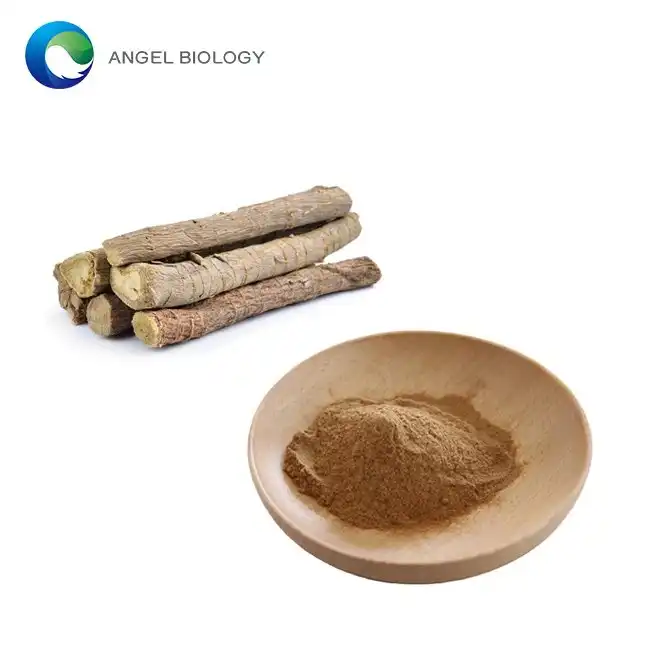
Mucilage is one of the main characteristic components of slippery elm inner bark. It contains water-absorbing polysaccharides that expand when mixed with liquid and contribute to a smooth, viscous texture. Technical data sheets may include particle size or mesh information. For example, finer powders may be considered for capsule filling and blended products, while coarser materials may be selected for certain tea or beverage preparations. The appropriate particle size depends on the intended application and processing equipment. Swelling capacity and viscosity can also be useful indicators of functional performance when measured using a consistent method. Inner bark powder is generally light beige to pinkish brown and has a characteristic mild botanical aroma. Material containing excessive outer bark or foreign matter may differ in colour, texture, and swelling behaviour. Buyers should confirm these characteristics through product specifications and sample evaluation.
Why Does Composition Vary?
Composition and performance may vary with geographical origin, harvest conditions, drying, moisture content, milling, and storage. Two batches carrying the same product name may hydrate at different rates or produce different levels of viscosity. Buyers should therefore review certificates of analysis, microbiological results, heavy metal testing, allergen declarations, and confirmation of the plant part used. For dietary supplement ingredients in the United States, relevant product identity and documentation requirements should also be considered during supplier qualification. These differences can be evaluated more effectively by requesting a representative sample before placing a large order.
Slippery Elm Bark Powder: Traditional Uses, Ingredient Properties, and Preparation
How Does the Mucilage Behave?
When slippery elm bark powder is mixed with water, its mucilage absorbs liquid and forms a thick, smooth mixture. This distinctive texture is the basis of its traditional use in North American botanical preparations, including products intended for throat-oriented and digestive-wellness categories. However, the presence of mucilage and its physical properties should not be interpreted as proof of a specific clinical effect. Research on botanical ingredients and multi-ingredient formulations may provide background information, but findings from one preparation cannot automatically be applied to every commercial slippery elm powder. For ingredient buyers, the more practical considerations are botanical identity, mucilage characteristics, swelling behaviour, and consistency between batches. These measurable properties can help formulators determine whether the material is suitable for their intended product.
Common Preparation Formats
Common preparation formats include teas, smoothies, functional drinks, soft foods such as oatmeal or applesauce, and simple pastes. Water ratio, temperature, mixing method, and standing time can all affect viscosity and mouthfeel. Warm water may help the powder hydrate more evenly, while allowing the mixture to stand for several minutes can provide time for the mucilage to develop. A practical approach is to mix the powder with a small amount of liquid first to reduce clumping, then gradually add the remaining liquid. Use clean utensils and keep opened powder in a dry, sealed container. Product developers can explore these characteristics when designing botanical drink mixes, lozenges, powdered blends, or other products where texture and ingredient presentation are important.
Using It Responsibly
There is no single serving recommendation that applies to every slippery elm product. Serving size depends on the ingredient form, concentration, finished product design, consumer age, labeling requirements, and applicable market regulations. Consumers should follow the instructions on the finished product label and use the product as directed. Because mucilage may affect the timing of oral product use, some product guidance recommends separating its consumption from oral medicines. Consumers taking prescription medicines should consult a qualified healthcare professional or pharmacist about appropriate use and timing. Persistent digestive discomfort, difficulty swallowing, chest pain, or unexplained weight loss should be discussed with a healthcare professional rather than managed through self-directed use of a botanical ingredient.
Slippery Elm Bark Powder Compared With Other Formats and Ingredients
Powder, Capsules, and Lozenges
Powder is versatile and can be incorporated into teas, drinks, pastes, and customized blends. Capsules offer convenient portioning and a neutral taste experience, but very fine powder may create flow or filling challenges in high-speed encapsulation equipment. Formulators may need to assess particle size, bulk density, and suitable processing aids. Lozenges provide a different product format and require additional development work involving compression or heating conditions, texture, and product stability. Excessive heat or unsuitable processing conditions may affect the physical characteristics of mucilage-containing ingredients. The best format depends on consumer preferences, product positioning, and manufacturing equipment. Many development teams begin with a powder blend because it offers formulation flexibility, then evaluate capsules or lozenges after conducting suitable processing trials.
Marshmallow Root as a Comparison
Marshmallow root (Althaea officinalis) also contains mucilage and is used in traditional botanical preparations alongside slippery elm bark powder. However, it should not be treated as an automatic substitute. The two ingredients differ in botanical identity, composition, flavour, texture, source, and consumer familiarity, and these differences may influence the finished product. Some brands combine the two materials to create a broader botanical ingredient profile. Before replacing one with the other, conduct side-by-side tests for hydration, viscosity, taste, and compatibility at the intended use level. The product team should also review the ingredient declaration, product specifications, and market-specific labeling requirements after any formulation change.
Psyllium Husk as a Comparison
Psyllium husk is obtained from the seed coats of Plantago ovata. It is commonly used as a source of soluble dietary fibre and has different hydration and swelling characteristics from slippery elm bark. The two ingredients also serve different formulation roles. Psyllium is generally selected for fibre-related product positioning, while slippery elm is valued in botanical formulations for its mucilage content and characteristic texture. Their swelling behaviour, ingredient specifications, and labeling considerations are not identical. One ingredient should not be substituted for the other without appropriate testing. Pilot batches that measure viscosity, mouthfeel, dispersion, and stability provide R&D and procurement teams with useful information before a material change is approved. Early testing can help reduce unnecessary reformulation costs.
How to Choose and Buy Slippery Elm Bark Powder?
Identity and Quality Checks
Start by confirming the botanical identity as Ulmus rubra and ensuring that the supplied material is inner bark. Identity testing is important because substitution or adulteration with other plant materials may occur in botanical supply chains. Microscopic examination can help identify characteristic plant tissues and other diagnostic features, while HPTLC fingerprinting may be used as part of botanical identity assessment. Request current Certificates of Analysis covering relevant microbiological limits, heavy metals, and pesticide residues. If the product is marketed as organic, request a valid certificate that covers the actual product and supply chain rather than relying on an organic statement on the label. Non-GMO claims should also be supported by appropriate supplier documentation. Raw materials and powders produced using different drying or milling conditions may vary in colour, aroma, moisture, and hydration behaviour. Sample testing is therefore important for confirming suitability for the intended application. Supplier evaluations should be supported by technical documents and product-specific testing.
Small Packs, One-Pound Formats, and Bulk Supply
Small packs are useful for initial evaluation and sample testing, while one-pound formats may suit small brands and pilot production. Bulk supply can reduce the unit cost but requires adequate storage space, moisture protection, and shelf-life management. Buyers should enquire about price tiers, minimum order quantities, sample availability, lead times, packaging options, and export documents. The total landed cost should include freight, customs duties, taxes, documentation, and delivery-related expenses. It is also helpful to confirm formulation requirements, packaging specifications, labeling information, and manufacturing dates before placing an order. This alignment can reduce project delays and avoid unexpected issues during warehouse receiving and production.
Supplier and Manufacturer Evaluation Checklist
When evaluating a producer of slippery elm bark powder, buyers should review controlled sourcing, botanical identification, milling procedures, foreign-material prevention, allergen management, hygienic processing, and batch consistency. They should also ask whether the supplier can support bulk supply, private labeling, customized blending, packaging options, and technical consultations. Third-party testing, non-GMO, and certified organic claims should be supported by relevant documentation, including identity records, organic certificates where applicable, pesticide data, microbiological analysis, and heavy metal assessments. Sustainable sourcing and traceability from raw material origin to finished batch can also support long-term supply planning. Angelbio reports more than 18 years of independent R&D and testing experience in natural ingredients. Buyers can contact the team to discuss product specifications, available documentation, and sourcing requirements for their intended applications.
Quality, Formulation, and Market Demand
Technical Factors That Shape Performance
The performance of slippery elm bark powder can be influenced by particle size, moisture, bulk density, water absorption, viscosity, microbiological quality, colour, and flavour. This explains why materials from different vendors, or even different batches from the same source, may behave differently. The powder can be dispersed in liquid formulations, but it is not necessarily fully soluble in water. Particles may settle over time and create a cloudy appearance, so a finished beverage may require a suitable suspension system or a “shake before use” instruction. Processing conditions should also be considered. Any heat treatment or microbial reduction process should be evaluated for its effect on the ingredient's physical properties and hydration performance. Buyers should ask suppliers for information about the processing method and request swelling or viscosity data where available. Sample testing before and after relevant processing steps can help determine whether the material meets the formulation requirements.
Trials Before Launch
Potential product formats include teas, botanical powders, functional drinks, smoothie mixes, capsules, lozenges, and pastes. Each format has different processing and stability requirements, so brands and OEM customers should conduct small-scale trials before commercialization. Evaluate dispersion, mouthfeel, flavour, stability, packaging compatibility, and preparation instructions under conditions that reflect actual manufacturing. A powder that mixes smoothly in a laboratory beaker may still form clumps in a production mixer or settle in a packaged beverage during storage. Early trials help identify these issues while adjustments are still manageable. They also provide R&D, procurement, and product teams with practical information for evaluating the ingredient and finished formulation.
Why Is It Becoming Popular in Digestive Wellness?
Interest in recognizable, plant-based botanical ingredients continues to create opportunities in several product categories. Slippery elm bark powder may be considered for botanical drink mixes, traditional-use inspired products, lozenges, private-label supplements, and other plant-based formulations. However, adding an ingredient alone does not create a distinctive product. Botanical identity, consistent quality, transparent sourcing, suitable labeling, convenient formats, and reliable supply all contribute to product development and purchasing decisions. Future market opportunities may be supported by documented sourcing, relevant third-party testing, carefully designed botanical blends, responsible harvesting, and responsive technical support. Brands that consider these factors from the beginning can build a more reliable product development and sourcing process.
Conclusion
Slippery elm bark powder is a botanical ingredient derived from the inner bark of Ulmus rubra. Its mucilage content gives it distinctive water-absorbing and thickening properties, which contribute to its traditional use and make it relevant to a range of botanical formulations. Product performance depends on the raw material, processing conditions, preparation method, and finished product format. Powder, capsules, lozenges, marshmallow root, and psyllium serve different formulation and market requirements. For business buyers, sourcing involves more than comparing prices. Botanical identification, inner bark verification, specification consistency, certificates of analysis, testing, traceability, applicable organic documentation, and pilot trials all contribute to a more informed purchasing decision. Evaluating technical capability, documentation, and formulation suitability before supplier approval can help support consistent ingredient sourcing and product development.

FAQ
Q1: What is slippery elm bark powder made from?
A: It is made from the dried and milled inner bark of Ulmus rubra. The ingredient is traditionally valued for its mucilage content and is commonly incorporated into liquid preparations, botanical blends, and other product formats.
Q2: How often can I use it?
A: Serving instructions vary depending on the finished product, ingredient concentration, and format. Follow the product label and consult a qualified healthcare professional or pharmacist if you have questions about use alongside oral medicines.
Q3: Can it go into a private-label product?
A: Yes. Slippery elm bark powder can be evaluated for private-label botanical products after reviewing the formulation, ingredient specifications, and applicable labeling requirements. Pilot trials should assess dispersion, flavour, stability, and packaging compatibility.
Q4: What should I request from a supplier?
A: Request botanical identity information, product specifications, batch-matched certificates of analysis, relevant testing records, organic documentation where applicable, traceability information, minimum order quantities, packaging options, and technical support.
Request Slippery Elm Bark Powder Samples and Specifications from Angelbio
Looking for a reliable slippery elm bark powder supplier? Angelbio supports supplement brands, distributors, and OEM teams with natural ingredient sourcing and technical services. Contact us at angel@angelbiology.com to request available samples, product specifications, certificates of analysis, pricing, minimum order quantities, lead times, and packaging options. Our team can also discuss customized blending requirements for teas, powdered products, capsules, lozenges, and functional beverages.

References
1. Journal of Applied Research, 2012 – “Slippery Elm, Its Biochemistry, and Use as a Complementary and Alternative Treatment for Laryngeal Irritation.” Please verify the exact article title, authors, and publication details before use.
2. Journal of Alternative and Complementary Medicine, 2010 – “Effects of Two Natural Medicine Formulations on Irritable Bowel Syndrome Symptoms: A Pilot Study.” Please verify the exact article title and whether the study directly evaluated slippery elm before citing it as ingredient-specific evidence.
3. Foods, 2021 – “A Comprehensive Review on Plant-Derived Mucilage: Characterization, Functional Properties, Applications, and Its Utilization for Nano Encapsulation.”
4. Herbs of Commerce, American Herbal Products Association, 2000.
5. U.S. Food and Drug Administration – Dietary supplement regulatory information and applicable provisions under 21 CFR Part 111. Verify the current regulatory text and its relevance to the intended product category.
6. United States Pharmacopeia–National Formulary (USP–NF), 2023 – Microbiological testing references for applicable nonsterile materials. Confirm the specific chapter or monograph before citing.