



How Is Acerola Cherry Extract Powder Standardized for Vitamin C?
Acerola cherry extract powder is standardized for vitamin C by setting a target assay, controlling raw material selection and processing conditions, adjusting the formulation when necessary, and testing each batch against the agreed specification. Producers select acerola fruit based on variety, maturity, and quality, then process and dry the material under controlled conditions to help retain its vitamin C content. Commercial grades may contain different vitamin C levels, with some specifications ranging from 17% to 25%. Higher-assay grades may also be available, depending on the raw material and production process. The final result should be verified using a suitable analytical method, such as HPLC or a validated titration method, and recorded in a batch-specific Certificate of Analysis (COA). This guide takes formulation and procurement teams through each stage of the standardization process.
What Does "Standardized for Vitamin C" Mean in Acerola Cherry Extract Powder?
A Defined Target, Checked on Every Batch
Standardization means that a supplier establishes a defined vitamin C specification and tests each production batch against it. A specification may state "vitamin C 17% minimum by HPLC" or provide a range, such as 17% to 25%. The test method, acceptance limits, and batch records should all be clearly documented. Without these details, a general statement such as “high vitamin C” provides limited information to formulators. Acerola fruit naturally varies in vitamin C content from harvest to harvest due to differences in variety, growing conditions, and maturity. A standardized powder provides a more consistent reference value for ingredient calculations, formulation development, and batch-to-batch quality evaluation. Buyers should still verify the actual assay of each supplied batch rather than rely solely on a typical product value.


Acerola Powder, Extract Powder, and Standardized Grades
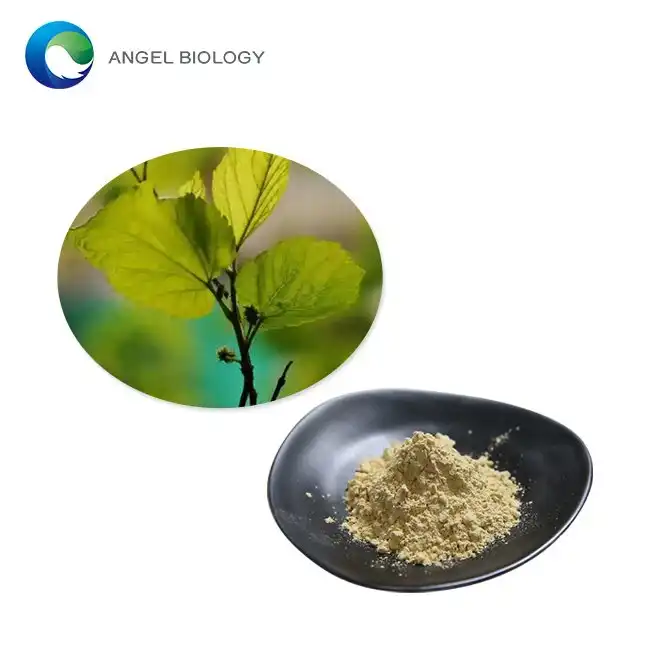
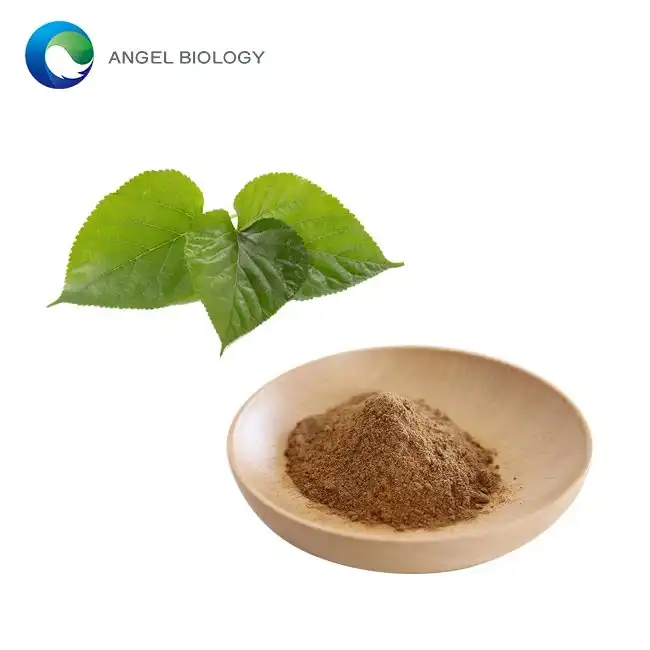
Natural acerola powder generally refers to dried fruit juice or pulp, and its vitamin C content may vary without a defined assay target. Acerola extract powder is a processed ingredient that may involve concentration and drying steps. A standardized grade has an additional defined vitamin C specification supported by analytical testing. Angelbio's acerola cherry extract powder may be offered in different vitamin C specifications, including grades in the 17% to 25% range, with higher-assay options subject to product availability and verification. The powder's appearance may range from light pink to reddish beige depending on the raw material, processing method, and carrier system. Its dispersion and solubility characteristics should also be confirmed for the specific grade, since carrier composition and processing can influence performance in water-based formulations. Always check the current specification sheet and COA before ordering.
Natural Vitamin C vs. Added Ascorbic Acid
The source of vitamin C matters when buyers are evaluating ingredient composition and product labeling. Acerola fruit naturally contains vitamin C, primarily in the form of ascorbic acid. However, some manufacturers may add ascorbic acid during processing or standardization to achieve a target assay. This can affect how the ingredient should be described and labeled in different markets. Standard HPLC testing can quantify vitamin C content, but it does not independently establish whether the vitamin C originated naturally from acerola or was added separately. Isotope analysis, including carbon isotope ratio testing, may provide additional information about the origin of carbon in certain cases, but interpretation requires appropriate reference materials and analytical expertise. For brands seeking a fruit-derived vitamin C ingredient, ask the supplier to confirm in writing whether additional ascorbic acid is used and request supporting documentation for any natural-origin claim.
How Is Acerola Cherry Extract Powder Standardized for Vitamin C?
Step One: Fruit Selection and Harvest Timing
Standardization of acerola cherry extract powder begins with raw material selection. Fresh acerola fruit can contain high levels of vitamin C, but the actual amount varies considerably with cultivar, growing environment, maturity, and harvest conditions. Fruit maturity may influence vitamin C concentration, although the relationship is not identical across all varieties and growing regions. Producers therefore establish suitable raw material selection criteria and harvest periods to help maintain a consistent starting quality. They also aim to minimize the time between harvesting and processing because fresh fruit is perishable and its vitamin C content can change during storage. Farm records, supplier documentation, and lot traceability help quality teams monitor the source material and evaluate differences between incoming batches.
Step Two: Processing, Concentration, and Drying
The fruit is sorted and washed before being pressed or pulped. The resulting juice or pulp may then be concentrated and dried, commonly through spray drying or freeze drying. Vitamin C is sensitive to heat, oxygen, light, and moisture, so processing conditions should be selected to limit unnecessary exposure to these factors. Natural sugars and other fruit components can also affect the drying process and powder handling properties. A carrier, such as maltodextrin or tapioca-derived ingredients, may be used to support drying, improve powder flow, and help manage moisture absorption. The actual carrier and its proportion should be disclosed because they influence the vitamin C concentration calculated on a total powder basis, as well as solubility, flavour, and cost per unit of active vitamin C. Moisture should be measured against the product specification rather than assumed to have one universal target.
Step Three: Blending to Specification and Batch Release
Raw material batches do not always reach the required vitamin C level naturally. Manufacturers may evaluate dried material, blend batches with different assay levels, or adjust the carrier proportion to achieve a defined specification. Buyers should ask how standardization is performed and whether additional ascorbic acid is used. Each approach can affect ingredient composition and labeling. The final stage is batch testing and release. Representative samples are submitted for analysis, and the results are recorded in the COA. The batch should meet the agreed specifications before it is approved for supply. For U.S. dietary supplement applications, buyers should also consider applicable FDA requirements for ingredient identity, specifications, and supporting records.
How Is Vitamin C Content Measured, and What Affects It?
HPLC and Titration: Choosing the Method
Two commonly used approaches for measuring vitamin C in acerola cherry extract powder are titration and HPLC. Titration methods, including AOAC Method 967.21 using 2,6-dichloroindophenol, can be practical for certain materials and applications. However, other reducing substances in complex fruit extracts may interfere with the result, depending on the sample and method conditions. HPLC separates ascorbic acid from other components before measurement and can offer greater selectivity for complex botanical matrices when the method is properly developed and validated. Research comparing vitamin C measurement methods in tropical fruits has also highlighted the importance of method selection and sample preparation. The practical rule is straightforward: choose a method suitable for the ingredient, verify its performance, and clearly identify it on the COA so that the buyer's laboratory can interpret and compare the results.
What a Useful Certificate of Analysis Shows
A COA should be specific to the supplied batch rather than a general product sample. Buyers should look for the batch number, test date, actual assay result, specification range, analytical method, moisture, microbiological results, heavy metals, and laboratory information where available. It is also important to distinguish between different types of values. A typical value describes an expected result, a minimum specification indicates the lowest acceptable level, and a tested result shows what the laboratory measured in a particular batch. Confusing these figures can lead to incorrect formulation calculations and purchasing decisions. If a supplier provides only a typical analysis, request a batch-specific COA for the sample or order and compare the results with the current product specification.
Factors That Move the Vitamin C Number
Several factors can influence the final vitamin C result. Before processing, these include fruit variety, maturity, weather, cultivation conditions, and the time between harvest and processing. During production, temperature, light, oxygen, moisture, and holding time can affect vitamin C retention. Humidity and temperature are also important during transportation and storage. Acerola powder may absorb moisture from its surroundings, so buyers should consider moisture-resistant packaging, such as sealed inner bags with suitable outer protection. Storage conditions should follow the supplier's product-specific recommendations. Keeping the powder away from excessive heat, humidity, and direct light can help maintain its quality. After opening, reseal the package promptly and minimize exposure to air and moisture. For international shipments or products sold in different climates, request available shelf-life information and conduct stability testing on the finished formulation under relevant storage conditions.
Acerola Cherry Extract Powder vs. Other Natural Vitamin C Ingredients
Acerola vs. Ascorbic Acid
Vitamin C concentration is usually expressed in terms of ascorbic acid content. Pure ascorbic acid contains approximately 100% vitamin C, whereas acerola cherry extract powder with a 17% assay requires approximately 588 mg of powder to provide 100 mg of vitamin C (100 ÷ 0.17). At a 25% assay, approximately 400 mg is required. These ingredients therefore cannot be substituted on a 1:1 weight basis. Ascorbic acid is often more concentrated and may have a lower cost per milligram of vitamin C, while acerola offers a fruit-derived ingredient identity and a different flavour and colour profile. Formulators should evaluate assay, acidity, taste, colour, and compatibility with the finished product, particularly in protein beverages and other complex systems. Published research comparing synthetic and food-derived vitamin C has generally reported similar bioavailability under the conditions studied. The purchasing decision should therefore consider ingredient origin, labeling requirements, formulation characteristics, and total cost.
Camu Camu and Rosehip
Other botanical sources of vitamin C include camu camu and rosehip. These ingredients differ in geographical origin, natural composition, flavour, supply availability, and vitamin C concentration. The phrase "natural vitamin C" alone does not provide enough information for a technical comparison. Evaluate each option using the same criteria: declared vitamin C percentage, analytical method, carrier composition, and current batch-specific COA. Then assess flavour, colour, dispersion, and compatibility in the intended formulation. An ingredient that performs well in a capsule may not be suitable for a clear beverage. Comparing all candidates in one specification table helps procurement and R&D teams make a more informed sourcing decision.
Spray-Dried vs. Freeze-Dried Acerola
Both spray drying and freeze drying are used to process acerola materials, but the drying method alone should not determine the purchasing decision. Freeze drying may help retain certain heat-sensitive components under suitable conditions, but the final vitamin C content also depends on the original fruit, processing parameters, carrier composition, and storage conditions. Buyers should compare actual assay results, moisture, solubility or dispersion, stability data, production scale, and price per unit of active vitamin C. If the application allows, request samples of both forms and evaluate them side by side in the intended formula. The COA and pilot test results provide a more reliable basis for selection than the drying method stated on a product brochure.
Choosing the Right Specification and Supplier
Matching the Specification to Your Application
Choose the target vitamin C level according to the intended application before selecting an acerola cherry extract powder grade. Supplement formulations require accurate serving calculations, capsule or sachet suitability, and appropriate ingredient-origin documentation. Beverages need suitable dispersion, flavour, colour, acidity, and processing stability. Gummies require evaluation of taste, processing temperature, moisture, and interactions with sugars and acids. Nutritional powders and functional food blends should be assessed for bulk density, moisture, dispersibility, and compatibility with proteins or fibres. For cosmetic applications, buyers should confirm the suitability of the ingredient for the intended use, including colour, odour, microbiological quality, and market-specific documentation. If a fruit-derived vitamin C source is a priority, acerola may be a suitable candidate. Other formulations may benefit from a higher-concentration or more neutral ingredient. The final decision should be based on the complete formulation requirements.
Evaluating Suppliers and Building a Checklist
A reliable supplier should be able to provide relevant documentation without unnecessary delays. Key documents include a product specification sheet, batch-specific COA, analytical method information, available stability data, safety data, allergen and non-GMO declarations, organic certificates where applicable, and country-of-origin records. Buyers should also enquire about production controls, HACCP-related procedures where applicable, traceability, complaint handling, and recall arrangements. Commercial factors include MOQ, lead time, production capacity, samples, private-label support, and export documentation. Verify the extraction or concentration process, drying method, carrier composition, shelf life, and storage recommendations. Once the documentation has been reviewed, test a representative sample or pilot batch for vitamin C assay, dispersion, sensory characteristics, moisture, flowability, and compatibility with the intended formulation.
Common Buying Mistakes
One of the biggest mistakes is purchasing based only on price per kilogram. A cheaper powder with lower vitamin C content or a higher carrier proportion may cost more per milligram of active vitamin C. Landed cost should also include freight, customs duties, packaging, and other delivery expenses. The second mistake is accepting a general “high vitamin C” claim without a defined test method and specification range. Third, buyers may overlook stability testing on the finished formulation because naturally derived ingredients are not automatically stable under every processing and storage condition. Fourth, they may fail to check destination-market requirements for ingredient labeling, organic claims, and product communication, which can differ between countries. Reviewing these four areas before approving a purchase order can help prevent avoidable sourcing and formulation problems.
Conclusion
Vitamin C standardization of acerola cherry extract powder involves control at every stage: selecting suitable fruit, managing processing conditions, controlling moisture and carrier content, blending to a defined specification where necessary, and releasing each batch only after testing. Vitamin C assay may be determined by HPLC or a suitable validated titration method and reported on a batch-specific COA alongside other relevant quality parameters, such as moisture, microbiological results, and heavy metals. Cost varies with raw material source, carrier proportion, drying method, assay level, and storage requirements. Therefore, the most meaningful price comparison is cost per unit of active vitamin C rather than price per kilogram alone. By matching the specification to the intended application and reviewing documentation, sample results, and batch consistency, buyers can make a more informed sourcing decision.

FAQ
Q1: Does standardization mean the vitamin C is natural?
A: Not necessarily. Standardization means that the ingredient is tested against a defined vitamin C target. Ask whether additional ascorbic acid is added during processing and request supporting documentation if a fruit-derived vitamin C claim is important. Isotope analysis may provide supplementary information in certain cases, but it should be interpreted by a qualified laboratory.
Q2: Which test method should I request?
A: HPLC is often suitable for measuring vitamin C in complex fruit-based ingredients because it can separate ascorbic acid from other sample components. Titration may also be appropriate when the method is validated for the material. In either case, the analytical method should be clearly stated on the batch COA.
Q3: How much powder delivers 100 mg of vitamin C?
A: At a 17% vitamin C assay, approximately 588 mg of powder provides 100 mg of vitamin C. At a 25% assay, approximately 400 mg is required. Always use the actual assay result on the supplied batch COA for formulation calculations.
Q4: How should I store the powder?
A: Store the powder in tightly sealed, moisture-resistant packaging and follow the supplier's recommended temperature and humidity conditions. Protect it from excessive heat, moisture, and direct light. Reseal the package promptly after opening.
Request a Standardized Acerola Cherry Extract Powder Sample from Angelbio
Angelbio supplies acerola cherry extract powder for ingredient buyers, supplement brands, distributors, and OEM manufacturers. The company is jointly invested by Angel Holding Group and the Institute of Life and Health Research of Xi'an Jiaotong University, with more than 18 years of independent R&D and testing experience. Send your target vitamin C level, application, destination market, and estimated purchasing volume to angel@angelbiology.com. Our team can provide relevant product specifications, available COA information, sample options, MOQ, lead time, and quotation details to support your ingredient evaluation.

References
1. Journal of Food Science and Technology, 2018. Prakash A., Baskaran R. "Acerola, an Untapped Functional Superfruit: A Review on Latest Frontiers."
2. Journal of Food Composition and Analysis, 2008. Mezadri T., Villaño D., Fernández-Pachón M.S., García-Parrilla M.C., Troncoso A.M. "Antioxidant Compounds and Antioxidant Activity in Acerola (Malpighia emarginata DC.) Fruits and Derivatives."
3. Nutrients, 2013. Carr A.C., Vissers M.C.M. "Synthetic or Food-Derived Vitamin C—Are They Equally Bioavailable?"
4. Food Chemistry, 2006. Hernández Y., Lobo M.G., González M. "Determination of Vitamin C in Tropical Fruits: A Comparative Evaluation of Methods."
5. Official Methods of Analysis of AOAC International, 2019. Method 967.21, "Ascorbic Acid in Vitamin Preparations and Juices."
6. U.S. Food and Drug Administration – 21 CFR Part 101, Food Labeling. Consult the applicable provisions for the intended product and target market.