



Sour Jujube Kernel Extract vs. Jujube Seed: Key Differences
When sourcing botanical ingredients for supplement, functional food, or cosmetic formulations, understanding the difference between Sour Jujube Kernel Extract and raw jujube seed is essential. Sour Jujube Kernel Extract, derived from the kernels of Ziziphus jujuba Mill. var. spinosa, is processed to concentrate selected botanical constituents such as jujubosides and spinosin, while raw jujube seed is a less standardized material with greater natural variability.
This difference can affect marker-compound consistency, formulation control, quality documentation, and sourcing efficiency—key considerations for R&D directors, formulation scientists, and procurement teams evaluating ingredients for sleep-and-wellness positioning, functional beverages, and other botanical products.
Introduction
Formulation scientists and procurement managers in the natural ingredients industry often need to distinguish between raw botanical materials and standardized extracts. Comparing Sour Jujube Kernel Extract with raw jujube seed highlights differences that can influence product development, quality control, and commercial positioning.
Many buying teams may assume that these materials are interchangeable. In practice, their botanical form, processing history, marker-compound levels, and analytical specifications can differ considerably. Standardized extracts can provide defined marker specifications, while raw seed composition may vary according to cultivation, harvest, processing, and storage conditions.
This comparison is designed for B2B procurement specialists, R&D teams, formulation managers, and product developers in nutraceutical, functional food, wellness, and cosmetic markets. By understanding botanical origin, chemical composition, application characteristics, quality requirements, and supplier-selection criteria, buyers can make more informed sourcing decisions and build a more reliable supply chain.

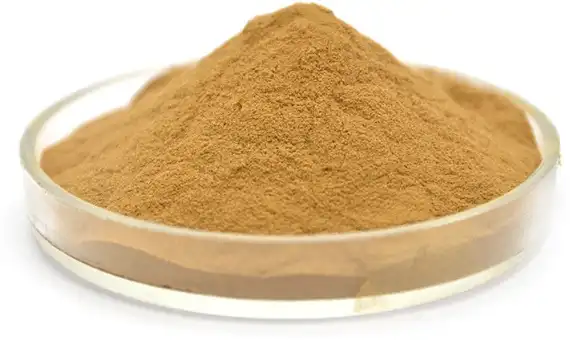
Understanding Sour Jujube Kernel Extract and Jujube Seed
Botanical Origins and Processing Methods
Ziziphus jujuba Mill. var. spinosa, commonly known as sour jujube or Suan Zao Ren in traditional Chinese use, produces small fruits containing hard-shelled seeds. The kernel is located inside the seed and is the primary botanical material used for Sour Jujube Kernel Extract.
In contrast, the term “raw jujube seed” can refer to the whole seed or a minimally processed seed preparation. The shell and surrounding plant material can dilute the concentration of target constituents compared with a standardized kernel extract.
Modern extraction processes may use water, ethanol, or water-ethanol systems to concentrate selected compounds from the kernel. Depending on the manufacturing process, extraction can reduce insoluble material and produce a more concentrated ingredient with defined analytical specifications.
Extraction ratios such as 5:1 to 20:1 may be used for certain botanical extracts, but the actual ratio depends on raw-material quality, extraction method, yield, and finished-product specifications. Buyers should therefore evaluate the actual extract ratio and marker-compound assay provided by each supplier rather than assuming that all extracts with the same ratio are equivalent.
Chemical Composition and Active Constituents
Sour Jujube Kernel Extract is commonly evaluated for constituents including jujubosides, spinosin, flavonoids, and other triterpene or saponin-related compounds.
The original specification framework identifies total saponins and spinosin as possible analytical markers, with examples such as 2% total saponins or 0.08–0.2% spinosin depending on the product specification and testing method. These values should be treated as examples rather than universal industry requirements; buyers should always confirm the actual specification of the commercial material.
Raw seeds also contain naturally occurring constituents, but their levels can vary according to botanical source, cultivation conditions, harvest, processing, and storage. A standardized extract provides a more controlled way to define selected marker compounds for finished-product development.
For formulation teams, this can make it easier to establish target inclusion levels, batch specifications, and finished-product consistency without automatically claiming that the extract produces a specific clinical outcome.
Market Forms and Quality Specifications
Sour Jujube Kernel Extract is available in different commercial forms depending on the intended application. Standard powder extracts can be considered for capsules, tablets, sachets, and dry blends, while water-dispersible or water-soluble grades may be evaluated for functional beverages and liquid formulations.
Particle-size specifications may also be established for powder products. An example is a requirement for 95% to pass through an 80-mesh screen, although the appropriate particle size should be determined according to the supplier's actual specification and the finished-product manufacturing process.
Quality evaluation may include: Botanical identity, Marker-compound assay, Moisture or loss on drying, Ash, Heavy metals, Pesticide residues, Microbiological limits, Residual solvents where applicable, Particle size, Appearance.
Analytical methods such as HPLC, TLC, ICP-MS, and other validated methods may be used according to the target specification.
For B2B buyers, batch-specific COA documentation is particularly valuable because it allows procurement and R&D teams to compare actual material performance rather than relying only on generic product descriptions.
Key Differences Between Sour Jujube Kernel Extract and Jujube Seed
Efficacy and Bioactive Potency
The primary commercial advantage of standardized kernel extract over raw seed is concentration and specification control, rather than a guarantee of superior clinical efficacy.
Jujubosides and spinosin have been investigated in preclinical and pharmacological research, including research involving neurological and GABA-related pathways. However, these findings should not automatically be translated into claims that Sour Jujube Kernel Extract is a clinically proven sleep aid or anxiety treatment.
A standardized extract can nevertheless provide a practical advantage for product developers because its selected marker compounds can be measured and controlled. This makes it easier to formulate products around a defined botanical specification than using raw seed with naturally variable composition.
For procurement teams, the key question is therefore not simply:
“Which material is more effective?”
but rather:
“Which material provides the specification, consistency, documentation, and formulation characteristics required for our product?”
This distinction makes standardized extract particularly attractive for commercial product development.
Application Versatility in Formulations
Kernel extract can offer greater formulation flexibility than raw seed in many applications. Fine powder grades may be suitable for capsules, tablets, sachets, and dry blends, while water-dispersible grades can be evaluated for beverages and liquid formulations.
For liquid products, dispersibility, sedimentation, pH stability, flavor, and color should be evaluated using the actual commercial ingredient. Water-soluble status should not be assumed solely from the term “extract.”
Raw seed preparations may present additional challenges related to particle size, insoluble material, mouthfeel, and blend uniformity. Extracts can reduce some of these formulation challenges by providing a more concentrated and controlled ingredient format.
For cosmetic applications, the suitability of Sour Jujube Kernel Extract should be determined according to the specific grade, purity, solvent system, microbiological specifications, stability, and regulatory requirements of the finished formulation.
Safety Profile and Regulatory Considerations
Both raw seed and extract originate from the same botanical source, but a concentrated extract should not automatically be assumed to have exactly the same safety profile as the raw material.
Extraction changes the concentration of constituents and may introduce additional considerations related to solvents, carriers, contaminants, and finished-product dosage. Safety evaluation should therefore consider the specific species, extraction method, standardization level, intended use, and target market.
Quality testing may include mycotoxin, heavy-metal, pesticide, microbiological, and residual-solvent testing where applicable. The original article mentions a 4 µg/kg mycotoxin example and a 5,000 ppm solvent-residue reference, but these values should not be treated as universal limits because applicable requirements depend on the specific substance, market, and regulatory framework.
For international buyers, the better approach is to request product-specific specifications, batch COA, testing methods, and regulatory documentation before qualification.
Comparative Evaluation for B2B Procurement Decision-Making
Quality Assurance and Certification Standards
Professional buyers should evaluate suppliers based on their quality-management systems, analytical capabilities, manufacturing controls, and documentation.
Depending on the supplier and intended market, relevant certifications may include: ISO 9001, Certification can demonstrate structured quality systems, but it should be considered alongside actual product testing and batch documentation.
A strong Certificate of Analysis may include: Identity confirmation, Marker-compound assay, Heavy-metal testing, Pesticide-residue testing, Microbiological analysis, Moisture, Physical specifications.
For procurement teams, a supplier that can provide clear, batch-specific documentation creates a stronger basis for material qualification and regulatory review.
Cost Structure and Minimum Order Quantities
Standardized extract generally costs more per kilogram than raw seed because extraction, concentration, testing, and quality control add processing costs.
However, comparing only price per kilogram can be misleading. A more useful commercial calculation is:
Cost per standardized active or marker compound
This approach allows buyers to compare materials according to actual specification rather than nominal bulk price.
MOQ varies considerably according to supplier capacity, product specification, customization, packaging, and order volume. Rather than assuming fixed quantities such as 25 kg, 50 kg, or 100 kg, buyers should request a project-specific quotation.
For larger annual requirements, procurement teams can also discuss:
- Volume-based pricing
- Production planning
- Packaging formats
- Annual supply agreements
- Forecast-based purchasing
- Custom specifications
This creates a more useful procurement comparison than simply requesting the lowest price per kilogram.
Supply Chain Reliability and Traceability
A professional Sour Jujube Kernel Extract supply chain should provide appropriate traceability from raw-material sourcing through processing, testing, and final release.
Leading suppliers may use contracted cultivation, centralized processing, batch coding, and inventory planning to reduce supply interruptions. However, claims of year-round availability should be confirmed against actual production capacity and inventory.
Botanical authentication is particularly important when purchasing plant-derived materials. Species identification through validated analytical methods can help reduce the risk of substitution or adulteration.
For procurement teams, traceability provides additional value by supporting:
- Batch qualification
- Regulatory documentation
- Quality investigations
- Recall management
- Supply continuity
Practical Guide: How to Use Sour Jujube Kernel Extract in Your Products
Formulation Integration for Sleep and Wellness Products
Sour Jujube Kernel Extract is commonly considered for products positioned around sleep, relaxation, evening wellness, and botanical support.
However, the specific inclusion level should be determined according to the extract's standardization, available safety data, finished-product format, target market, and regulatory requirements.
The original formulation example combines kernel extract with melatonin, L-theanine, and magnesium. Rather than presenting a fixed combination as clinically established, formulators should treat these combinations as development concepts requiring compatibility, stability, dosage, and regulatory evaluation.
For functional beverages, water-dispersible grades can be evaluated where clear dispersion is required. R&D teams should test: pH stability, Sedimentation, Color, Flavor, Solubility/dispersibility, Processing temperature, Shelf stability.
Natural berry or citrus flavor systems may also be evaluated to manage botanical taste characteristics.
Regulatory Compliance and Dosage Guidelines
There is no single universal dosage that can be applied to every Sour Jujube Kernel Extract product.
The original article's 250–500 mg daily reference should therefore be treated as a formulation-development reference rather than a universal clinical recommendation. The appropriate level depends on extract ratio, marker-compound specification, intended use, available safety evidence, and local regulations.
For US dietary supplements, product labels and claims must comply with applicable FDA requirements. For European markets, regulatory treatment can differ by country and product category.
Importantly, GRAS status should not be assumed for every Sour Jujube Kernel Extract. Regulatory status must be evaluated for the specific ingredient, intended use, composition, manufacturing process, and destination market.
For international commercialization, brands should maintain appropriate:
- Supplier specifications
- COA
- Safety documentation
- Identity testing
- Contaminant testing
- Regulatory assessments
- Labeling records
Working with a supplier experienced in international documentation can make the qualification process more efficient.
Conclusion
Understanding the difference between Sour Jujube Kernel Extract and raw jujube seed is important for companies developing standardized botanical products.
The key advantage of the extract is not simply that it is “more effective.” Its commercial value comes from its ability to provide concentrated and measurable marker compounds, defined specifications, greater formulation flexibility, and more structured quality documentation.
Raw jujube seed can still have applications, but its natural variability and less standardized format may make it less convenient for products requiring precise ingredient specifications.
For nutraceutical, functional food, wellness, and selected cosmetic applications, procurement teams should evaluate: Botanical identity, Extract ratio, Jujuboside/spinosin specifications, Analytical methods, COA availability, Contaminant testing, Formulation compatibility, MOQ, Pricing, Supply capacity, Traceability, Regulatory documentation.
The most efficient procurement process is usually not simply choosing the lowest-cost material. Instead, buyers should compare specification, cost per standardized active, documentation, technical support, and supply reliability.
For new projects, starting with a sample and moving through specification confirmation, formulation testing, quotation, and bulk procurement can reduce sourcing risk and accelerate product development.
FAQ
1. What makes Sour Jujube Kernel Extract different from whole seeds?
Sour Jujube Kernel Extract is processed to concentrate selected constituents such as jujubosides and spinosin, while raw seed contains these naturally occurring compounds at variable levels.
The main B2B advantage of an extract is therefore greater control over selected marker specifications, rather than an automatic guarantee of greater clinical efficacy.
Standardization through validated analytical testing can help manufacturers establish more consistent raw-material specifications across production batches.
2. Can kernel extract be used in both dietary supplements and cosmetic formulations?
Potentially, yes, depending on the specific grade, composition, manufacturing process, regulatory status, and intended application.
Supplement developers may evaluate Sour Jujube Kernel Extract for capsules, tablets, powders, and functional beverages positioned around sleep and wellness.
Cosmetic formulators may also investigate selected grades for skin-care applications, but suitability should be established through formulation compatibility, stability, safety assessment, and applicable cosmetic regulations.
The key is to select the appropriate specification for each application rather than treating one extract grade as universally suitable.
3. How do you verify extract authenticity and prevent adulteration?
Reliable supplier qualification should include botanical identity testing and, where appropriate, chromatographic fingerprinting.
TLC or HPLC methods may be used to support identity and marker-compound testing, while third-party laboratory verification can provide additional confidence for high-value or high-volume projects.
Before placing a large purchase order, buyers should request:
- Botanical identity documentation
- Marker-compound assay
- HPLC/TLC data where applicable
- Batch-specific COA
- Contaminant testing
- Reference standards or testing methods where appropriate
This creates a more robust qualification process than relying solely on the supplier's product description.
4. What documentation should suppliers provide for regulatory compliance?
Depending on the target market and product category, buyers may request:
- Certificate of Analysis
- Identity testing
- Marker-compound assay
- Heavy-metal results
- Pesticide-residue results
- Microbiological testing
- Allergen information
- Safety Data Sheet
- ISO certificates where applicable
- Traceability documentation
The exact regulatory documentation required depends on the destination market and intended use. Suppliers should therefore provide product-specific documentation rather than generic regulatory claims.
Partner with Angelbio for Premium Sour Jujube Kernel Extract Supply
Angelbio provides Sour Jujube Kernel Extract solutions for B2B customers developing botanical supplements, wellness products, functional beverages, and selected cosmetic formulations.
With extensive experience in natural-ingredient R&D and supply-chain integration, Angelbio supports customers with standardized botanical ingredients, quality documentation, and application-oriented technical assistance.
For new projects, customers can discuss:
- Target extract ratio
- Jujuboside or spinosin specifications
- Particle size
- Water-dispersible requirements
- Sample quantities
- Packaging
- COA and testing documentation
- MOQ
- Annual demand
- Custom specifications
- Destination-market requirements
Our technical team can support the process from sample evaluation and specification confirmation to quotation and bulk-supply planning.
Whether you are evaluating Sour Jujube Kernel Extract for a new wellness formulation, functional beverage, supplement, or cosmetic project, starting with the right specification can help reduce formulation risk and improve procurement efficiency.
For larger projects, buyers can also discuss volume-based pricing, production planning, customized specifications, and long-term supply arrangements.
Request a sample, review specifications, or discuss your bulk sourcing requirements at angel@angelbiology.com.

References
Chen, J., et al. (2017). “Phytochemical and Pharmacological Studies on Ziziphus jujuba Mill var. spinosa.” Journal of Natural Products Research, 31(5), 487-502.
Zhang, M., et al. (2019). “Comparative Analysis of Saponin Content in Processed versus Raw Sour Jujube Seeds.” Pharmaceutical Biology, 57(1), 163-171.
Liu, Y., & Wang, H. (2020). “Quality Control Methods for Botanical Extracts in Nutraceutical Applications.” International Journal of Food Science & Technology, 55(3), 892-904.
American Herbal Products Association. (2018). “Botanical Safety Handbook: Ziziphus spinosa.” CRC Press, Second Edition.
European Food Safety Authority. (2019). “Safety Assessment of Traditional Botanical Ingredients in Food Supplements.” EFSA Journal, 17(4), e05614.
Patel, S., & Sharma, V. (2021). “Extraction Technologies and Bioactive Compound Standardization in Herbal Medicine.” Critical Reviews in Food Science and Nutrition, 61(12), 2045-2063.