



Sourcing Ashwagandha Extract from India: What a Buyer Audit Covers
A buyer audit of ashwagandha extract powder from India evaluates whether a supplier can demonstrate the identity, quality, consistency, and traceability of its products. Key audit areas include botanical identification, raw material sourcing, extraction processes, withanolide testing, quality documentation, export readiness, sample performance, and total purchasing cost. Buyers should define their product specifications before evaluating suppliers and verify important claims through batch records and appropriate analytical testing. This approach helps U.S. supplement brands, distributors, OEM buyers, and R&D teams distinguish documented suppliers from vendors that provide limited technical information. This guide explains the main audit steps and practical questions to help buyers make informed sourcing decisions.
Start With the Product and the Raw Material
Define the Specification Before You Audit
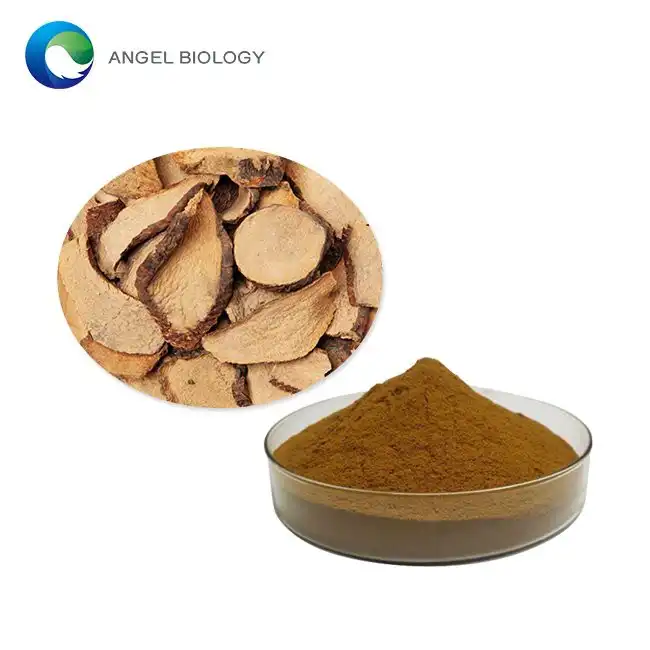
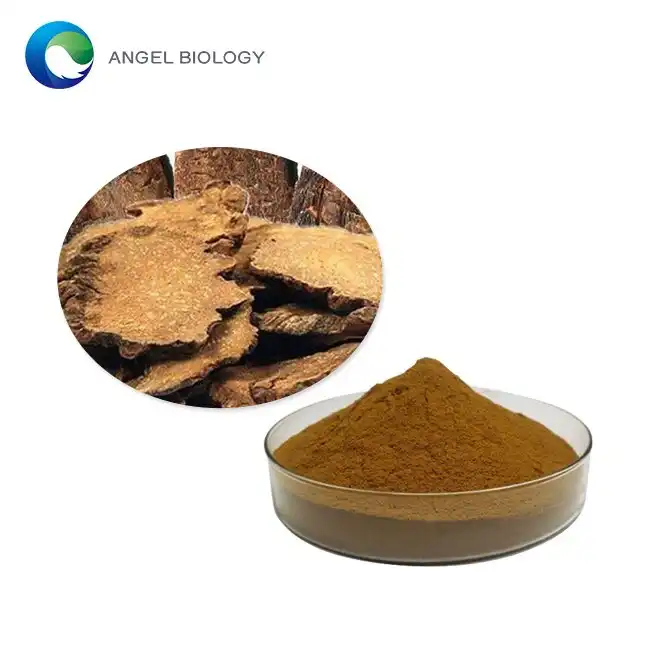
Ashwagandha extract powder is generally produced from the roots, leaves, or other specified plant parts of Withania somnifera. The plant material is extracted, concentrated, and dried to obtain a powder with a defined constituent profile. Buyers may encounter full-spectrum extracts and extracts standardized to specified withanolide levels. These products can differ in their composition, processing methods, and intended applications.
Before beginning a supplier audit, clarify how the supplier defines and measures total withanolides and individual withanolide compounds. Also record the minimum order quantity (MOQ), particle size, maximum moisture content, bulk density, extraction ratio, shelf life, packaging, and plant part used. These details form the basis of a consistent supplier comparison.


Verify Origin, Plant Part, and Organic Claims
Confirm the geographical origin of the Withania somnifera raw material, whether it is cultivated or collected, and its harvest period. The plant part is especially important because root extracts and leaf extracts can have different constituent profiles and are not automatically interchangeable.
Ashwagandha root has a long history of use in Ayurvedic traditions. Modern products may also contain leaf or aerial-part extracts, so buyers should verify the exact botanical material rather than relying on the general name "ashwagandha." Include the accepted plant part and botanical identity in the purchase specification to reduce the risk of substitution.
Organic claims also require careful verification. If you are sourcing certified organic material, confirm that the certificate covers the relevant growing, processing, storage, and handling activities. Check that the certificate holder, product scope, processing facility, and transaction documents are consistent. Terms such as "natural" or "organically sourced" do not independently establish certified organic status. U.S. buyers should review current documentation and confirm that the proposed claim meets the requirements of the intended market.
Follow the Batch Back to the Field
A reliable traceability system should connect the raw materials used in production with the finished product, packaging records, and shipment information. Ask the supplier to provide a traceability example for a recent production batch. The records should make it possible to identify the source of the botanical material and follow it through the relevant processing and distribution stages.
Discuss the supplier's procedures for handling rejected materials, customer complaints, mixed lots, and seasonal variations. Ask how incoming roots are inspected for identity, foreign matter, and potential contaminants. If alternative raw material sources are used, find out how they are evaluated and documented.
A useful audit should establish whether traceability is supported by actual records and procedures rather than a general statement in a sales brochure. Clear batch identification and documented sourcing information make supplier evaluation more reliable.
Review How the Manufacturer Makes and Tests the Extract
Walk Through the Extraction Process
A qualified supplier should be able to explain the main production stages, including raw material receiving, cleaning, grinding, extraction, filtration, concentration, drying, standardization, testing, and packaging. Ask which extraction solvents are used, how temperature and extraction time are controlled, how the solvent is recovered or removed, and how the finished powder is processed.
The extraction method influences the resulting constituent profile. Water extraction and hydroalcoholic extraction can produce different compositions, depending on the raw material and processing conditions. Full-spectrum extracts and extracts standardized to higher withanolide levels may also differ in their natural constituent ratios and physical properties.
Some commercial specifications may list withanolide levels such as 1.5%–2.5% or 5%, but these values should be treated as product-specific examples rather than universal standards. A higher percentage does not automatically indicate better suitability or greater physiological effectiveness. Buyers should request the analytical method, raw material information, extraction details, and carrier content to understand how the stated specification is achieved.
Processing can also influence the powder's color, odor, flowability, dispersibility, and moisture content. These characteristics should be evaluated according to the intended formulation rather than judged by the marker percentage alone.
Check the Quality System and Certificates
Review the supplier's documented quality-control procedures, HACCP or ISO-based systems where applicable, food-safety programs, organic processing certificates when relevant, and recent audit records. Confirm that each document is current, issued by a verifiable organization, and applicable to the actual manufacturing facility and product category.
For U.S. supplement businesses, 21 CFR Part 111 establishes requirements relevant to dietary supplement manufacturing, packaging, labeling, and holding operations. Buyers should understand their own responsibilities and assess whether the supplier can provide the documentation needed for their ingredient qualification and product records.
A supplier's ability to explain its procedures, provide consistent records, and respond to technical questions is an important part of a practical audit.
Examine Identity, Potency, and Safety Testing
Botanical identity should be verified using suitable analytical methods. HPTLC fingerprinting, microscopy, and other appropriate identification techniques may help confirm Withania somnifera and assess whether the material corresponds to the declared plant part. Method selection should reflect the material being tested and the purpose of the analysis.
Withanolide content is another important specification. HPLC methods are commonly used to quantify individual or selected withanolide compounds. Buyers should ask which compounds are included in the reported result, whether the value represents total withanolides or selected markers, and how the method is validated. Different analytical methods may produce results that are not directly comparable, so a higher reported percentage should not be accepted without understanding the test method.
Safety testing should be based on the raw material, manufacturing process, intended application, and destination-market requirements. Relevant parameters may include heavy metals, pesticide residues, mycotoxins, residual solvents, microbiological limits, and foreign matter. Residual solvent testing should use suitable methods and applicable limits, such as those referenced in USP General Chapter 467 or ICH Q3C where relevant.
Ask how the laboratory evaluates possible adulteration, undeclared carriers, and inconsistent constituent profiles. A batch-specific COA should identify the tested product and batch, list the relevant results and methods, and be reviewed or authorized by an appropriate representative.
Confirm Export Readiness and Test the Sample
Match the Documents to the U.S. Market
Export readiness involves more than offering a competitive price. Depending on the product, shipment, and destination requirements, buyers may need commercial invoices, packing lists, certificates of origin, phytosanitary documents where applicable, organic transaction records when relevant, COAs, product specifications, and safety data sheets.
Check that the botanical name, plant part, product description, batch number, quantity, and declared specifications are consistent across the relevant documents. Any differences should be clarified before shipment.
Ask about the supplier's experience with customers in the United States, Europe, Australia, or other target markets. Familiarity with export documentation can help reduce communication and administrative delays. OEM buyers should also discuss confidentiality, specification ownership, formulation information, packaging artwork, and procedures for communicating product changes.
Importers remain responsible for understanding applicable import, labeling, and product requirements in their own markets. Qualified regulatory or legal professionals can help review market-specific obligations before commercial launch.
Test a Production Sample in Your Own Format
Request a representative sample from a normal production batch rather than a specially selected sample. Begin by evaluating its appearance, color, odor, and taste where relevant. Then review moisture, particle size, dispersibility, and available analytical results, including withanolide content and microbiological data.
Next, test the material in the actual intended formulation. For capsules and tablets, assess powder flow, filling performance, compressibility, and compatibility with other ingredients. For beverage products, evaluate taste, dispersion, sedimentation, and appearance. Conventional extracts may not dissolve completely in water, so a suitable grade should be selected according to the required beverage characteristics.
For pre-workout powders, drink mixes, and other blended products, assess moisture sensitivity and the possibility of caking during storage. Cosmetic or topical applications require separate formulation and compatibility testing. Sample evaluation should reflect the final product format and expected storage conditions.
Add Stability Data and Independent Lab Checks
Review available stability information under relevant conditions, including exposure to light, heat, air, humidity, and packaging materials. Some suppliers may state a shelf life of 24–36 months, but this should not be treated as a universal guarantee. The actual shelf life must be supported by product-specific stability information and suitable storage conditions.
Ask for the recommended storage temperature, humidity conditions, packaging configuration, and retest or expiry date. Ashwagandha extract powder is commonly supplied in sealed moisture-protective packaging, which may include PE liners and aluminum foil bags. The appropriate packaging should be confirmed against the product's moisture sensitivity and distribution conditions.
For initial supplier qualification, buyers may arrange independent testing of a production sample or first commercial batch and compare the results with the supplier's COA. The comparison should use compatible analytical methods and agreed acceptance criteria. Testing more than one batch over time can provide a better indication of consistency than relying on a single sample.
Compare Suppliers With a Fair Scorecard
Look at Total Landed Cost
Price per kilogram does not always reflect the total purchasing value. A lower-priced batch may have a different withanolide specification, carrier content, or processing profile, which can affect its suitability and cost in the final formulation.
When comparing quotations, include testing expenses, shipping, insurance, import duties, payment terms, packaging, and any potential return or replacement costs. Also confirm whether the quoted price applies to the exact specification requested.
Ask each supplier to quote based on the same product requirements. For ashwagandha extract powder, compare conventional, organic, higher-withanolide, customized, and private-label options only when their specifications and documentation are clearly defined. A side-by-side comparison using the same criteria makes commercial differences easier to evaluate.
Compare Operations and Technical Support
Project timelines depend on production lead times, packaging availability, shipping routes, Incoterms, and the supplier's ability to coordinate documentation. Ask for realistic lead-time estimates and clarify how the supplier communicates production or shipment changes.
Evaluate the level of support available for specification review, documentation, customer complaints, and formulation questions. A useful supplier should provide clear contact points and reasonable response expectations rather than relying only on general service promises.
Technical communication is particularly important when buyers need customized marker levels, different packaging formats, or additional analytical documentation. Clear responsibilities and timely updates can help reduce delays during product development and procurement.
Score the Evidence and Spot Red Flags
A supplier scorecard helps purchasing teams compare suppliers using consistent criteria. Define the categories, assign appropriate weights, and evaluate each supplier based on supporting evidence. Three important categories are:
1. Identity and safety: Review the botanical identity, declared plant part, HPTLC or HPLC results, and available data on residual solvents and contaminants. Unresolved identity or safety issues should be treated as significant concerns.
2. Traceability and consistency: Compare recent batch COAs, change-control records, and records connecting production lots with shipments. Consistent documentation across multiple batches provides stronger evidence than a single sample report.
3. Commercial fit: Evaluate price, packaging, technical communication, delivery arrangements, and the supplier's ability to support OEM requirements. Commercial advantages should not outweigh product identity, safety, or consistency.
These categories help buyers make decisions based on verifiable information. Potential warning signs include generic COAs, unclear botanical or plant-part identification, unsupported health claims, certificates with inconsistent scopes, unusually low prices without a clear explanation, and poor communication about product changes.
Document the reasons for each decision and classify suppliers as approved, conditionally approved, or not approved according to the company's qualification criteria.
Match the Extract to Your Business and Build a Long-Term Partnership
Choose by Business Model
Supplement brands need accurate product specifications, suitable labeling information, reliable batch documentation, and sufficient stability data for their finished products. They should also confirm available technical files, packaging formats, and supply arrangements.
OEM manufacturers should agree on responsibility for specifications, formulation information, packaging artwork, batch-release requirements, and finished-product traceability. Clear communication between the buyer and supplier can help prevent misunderstandings during production.
R&D teams should compare full-spectrum and standardized extracts by flavor, color, solubility, stability, and performance in the intended formulation, rather than selecting an ingredient solely because it has the highest withanolide percentage.
Buyers seeking organic material should also verify the certification scope, processing facilities, handling arrangements, storage conditions, and transaction documentation relevant to the product.
Put the Terms in a Specification Agreement
Once the supplier audit is complete, document the agreed requirements in a product specification or purchase agreement. Include botanical identity, plant part, extraction information, marker-compound requirements, analytical methods, packaging, shelf life, storage conditions, and delivery terms.
The agreement should also define acceptance criteria, procedures for handling nonconforming batches, and responsibilities for testing and documentation. Any material changes to the raw material source, extraction process, or agreed specification should be communicated and reviewed by both parties before implementation.
Written specifications make purchasing expectations clearer and provide a practical reference for batch review, acceptance, and future orders.
Monitor Performance After Approval
Supplier qualification should continue after the first order. Record delivery performance, documentation issues, customer complaints, and corrective actions. Track certificate validity and review the COA for each incoming batch according to your purchasing and testing procedures.
For long-term supply planning, discuss raw material availability, alternative sources, production capacity, seasonal variations, market changes, and potential shipping delays. Consistent batch documentation, responsive communication, realistic lead times, and transparent pricing are useful indicators of a sustainable supplier relationship.
Conclusion
Sourcing Indian ashwagandha extract powder requires more than comparing quotations. Buyers should verify the botanical identity, plant part, raw material origin, extraction process, analytical results, and traceability records. HPTLC and HPLC data, appropriate contaminant testing, and batch-specific COAs help establish whether the ingredient meets the agreed specification.
Product samples should also be evaluated in the intended formulation, while stability information and independent testing can provide additional confidence in product suitability and batch consistency. A structured supplier scorecard and total landed cost comparison help buyers assess both technical and commercial value.
By documenting specifications, reviewing supporting evidence, and monitoring supplier performance after approval, purchasing teams can make more informed sourcing decisions and build reliable long-term supply relationships.
FAQ
1. What should I request from an ashwagandha extract powder manufacturer?
Request a current batch-specific COA, botanical identity and plant-part information, extraction and standardization details, relevant contaminant test results, applicable certificates, traceability records, and a representative production sample. You should also confirm the analytical methods used to measure withanolide content.
2. Is a higher withanolide percentage always better?
Not necessarily. The suitability of an extract depends on the intended formulation, constituent profile, analytical method, and product specification. HPLC can provide information about selected withanolide compounds, while other methods may measure broader groups of compounds differently. Buyers should compare products using consistent methods and also consider flavor, dispersibility, stability, and formulation performance.
3. How does organic ashwagandha extract differ from conventional material?
Organic ashwagandha extract is produced from raw materials and processed under the applicable organic certification requirements. Buyers should verify the certificate's validity and scope, including the relevant growing, processing, storage, and handling activities. The presence of an organic claim alone is not sufficient evidence of certification.
Request an Ashwagandha Extract Powder Supplier Audit Pack from Angelbio
Are you evaluating Indian ashwagandha extract powder suppliers for a supplement, OEM, or private-label project? Angelbio can help you review available product specifications and sourcing documentation to assess whether an ingredient fits your requirements.
Contact us at angel@angelbiology.com with your preferred plant part, target withanolide specification, estimated order quantity, intended application, destination market, documentation requirements, and packaging preferences. Our team can discuss available samples, batch-specific COAs, technical information, quotations, and estimated lead times to support your supplier evaluation and purchasing process.

References
1. U.S. Food and Drug Administration. Dietary Supplement Current Good Manufacturing Practice regulations, 21 CFR Part 111, 2007.
2. American Botanical Council. Ashwagandha Root and Extracts Botanical Adulterants Prevention Bulletin, 2020.
3. Pharmaceutics. Ashwagandha (Withania somnifera): Current Research on the Health-Promoting Activities, A Narrative Review, 2023.
4. International Council for Harmonisation. ICH Q3C(R8) Guideline for Residual Solvents, 2021.
5. U.S. Department of Agriculture. National Organic Program Regulations, 7 CFR Part 205, 2000.
6. Indian Journal of Psychological Medicine. A Prospective, Randomized Double-Blind, Placebo-Controlled Study of a High-Concentration Full-Spectrum Extract of Ashwagandha Root, 2012.