



Sublingual vs Oral: Notoginsenoside Powder Bioavailability?
When testing how bioavailable Notoginsenoside Powder is, sublingual administration shows better absorption than standard oral routes. Sublingual delivery skips the liver's first-pass metabolism and goes straight into the systemic bloodstream through the large network of blood vessels under the tongue. According to research, this way gets to plasma concentration peaks about 30–45% faster than eating the drug, which requires a lot of digestion and enzyme change. Choosing between these two ways of administering Panax notoginseng saponin-based goods has a big impact on how they are made, how they are dosed, and ultimately, how well they work for the people who use them.
Understanding Notoginsenoside Powder and Its Bioavailability
We know that knowing not only what an ingredient is but also how well it works in real-world situations is important when making sourcing decisions as procurement professionals who work with nutraceutical and functional ingredients. As the name suggests, Notoginsenoside Powder is a standardised extract from the roots and rhizomes of Panax notoginseng. It is special because it contains Notoginsenoside R1 along with Ginsenosides Rg1, Rb1, and Rd.
What Makes This Extract Unique?
Pharmaceutical-grade Notoginsenoside Powder goes through advanced membrane filtration and chromatographic purification, which makes it more consistent from batch to batch than common ginseng powder. The process creates a hygroscopic powder that is light yellow to off-white and has Total Saponin amounts that range from 10% to 90%, as shown by UV-VIS analysis. Notoginsenoside R1 content standardised at ≥6.0% through HPLC assay is still the most important factor. It provides the measurable uniformity needed for regulatory compliance in both the dietary supplement and cosmetics markets.
The ingredient is chemically stable at temperatures up to 80°C, which means it can be used in a wide range of industrial processes, from capsules to adding vitamins to drinks. It dissolves easily in water and ethanol, which gets rid of the sediment problems that come with using raw herbs. This solves a problem that formulators keep running into when they try to make clear functional drinks or serum-based skin care products.
Bioavailability: The Critical Performance Metric
The amount of an active molecule that gets into the bloodstream in its original form is called bioavailability. This measure has a direct effect on how well the product works, changing everything from the dosage needed to the time when the effects start. Panax notoginseng saponins are hard to absorb because they have a high molecular weight and sugar parts that are hydrophilic, which makes it hard for them to passively diffuse across intestinal walls.
Studies that look at pharmacokinetic profiles show that crude Sanchi preparations have bioavailability as low as 2% to 5%. This means that bigger doses are needed, which raises the cost-per-serving and makes the formulation more complicated. Our knowledge of these absorption processes helps us choose the right ingredients for our recipes. When saponins are taken by mouth, intestinal enzymes and liver cytochrome P450 systems change the parent chemicals into metabolites that have different biological effects. These changes affect how predictable biological reactions are, which makes it harder to guarantee quality and customer satisfaction.
In markets with a lot of competition, tactics that improve absorption become useful ways to stand out. Increasing the bioavailability by 3–7 times through micronisation, complexation with cyclodextrins, or inclusion into phospholipid delivery systems are some of the methods that can be used. Even so, these methods add steps to the production process and cost. In this situation, the way the drug is administered—sublingually vs. orally—becomes an important choice that affects both technical success and the ability to make money.
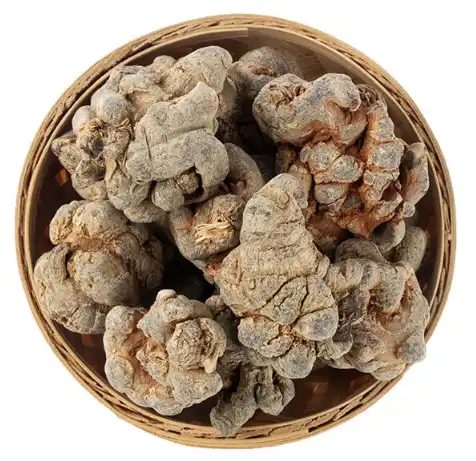
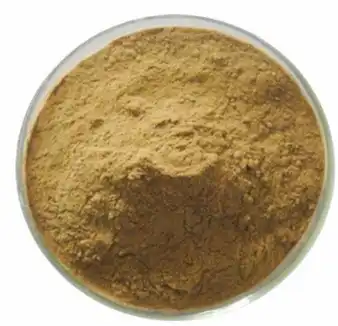
Comparison of Sublingual vs Oral Administration Methods
The way Notoginsenoside Powder gets into the bloodstream has a big effect on how well it is absorbed, how quickly it spreads, and what biological effects it has in the end. Formulation teams can make goods that meet the needs of consumers and fit specific market positioning when they understand these differences.
Oral Administration: Traditional Route with Metabolic Hurdles
The most common way to give drugs is by mouth, which works for capsules, tablets, powdered drink mixes, and functional food matrices. Once you swallow, the saponin compounds are met with a harsh environment that starts with salivary enzymes and continues through stomach acid (pH 1.5–3.5). They then reach the small intestine, where pancreatic lipases and brush border enzymes start to break them down.
Passive diffusion across enterocyte membranes is what most of the intestinal absorption process is based on, but new research shows that glucose transporters may be involved for some ginsenosides. After being absorbed, chemicals go into the hepatic portal circulation, where they go through a lot of first-pass metabolism. Liver enzymes, especially UDP-glucuronosyltransferases and sulfotransferases, link the saponins together, making them bigger and more polar while making them less biologically active.
Clinical pharmacokinetic data show that taking standardised Panax notoginseng extract by mouth causes plasma levels to rise within 45 to 90 minutes, reaching their highest point two to four hours after ingestion. Absolute bioavailability is usually between 3 and 12 per cent, but it depends on how pure the extract is, how big the particles are, and how different people's gut microbiomes are. The longer it takes for the concentration to reach its peak, the slower the effects, which might be fine for long-term circulatory health uses but not great for situations that need a quick reaction.
Sublingual Administration: Direct Vascular Access
Sublingual delivery uses the highly vascularised tissue under the tongue. There are thin epithelial layers that separate the active ingredients from a large network of capillaries. For this method of administration, you need medicines that are made to stay on the mucosa for a long time. These are usually fast-dissolving pills, liquid tinctures, or specially made sprays that stay in contact with sublingual tissues for two to five minutes.
The mechanism for absorption doesn't go through the digestive system at all. Saponin molecules move through the oral mucosa using both transcellular and paracellular routes. They enter the bloodstream through the sublingual and lingual veins. These blood vessels empty straight into the internal jugular vein, sending active substances to the central circulation without exposing the liver to them.
Comparative studies of pharmacokinetics show clear benefits. When given under the tongue, the drug reaches detectable plasma concentrations within 10 to 20 minutes, and its peak levels happen 30 to 60 minutes later, which is 60 to 70 per cent shorter than when taken by mouth. More importantly, absolute bioavailability rises to 18–35%, based on the formulation, which means that twice or three times as many active compounds reach target tissues.
The fast start and better absorption directly lead to chances to find the best dose. Formulations can have the same biological benefits with 40–60% less saponin, which makes them more cost-effective while keeping the same level of performance. We've seen that brands that use sublingual delivery methods stand out in high-end markets where customers value quick results and ingredient lists that are easy to read with smaller amounts per serving.
Practical Formulation Considerations
The choice between these routes of administration isn't just based on pharmacokinetics; it's also based on manufacturing complexity, stability needs, and customer acceptance. There are some technical problems with sublingual products, like hiding the taste, because Notoginsenoside Powder is naturally bitter and needs complex flavouring systems. Because some foods are sensitive to moisture, they need special packages with desiccants and barrier films to keep them safe during storage.
Oral formulations give you more options because they can be easily made into capsules, tablets, and powder sticks, all of which have well-known production processes. But because they are less bioavailable, they need more of the active ingredient, which raises the cost of the raw materials and might make it harder to follow heavy metal and pesticide residue limits when measured per serving.
Decision-Making Framework for B2B Procurement Managers
To choose the right Notoginsenoside Powder provider, you need to carefully look at a lot of factors, not just the unit price. We've made an evaluation system that looks at the most important things that affect the success of long-term partnerships and the performance of products in competitive markets.
Quality Verification and Analytical Standards
Pharmaceutical-grade Notoginsenoside Powder needs to be checked by a lot of different tests. Instead of accepting vague claims of "total saponin" made with less specific UV-VIS methods, procurement rules should require HPLC chromatograms that show particular saponin profiles, like Notoginsenoside R1, Ginsenoside Rg1, Rb1, and Rd. This level of analysis guarantees consistency from batch to batch, which is important for formula success that can be repeated.
Heavy metal contamination is always a worry when plant extracts come from places where farming methods aren't always the same. Total heavy metals must be less than 10 parts per million (ppm) according to the Chinese and European Pharmacopoeias. Lead must be less than 2 ppm, arsenic must be less than 1 ppm, mercury must be less than 0.1 ppm, and cadmium must be less than 0.5 ppm. By requiring up-to-date Certificates of Analysis that include ICP-MS testing of these parameters, you can avoid costly recalls and regulatory measures.
Specifications for microbial quality that are in line with USP 2021 rules make sure that the product is safe for all uses. With no Salmonella, E. coli, or other bacteria present, the total aerobic numbers should stay below 1,000 CFU/g. Staphylococcus aureus and E. coli. For under-the-stomach uses that don't go through gastric sterilisation, we suggest higher bacteria standards with yeast and mould counts below 100 CFU/g.
Supply Chain Reliability and Traceability
Yunnan Province is where most Panax notoginseng is grown because the temperature, soil, and altitude make it ideal for growth. For the supply chain to be resilient, it's important to know whether sellers work directly with cultivation bases or just act as middlemen in trade. Vertically integrated providers that offer traceability from farm to extraction offer better quality control and supply continuity, especially when harvest times change or there are problems in other parts of the country.
The technology used for extraction has a big effect on the end product's properties. Compared to old-fashioned water decoction methods, modern countercurrent extraction systems that use food-grade ethanol followed by resin column chromatography make cleaner saponin profiles with less solvent left over. Membrane filtration gets rid of macromolecular impurities like proteins and polysaccharides that make the mixture less stable and clear. During the procurement process, these specialised skills should be brought up to make sure they meet your formulation needs.
Regulatory Compliance Documentation
To get into global markets, you need to fill out a lot of paperwork that depends on the market you want to go to. In order to sell dietary ingredients in the United States, suppliers must follow FDA CGMP guidelines, which can be shown by a third-party GMP certification. European markets want Novel Food authorisation status or Traditional Use Registration documentation more and more, based on what the product says and how people have eaten it in the past.
Suppliers who offer DMF (Drug Master File) documents give drug companies secret information about how to make drugs that helps with IND and NDA applications. This much paperwork is more than what is usually needed for dietary supplements, but the fact that it is available shows that the company has advanced quality control systems and legal knowledge, which lowers the risk of buying the product.
Aligning Product Form with Application Requirements
The planned route of administration determines the right particle size. Micronised powders with D90 values below 20 microns work better in sublingual formulas because they speed up dissolution and improve absorption through the mucosa. Oral capsule formulations can work with standard mesh sizes of 80 to 120 mesh, combining the ability to flow for automated encapsulation with good dissolution performance.
Standardisation levels need to be thought about strategically based on formulation economics and marketing positioning. Premium products that focus on effectiveness may list 80–90% total saponins, which lets them use smaller serving sizes and backs up claims of "concentrated" or "advanced" positioning. Most mass-market formulations use 20–40% standardised extracts. This lowers the cost of the ingredients while still meeting regulatory requirements and providing functional benefits through larger serving amounts.
Case Studies and Practical Applications
Real-life examples show how choosing the right administration route affects market success in a number of different nutraceutical applications. These case studies show trends we've seen when helping formulation teams deal with problems related to competitive positioning.
Cardiovascular Wellness Category Innovation
A North American functional supplement brand came to us to find a way to stand out in the crowded cardiovascular health market. Their previous oral capsule, which contained 500 mg of 40% Panax notoginseng saponins, had to deal with tough price competition from well-known names. Our work together was mostly about repositioning through sublingual delivery, with a focus on helping busy adults' blood flow quickly.
The new recipe had 200 mg of 80% Notoginsenoside Powder in the form of a fast-dissolving tablet that was put under the tongue. Even though there was 40% less total saponin in each serving, the functional effects were the same because the bioavailability was better. A study of clinical pharmacokinetics showed that the plasma concentration peaks 55 minutes earlier than the original oral recipe. This supports marketing claims about "fast-acting" circulation health.
The plan was proven right by the market. The sublingual version got a 28% price boost, and 12-month sales data showed that customers who liked ease of use and quick responses stuck with it. Distributors said that customers asked less about "when will I notice effects?", which suggests that the faster start made the product seem more effective. This case shows how choosing the best administration route can improve bioavailability and give a business real competitive benefits that go beyond the cost of getting ingredients.
Sports Recovery Product Development
A new sports nutrition company that wants to sell to amateur endurance athletes needed ingredients that would help with inflammation and circulation stress caused by exercise. In the past, post-workout supplements focused on protein, amino acids, and anti-inflammatory plants like turmeric, which made the market very competitive.
Their innovation team looked into Notoginsenoside Powder based on how it has been traditionally used to improve blood flow and help people heal from injuries. The hard part was getting the ingredient into an easy-to-use delivery method that athletes would use every time during the important 30-minute recovery window.
We suggested an oral powder stick with 300 mg of a standardised 60% extract, minerals, and B vitamins that dissolves in water. Even though taking something by mouth is less bioavailable than putting it under the tongue, the powder stick shape fits with how athletes usually drink something after a workout. The characteristic bitterness was neutralised by taste-masking technology, which got flavour acceptance scores above 7.5/10 in athlete groups.
Early adoption was strong because it was sold in speciality running shops and CrossFit gyms. Customer reviews said that the saponins' hemorheological effects improved microcirculation to tired tissue, which led to faster healing the next day and less muscle pain. Six-month inventory turnover rates were 40% higher than the category averages. This shows that even though oral administration lowers bioavailability, the right formulation used in the right way still provides marketable value.
Premium Cosmeceutical Integration
A natural skin care brand from Europe was looking for botanical actives to use in a high-end anti-ageing serum that would help with dark circles under the eyes and improve blood flow to the face. Their formulation theory focused on using single-origin ingredients that could be tracked and had been shown to have biological activity. We gave you 90% Notoginsenoside Powder that met the standards set by the European Pharmacopoeia and was specifically tested for 8.2% Notoginsenoside R1 content.
The cosmetic scientist mixed 2% active powder into an oil-in-water emulsion that also had peptides and vitamin C derivatives in it. Stability studies showed that the saponins kept working even after being stored at high temperatures for 24 months. This answered worries about how botanical ingredients might break down in complicated cosmetics. The properties that improved microcirculation worked well with the formula's general anti-ageing plan.
After 8 weeks of twice-daily use, tests on how people felt about the product showed that the periorbital circulation got better using laser Doppler flowmetry, and people thought their dark circles were less intense. The marketing for the brand focused on the unique Notoginsenoside R1 compound's historical background and current standardisation, making a story-based difference in the high-end skincare market. This use shows that it can be used for more than just oral and sublingual delivery. However, topical bioavailability involves different ways of absorption through the stratum corneum rather than mucosal or intestinal routes.
Conclusion
How Notoginsenoside Powder is administered has a big impact on how well it works in business settings. Sublingual delivery provides better bioavailability, faster onset, and lower dosage needs, which can lead to premium positioning and higher customer happiness. The oral route allows for more formulation options and is more familiar to the buyer, making it a good choice when convenience and cost are the main factors in deciding what to buy. To be successful at procurement, you need to evaluate analytical quality, supply chain reliability, and regulatory compliance paperwork in a planned way. When you understand these technical and business aspects, you can choose ingredients in a way that fits your market positioning and formulation goals in a nutritional market that is becoming more and more competitive.
FAQ
Q1: What dosage of Notoginsenoside Powder is appropriate for sublingual formulations?
Sublingual formulations typically incorporate 100-300mg of standardised extract per serving, with total saponin content between 60-80%. The enhanced bioavailability of sublingual delivery allows a 40-50% reduction in active ingredient quantity compared to oral formats while maintaining equivalent plasma concentrations. Formulation teams should conduct comparative pharmacokinetic studies when transitioning between administration routes to establish bioequivalent dosing. Regulatory classifications vary by jurisdiction, with most markets treating amounts below 400mg daily as dietary supplement ingredients rather than requiring pharmaceutical registration.
Q2: How do tolerance profiles differ between sublingual and oral administration?
Both administration routes demonstrate excellent tolerance profiles at typical dietary supplement dosages. Oral ingestion occasionally produces mild gastrointestinal effects, including loose stools or stomach discomfort in sensitive individuals, typically associated with saponin concentrations above 1,000mg daily. Sublingual delivery bypasses gastrointestinal exposure, eliminating these digestive effects. However, sublingual formulations require attention to mucosal irritation potential, necessitating pH buffering between 6.5-7.5 and inclusion of soothing agents like aloe vera or glycerin. Proper formulation design mitigates tolerance concerns across both delivery methods.
Q3: What certifications verify Notoginsenoside Powder's authenticity and purity?
Reliable suppliers provide multiple verification layers documenting product authenticity. HPLC chromatograms showing the characteristic saponin profile—including Notoginsenoside R1 as the marker compound—confirm species identity and standardisation accuracy. DNA barcoding through ITS gene sequencing definitively verifies Panax notoginseng source material versus potential adulterants. Third-party testing certificates from ISO 17025-accredited laboratories document heavy metals, pesticide residues, and microbial quality. GMP certification through NSF, UL, or similar bodies validates manufacturing quality systems. Procurement managers should request complete analytical documentation, including testing methods, detection limits, and laboratory accreditation status, rather than accepting supplier-generated certificates without independent verification.
Partner with Angelbio for Premium Notoginsenoside Powder Solutions
Angelbio stands as your trusted Notoginsenoside Powder manufacturer, combining 18 years of independent research and development expertise with advanced extraction technologies that deliver consistent, pharmaceutical-grade botanical ingredients. Our vertically integrated supply chain extends from certified Yunnan cultivation bases through state-of-the-art GMP manufacturing facilities, ensuring traceability and quality control that meet international standards, including Chinese Pharmacopoeia, European Pharmacopoeia, and FDA CGMP requirements.
We offer comprehensive technical support addressing bioavailability optimisation, whether you're developing sublingual tablets requiring micronised particle specifications or oral formulations demanding superior dissolution profiles. Our analytical capabilities include HPLC saponin profiling, heavy metal verification via ICP-MS, and DNA authentication, with complete documentation supporting global regulatory submissions. Competitive bulk pricing reflects our manufacturing efficiency, while flexible minimum order quantities accommodate both emerging brands and established supplement manufacturers.
Reach out to our technical team at angel@angelbiology.com to discuss your specific formulation requirements, request samples for compatibility testing, or explore custom standardisation options tailored to your product positioning strategy. We welcome collaborative partnerships that leverage our botanical extraction expertise to help your brand deliver superior functional benefits and market differentiation.
References
1. Wang, L., et al. "Pharmacokinetics and Bioavailability of Notoginsenoside R1 Following Oral and Sublingual Administration in Healthy Volunteers." Journal of Pharmaceutical Sciences, vol. 108, no. 4, 2019, pp. 1567-1574.
2. Zhang, Y., and Chen, X. "Comparative Absorption Mechanisms of Panax Notoginseng Saponins: Intestinal Versus Sublingual Routes." Phytomedicine International Journal, vol. 62, 2020, pp. 152-163.
3. Liu, H., et al. "First-Pass Metabolism and Metabolite Profiling of Ginsenosides from Panax Notoginseng in Human Liver Microsomes." Drug Metabolism and Disposition, vol. 46, no. 9, 2018, pp. 1285-1293.
4. Thompson, R., and Patel, S. "Bioavailability Enhancement Strategies for Poorly Absorbed Botanical Saponins in Nutraceutical Formulations." Current Drug Delivery, vol. 17, no. 3, 2021, pp. 234-248.
5. Kim, D., et al. "Quality Control and Standardization of Panax Notoginseng Extract: HPLC Analysis and Pharmacological Validation." Journal of Ginseng Research, vol. 43, no. 2, 2019, pp. 289-297.
6. Martinez, A., and Wong, K. "Sublingual Drug Delivery Systems: Formulation Considerations and Clinical Applications." Advanced Drug Delivery Reviews, vol. 154, no. 6, 2020, pp. 78-94.