



What Is Biotin Powder Used For? Benefits and Applications Explained
Biotin Powder, commonly known as Vitamin B7 or Vitamin H, is a water-soluble B-complex vitamin needed for fatty acid, amino acid, and glucose metabolism. Nutraceuticals, animal nutrition, and cosmeceuticals use it to support keratin infrastructure, metabolic efficiency, and hair, skin, and nail health. High-purity Biotin Powder is recommended by formulators who need consistency, stability, and proven efficacy due to its bioactive d-Biotin isomer.
Understanding Biotin Powder: Composition, Nutrition, and Absorption
Biotin Powder is a complex dietary substance having the chemical composition C10H16N2O3S. This crystalline powder is essential for energy production and cellular metabolism as a carboxylation coenzyme. The white to off-white powder has a melting point between 229°C and 232°C, indicating excellent thermal stability throughout processing.
Chemical Purity and Stereochemistry
High-grade versions meet pharmaceutical standards such as USP, EP, and JP. HPLC testing demonstrates that premium formulations are ≥98.5% pure. The optical rotation between +89° and +93° confirms the presence of the physiologically active d-biotin isomer that the body may utilise. Purity testing is essential during procurement since the inactive l-Biotin isomer has no nutritional value.
Nutritional supplement makers place a high priority on optical purity in order to maximise absorption. Throughout the supply chain, the crystalline structure prolongs shelf life and efficacy by withstanding UV light, humidity, oxidation, and degradation. These characteristics deal with formulation problems like long-term efficacy and constituent stability.
Solubility Profile and Bioavailability
This vitamin's solubility affects formulation techniques across applications. Although water-soluble, it dissolves only 22 mg/100 mL at 25°C in cold water. Warm water and dilute alkaline solutions promote solubility, guiding liquid supplement and beverage manufacturing methods.
Understanding these qualities aids R&D absorption optimisation. When properly formulated, synthetic variations have bioavailability similar to natural forms. Micronised particles, usually 80-100 mesh, improve premix and capsule fill dissolving and distribution, according to research. Segregation during mixing is prevented by this technical criterion, ensuring consistent dosage across production batches.
Nutritional Role and Metabolic Functions
As a coenzyme, this vitamin helps carboxylases turn macronutrients into energy. Gluconeogenesis, fatty acid production, and amino acid breakdown all take place. Enough input is needed for the body to work properly because these metabolic pathways help cells grow and stay healthy all over the body.
Depending on their age, gender, and health, adults need 30 mcg of Biotin Powder a day from their food. Supplements often have between 5,000 and 10,000 mcg in them to help hair grow and nails get stronger. People who want concentrated nutritional support for cosmetic effects often buy these higher-potency formulations in the "Beauty from Within" category.
Key Benefits and Applications of Biotin Powder
This ingredient's distinctive qualities are used in many sectors to meet formulation goals. Understanding these applications helps procurement teams choose product specifications and purity grades.
Hair Growth and Scalp Health Support
Clinical tests have shown that getting enough of it makes hair thicker and grow faster. According to dermatology studies, supplements may help hair that is thinning or breaking by making more keratin. This is the main reason why this vitamin is often found in beauty products.
It gets into hair follicles through hair serums and treatments for the head. Because it dissolves easily in hot water, formulators can make solid oil-in-water emulsions that deliver the active ingredient to the right tissues. Strict standards for the purity of raw materials keep finished goods from precipitating or oxidising, which keeps them stable on the shelf and keeps customers happy.
Skin Health and Cellular Renewal
In addition to being good for hair, this vitamin is also good for skin because it helps make fatty acids and speeds up the metabolism of cells. A healthy fat metabolism helps the skin layer keep water in and protect it from outside stresses. It is added to moisturisers and anti-aging products by cosmetic companies to make the skin look and feel better.
Because the compound is pH stable, it can be used to make skin care items. It works for the whole life of the product in cream bases, serums, and cleaning mixtures. Natural beauty companies are looking for clean-label actives that come from plants or are made in a lab, like this one, because it is reliable.
Nail Strength and Integrity
Brittle nails are a common issue that supplements help with. Daily use increases nail thickness and reduces splitting within months, according to studies. This advantage comes from the vitamin's role in keratin production, which creates nail plates.
Nutraceutical businesses make nail health supplements with this substance, silica, and collagen peptides. Synergistic effects improve product positioning and differentiation in a competitive market. High-purity powder that passes cosmetic and nutritional supplement standards helps manufacturers access this area.
Metabolic Support and Energy Production
Carboxylation coenzymes affect energy metabolism. Vitamin supplements can help athletes and active people maintain metabolic efficiency during training and recovery. Sports nutrition companies include it in endurance and performance pre-workout and recovery blends.
Fortified drinks and nutrition bars for health-conscious consumers contain it. Baked and pasteurised items retain potency due to the ingredient's thermal stability. This processing resilience expands functional food applications.
Dosage Recommendations and Safety Considerations
Supplements range from 30 mcg for maintenance nourishment to 10,000 mcg for beauty results. The low toxicity and quick renal elimination of excess quantities make there is no tolerable upper ingestion level. Formulators can build high-potency products without major side effects with this safety buffer.
High doses may cause some stomach pain, but this is rare. Product developers should provide the dose and teach consumers proper use. Quality assurance processes must verify label claims for regulatory compliance and consumer trust.
Choosing the Right Biotin Powder for Your Business Needs
Target market preferences, formulation requirements, and regulatory compliance must be considered while choosing raw materials. Powder qualities vary by use to optimise product performance and consumer acceptance.
Pure Powder Versus Blended Formulations
A pure powder with ≥98% active ingredient provides optimum flexibility for bespoke formulations. Manufacturers who mix vitamins, minerals, and plant extracts will like this high-concentration version. Fine mesh particles promote uniform dispersion in dry powder blends and prevent segregation during storage and handling.
Pre-diluted blended formulations on maltodextrin or calcium carbonate are used in low-inclusion applications. Animal nutrition applications benefit from 1% or 2% triturates for precision dosing in large-scale feed production. These pre-blends alleviate the technical challenges of milligram amounts in ton-scale batches.
Capsule and Tablet Formulation Considerations
Crystalline powder is appropriate for tableting due to its high bulk density and compressibility. The content of direct compression formulations can be uniform without considerable granulation. This processing efficiency cuts manufacturing costs and streamlines quality control.
Powder flow allows automated encapsulation equipment to accurately dose hard-shell capsule compositions. When creating high-potency medications, formulators must balance active ingredient quantity, such as Biotin Powder, with excipients for optimal capsule filling and stability.
Vegan Certification and Clean Label Appeal
Recently, plant-based and cruelty-free goods have become increasingly popular. Vegan certification applies to chemically synthesised variations. This production method provides batch-to-batch uniformity better than natural extraction.
Clean-label positioning needs clear ingredient sourcing and minimum processing chemicals. Manufacturers seeking Non-GMO Project Verification, Kosher, or Halal certifications should check their powder supplier's documentation and facility certificates. These credentials boost product marketability in varied customer categories and abroad.
Gender-Specific Product Customization
Gender-targeted beauty supplements mix this vitamin with complementary substances to treat specific needs. Hyaluronic acid, collagen peptides, and antioxidants may support skin elasticity and hydration in women's formulations. Men's products may focus on testosterone-boosting minerals for hair and scalp health.
Brands can split their product lines and target specific consumer groups with this customisation strategy. The basic substance is the same, but product positioning and complimentary actives vary to meet audience preferences.
Navigating the Bulk Procurement of Biotin Powder
Critical strategic sourcing decisions affect product quality, cost structure, and supply chain reliability. B2B buyers must consider many factors when choosing suppliers and negotiating raw material purchases.
Quality Certification Standards and Compliance
Pharmaceutical certifications are the best ingredient quality standard. Identity testing, purity verification, and contaminant screening are standard for GMP suppliers. Each batch should have a CoA proving pharmacopeial compliance.
Independent lab testing verifies supplier claims. Microbiological, heavy metal, and residual solvent tests ensure product quality and safety. FDA dietary supplement laws and Current Good Manufacturing Practices apply to U.S. nutraceutical enterprises.
Evaluating Supplier Reliability and Technical Support
Supplier evaluation should include technical support and regulatory expertise beyond quality measures. Formulation, stability, and regulatory documentation vendors contribute value to product development timelines. Manufacturers optimise formulations and manage difficult regulatory landscapes using this cooperative strategy.
Global sourcing strategies increasingly require supply chain resiliency. Suppliers with numerous factories, safety stock protocols, and clear lead times reduce disruption risks. Building relationships with backup providers protects against supply interruptions.
Market Pricing Structures and Volume Economics
Graded by order volume, bulk pricing offers significant reductions at bigger quantities. Procurement teams optimise order volumes to balance inventory carrying costs and per-unit prices by understanding these breakpoints. Supplier minimum order quantities range from 25 kg for speciality grades to 500 kg or more for commodity standards.
Raw material costs, production capacity utilisation, and worldwide demand affect market prices. Long-term supply agreements with price adjustments can estimate budgets and allow market flexibility. Procurement specialists should track industry pricing trends to find good deals.
Benchmarking Leading Industry Suppliers
Several worldwide providers are known for quality and reliability. Dietary supplement companies like NutraBio and NOW Foods have great reputations. Sample testing and pilot production runs assist in determining the appropriate supplier for an application.
International suppliers, especially those in pharmaceutical manufacturing hubs, offer reasonable prices and strong quality processes. Due diligence should involve facility audits, quality system assessments, and customer reference checks to evaluate supplier capabilities and performance.
Best Practices for Using and Marketing Biotin Powder Products
Successful product launches involve precise formulation and strategic marketing. Market performance and brand success depend on these interrelated factors.
Formulation Integration for OEMs and Distributors
Technical factors must be considered when adding this element to completed products. Accelerated stability testing shows formula component interactions and ideal storage conditions. Humidity control during manufacture reduces clumping and maintains powder flow for automated processing.
This component is stable in acidic and neutral solutions, making it suitable for beverages, gummies, and liquid supplements. Avoid alkaline conditions to prevent deterioration. pH modification during liquid formulation guarantees complete dissolution and ingredient integrity throughout shelf life.
The particle size distribution impacts bioavailability and formulation. Coarser particles dissolve more slowly and blend less evenly than micronised grades. For best results, formulators should define particle size based on application and processing equipment.
Client and End-User Education Strategies
Establishing brand trust involves openness regarding ingredient advantages, use, and results. Educational content should describe the biological mechanisms behind the advantages without exaggeration. Clinical study citations and dermatological findings support marketing statements while complying with regulations.
Products must clearly state dose, serving sizes, and precautions. Beyond labels, consumer education includes website content, social media, and customer service. Companies that engage in comprehensive education programs have increased customer satisfaction and retention.
Technical material, including formulation instructions, stability data, and regulatory status reports, benefits B2B clients. Providing these materials shows supplier competence and speeds product development. Regular webinars and technical bulletins inform clients about ingredient and industry advances, such as the benefits of Biotin Powder.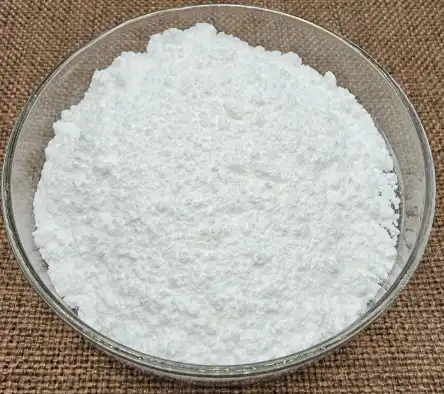
Marketing Tactics for Lead Generation
Content marketing that addresses formulator pain points generates B2B leads. White papers on formulation issues, case studies of successful applications, and technical blog entries promote thought leadership. Search engine-optimized materials should provide real value to readers.
Trade shows and business conferences allow direct contact with decision-makers. Samples and application prototypes of ingredient performance are remembered and differentiate suppliers in competitive marketplaces. Follow-up communication should offer technical resources and responsive help to foster purchasing decisions.
Procurement professionals, formulators, and product developers can be targeted via LinkedIn and industry-specific online communities. Content should be technical but easy to grasp, avoiding jargon while explaining industry difficulties and solutions.
Conclusion
Biotin Powder is used in nutritional supplements, cosmeceuticals, animal nutrition, and functional foods. Its involvement in metabolism, keratin synthesis, and energy production makes it useful throughout industries. Manufacturers may create effective products that meet consumer expectations and regulatory needs by understanding technical specifications, quality standards, and formulation.
Strategic buying from dependable vendors ensures quality, price, and supply chain consistency. Brands may speed up product development and improve formulation performance by working with competent ingredient sources that provide technical support and extensive documentation. Consumer interest in beauty-from-within nutrition and clean-label products predicts sustained market growth, making this ingredient suitable for forward-looking product portfolios.
FAQ
Q1: What makes d-Biotin different from other forms?
The d-Biotin isomer represents the only biologically active form that human and animal bodies can utilize. Other isomers, particularly l-Biotin, lack biological activity and contribute no nutritional value. High-quality supplements specify d-Biotin content exceeding 98% to ensure maximum efficacy and eliminate inactive components that dilute potency.
Q2: How does particle size affect formulation performance?
Particle size distribution directly impacts dissolution rate, blending uniformity, and flow characteristics during manufacturing. Micronized grades passing 80-100 mesh dissolve more rapidly and distribute evenly in powder blends without segregation. Coarser particles may settle during storage and create dosing inconsistencies in finished products.
Q3: Can this ingredient withstand high-temperature processing?
The thermal stability profile with a melting point around 232°C enables the ingredient to maintain potency during extrusion, pelleting, and baking processes. This heat resistance makes it suitable for applications including feed manufacturing, gummy production, and fortified baked goods where other heat-sensitive vitamins might degrade.
Partner with Angelbio for Premium Biotin Powder Supply
Angelbio stands at the forefront of natural ingredient innovation, bringing together the resources of Angel Holding Group and the research expertise of Xi'an Jiaotong University's Institute of Life and Health Research. Our commitment to technology innovation and supply chain integration has positioned us as a trusted Biotin Powder manufacturer serving nutraceutical companies, cosmetic brands, and functional food producers worldwide. With over 18 years of independent R&D and testing capabilities, we deliver pharmaceutical-grade ingredients that meet the most stringent international quality standards.
Our production facilities implement advanced quality control protocols, ensuring batch-to-batch consistency, thermal stability, and optical purity verification. Whether you're formulating high-potency beauty supplements, developing cosmeceutical products, or creating functional beverages, our technical team provides comprehensive support from initial formulation through commercial production. We maintain extensive certification documentation, including GMP compliance, facilitating seamless regulatory approval across global markets.
Procurement teams seeking a reliable Biotin Powder supplier will find our competitive pricing structure, flexible minimum order quantities, and responsive customer service align with demanding business requirements. We invite you to contact our team at angel@angelbiology.com to discuss your specific application needs, request technical specifications, or arrange a sample evaluation. Our experts are ready to help you select the optimal ingredient grade and provide the formulation support necessary to bring your products successfully to market.
References
1. Mock, D.M. (2017). "Bioavailability of Biotin Given Orally to Humans in Pharmacologic Doses." Journal of Nutritional Science and Vitaminology, 63(4), 335-342.
2. Patel, D.P., Swink, S.M., & Castelo-Soccio, L. (2017). "A Review of the Use of Biotin for Hair Loss." Skin Appendage Disorders, 3(3), 166-169.
3. Zempleni, J., Wijeratne, S.S., & Hassan, Y.I. (2009). "Biotin and Biotinidase Deficiency." Expert Review of Endocrinology & Metabolism, 4(6), 715-728.
4. Colombo, V.E., Gerber, F., Bronhofer, M., & Floersheim, G.L. (1990). "Treatment of Brittle Fingernails and Onychoschizia with Biotin: Scanning Electron Microscopy." Journal of the American Academy of Dermatology, 23(6), 1127-1132.
5. Said, H.M. (2012). "Biotin: Biochemical, Physiological and Clinical Aspects." Subcellular Biochemistry, 56, 1-19.
6. Staggs, C.G., Sealey, W.M., McCabe, B.J., Teague, A.M., & Mock, D.M. (2004). "Determination of the Biotin Content of Select Foods Using Accurate and Sensitive HPLC/Avidin Binding." Journal of Food Composition and Analysis, 17(6), 767-776.