



The skin benefits of Horse Chestnut Extract
Aescin, the main ingredient in Horse Chestnut Extract Powder, strengthens capillary walls and lowers inflammation, making it very good for your face. Horse chestnut extract powder comes from Aesculus hippocastanum seeds and is full of powerful antioxidants that fight oxidative stress, improve microcirculation, and reduce the look of redness and puffiness. For companies that make cosmetics and supplements, this botanical extract is a clean-label option that answers modern skin care issues and meets strict quality standards for natural ingredient sourcing.
Understanding Horse Chestnut Extract Powder and Its Skin Benefits
Botanical Origin and Extraction Process
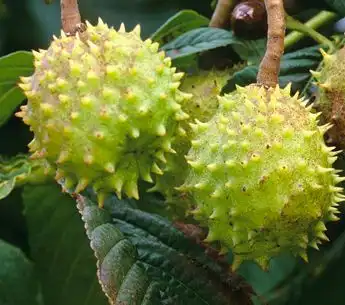
The formal name for horse chestnut is Aesculus hippocastanum, and it grows in parts of North America and Europe. The seeds have bioactive chemicals that are removed using controlled methods that protect the purity of aescin, which is the main triterpene glycoside that has healing properties. Modern extraction methods use standard procedures to get uniform levels of aescin, which can be anywhere from 20% to 98%, based on the purpose. It is important to carefully control the temperature and choose the right solvents during the extraction process so that heat-sensitive substances keep working biologically and the purity levels meet European Pharmacopoeia and USP standards.
Key Bioactive Compounds and Their Mechanisms
Aescin works in a number of ways that are good for skin health. This saponin part stops the enzymes that break down collagen and elastin from working, makes vessel walls stronger, and lowers the permeability of capillaries. Flavonoids and proanthocyanidins are also found in the juice. These chemicals protect against damage caused by free radicals. These chemicals work together to improve blood flow in the microvasculature under the skin. This is why they are so good at reducing puffiness, especially in delicate areas like the eye contour.
Aescin has been shown in clinical tests to lower inflammation markers in skin tissue. The extract helps keep the structure of the extracellular matrix strong by blocking hyaluronidase and elastase enzymes. This keeps the skin tight and flexible over time.
Specific Skin Health Applications
This plant extract's ability to support blood vessels directly leads to changes in the skin that can be seen. Less fragile capillaries mean fewer spider lines and less redness in the face that comes with couperose conditions. The anti-inflammatory effect helps with skin discomfort and reactivity, so products are good for people with reactive skin.
In addition to helping the blood vessels, the product has measured effects on how much fluid the body retains. The chemical helps keep the osmotic balance in tissues stable, which lowers localized swelling and the look of tired, heavy skin. It works especially well in eye serums and leg care products where people want to see a difference in irritation and redness.
Quality Parameters That Matter for Formulators
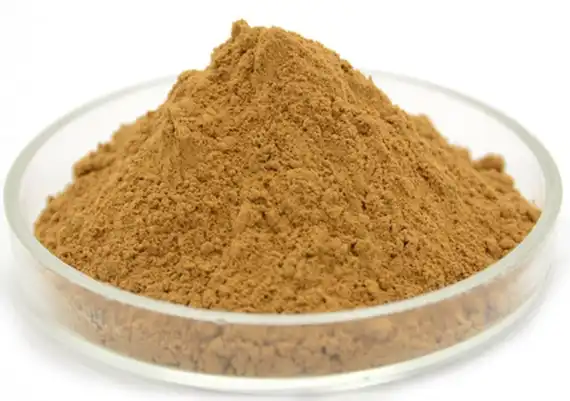
Horse chestnut extract powder that is of good quality is light yellow to brown and has very small particles; about 95% of it can pass through an 80-mesh screen. This standard makes sure that it can be mixed smoothly into a range of makeup bases without leaving a gritty film. The isomeric ratio between beta-aescin and alpha-aescin has a big effect on how well they dissolve and how biologically active they are. Beta-aescin works better in water-based solutions.
Moisture sensitivity needs special care when it comes to keeping and shipping. Suppliers of good quality keep the amount of ash below 5% and strictly control the amount of liquids, especially methanol, that are left over from the extraction process. These technical details have a direct effect on the security of the formulation and the ability to follow regulations in all foreign markets.
How to Use Horse Chestnut Extract Powder for Optimal Skin Results?
Dosage Guidelines for Different Applications
Topical versions usually incorporate horse chestnut extract powder in amounts between 0.5% and 5%, but this depends on the type of product and the benefits that are wanted. The lower part of this range is used by leave-on products like serums and creams to find a good mix between effectiveness and sensory qualities. For focused uses, intensive treatments may get closer to higher concentrations.
When made for skin health, oral supplements usually contain between 300 and 600 mg of standardized horse chestnut extract powder per day, which is equal to 50 to 100 mg of aescin. This systemic method treats skin problems caused by poor circulation from the inside out, working with topical treatments to give full benefits.
Formulation Considerations and Ingredient Compatibility
The extract works well in both oil-in-water and water-in-oil emulsions, but the amount of aescin it contains affects how well it dissolves. When mixed with the right solubilizers or co-solvents, high-purity grades dissolve more easily in water. It is often mixed with vitamin C to help the blood vessels more or with diosmin to boost the health benefits for the veins.
The pH stability is between 5.0 and 7.0, which is in line with products that are safe for the skin. The extract is stable at high temperatures during normal production processes, but it should not be exposed to temperatures above 70°C for long periods of time to keep its bioactivity. Testing is needed for preservation systems because the antimicrobial qualities of the extract might not work well with some mixes of preservatives.
When making serums, the powder works well mixed with glycerin or propylene glycol before being added to the water phase. When making creams, adding them after the emulsion at temperatures below 50°C helps them keep their full activity. To get clarity, gel bases need high solubility grades. This is why beta-aescin-rich parts are the best choice.
Product Forms and Their Advantages
Different types of delivery are better for different types of customers and uses. Powders give R&D teams the most freedom when making custom formulations because they let them exactly control quantity and mix with actives that work well together. Nutraceutical brands that focus on supporting skin health throughout the body use capsules because they make doses for oral supplements more consistent.
Tinctures and liquid extracts are useful for making small batches or handcrafted formulas, but you need to pay close attention to how stable they are and how much alcohol is in them. For large-scale production, pre-dispersed liquid forms make manufacturing easier by cutting down on handling steps while keeping quality uniform.
Regulatory Compliance and Safety Standards
In the United States, the ingredient is considered GRAS in some situations. In Europe, it is recognized as a beauty ingredient when it is handled correctly. Because raw seeds have chemicals that are harmful, the only safe form for business use is prepared extracts. Documentation that is good must show that esculin and other harmful glycosides have been removed to a safe level.
According to the needs of the market, testing methods should check for heavy metals, microbial contamination, and herbicide residues. European markets demand that REACH rules be followed, and US buyers make sure that FDA rules are followed for both dietary supplements and cosmetic chemicals. Traceability from the seed source through extraction and standards gives regulators and picky brands the information they need.
Comparing Horse Chestnut Extract Powder with Other Forms and Products
Powder vs. Capsule vs. Oil Formats
Horse Chestnut Extract Powder delivers concentrated bioactives and a longer shelf life if they are kept properly. This makes them perfect for business-to-business purchases where formulation freedom is important. Capsules give up customization for ease, which works for finished supplement brands but limits formulation innovation. Oil extracts aren't often used with horse chestnut, but they can help with lipid solubility in some anhydrous formulas, even though they have less aescin than normal powders.
Bioavailability is different depending on the form. For example, finely ground powders dissolve and are absorbed quickly when applied to the skin or eaten. Encapsulated powders are broken down by the body before they are absorbed, which may change the time of start but increase the length of release. The choice you make will depend on the goal delivery rate and what customers want from your product line.
Organic vs. Conventional Sourcing
Organic certification gives brands that focus on clean beauty and safe sources a higher status. But organic sources are harder to find, which could affect the consistency of the supply line. If you buy conventional extracts from trusted companies that test their products for pesticides, they are just as safe and effective and cost less.
The choice of approval has more of an effect on marketing stories and shelf placement than on basic bioactivity. Teams in charge of buying things have to balance the goals for brand positioning with the needs for volume and budget. Organic products usually cost 20–40% more than non-organic ones, which is fair since people in those groups value such approvals.
Pure Extract vs. Blended Formulations
Single-ingredient powders give you the most control over the end makeup of the formulation, which lets you create precise synergies with other actives. Pre-blended structures are convenient and give you control over the placement, but they limit your ability to make changes. Plants that work well together, like ginkgo biloba, horse chestnut extract powder, or butcher's broom, can be mixed together to make ready-to-use circulatory support combinations.
Specifications for purity have a direct effect on how predictable speed is. Pharmaceutical-grade extracts that are more than 95% pure are good for uses that need specific amounts of aescin, while cosmetic-grade materials that have 20 to 40 percent aescin content are a good mix between cost and usefulness in topical formulations. The way the plant is extracted—using water, alcohol, or supercritical CO₂—affects the profiles of secondary metabolites. These, in turn, affect the general activity profiles, not just the aescin level.
Procurement Guide: Sourcing Horse Chestnut Extract Powder for B2B Clients
Evaluating Supplier Credentials and Certifications
Checking the credentials and certifications of suppliers for horse chestnut extract powder involves ensuring reliable makers keep their GMP approval up-to-date, which shows that they handle quality in a planned way throughout the whole production process. ISO standards, especially ISO 9001 and ISO 22000, show that a company is dedicated to managing food safety and following consistent methods. For medicinal uses, providers must give drug master files or certificates of suitability that follow the rules set by the European Pharmacopoeia.
Traceability paperwork should keep track of raw materials from identifying the plants they come from to extraction, standards, and final packing. Ask for certificates of analysis that are unique to each batch. These should show that the aescin level was confirmed using HPLC, as well as heavy metal testing, microbial limits, and leftover solvent analysis. When suppliers spend money on third-party testing through independent labs, they show openness, which lowers the risk of buying.
Assessing Quality Control Protocols
Controlled environments and written SOPs for each step of the production process should be used in manufacturing sites. Ask about the steps taken to inspect raw materials, check quality while the product is being made, and test the end product. Stability studies that show how long a formulation will last under certain storage conditions will protect your formulation investments.
When making goods with clinical positioning or specific label claims, batch-to-batch uniformity is very important. When suppliers keep standard ranges narrow (usually ±5% on active content), formulation success can be predicted. Before signing large-volume contracts, look at past COA data from more than one batch to see if there are any trends of consistency.
Pricing Structures and Order Logistics
The price of an extract depends on how pure it is, whether it is certified, and how many orders are placed. When you buy in bulk, starting at 25 kg, you can usually get better prices, and smaller samples help you make sure everything works well before you commit to buying more. If the price of a raw material changes, multi-ton contracts may have price guarantee terms that keep costs stable so that they can be planned for each year.
Different suppliers have different minimum order amounts, which can be anywhere from 1 kg for specialty high-purity types to 100 kg for product concentrations. Lead times are usually between 2 and 4 weeks for stock items and between 6 and 8 weeks for special orders or products that are certified organic. For international shipping, you need the right paperwork, like phytosanitary certificates and customs statements that are specific to the market you are going to.
Private Label and OEM Capabilities
With pre-formulated finished goods, suppliers who offer white-label services make it easier to get into new markets faster. OEM partnerships are good for brands that have their own formulas and need contract production knowledge. When looking for a partner, you should look at their minimum production runs, packaging choices, and ability to meet your unique certification needs.
Flexible providers keep different amounts of aescin in stock, including horse chestnut extract powder, so they can quickly meet changing recipe needs. Manufacturers who are interested in building partnerships work together to create new formulas and offer technical help that goes beyond just supplying ingredients. These manufacturers become true innovation partners.
Conclusion
Horse chestnut extract powder is good for your skin because it improves microcirculation, lowers inflammation, and protects the health of the blood vessels. The standard powder shape gives formulators more freedom to meet the needs of a wide range of vitamin and cosmetic uses. When buying things of high quality, you need to pay attention to pure standards, seller certifications, and follow the rules that apply to the market you're going after. Product development that works well matches clinical effectiveness with appealing sensory qualities and market positioning strategies that appeal to well-informed skin care seekers looking for natural, effective solutions. Because the extract has been used successfully in the past and can now be used in more ways, it is a smart ingredient choice for brands that want to be innovative and open about their ingredients.
FAQ
1. What skin conditions benefit most from horse chestnut extract?
What kinds of skin problems does horse chestnut extract powder help the most? Concerns about poor microcirculation and fragile capillaries are specifically addressed in the extract. Visible benefits include less puffiness under the eyes, fewer spider veins and redness, more even skin tone, and less pain in skin that is tired and heavy. The anti-inflammatory qualities also help skin that is sensitive and easily reacts.
2. How quickly do results become visible?
Topical treatments usually start to work better after two to three weeks of regular use, and the best benefits happen after eight to twelve weeks. When you take systemic supplements, you may need to wait longer to see results, usually between four and eight weeks, because the benefits spread slowly throughout your body.
3. Can this extract cause skin sensitivity?
Horse chestnut extract powder that has been properly treated is very well tolerated by most skin types. People who are allergic to certain plants may have rare sensitivity responses. Patch testing before using it on large areas of skin gives people confidence, especially those with sensitive skin. Leave-on creams with concentrations below 5% are less likely to irritate the skin while still being effective.
Partner with Angelbio for Premium Horse Chestnut Extract Powder
Angelbio offers Horse Chestnut Extract Powder that is safe enough to be used in medicine. They back this up with strict quality control methods and technical know-how. Our Horse Chestnut Extract Powder always has an aescin level of between 20% and 98%, and we have full compliance and tracking paperwork for global markets. We are a reliable provider with more than 18 years of independent research and development experience. We work with universities on research projects and can produce large quantities of goods. Our production follows guidelines, which makes sure that each batch is the same, which is very important for cosmetic and vitamin formulas. Whether you need standardized bulk ingredients, custom concentrations, or help with OEM development, our team can give you the expert advice and supply stability that your new products need. Get in touch with angel@angelbiology.com to talk about your unique needs and get access to all of our technical information that will help you build a great formulation.
References
1. Dr. Sirtori, C.R. (2001). The chemistry, pharmacokinetics, and clinical characteristics of aescin. Drug and Alcohol Research, 44(3), 183–193.
2. Gabriel, M. Also, Padioleau, F. (1994). Horse chestnut powder can relax blood vessels, protect them, reduce inflammation, and get rid of free radicals. Research in Drugs, 44(1), 25–35.
3. Mitchell, M.H. & Ernst, E. (2006). Horse chestnut seed oil is used to treat severe vein problems. Cochrane Database of Systematic Reviews, Volume 1, Number 1.
4. Wilkinson, J.A. & Brown, A.M. (1999). Horse chestnut, or Aesculus hippocastanum, could be used in skin care items for beauty. International Journal of Cosmetic Science, 21(6), 437–447.
5. For Bombardelli, E. P. Morazzoni & Co. (1997). That's Aesculus hippocastanum L. Fitness and Health, 68(6), 483–487.
6. Ito, H. and Li, Y. & Yoshikawa, M. (1998). Saponins and glycosides that are bioactive. Advanced Pharmaceutical Bulletin, 21(12), 1452–1460.