



The Science Behind Glucoraphanin Powder
Glucoraphanin Powder, a novel and vital protein, comes from broccoli sprouts and other cruciferous vegetables. Nutraceuticals, healthy foods, and cosmetics R&D and buying managers are interested in this naturally occurring glucosinolate molecule. Enzymes convert glucoraphanin into sulforaphane when fed. Strong chemical sulforaphane boosts cellular defense and antioxidant responses. Understanding the biological mechanisms that influence product bioavailability and efficacy helps formulators enhance it.
Understanding Glucoraphanin Powder: Composition and Mechanism
The Biochemical Structure of Glucoraphanin
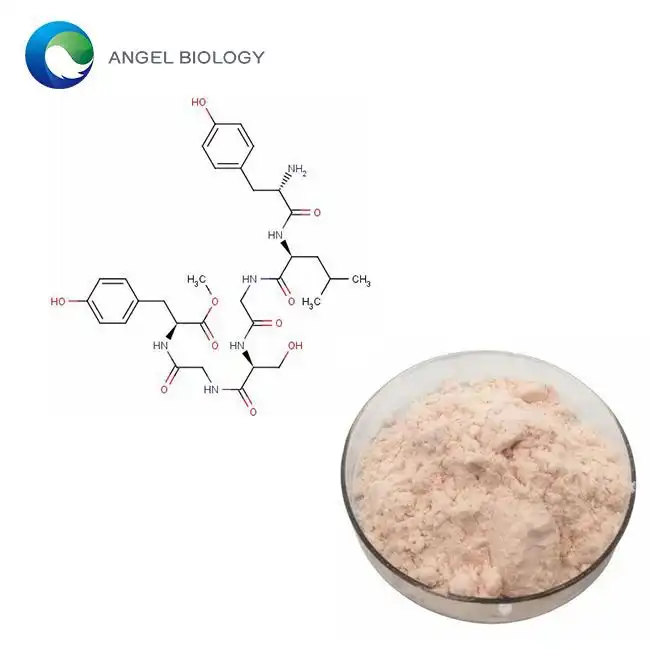
Glucoraphanin comprises the glucosinolate family. Its sulfur-containing chemical structure distinguishes it from other plant bioactives. The substance's molecular weight and structure determine its extraction and storage stability. High-purity extracts include 10–50% glucoraphanin, depending on source materials and processing.
From Glucosinolate to Sulforaphane: The Conversion Process
Myrosinase, present in plant cells, converts glucoraphanin to sulforaphane. When chewing, mixing, or enzyme treatment damages plant cells, myrosinase breaks down glucoraphanin during extraction. This enzyme modification produces sulforaphane, which activates Nrf2 in human cells. The speed of the conversion is crucial to the product's effectiveness since this system regulates over 200 cell-protecting genes.


In-Depth Comparison: Glucoraphanin Powder vs Related Compounds and Extracts
Glucoraphanin Versus Direct Sulforaphane Supplements
Both drugs benefit your health, yet they are created differently. Sulforaphane becomes unstable in powder form and breaks down fast under heat or water. Because it doesn't turn into sulforaphane unless consumed or activated by enzymes, Glucoraphanin Powder is more stable on the shelf. Glucoraphanin-based formulae are preferable for supplement firms that need to manage supplies and ensure product consistency since they are more stable.
Broccoli Powder Versus Standardized Glucoraphanin Extract
Whole broccoli contains glucoraphanin, fiber, vitamins, and other phytonutrients, although in low levels. Standardized glucoraphanin extracts give concentrated bioactives that operate, enabling precise production control. Procurement teams must consider product positioning while choosing amongst these options. Whole food powders can be utilized in general health formulae, but targeted nutraceuticals need standardized extracts for regularity and concentration.
Scientific Insights: Dosage, Safety
Evidence-Based Dosage Recommendations
Clinical studies recommend 30–60 mg of glucoraphanin daily for overall health. In specialized studies, 400 mg dosages have not caused serious negative effects. Product formulators should alter dosages based on market placement and use. Sports nutrition products may have greater concentrations, whereas functional food items have lower daily intakes distributed over numerous meals.
Safety Profile and Tolerability Data
Cruciferous vegetable derivatives are safe since they have been eaten for a long time. The negative effects of glucoraphanin were minimal in human experiments. High dosages can induce moderate gastrointestinal responses, such as eating plenty of greens. Still dose-dependent, these effects fade on their own.
Quality Assurance and Batch Testing Protocols
High-quality suppliers screen for heavy metals, microorganisms, and chemical residues. A Certificate of Analysis is included with each batch to follow it through the supply chain. Third-party lab verification increases credibility. This helps when selling in regulated marketplaces. Suppliers with ISO certificates have a systematic quality management system that goes beyond product inspection and involves the entire production process.
Procurement Guide: Sourcing Glucoraphanin Powder for Global B2B Clients
Evaluating Supplier Capabilities and Certifications
You must examine suppliers of Glucoraphanin Powder from several sides to find reliable ones. Whether suppliers can fulfill expanding demand relies on how much they can create and how effectively they can adjust specifications to satisfy formulation demands. GMP, HACCP, and organic badges demonstrate practicality. Well-known clients' referrals can reveal a supplier's reliability, communication, and supply chain problem-solving skills.
Understanding Pricing Structures and MOQ Requirements
The price of Glucoraphanin Powder varies based on raw material costs, removal difficulty, and concentration. Market prices range from $200 to $800 per kilogram, depending on purity and order quantity. Suppliers have extremely diverse minimum order quantities. Some require 25 kg, while others can do smaller trials. Volume price levels drive bolder promises, but buying teams must assess the cost savings against supply costs and product development time.
Regional Sourcing Trends and Logistics Considerations
Asian suppliers, notably Chinese ones, provide most glucoraphanin since they have experience producing and extracting it from broccoli. European vendors emphasize organic certification and EU-compliant quality records. North American supplies are still restricted, but they are rising because Americans demand local food. Shipping must be at the appropriate temperature, customs documentation must be correct, and lead time planning must match production schedules for foreign operations to succeed.
Future Trends and Innovations in Glucoraphanin Powder Applications
Emerging Research Expanding Application Opportunities
Its uses are expanding with a new study. Glucoraphanin Powder may improve brain, digestive, and cell aging, according to new research. These research topics enable non-antioxidant product development. Genetic testing-based personalized nutrition systems may recommend glucoraphanin supplements based on Nrf2 pathway variations. This might lead to customized products for certain client groups.
Advanced Delivery System Innovations
In difficult formulations, encapsulation makes glucoraphanin more accessible and stable. Liposomal administration keeps the substance safe during digestion, making it easier to absorb. Time-release tablets increase conversion by timing glucoraphanin and myrosinase enzyme release. These technical advances help companies stand out and charge more in competitive marketplaces.
Sustainability and Ethical Sourcing Initiatives
Knowing how materials are obtained influences consumers' product purchases. Fair labor, transparent supply lines, and safe farming provide suppliers an edge. Blockchain traceability solutions track materials from growth to product consumption. This eases authenticity concerns and facilitates ethical source marketing. Younger consumers who value social and environmental issues and product quality are drawn to these new concepts.
Conclusion
The science behind Glucoraphanin Powder is strengthened by continual research and novel methods. This ingredient assists brands that desire natural, effective, and scientifically supported compounds. Research and development teams can achieve high effectiveness criteria and consumer demand for clean label ingredients by understanding their biochemical processes, quality considerations, and formulation difficulties. Good procurement strategies balance quality, supplier reliability, and cost minimization to supply competitive products in a changing market.
FAQ
1. What natural sources contain the highest glucoraphanin concentrations?
The highest natural source of glucoraphanin is broccoli sprouts, which have 20–50 times more than mature broccoli stems. Although less abundant than kale, Brussels sprouts, cabbage, and other cruciferous vegetables have large quantities. Broccoli seeds and sprouts produce supplement-grade Glucoraphanin Powder. They are removed using unique methods to provide consistent strength for formulations.
2. How can procurement teams verify supplier authenticity and product quality?
Ask for thorough Certificates of Analysis certified by a third-party laboratory, building certifications like GMP and ISO standards, and well-known customer references throughout the verification process. Prior to large purchases, independent laboratories test stated specs. Doing a site audit yourself or hiring a third-party agency boosts your trust in manufacturing procedures, quality control systems, and legal compliance measures employed throughout production.
3. Are there regulatory compliance considerations specific to glucoraphanin ingredients?
Glucoraphanin is usually found in food or nutrition supplements in the US and EU. Labeling, manufacturing, and food safety requirements apply to glucoraphanin products. Based on how substances are removed and concentrated, certain areas may have new food rules. Responsible suppliers follow rules and prove compliance in target markets. Food declarations, free sale certifications, and regulatory status letters are examples.
Partner with Angelbio for Premium Glucoraphanin Powder Supply
Angelbio supplies safe, top grade Glucoraphanin Powder. Their goods undergo rigorous scientific testing and quality monitoring. We supply reliable Glucoraphanin Powder. We can deliver ingredients that fulfill the toughest production demands thanks to Angel Holding Group and Xi'an Jiaotong University's Institute of Life and Health Research's 18 years of research and development. Our extraction procedures preserve the most bioactive components while assuring batch accuracy. Our technical staff works with your R&D department to determine the appropriate ingredient requirements for your nutraceuticals, functional foods, or cosmetics. Our supply chain is transparent, and our paperwork facilitates legal compliance in all worldwide marketplaces. Talk to angel@angelbiology.com about your glucoraphanin needs and obtain customized quotes.
References
1. Fahey, J. W., Zhang, Y., & Talalay, P. (1997). "Broccoli sprouts: An exceptionally rich source of inducers of enzymes that protect against chemical carcinogens." Proceedings of the National Academy of Sciences, 94(19), 10367-10372.
2. Clarke, J. D., Dashwood, R. H., & Ho, E. (2008). "Multi-targeted prevention of cancer by sulforaphane." Cancer Letters, 269(2), 291-304.
3. Traka, M. H., & Mithen, R. F. (2011). "Plant science and human nutrition: Challenges in assessing health-promoting properties of phytochemicals." The Plant Cell, 23(7), 2483-2497.
4. Dinkova-Kostova, A. T., & Kostov, R. V. (2012). "Glucosinolates and isothiocyanates in health and disease." Trends in Molecular Medicine, 18(6), 337-347.
5. Egner, P. A., Chen, J. G., Zarth, A. T., et al. (2014). "Rapid and sustainable detoxication of airborne pollutants by broccoli sprout beverage: Results of a randomized clinical trial in China." Cancer Prevention Research, 7(8), 813-823.
6. Vanduchova, A., Anzenbacher, P., & Anzenbacherova, E. (2019). "Isothiocyanate from broccoli, sulforaphane, and its properties." Journal of Medicinal Food, 22(2), 121-126.