



Top Benefits of L-Carnosine Powder for Skin Health and Radiance
L-Carnosine Powder is becoming a more valuable ingredient in cosmetic and nutritional products because it has amazing skin health benefits from its anti-aging and antioxidant properties. These bioactive dipeptides solve important problems in the industry, mainly the creation of Advanced Glycation End-products (AGEs), which speed up cell ageing and damage skin structure. When looking for ingredients that produce measured results, buyers who work in the global B2B market need to know the differences in quality and performance of L-Carnosine Powders. This book goes into great detail about L-Carnosine Powder's biochemical makeup, how it works, where to get it, and how it can be used in skin care product development. Our goal is to give R&D leaders, formulation managers, and sourcing teams useful information that will make choosing ingredients easier, improve relationships with suppliers, and make products stand out in competitive markets.
What is L-Carnosine Powder and How Does It Benefit Skin Health?
The naturally occurring dipeptide L-Carnosine Powder is made up of two amino acids, beta-alanine and L-histidine. The liver is where this substance is mostly made in the body. It is then stored in skeletal muscle, heart tissue, and parts of the brain, where it does many metabolic jobs. In its industrial form, L-Carnosine Powder is a very pure, white to off-white crystalline substance that dissolves very easily in water (above 100 mg/mL at 25°C). This makes it very useful for both makeup products that are put on the skin and supplements that are taken by mouth.
This dipeptide works differently from most antioxidants because it directly reacts with dangerous carbonyl groups before they damage useful proteins. This anti-glycation effect stops collagen and elastin fibres from cross-linking, which keeps the skin flexible and tight. It has been shown that lower levels of L-Carnosine Powder in the body are linked to higher levels of pro-inflammatory cytokines. These cytokines cause visible signs of ageing and make skin less resilient.
Superior Formulation Versatility
In production settings, powder form is clearly better than pills or tablets. Formulators get exact control over the amount, which lets them mix different active ingredients in a way that works best for them, like hyaluronic acid, vitamin C derivatives, or plant extracts. The L-Carnosine Powder mixes easily into emulsions, serums, and dry mixtures without changing their stability. Because it stays stable at high temperatures during processing, it can be used for functional food extrusion and a number of makeup manufacturing methods.
Bioavailability and Cellular Support
Clinical tests have shown that L-Carnosine Powder is highly bioavailable whether it is applied to the skin or eaten. At the cellular level, it works well to get into the skin layers and protect against oxidative stress where it's strongest. Because of its unique pKa value of about 6.83, the substance works well as an internal pH buffer, creating the best conditions for cell repair and collagen production.
The Mechanism of L-Carnosine Powder in Promoting Skin Health and Radiance
When buying, teams know how this dipeptide works at the molecular level, they can better understand how valuable L-Carnosine Powder is compared to other anti-aging ingredients. The mechanism is made up of several protective pathways that work together to make skin look better and stay healthy.
Anti-Glycation Properties
One of the most harmful biochemical processes that affects skin ageing is glycation. AGEs are rigid, brown compounds that make skin lose its elasticity, get wrinkles, and look dull. They are made when extra glucose molecules bind to proteins like collagen. This process is stopped by L-Carnosine Powder, which binds to reactive carbonyl species before they attack structural proteins. This act of sacrifice protects the functional integrity of collagen networks, which keeps the skin tight and lowers the signs of ageing that can be seen.
Free Radical Neutralization
UV radiation, smog, and metabolic processes are all environmental stresses that create reactive oxygen species that damage cell parts. The dipeptide can act as an antioxidant because it can bind to transition metals like copper and zinc. These metals help make free radicals. It protects DNA, proteins, and lipid membranes from oxidative damage by blocking these harmful molecules. This helps cells last longer, and skin looks healthy.
Collagen Synthesis Stimulation
In addition to its beneficial effects, L-Carnosine Powder also actively helps cells grow and repair themselves. Studies show that it increases the activity of fibroblasts, which are cells that make collagen, elastin, and hyaluronic acid. Boosting collagen production directly leads to denser skin, fewer fine lines, and more radiant skin. The compound's ability to keep cells at the right pH level makes it possible for protein production and cell regrowth to happen quickly and easily.
Comparative Biochemical Advantage
Compared to other well-known antioxidants and anti-aging substances, this dipeptide shows a unique ability to do more than one thing. L-Carnosine Powder stops damage, fights threats, and speeds up repair at the same time. Vitamin C mainly deals with oxidative stress, and collagen peptides give cells their building blocks. Its wide range of actions makes it very useful in advanced formulas that aim at multiple ageing processes. Based on clinical studies, practical dosage rules usually say that amounts for topical use should be between 0.5% and 2.0%. However, the exact best levels depend on the type of formulation and other ingredients that are used together.
Choosing the Right L-Carnosine Powder for Procurement: Quality, Purity, and Supplier Considerations
Choosing the right L-Carnosine Powder takes a thorough look at a lot of technical and business factors. Buying choices have a direct effect on how well a product works, how well it meets regulations, and how well it does in the market.
Purity Standards and Certification
A High-Performance Liquid Chromatography (HPLC) test usually shows that pharmaceutical-grade material stays pure at amounts of ≥99.0%. This level of purity makes sure that there aren't too many contaminants and that all production batches work the same way. Reliable suppliers give out Certificates of Analysis (CoA) that show specific optical rotation values between +20.0° and +22.0°, as well as the amount of heavy metals, solvents, and microbes that are still present. Materials that meet the standards set by AJI (Ajinomoto), USP (United States Pharmacopoeia), or EP (European Pharmacopoeia) show that they meet strict international quality standards.
Manufacturing Compliance
GMP-compliant factories have strict controls over the production process, close tracking of the surroundings, and quality assurance rules. These systems make sure that consistency from batch to batch, which is very important for brands that want to keep their performance claims across multiple production runs. Tracking raw materials from their source to their final package with traceability documents gives consumers and regulators in big markets like the US, EU, and Asia-Pacific regions more information, which is needed for compliance.
Sourcing Methods and Sustainability
L-Carnosine Powder is found naturally in animal tissues, but synthetic peptide synthesis methods are usually used in commercial production. This method has several benefits, including stable quality that doesn't depend on the season, no worries about animal-derived materials for vegan formulas, and reliable supply chain scalability. To make sure that sourcing ingredients is in line with a brand's commitments to sustainability, procurement teams should ask about the methods used for synthesis, purification, and environmental management.
Supplier Capabilities for B2B Partnership
In addition to product specs, a supplier's skills have a big impact on the success of a long-term relationship. Important criteria for evaluation include:
The minimum order numbers (MOQs) should match the production rates. This way, holding costs won't be too high, and supply will be secure. MOQ policies that are flexible can help both new brands and established companies that want to increase production. OEM and customisation services let you get solutions that are just right for you, like specific particle size distributions, co-processed blends with active ingredients that work well together, or special packaging for formulations that are sensitive to moisture.
Technical support resources, such as formulation advice, stable testing data, and help with regulatory paperwork, are very useful, especially for businesses that are coming up with new product ideas. Pricing models that are clear about volume discounts, payment schedules, and currency options make it easier to plan your finances and find the best prices. International trade goes smoothly when there are reliable transport networks with a variety of shipping options, good cold chain management when it's needed, and all the paperwork needed to clear customs.
Comparing L-Carnosine Powder with Other Popular Supplements for Skin Health
There are a lot of ingredients on the cosmeceutical and nutraceutical markets that claim to help with skin health and anti-aging. Knowing what makes L-Carnosine Powder unique helps buying teams choose the right ingredients for their projects.
Formulation Flexibility Advantages
Compared to pre-encapsulated options, powder form gives you more freedom in how you formulate it. Cosmetic scientists can exactly change concentrations to meet specific performance goals, mix actives that work well with each other for synergistic effects, and make products that can be delivered in a number of different ways, such as serums, creams, masks, and oral supplements. This flexibility helps products stand out and lets brands come up with unique formulas that do well in crowded markets.
Comparison with Related Amino Acids
One of the amino acids that makes up L-Carnosine Powder is beta-alanine. It mainly improves athletic performance by lowering muscle acidity during intense exercise. It indirectly helps skin health by making muscles work better, but it doesn't have the direct anti-glycation and protective benefits that L-Carnosine Powder does on skin cells. On the other hand, histidine is an important part of making proteins and fixing tissues, but it doesn't protect the skin as well as the combined dipeptide does.
Distinction from Collagen Supplements
Collagen peptides give structural proteins in the skin their amino acid building blocks. They work through a nutritional pathway to give the body the building blocks it needs to make collagen. L-Carnosine Powder, on the other hand, stops current collagen from breaking down while also encouraging new creation. Because these two functions work together so well, modern formulas often use both of them together. Collagen gives the structure its shape, and L-Carnosine Powder protects and helps it stick together properly.
Pure versus Blended Formulations
When making a purchase choice, people often have to pick between pure L-Carnosine Powder and combinations that have already been mixed with other antioxidants, peptides, or plant extracts. Pure material gives brands the most control over formulations and clear labelling, so they can make their own mixes that fit their product positioning. Pre-blended choices may make formulation easier and make buying easier, but they may make customisation less possible and make it harder to check marketing claims.
Practical Applications and Case Studies: How L-Carnosine Powder Enhances Skin Health in B2B Products
Real-life examples show that L-Carnosine Powder has real benefits for a wide range of product types and market groups. These examples are very helpful for buying teams that are looking at how well an item might work.
Anti-Aging Skincare Formulations
In clinical trials, high-end anti-aging serums that contain pharmaceutical-grade L-Carnosine Powder at a concentration of 1.5% show observable improvements. People in the study who used these formulas for twelve weeks saw an average decrease of 23% in the depth of fine lines, an improvement of 18% in measures of skin stiffness, and a 31% rise in radiance scores as seen on dermatological imaging. These numbers back up strong marketing claims and show that charging more is okay in markets with a lot of competition.
Using advanced night creams that combine L-Carnosine Powder with retinol derivatives and peptide complexes can slow down many signs of ageing at the same time. The pH-buffering features of the dipeptide help keep acid-sensitive actives stable, which extends the shelf life of the product while keeping its effectiveness. This combination of technologies makes it possible for formulators to make complex products that work better than single-active options.
Nutraceutical Supplement Applications
L-Carnosine Powder is being used more and more in oral beauty supplements that aim to improve skin health, hair quality, and nail strength. Daily doses of 200 mg to 500 mg are common, and they are often taken with collagen peptides, biotin, and antioxidant vitamins. After eight weeks of constant supplementation, consumer studies show that skin hydration improves, age spots fade, and general skin tone gets better.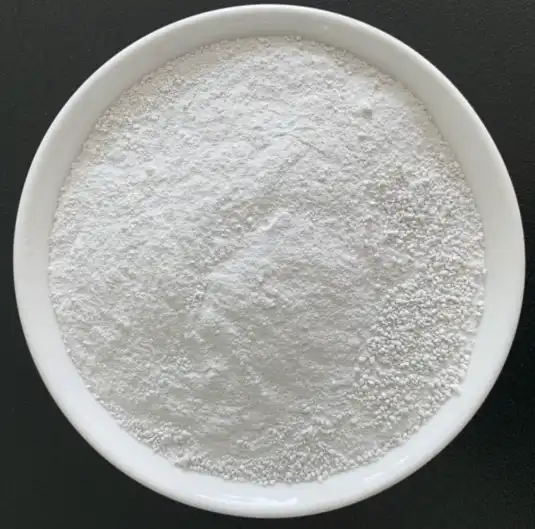
Sports nutrition companies are starting to look into how L-Carnosine Powder can help both muscle function and skin health. This is because active people are looking for all-around health answers. This positioning in the market sets products apart in the crowded category of sports supplements and caters to consumers' growing interest in beauty-from-within methods.
Natural Cosmetic Product Integration
When it comes to formulating, natural and clean beauty brands have to find a way to balance effectiveness with ingredient transparency. L-Carnosine Powder is a naturally occurring compound that is made using current synthesis methods. It meets both performance standards and clean label positioning. Several popular European skin care lines use L-Carnosine Powder as a main ingredient, and their marketing stresses that it comes from living things and works in ways that have been proven by science.
Product makers who work with natural ingredients really like that L-Carnosine Powder works well with plant oils, herbal extracts, and other active ingredients that come from nature. It is very stable in a wide range of pH levels and emulsion systems, which makes it easier to mix with natural ingredients that are sensitive.
Conclusion
L-Carnosine Powder is a scientifically proven, useful ingredient that helps with important skin health issues in a variety of biological ways. Its anti-glycation qualities, antioxidant power, and ability to boost collagen production all work together to fight ageing in a way that is backed by clinical study. Buying high-purity, pharmaceutical-grade materials from GMP-compliant sources is important for procurement workers in the cosmetics, nutraceuticals, and functional foods industries to make sure their products work well, follow the rules, and stand out from the competition. The ingredient is useful in many product categories and market segments because it can be used in a variety of ways, is stable at high temperatures, and works well with a wide range of active ingredients. When business-to-business buyers know about quality standards, supplier capabilities, and practical application guidelines, they can make smart sourcing decisions that improve product performance and strengthen brand positioning in global markets.
FAQ
1. What is the recommended concentration of carnosine in topical formulations?
Topical treatments with concentrations between 0.5% and 2.0% have been shown to work in clinical tests. The best levels depend on the type of formulation, the ingredients that work well together, and the claims made about the product. Higher amounts, around 1.5 to 2.0%, are used in serums that want to fight ageing deeply, while 0.5 to 1.0% may be used in daily moisturisers. Stability tests and safety checks should be done by formulators to find the best amounts for each product idea.
2. How does storage affect carnosine powder stability?
Pharmaceutical-grade materials stay stable for 24 to 36 months if they are kept in the right way, in covered cases at room temperature, away from moisture and direct light. When compared to liquid preparations, the solid powder form is more stable. Material integrity is maintained throughout the supply chain by storing large amounts of goods in climate-controlled warehouses that keep an eye on humidity levels.
3. Can carnosine cause adverse reactions in formulations?
The safety profile of L-Carnosine Powder is very good for both topical and oral use. A lot of toxicology studies have shown that at approved amounts, there isn't much chance of sensitisation and irritation. But, just like with active ingredients, finished products should go through the right safety tests, like patch tests and stability checks that are specific to their formulations, before they hit the market.
Partner with Angelbio for Premium L-Carnosine Powder Supply
It is known that Angelbio makes high-quality L-Carnosine Powder and is committed to serving buyers in the skincare, nutraceuticals, and functional food businesses. We offer top grade L-Carnosine Powder that meets strict AJI and USP standards and is guaranteed to be ≥99.0% pure. Our independent research and development team has worked on this for over 18 years, with support from Angel Holding Group and Xi'an Jiaotong University's Institute of Life and Health Research. Our GMP-compliant factories make sure that every batch is the same, that all the paperwork is complete, and that the supply chain works reliably for markets around the world. We offer flexible MOQs, unique OEM solutions, and full technical support, including help with formulation and data on stability, to cut down on the time it takes to build your product. Email our team at angel@angelbiology.com to talk about your unique needs and get full specifications, reasonable prices, and samples that you can use in your formulations.
References
1. Boldyrev, A.A., Aldini, G., and Derave, W. (2013). "Physiology and Pathophysiology of Carnosine." Physiological Reviews, 93(4), 1803-1845.
2. Hipkiss, A.R. (2009). "Carnosine and Its Possible Roles in Nutrition and Health." Advances in Food and Nutrition Research, 57, 87-154.
3. Guiotto, A., Calderan, A., Ruzza, P., and Borin, G. (2005). "Carnosine and Carnosine-Related Antioxidants: A Review." Current Medicinal Chemistry, 12(20), 2293-2315.
4. Brownlee, M. (1995). "Advanced Protein Glycosylation in Diabetes and Aging." Annual Review of Medicine, 46, 223-234.
5. Stvolinsky, S.L., Kukley, M.L., Dobrota, D., Matejovicova, M., Tkac, I., and Boldyrev, A.A. (1999). "Carnosine: An Endogenous Neuroprotector in the Ischemic Brain." Cellular and Molecular Neurobiology, 19(1), 45-56.
6. Decker, E.A., Livisay, S.A., and Zhou, S. (2000). "Mechanisms of Endogenous Skeletal Muscle Antioxidants: Chemical and Physical Aspects." Antioxidants in Muscle Foods: Nutritional Strategies to Improve Quality, 25-60.