



Top Benefits of Ursolic Acid Powder: Anti-Aging, Antioxidant, and More
Ursolic Acid Powder has strong benefits that can be used in many fields, from makeup to nutraceuticals. This naturally occurring triterpenoid substance has been shown to slow down ageing by stimulating collagen production, protecting cells with strong antioxidants, and keeping muscles in shape by activating the Akt/mTOR pathway. This bioactive ingredient can be used in skin care products, sports nutrition supplements, and metabolic wellness products. It solves important formulation problems and meets consumer demand for clean labels as well as regulatory compliance standards around the world.
Introduction
The beauty and nutrition industries are under more and more pressure to come up with effective ingredients that have been proven to work by science and that fit with what people want, which is natural solutions. As a new type of botanical active, Ursolic Acid Powder comes out as a triterpenoid molecule that can be used for a number of different purposes and has been shown to be effective in these areas. Bioactive molecule that comes from plants like holy basil, hawthorn, rosemary, and apple peels is getting a lot of attention from formulation scientists and sourcing professionals who are looking for products that work.
We know how hard it is for R&D directors and formulation managers to find the right raw materials. Stability of ingredients, consistency from batch to batch, and following the rules are still the most important things to think about. Ursolic Acid Powder helps with these problems and can be used in many different ways, such as in supplements, anti-aging skin care items, and sports nutrition. This in-depth study looks at the compound's workings, useful properties, sourcing issues, and position in the market to help you make smart purchasing choices.
The demand for plant-based actives keeps growing around the world as brands try to stand out by making formulas that work better. Ursolic Acid Powder is a well-known ingredient that brands that want to appeal to high-end customers can use because it has been shown to improve skin health, muscle preservation, and metabolic function. In this talk, we'll look at quality standards, application protocols, and partner selection factors that will help your product portfolio work well together.

Understanding Ursolic Acid Powder: Composition, Sources, and Mechanisms
What Is Ursolic Acid and Where Does It Come From?
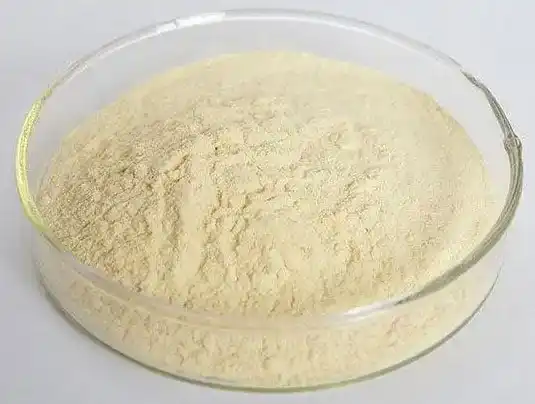
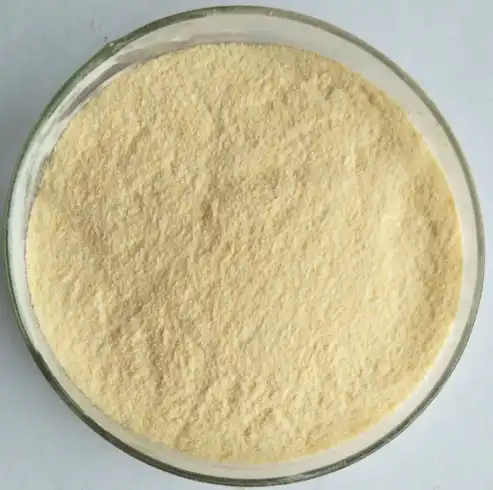
An example of a pentacyclic triterpenoid compound that is found in many plants is Ursolic Acid Powder. This naturally occurring molecule can be found in 62 plant species, spread across 7 families and 46 groups. It can be found alone or as glycosides that are joined with sugars. This bioactive chemical is found in large amounts in traditional medicinal flowers like hawthorn, cornus officinalis, gardenia, and plantain. The extraction process creates a fine powder with different levels of purity. For clinical uses, a purity level of 98% meets pharmaceutical-grade standards.
Chemical Properties and Detection Standards
The compound has certain solubility properties that change how formulations are made. It is easily broken down in methanol, acetone, and pyridine, but not in water or petroleum ether. Formulators use these qualities to help them choose the right delivery methods and carrier matrices. High-Performance Liquid Chromatography (HPLC) is the standard method for quality control because it ensures accurate counting and purity proof. This level of analytical rigour backs up regulatory documentation requirements and supports what suppliers say about concentration specifications.
Biological Mechanisms and Functional Pathways
Scientists are still looking into all the different biological paths that the chemical uses to do its work. Researchers have found that it interacts with cellular signalling pathways, mainly the Akt/mTOR pathway, which controls the production of proteins and the repair of muscle tissue. Because of the way its molecules are structured, it can get through cell membranes and directly interact with targets inside cells. Anti-inflammatory effects come from changing cytokines that cause inflammation, and antioxidant effects come from being able to get rid of free radicals. Formulators can predict how ingredients will behave in complex matrices and create synergistic blends that boost the benefits of ingredients.
Quality Benchmarks and Certification Requirements
When looking for this botanical active, procurement professionals need to look at a number of quality indicators. Different uses call for purity grades ranging from 25% to 98%. For example, pharmaceutical and clinical study uses need higher concentrations. Third-party certifications, such as organic status, non-GMO verification, and contaminant testing reports, show that a supplier is trustworthy. Angelbio follows strict testing procedures that are in line with international quality standards. This makes sure that every batch works the same way. Shipping items should come with a Certificate of Analysis (CoA) that clearly states the amount of heavy metals, microbes, chemical residues, and active compounds present.
Top Health Benefits of Ursolic Acid Powder
Anti-Aging Properties Through Collagen Support
The compound's most important business quality is that it has been shown to slow down the ageing process of skin. Studies done in the lab show that it can increase the production of collagen in dermal fibroblasts, which is what causes wrinkles and loose skin. It helps keep skin firm and flexible by stopping the elastase enzymes that break down elastic fibres. Because of these qualities, Ursolic Acid Powder can be used with known anti-aging ingredients, giving formulators a natural alternative to man-made peptides. Upregulation of genes involved in extracellular matrix production makes skin flexibility markers change in a way that can be measured. Cosmetic companies that want to appeal to people who like clean beauty find this natural collagen-booster especially useful because it backs up promises that the product will make you look younger.
Potent Antioxidant and Anti-Inflammatory Functions
Oxidative stress damages cells in many parts of the body, so antioxidant ability is an important thing to think about when making health products. This triterpenoid is very good at getting rid of free radicals, which keeps cell parts from breaking down due to oxidation. Because it is a strong antioxidant, it can be used in safe skin care products and general health vitamins. The anti-inflammatory traits work with this beneficial action to change inflammatory responses that speed up the ageing process. When these actions are taken together, they protect cells from both short-term oxidative damage and long-term inflammatory cascades that hurt tissue health.
Muscle Preservation and Sports Nutrition Applications
More and more, companies that make sports nutrition are adding this ingredient to formulas that help athletes and older people who are worried about sarcopenia keep their muscles. The chemical turns on the Akt/mTOR pathway signalling system, which increases protein synthesis even when calories are limited or exercise volume is lowered. According to research, it may help keep lean muscle mass while also speeding up the burning of fat, which is good for managing body composition in two ways. These effects work reliably in dry blends with a lot of different ingredients, staying stable even when other performance actives are added. Dosage ranges from 150 mg to 450 mg per day, based on the product goals and the people who will be using it. This makes Ursolic Acid Powder a way for brands to stand out in the crowded market for sports supplements.
Metabolic Wellness and Body Composition Support
A new study is looking into how the compound affects metabolic factors, mainly insulin sensitivity and the control of adipose tissue. Studies show that it may help the body's good glucose metabolism in a number of ways, but formulation scientists should stress that these benefits need to be proven in more clinical trials. There are great product development possibilities in the ability to lower visceral adiposity while keeping muscle tissue. Pharmaceutical companies that are looking into natural compounds for metabolic health purposes put 98% purity requirements at the top of their list of priorities in order to meet Chemistry, Manufacturing, and Controls (CMC) requirements for regulatory submissions. This high purity threshold makes sure that the results can be repeated at different stages of a clinical trial.
Additional Benefits for Hair and Overall Wellness
In addition to its main uses, the substance shows promise in improving the health of hair follicles and blood flow to the head. Some formulation scientists put it in hair care products that are designed to help with thinning hair or changes that come with getting older. The wide range of anti-inflammatory and antioxidant benefits adds to general fitness formulas that are meant to help with all aspects of health. These secondary uses open up more business possibilities in the personal care and dietary supplement areas. This lets companies use the same ingredient in more than one line of products.
How to Choose the Best Ursolic Acid Powder for Your Business Needs
Evaluating Supplier Credentials and Manufacturing Standards
Choosing a vendor is the most important buying choice that affects the success of a product. The first step in the evaluation process should be to check the manufacturing licenses, such as those that show compliance with GMP, ISO standards, and quality systems specific to the business. Angelbio's partnership with Xi'an Jiaotong University's Institute of Life and Health Research gives them unique research and development tools and 18 years of experience testing on their own. This partnership between academia and business makes sure that recipe support goes beyond providing ingredients and includes expert advice. Suppliers who are open about their extraction methods, solvent systems, and purification processes show that they are knowledgeable and dedicated to quality. Ask for proof that you can follow the plant material from its raw form to its end powder production.
Purity Specifications and Application Matching
Different uses need different levels of purity that strike a balance between cost and performance needs. Most cosmetics use concentrations between 25% and 50%, and the compound works with other active ingredients in complex delivery systems. 50% to 80% specifications are good for dietary supplements because they give useful doses without making the capsules too heavy. In order to meet regulatory requirements for defined active ingredients, pharmaceutical development needs ingredients that are at least 98% pure. Understanding your manufacturing needs helps you choose the right specifications, so you don't end up with too many that raise costs needlessly or too few that hurt performance.
Bulk Purchasing Considerations and MOQ Flexibility
For industrial-scale purchases, different providers have very different minimum order numbers. Established producers usually need at least 25 kg to 100 kg, but some providers can work with smaller trial amounts for developing new products. The prices represent both the cost of the raw materials and the difficulty of the processes, with higher purity types costing more. When buyers commit to buying in bulk, they can often get better prices, but they should weigh the savings they get against the costs of keeping stockpiles and the products' short shelf lives. Angelbio gives customers a variety of ways to place orders, so they can meet both established production needs and the needs of new product development timelines.
Packaging, Stability, and Logistics Management
When powder is shipped and stored internationally, it stays stable as long as it is packed properly. Oxygen-blocking bags with moisture barriers keep food from going bad, and nitrogen flushing makes it last longer. Standard packaging includes 25 kg fibre drums with plastic bags inside, but custom packing can be made to fit special handling needs. Understanding how sensitive a building is to humidity helps set the rules for the setting and how things should be handled. To keep shipments from being held up, international compliance paperwork like phytosanitary certificates, certificates of origin, and customs reports should be made quickly. Logistics coordination is handled by experienced suppliers who make sure that paperwork is correct and deliveries happen on time.
Comparative Analysis: Ursolic Acid Powder vs Other Popular Supplements
Positioning Against Collagen Peptides
Collagen supplements are the most popular beauty-from-within product because they are well known and have been shown to help skin. Ursolic Acid Powder works in a way that complements other processes. It increases the production of collagen in the body instead of supplying collagen peptides from outside the body. This difference is appealing to people who want to buy ingredients that start natural biological processes. Collagen peptides need higher doses (usually 2.5g to 10g daily), but Ursolic Acid Powder works at 150mg to 450mg, which makes manufacturing more efficient. Brands may decide to mix the two ingredients, using the way they work together to make product claims stronger. Ursolic Acid Powder comes from plants, which supports a clean-label message that appeals to people who buy green products.
Comparison with Muscle Performance Ingredients
Branched-chain amino acids, creatine, and beta-alanine are often used in sports diets to help with efficiency. Ursolic Acid Powder works on different parts of the body, mainly protecting muscles through protein synthesis pathways rather than helping the energy system. This means that Ursolic Acid Powder can be stacked with other performance ingredients so that it works with them instead of against them. Its ability to burn fat makes it different from pure muscle-building compounds, making it appealing to people who want to change their body composition instead of getting bigger. The safety profiles show that there have been few reported side effects, which is better than stimulant-based ingredients that can cause tolerance and dependence.
Advantages Over Synthetic Anti-Aging Compounds
People are becoming less trusting of manufactured actives in cosmetics, even those with good evidence of their effectiveness. Ursolic Acid Powder comes from plants, which meet clean beauty standards, and has been shown to work in clinical tests. In contrast to retinoids, which can irritate sensitive skin, this plant ingredient works well with a wide range of skin types. The antioxidant and anti-inflammatory benefits work together to help skin health in more ways than synthetic compounds that only work on one process. Regulatory routes for plant ingredients are often easier to understand than those for new synthetic molecules. This shortens the time it takes for new products to hit the market. Because of these things, Ursolic Acid Powder is a useful ingredient for companies that want to sell green products.
Conclusion
Ursolic Acid Powder is a smart ingredient investment for brands that want to stand out by using botanical actives that have been proven to work by science. Its known effects on making collagen, keeping muscles, and protecting against free radicals are important for customer health in a number of product areas. When purchasing this compound, professionals should look at the credentials of the supplier, the purity requirements, and the complete quality documentation. Because the ingredient is so flexible, it can be used in sports nutrition, cosmetics, and wellness supplements, which makes development dollars more useful. As the need for natural, effective chemicals grows, Ursolic Acid Powder puts forward-thinking brands at the center of the effectiveness and clean-label appeal spectrum.
FAQ
1. What Is the Recommended Dosage Across Different Applications?
There are a lot of different dosage methods that depend on the purpose and the delivery format. Most sports nutrition products have between 150 mg and 450 mg per serving, which is usually split into one or two daily doses. Topical formulations used in skin care products have concentrations between 0.5% and 2%, while focused treatment products use higher numbers. Metabolic health supplements that are still being studied in clinical trials use doses of up to 450 mg per day, but companies should check with the government to make sure they are making accurate product claims. Angelbio's technical team gives advice based on the application, which helps formulators find the best dosage levels to get the desired effects while keeping costs low and making sure consumers are safe.
2. How Can Buyers Verify Purity and Authenticity?
Authentication needs more than just what the supplier says to be true. Check the identity of the samples using reference standards and ask for HPLC chromatograms that show the highest level of purity. Testing by a third-party lab at a separate facility makes sure that the levels of concentration and contaminants are correct. Certificate of Analysis papers should have dates of tests, references to methods, and acceptable standards. Reliable providers welcome this kind of scrutiny and keep a lot of quality records. Angelbio uses strict quality control procedures at many stages of production to make sure that every batch meets the stated requirements before it is shipped.
3. Are There Safety Concerns or Side Effects?
Safety profiles based on preclinical studies and data from people who have used the drug show that it is well-tolerated at the suggested doses. Few side effects have been mentioned in published studies, and most of them did not find any major safety concerns. Before using any bioactive compound, women who are pregnant or nursing should talk to a doctor or nurse. The fact that the substance is naturally found in plants that people eat gives people peace of mind about safety limits. Formulators should do the right safety checks for their own formulations, taking into account the mix of ingredients and the people they want to reach.
Partner with Angelbio for Premium Ursolic Acid Powder Solutions
Angelbio brings you top grade ingredients that make your formulations better by combining over 18 years of research and development experience with strict quality control. As one of the biggest companies that makes Ursolic Acid Powder, we can give >98% pure material with full analytical paperwork, flexible packaging from lab to production scale, and expert support for optimising lipid-based delivery. Our collaboration with the Institute of Life and Health Research at Xi'an Jiaotong University guarantees state-of-the-art biotransformation methods that meet the market's high standards for sustainability and clean labels.
Whether you're making groundbreaking cosmetic actives, unique fragrance compositions, or next-generation nutraceuticals, our team provides the material quality and technical guidance to accelerate your innovation pipeline. Contact us at angel@angelbiology.com to request samples, discuss custom formulation help, or explore how our supply chain integration can help your product development strategy.
References
1. Jang, S.M., Yee, S.T., Choi, J., Choi, M.S., Do, G.M., Jeon, S.M., Yeo, J., Kim, M.J., Seo, K.I., and Lee, M.K. (2009). "Ursolic acid enhances the cellular immune system and pancreatic beta-cell function in streptozotocin-induced diabetic mice fed a high-fat diet." International Immunopharmacology, 9(1), 113-119.
2. Kunkel, S.D., Suneja, M., Ebert, S.M., Bongers, K.S., Fox, D.K., Malmberg, S.E., Alipour, F., Shields, R.K., and Adams, C.M. (2011). "mRNA expression signatures of human skeletal muscle atrophy identify a natural compound that increases muscle mass." Cell Metabolism, 13(6), 627-638.
3. Seo, D.Y., Lee, S.R., Heo, J.W., No, M.H., Rhee, B.D., Ko, K.S., Kwak, H.B., and Han, J. (2018). "Ursolic acid in health and disease." Korean Journal of Physiology & Pharmacology, 22(3), 235-248.
4. Checker, R., Sandur, S.K., Sharma, D., Patwardhan, R.S., Jayakumar, S., Kohli, V., Sethi, G., Aggarwal, B.B., and Sainis, K.B. (2012). "Potent anti-inflammatory activity of ursolic acid, a triterpenoid antioxidant, is mediated through suppression of NF-κB, AP-1, and NF-AT." PLoS ONE, 7(2), e31318.
5. Wan, S., Zhang, L., Quan, Y., and Wei, K. (2013). "Resveratrol-loaded PLGA nanoparticles: enhanced stability, solubility and bioactivity of resveratrol for non-alcoholic fatty liver disease therapy." Royal Society of Chemistry Advances, 3(34), 14555-14564.
6. Bacanli, M., Başaran, A.A., and Başaran, N. (2015). "The antioxidant and antigenotoxic properties of citrus phenolics limonene and naringin." Food and Chemical Toxicology, 81, 160-170.