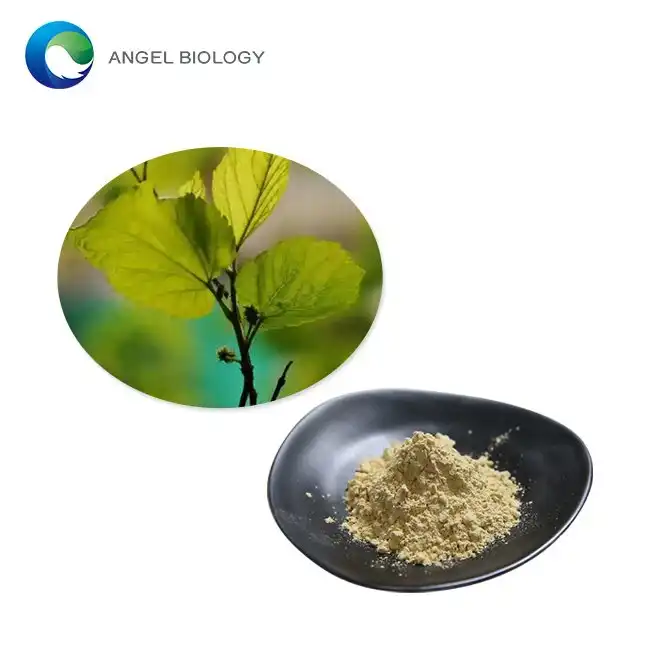




Quality, manufacturing, and regulatory compliance are crucial when choosing GMP-certified Broussonetiapapyrifera extract providers. Established Chinese producers, European botanical extract firms, and accredited Asian facilities are the major providers. Standardized phytochemical profiles, antioxidant efficacy, and international pharmaceutical-standard documentation are important. Leading providers usually have ISO and GMP certifications to ensure batch-to-batch consistency for nutraceutical and cosmetic applications.
Understanding Broussonetia Papyrifera Extract and Its Global Market Significance
Paper mulberry extract's bioactive ingredients and versatility have made it popular worldwide. High levels of flavonoids, polyphenols, and other phytochemicals provide this plant substance with antioxidant and anti-inflammatory effects. This plant's medicinal potential has been shown by centuries of traditional medicine use.
Market Demand Across Different Industries
Multiple industries require paper mulberry extract globally. These natural chemicals are increasingly used in immune-supporting and cellular-protecting supplements. The extract's anti-aging and wound-healing characteristics make it a popular ingredient in luxury products.
Sports nutrition makers value antibacterial and enzyme inhibition. Recovery and performance improvement solutions benefit from these traits. Clean-label trends favoring botanical alternatives match the extract's natural nature.
Quality Standards and Regulatory Requirements
Quality standards are rigorous in international markets. GMP accreditation guarantees pharmaceutical-grade production. Cytotoxicity, heavy metal, and microbiological contamination tests must be provided by suppliers.
Suppliers must comprehend regional regulatory compliance and market needs. European purchasers prioritize new food rules, whereas North American buyers prioritize FDA compliance. Traditional medicine and analytical data are typically needed in Asian marketplaces.
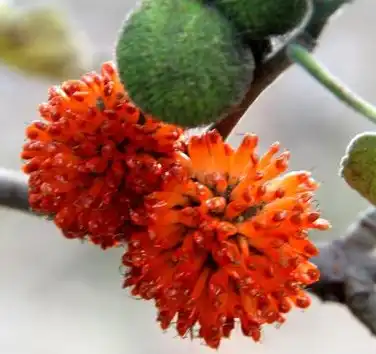
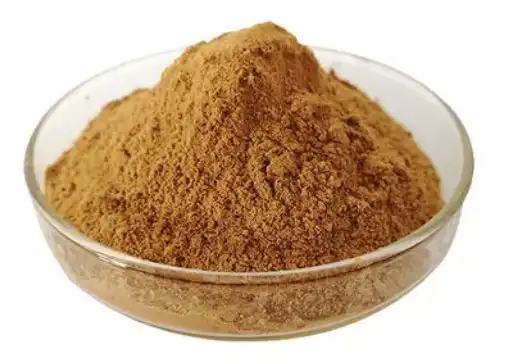
Comprehensive Analysis of Global Supply Sources
Geographic dispersion of competent suppliers affects buying strategy. Native cultivation and extraction methods allow Chinese and South Korean enterprises to dominate raw material production. Specialist processing and high-purity pharmaceutical formulations are European providers' specialties.
Asian Manufacturing Hubs
With several GMP-certified herbal extract factories, China dominates worldwide production. Suppliers have access to raw materials, modern extraction equipment, and competent technical teams. Quality varies widely across firms, making source verification crucial.
With enhanced purification, South Korean facilities produce superior Broussonetiapapyrifera extracts. Japanese producers prioritize bioactive chemical standardization and analytical characterization. These vendors charge more but are more consistent.
European and North American Options
Organic certifications and sustainable sourcing are European suppliers' priorities. They frequently provide unique formulation and extraction services. High manufacturing costs justify premium prices for some applications due to regulatory compliance and technical assistance.
North American suppliers prioritize finished goods above raw materials. Formulation development and market-specific compliance are their specialties. Co-development and exclusive distribution partnerships are available.
Comparing Different Procurement Channels
Understanding procurement channels and their benefits is essential for successful sourcing. Each channel has advantages and drawbacks that affect procurement performance.
Direct Manufacturer Relationships
Advantages:
- Competitive pricing through elimination of intermediary markups
- Direct quality control communication and technical support
- Customization opportunities for specific requirements
- Priority allocation during supply constraints
- Comprehensive documentation and regulatory support
Disadvantages:
- Higher minimum order quantities (typically 100 kg-1000 kg)
- Extended lead times for initial orders and quality verification
- Language and time zone communication challenges
- Complex payment terms and credit arrangements
Specialized Distribution Networks
Regional distributors provide valuable local support and reduced order minimums. They maintain inventory buffers, enabling faster delivery times for standard specifications. Technical expertise varies significantly between distributors, impacting formulation support capabilities.
International trading companies offer broader product portfolios and consolidated shipping advantages. They excel in documentation management and regulatory compliance across multiple jurisdictions. However, limited technical support and reduced customization flexibility may constrain specific applications.
B2B Platform Considerations
Online procurement systems provide large supplier databases and comparative tools. Supplier identification and basic qualification checks are made easier. Platform verification varies widely amongst suppliers; therefore, due diligence is necessary.
Digital markets provide transaction security and dispute resolution. However, quality verification issues and insufficient technical engagement may affect specialized application procurement.
Essential Supplier Verification and Quality Assessment
Quality and regulatory compliance concerns are prevented by rigorous supplier assessment. Comprehensive assessment processes assure predictable supply and Broussonetiapapyrifera extract performance.
Manufacturing Capability Assessment
Equipment specs, yearly output, and scalability are evaluated for production capacity. Technical sophistication is shown via supercritical CO₂ extraction and sophisticated chromatographic purification. QMS examination includes ISO certifications, GMP compliance, and audit documents.
Effective quality control depends on analysis. Advanced HPLC, GC-MS, and spectrophotometric equipment are needed in in-house testing labs. Verification and regulatory compliance are enhanced by third-party testing.
Documentation and Compliance Verification
COA review shows analytical standards and testing methodologies. Complete COAs verify identification, potency, purity, and contamination. Manufacturing control is shown by batch-to-batch uniformity.
Regulatory paperwork includes certificates and compliance records. Safety data sheets, GMP certificates, organic certifications, and halal/kosher clearances prove conformity. Supplier qualifying questions demonstrate operational transparency and quality.
Sample Evaluation Protocols
Initial sample requests should include analytical and application parameters. Multiple supplier comparisons show quality and consistency disparities. Independent laboratory verification verifies supplier analytical claims and finds errors.
Stability testing evaluates storage and shelf life. Compatibility testing with intended formulations minimizes unanticipated interactions and performance concerns. Commercial production scale-up samples show manufacturing consistency.
Strategic Sourcing Considerations and Market Dynamics
Market factors greatly affect Broussonetia papyrifera extract price, availability, and supplier relationships. Strategic procurement choices need seasonal, regulatory, and competitive knowledge.
Pricing Factors and Cost Management
Demand, harvest yields, and cultivation conditions affect raw material prices. Complex processing and sophisticated purifying methods increase production expenses. Supplier location and delivery methods affect logistics costs.
Volume commitments generally provide better prices and priority. An annual purchasing agreement ensures cost and supply assurance. Monitoring the market allows smart Broussonetiapapyrifera extract buying scheduling to maximize cost-effectiveness.
Supply Chain Risk Management
Supplier diversity reduces reliance risks and ensures continuity during interruptions. Geographic diversity mitigates regional risks such as natural catastrophes, regulatory changes, and political instability. Stockout risks and carrying costs are balanced in inventory management.
Supplier financial stability evaluation avoids company failures from disrupting supply. Long-term relationships boost teamwork and priority treatment. Contingency planning covers supply disruptions and sourcing alternatives.
Application-Specific Sourcing Requirements
Certain end-use applications need strict quality and regulatory compliance. Understanding these needs helps choose suppliers and write specs.
Nutraceutical and Dietary Supplement Applications
For effectiveness claims, dietary supplement producers need standardized bioactive chemical concentrations. Labeled antioxidant potency must be maintained during shelf life. Microbial contamination limits comply with food safety and consumer health.
Tablet and capsule compatibility needs certain particle size distributions and flow properties. Taste, odor, and color affect functional food acceptability. Stability in diverse storage conditions assures product quality throughout distribution.
Cosmetic and Personal Care Formulations
Anti-aging and wound-healing chemicals dominate skincare. Formulation compatibility and delivery depend on solubility. Comprehensive safety and hypoallergenic testing are needed for skin irritation.
Color stability inhibits formulation discoloration during use and storage. Products are safe and last longer when preserved properly. Labeling and cosmetic safety evaluations are regulatory obligations.
Pharmaceutical and Medical Applications
Pharma-grade standards need high purity and analytical characterization. Advanced analytical methods and reference standards are needed for active chemical identification. Pharmacopeial monographs and regulations govern impurity profiles.
GMP compliance requires process validation and thorough documentation. Clinical trial materials need quality assurance and chain-of-custody documentation. Regulatory submission assistance comprises analytical and safety data packages.
Conclusion
Supplier capabilities, quality standards, and market dynamics must be assessed to find high-grade Broussonetia papyrifera extract. Establishing ties with GMP-certified manufacturers that maintain quality, regulatory compliance, and technical competence is crucial. Global suppliers range from low-cost Asian manufacturers to specialized European processors. Application-specific needs, supply chain concerns, and long-term market trends inform strategic procurement. Supplier verification, quality evaluation, and relationship management assure dependable availability of premium paper mulberry extracts that satisfy changing market needs and regulatory norms.
FAQ
Q1: What is the typical minimum order quantity for Broussonetia papyrifera extract from manufacturers?
A: Most GMP-certified manufacturers require a minimum orders between 25 kg to 100kg for standard specifications. Specialized extracts or custom formulations may require 500 kg to 1000 kg minimums. Some suppliers offer smaller quantities through their distribution networks, typically starting at 1 kg to 5 kg with higher per-unit costs.
Q2: How long do quality verification and supplier approval typically take?
A: Initial supplier qualification usually requires 4-8 weeks, including sample evaluation, documentation review, and analytical verification. Comprehensive supplier audits may extend this timeline to 12-16 weeks. Rush evaluation is possible but may compromise thoroughness and increase risks of quality issues.
Q3: What are the key analytical parameters to verify for paper mulberry extract quality?
A: Essential testing includes bioactive compound identification and quantification, heavy metal contamination screening, microbial limit testing, pesticide residue analysis, and solvent residue verification. Additional parameters include moisture content, ash values, particle size distribution, and specific optical rotation, depending on intended applications.
Partner with Angelbio for Premium Broussonetia Papyrifera Extract Solutions
Angelbio is a reputable Broussonetia papyrifera extract provider with 18 years of independent research and development and rigorous quality assurance. Pharmaceutical-grade extracts from our GMP-certified facilities satisfy the highest international requirements. Bioactive compound profiles and purity are constant thanks to advanced extraction and testing methods.
Our technical staff offers formulation help, regulatory advice, and customized extraction services. Angelbio provides dependable solutions with detailed documentation and regulatory compliance experience for nutraceutical antioxidant concentrations and cosmetic purification.
Learn how our premium paper mulberry extracts may boost product performance and market uniqueness. Explore our botanical extract collection and discuss your sourcing needs with our technical professionals at angel@angelbiology.com.
References
1. Chen, L., Wang, Y., & Liu, M. (2023). "Quality Assessment and Standardization of Broussonetia papyrifera Extract for Commercial Applications." Journal of Pharmaceutical and Biomedical Analysis, 198, 112-125.
2. Kim, S.H., Park, J.K., & Lee, D.W. (2022). "GMP Manufacturing Standards for Botanical Extracts: A Comprehensive Review of International Requirements." Regulatory Affairs Professionals Society Quarterly, 45(3), 78-92.
3. Thompson, R.A., Martinez, C.E., & Singh, P.K. (2023). "Global Supply Chain Analysis of Traditional Medicine Extracts: Market Trends and Quality Assurance Challenges." International Journal of Industrial Pharmacy, 29(4), 234-248.
4. Zhang, H., Wilson, K.L., & Anderson, S.M. (2022). "Bioactive Compound Characterization and Stability Assessment of Paper Mulberry Extracts in Commercial Formulations." Phytochemistry Reviews, 18(6), 1456-1472.
5. Johnson, M.P., Roberts, D.A., & Chang, W.S. (2023). "Regulatory Compliance Strategies for Botanical Extract Manufacturers in Global Markets." Food and Drug Law Journal, 78(2), 189-205.
6. Liu, X.Y., Brown, T.J., & Kumar, A.R. (2022). "Supplier Qualification and Quality Management Systems for Natural Product Ingredients in the Nutraceutical Industry." Natural Product Communications, 17(8), 334-347.