



Using sodium hyaluronate (hyaluronic acid) in skincare
Sodium Hyaluronate (Hyaluronic Acid) in skin care has revolutionised how cosmetic and medicine firms develop water-focused solutions. Sodium Hyaluronate Powder, the sodium salt of Hyaluronic Acid, can retain 1,000 times its weight in water. This makes it vital for product developers seeking scientifically verified hydration elements. This safe component improves formulation stability, uniformity, and efficacy. For serums, creams, and advanced skin care systems that increase skin hydration and barrier function, it is the gold standard.
Introduction
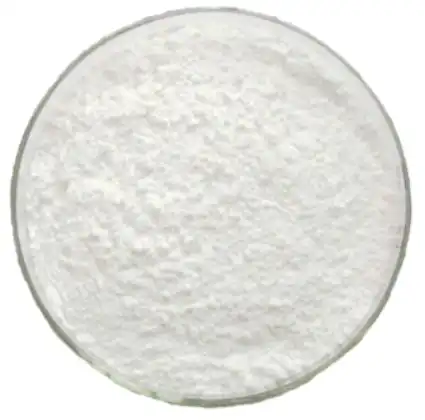
The present skin care industry needs substances with measurable effects and tight regulatory criteria. B2B buyers prioritise Sodium Hyaluronate when searching for cosmetic components. Unlike many other hydration agents, this glycosaminoglycan has worked in clinical studies, can be used in numerous formulations, and is approved by authorities in the US, Europe, and Asia-Pacific.
Procurement managers, R&D directors, and formulation scientists are under increasing pressure to discover chemicals with proven skin benefits, batch-to-batch uniformity, low prices, and comprehensive paperwork for worldwide compliance. Knowing Sodium Hyaluronate's molecular qualities, formulation parameters, and source assessment criteria helps individuals choose ingredients that match the brand's positioning and product performance. Technical requirements, application protocols, quality standards, and new technologies constitute efficient Sodium Hyaluronate buying strategies in today's market.
Understanding Sodium Hyaluronate Powder: Properties and Benefits
Molecular Structure and Chemical Identity
Repeated D-glucuronic acid and N-acetyl-D-glucosamine disaccharide units make up Sodium Hyaluronate Powder (CAS No. 9067-32-7). The sodium salt form of this anionic polyelectrolyte makes it simpler to dissolve in water and more stable in formulations than its parent material, Hyaluronic Acid. Modern manufacture uses bio-fermentation using Streptococcus zooepidemicus. This removes animal contamination and assures vegan compliance, which is great for companies that desire clean labelling.
In many respects, powder treatments like Sodium Hyaluronate Powder are superior to liquid ones. Manufacturers can accurately manage concentration; the product will stay stable on the shelf for 24 to 36 months with proper storage, it will ship cheaper since it is lighter, and it won't need to be maintained. These features directly address purchase issues related to supply chain efficiency and formulation consistency.
Hydration Mechanisms and Skin Benefits
Sodium Hyaluronate has several functions. Its hygroscopic properties draw moisture from the air and skin, creating a moisture storage that keeps the epidermis moist. The substance forms a thin, porous coating that prevents TEWL without blocking pores. This makes it suitable for all skin types, even oily and acne-prone ones.
The depth of penetration and useful effects depend on molecular weight. Barrier repair solutions benefit from variants with molecular weights over 1.8 MDa, which improve surface hydration and film-forming. Medium-molecular-weight grades (1.0 to 1.5 MDa) balance top water with moderate penetration. Low-molecular-weight (10–100 kDa) and oligomeric (below 10 kDa) forms penetrate deeper dermis layers and assist cells in interacting to repair and create collagen.
How to Use Sodium Hyaluronate Powder in Skincare Product Development
Formulation Concentration Guidelines
To utilise Sodium Hyaluronate successfully, understand how concentration impacts performance. Cosmetics often include 0.01%–2.0% Sodium Hyaluronate. Quantity depends on product type and desired physical attributes. For optimal thickness and skin feel, lightweight serums use 0.5 to 1.0%, while rich creams use 0.01 to 0.3% to add moisture without affecting structure.
New technologies like Sodium Acetylated Hyaluronate Powder work well at low dosages (0.01-0.1%). Amphiphilic substances can attach to water- and fat-based environments after acetylation. This improves skin adhesion and moisture retention. This improved derivative holds twice as long as Sodium Hyaluronate. Customers seeking basic solutions that moisturise skin for a long period may find it useful.
Dissolution and Processing Techniques
Hydrate powder to avoid "fish-eye" aggregation and partial disintegration. Slowly putting powder into water at 40–50°C with minimal stirring is advised. Before adding other phase ingredients, let the powder dissolve for 30–60 minutes. Cold water dissolves things, but it takes longer.
Because large salt concentrations can make polymers difficult to dissolve in water, formulation scientists must add Sodium Hyaluronate Powder before electrolytes. The substance works well with alcohol-based systems, especially modified versions like Sodium Acetylated Hyaluronate Powder, which doesn't precipitate in 30% ethanol. This makes it suitable for toners and essences.
Comparing Sodium Hyaluronate Powder Options: Choosing the Right Product for Your Needs
Molecular Weight Selection Criteria
The selection of molecular weight classes is the most crucial preparatory step. High molecular weight Sodium Hyaluronate (1.8–3.0 MDa) instantly hydrates skin. This makes it ideal for barrier restoration, post-surgery healing, and smoothing mature skin. The larger molecules form a protective coating that retains moisture in and tightens the skin like high-end anti-aging creams.
Lotions, sunscreens, and multitasking serums benefit from medium molecular weight versions (800 kDa–1.5 MDa). This spectrum of molecules penetrates the skin's top layer while maintaining moisture. Wear it for instant comfort and long-lasting moisture delivery.
Low and oligomolecular-weight kinds penetrate cells further. Ingredients under 50 kDa can get past the stratum corneum into the live epidermis, where they can interact with fibroblasts and aid the dermal matrix. These grades perform well in intensive repair serums, professional treatment products, and formulae that claim to make skin appear and feel younger, but they don't have the same sensory impact as higher molecular weight rivals.
Purity Standards and Quality Benchmarks
Product safety, efficacy, and compliance depend on purity. Premium Sodium Hyaluronate has a glucuronic acid concentration over 46.0% and test results between 95.0% and 105.0% (dry basis). These indicate proper fermentation and filtration. Protein residues must be below 0.1% to minimise immunogenicity. This is crucial for leave-on and sensitive skin solutions.
Heavy metal contamination also affects quality. Per USP <231> and EP 2.4.8 criteria, lead levels should not exceed 10 ppm, while arsenic, mercury, and cadmium should be maintained at low. These standards ensure consumer safety and comply with global markets. Suppliers should provide CoAs for every production batch. This lets quality be monitored throughout the supply chain.
Procuring Sodium Hyaluronate Powder: What B2B Buyers Should Know
Supplier Evaluation Framework
Successful buying begins with strict vendor qualification. Production licenses (ISO 9001, ISO 22716 for cosmetics, and GMP for pharmaceuticals), analytical testing capabilities, and regulatory compliance are priority assessment considerations. Suppliers must perform identification (FTIR, NMR), molecular weight (intrinsic viscosity, gel permeation chromatography), purity, and microbiological quality checks following pharmacopoeia requirements.
Buying teams may assess supply chain reliability by knowing manufacturing capacity, wait times, and inventory management. Technical support suppliers include formulation guidance, stability testing consultancy, and regulation paperwork assistance in addition to basic rates. This applies especially to brands establishing new product categories or geographic areas.
Understanding Grade Distinctions and Pricing
Sodium Hyaluronate prices depend on grade, molecular weight, and purity. Cosmetic-grade materials range from affordable medium molecular weight powders to expensive specialty variations like Sodium Acetylated Hyaluronate Powder. Pharmaceutical-grade ingredients cost more because they have stricter restrictions, higher purity requirements, and more documentation for medication formulations.
Volume agreements strongly impact unit economics. For specialist molecular weights, MOQ is 1–5 kg, and for typical cosmetic grades, Sodium Hyaluronate Powder MOQ is 25–100 kg. They vary in vendor and product quality. Procurement teams should establish framework agreements that specify pricing tiers, delivery deadlines, and quality criteria for predicted annual amounts to estimate costs while providing formulation flexibility.
Future Trends and Innovations in Sodium Hyaluronate for Skincare
Advanced Delivery Technologies
Sodium Hyaluronate distribution is shifting due to nanotechnology. Nanoencapsulation targets deeper skin layers without accelerating substance breakdown. Sustainable release patterns from crosslinked Hyaluronic Acid matrices prolong hydration for 24–48 hours. Liposomal administration boosts cell uptake. Clinically-validated performance claims and luxury branding help firms stand out in competitive marketplaces.
Three-dimensional networks that resist enzymes and mechanical pressures are created by crosslinking Sodium Hyaluronate mixes with controlled chemical modifications. This dermatology-proven technique is currently utilised in cosmetics to prolong moisture and lifespan.
Sustainability and Clean Beauty Alignment
Ingredient sourcing is shifting due to environmental concerns. Companies being required to be greener want suppliers who employ green chemicals, natural energy, and water savings for ingredients like Sodium Hyaluronate Powder. EcoCert, COSMOS, and USDA Organic (for specific substances) certifications support marketing claims and align brand values.
Biodegradability is another new consideration. Sodium Hyaluronate is helpful for clean beauty systems since enzymes break it down naturally. Manmade plastics may endure for a long time and harm the environment. Sodium Hyaluronate's eco-friendliness can help companies that promote sustainability and the circular economy stand out.
Regulatory Landscape Evolution
Changes in substance naming, amount, and safety are common in regulatory systems. The International Nomenclature of Cosmetic Ingredients (INCI) system ensures consistent labelling, and regional governments regularly update ingredient lists and use limitations. Proactive suppliers monitor regulatory changes and inform procurement teams of formulation impacts. This helps procurement teams plan for formula changes and compliance.
New markets in Southeast Asia, Latin America, and the Middle East are implementing sophisticated makeup rules like others. Global compliance and multi-market registration knowledge helps suppliers enter new markets and become global faster.
Conclusion
Skin care brands that prioritise scientifically established hydration performance, wide formulation compatibility, and global regulatory acceptability should use Sodium Hyaluronate. When planning a purchase strategy, consider molecular weight, purity, source reliability, cost, and future transportation technologies and sustainability. Understanding these complicated elements allows procurement managers, R&D experts, and formulation scientists to make strategic sourcing decisions that increase product efficacy, brand differentiation, and consumer standards. Sodium Hyaluronate will remain an essential feature of competitive skin care products that address global demands due to its track record and continuing advances in forms and delivery techniques.
FAQ
1. What distinguishes Sodium Hyaluronate Powder from standard hyaluronic acid?
The sodium salt of Hyaluronic Acid is Sodium Hyaluronate. It dissolves more easily in water than its parent chemical and is more stable. Sodium Hyaluronate Powder offers longer shelf life, greater concentration control, and more formulation alternatives than liquids.
2. How does molecular weight affect product performance?
Molecular weight determines penetration and practical consequences. High molecular weight (above 1.8 MDa) forms a film and moisturises the skin's surface and dermis; medium weight (1.0–1.5 MDa) evenly moisturises the skin and dermis; and low weight (below 100 kDa) helps cells.
3. What concentration ranges are recommended for cosmetic formulations?
Cosmetics include 0.01% to 2.0% Sodium Hyaluronate, depending on product type and thickness. Advanced derivatives like Sodium Acetylated Hyaluronate Powder boost hydration levels at 0.01%, making formulations cost-effective and beneficial.
4. How can procurement teams verify ingredient quality?
Obtain Certificates of Analysis indicating product purity (≥95%), protein-free (<0.1%), heavy metal-free (<10 ppm), and meeting USP/EP microbiological quality criteria. Suppliers should update ISO 9001 and GMP certifications and submit batch-specific information. Certifications should verify factory quality.
Partner with Angelbio: Your Trusted Sodium Hyaluronate Powder Supplier
For 18 years, Angelbio has conducted excellent research and development and employed cutting-edge bio-fermentation technology to create Sodium Hyaluronate Powder for medicine and cosmetics that satisfy the highest requirements. Our rigorous quality control procedures ensure that each batch is the same, and our skilled staff can assist you in creating, which speeds up product production. We are an innovative startup funded by Angel Holding Group and Xi'an Jiaotong University's Institute of Life and Health Research. ISO certifications and papers prove we follow worldwide legislation to achieve high international quality requirements. Angelbio's integrated supply chain and low prices enable you to accomplish your procurement targets for normal molecular weight variations, specific grades, and custom formulation. Contact angel@angelbiology.com to discuss your Sodium Hyaluronate needs and how our manufacturer-direct services may improve your skin care products and save you money on ingredients.
References
1. Bukhari, S.N.A., Roswandi, N.L., Waqas, M., Habib, H., Hussain, F., Khan, S., Sohail, M., Ramli, N.A., Thu, H.E., & Hussain, Z. (2018). Hyaluronic acid, a promising skin rejuvenating biomedicine: A review of recent updates and pre-clinical and clinical investigations on cosmetic and nutricosmetic effects. International Journal of Biological Macromolecules, 120, 1682-1695.
2. Papakonstantinou, E., Roth, M., & Karakiulakis, G. (2012). Hyaluronic acid: A key molecule in skin aging. Dermato-Endocrinology, 4(3), 253-258.
3. Stern, R., & Maibach, H.I. (2008). Hyaluronan in skin: aspects of aging and its pharmacologic modulation. Clinics in Dermatology, 26(2), 106-122.
4. Goa, K.L., & Benfield, P. (1994). Hyaluronic acid: a review of its pharmacology and use as a surgical aid in ophthalmology, and its therapeutic potential in joint disease and wound healing. Drugs, 47(3), 536-566.
5. Jegasothy, S.M., Zabolotniaia, V., & Bielfeldt, S. (2014). Efficacy of a new topical nano-hyaluronic acid in humans. Journal of Clinical and Aesthetic Dermatology, 7(3), 27-29.
6. Price, R.D., Berry, M.G., & Navsaria, H.A. (2007). Hyaluronic acid: the scientific and clinical evidence. Journal of Plastic, Reconstructive & Aesthetic Surgery, 60(10), 1110-1119.