



Where to Buy High Quality Organic Acerola Cherry Extract Powder in Bulk?
To receive huge volumes of high-quality organic Acerola Cherry Extract Powder, connect with manufacturers who guarantee quality, supply, and certification. Reputable firms like Angelbio sell standardized Malpighia emarginata fruit extracts. Over 18 years of expert development, testing, and organic certification have gone into these goods. When buying in bulk, procurement teams should choose suppliers with clear quality documents, flexible manufacturing capacity, and technical assistance to ensure their items can be quickly incorporated into formulation processes.
Understanding Acerola Cherry Extract Powder: Key Insights for B2B Buyers
Botanical Origin and Nutritional Profile
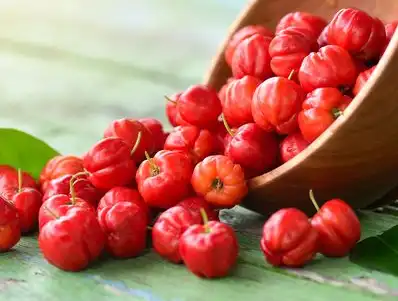
Malpighia emarginata, the acerola cherry, originates from warm Central and South America. The fruit has one of the most ascorbic acid naturally. It has 50–100 times more Vitamin C than citrus. Bioflavonoids, anthocyanins, carotenoids, and phenolic acids increase absorption and antioxidant activity in the extract, together with ascorbic acid. This full-spectrum combination is popular with nutraceutical, sports nutrition, and functional food firms that desire clean, health-conscious ingredients.
Differences Between Whole Fruit Powder and Concentrated Extract Powder
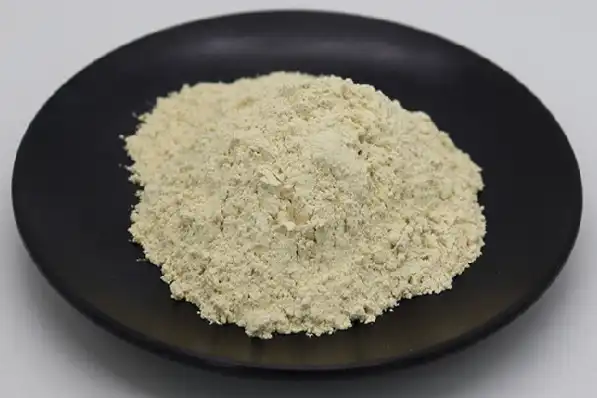
Finding acerola constituents requires knowing how they're packaged. Whole fruit powder has the same nutrients as fresh fruit. Fibre, carbohydrates, and trace minerals are present, although Vitamin C is frequently lower (17% to 25% by weight). However, concentrated extract powder is standardized to increase its potency—often 25% to 35% ascorbic acid—making it excellent for cosmetics and Vitamin C doses. Purchasing managers must choose the correct product structure for formulation while considering cost, efficacy, and product positioning.
Quality Parameters to Consider When Purchasing Organic Acerola Cherry Extract Powder
Organic Certifications and Non-GMO Verification
Buying organic items like Acerola Cherry Extract Powder with reliable labelling is crucial. Acerola fruit and extraction carriers must follow high cultivation requirements and be free of synthetic pesticides, herbicides, and GMOs. USDA Organic and EU Organic certificates assure this. Nutritional product research and development directors should require vendors to submit certifications of analysis and organic compliance for each batch. Non-GMO certification improves credibility, especially in high-end supplement markets where clients are highly picky about ingredients.
Vitamin C Potency and Analytical Testing
Reliable lab testing verifies Vitamin C content and prevents product tampering. HPLC should detect ascorbic acid spots and related bioflavonoids. It means the extract originates from the complete fruit. Tests for carbon-13 isotopes distinguish natural Vitamin C from synthetic ascorbic acid, which has a distinct trace. Buying teams must request independent lab results certifying items as pure, effective, and devoid of heavy metals, microorganisms, and pesticide residues. The criteria should include Vitamin C, moisture, and water activity to keep the product stable throughout storage.
Comparing Acerola Cherry Extract Powder with Alternative Vitamin C Sources
Natural Alternatives: Camu Camu and Rose Hips
Although acerola provides the highest Vitamin C, camu camu (Myrciaria dubia) and rose hips (Rosa canina) also contain ascorbic acid. Camu camu provides more Vitamin C per gram than other fruits and vegetables, but it's tougher to cultivate and costs more. Rose hips offer some Vitamin C and distinct polyphenol profiles that appeal to various recipe groups. Acerola is strong, cheap, and available. This makes it the finest cosmetic, functional drink, and nutritional supplement ingredient for mass manufacturing.
Synthetic Ascorbic Acid Versus Natural Extracts
Synthetic ascorbic acid (E300), which is inexpensive and strong, dominates the ingredient market. However, isolated synthetic Vitamin C lacks the co-factors and antioxidants present in acerola extract, which assist the body in absorbing and retaining nutrients. People feel natural sources are superior, especially for clean-label and organic products. Synthetic equivalents likewise struggle in complicated, fast-oxidizing combinations. However, acerola's polyphenols and antioxidants protect. Formulators must consider these function changes, finances, and market positioning when choosing Vitamin C sources.
How to Identify and Partner with Trusted Bulk Suppliers and Manufacturers
Verifying Supplier Credentials and Certifications
Choose dependable suppliers for Acerola Cherry Extract Powder by researching their qualifications beforehand. Manufacturers need ISO 9001 for quality management, ISO 22000 or FSSC 22000 for food safety, and GMP compliance for pharmaceuticals. Organic and non-GMO certifications must be current and connected to manufacturing batches. Academic research and industry manufacturing are combined at Angelbio. Through its relationship with Xi'an Jiaotong University, they have 18 years of R&D and technical competence. Facility audit data, customer feedback, and in-person inspections can help you verify a supplier's reliability.
Important indicators of a reliable Acerola extract maker:
- Transparent Documentation: Request analytical certifications, organic approvals, allergy declarations, and stability data.
- Technical Support: Formulation scientists and application specialists can aid with compatibility and dosage selection.
- Production Scalability: Regularly handles large orders without compromising quality or delivery deadlines.
- Regulatory Compliance: Knowing import rules, documentation, and customs approval procedures.
Working with sellers that view partnerships as collaborative rather than transactional makes it easier to address problems, implement improvements, and ensure a consistent supply of goods.
Key Sourcing Regions and Quality Standards
Brazil grows the most acerola cherries, followed by the Caribbean and Central America. Climate, soil quality, and agricultural practices affect fruit extract nutritional density and quality. Businesses that buy directly from certified organic farmers in these areas and watch the supply chain guarantee higher quality. Processing plants near growing regions safeguard heat-sensitive compounds like ascorbic acid and anthocyanins from nutritional degradation after harvesting.
Pricing Benchmarks and Minimum Order Quantities
Organic acerola extract in bulk prices depend on strength, quantity, and order. Organic 25% Vitamin C extract costs $45–$75 per kilogram for quantities over 500 kg. For first orders, 25 kilos is typical, while 500 kilograms or more gets better prices. International shipping, customs duties, and regulatory compliance might add 10–20%, depending on the market. Negotiating excellent payment terms, framework arrangements, and package grouping helps lower the total cost of ownership while maintaining quality.
Best Practices for Bulk Purchasing and Integrating Acerola Cherry Extract Powder into Your Product Line
Dosage Guidelines Across Different Applications
Formulation specialists must determine dosages based on typical Vitamin C levels and health claims. Since most immune-boosting supplements provide 500–1000 milligrams of Vitamin C per dosage, each pill or tablet needs 2000–4000 mg of 25% standardized Acerola Cherry Extract Powder. In skin serums and creams, 0.5% to 2% is utilized. Antioxidants support claims that the products reduce aging and restore skin. Functional beverages can balance taste and efficacy by including 100 to 250 milligrams of Vitamin C per dosage and disguising the extract's sour taste.
Quality Assurance and Batch Testing Protocols
Supply chain variability may be prevented with stringent incoming quality control. HPLC fingerprinting, strength testing, and heavy metal, pesticide, and microbiological load assessments should be done on each new batch. Organoleptic examination detects quality decrease through colour, smell, and taste. Keeping batch samples as long as the completed product is on the shelf helps find faults and ease investigations. These quality assurance measures comply with regulations and protect customers.
Storage Strategies and Inventory Management
Store items in a controlled environment and rotate them to extend shelf life. Dedicated climate-controlled storage maintains 15–25°C temperatures and below 60% relative humidity. This keeps things from absorbing water and oxidizing. First-in, first-out (FIFO) inventory systems ensure older stock is produced before it spoils. Smaller, more frequent transactions may increase transaction costs, but they reduce the danger of spoiled items during storage. After receiving the bulk extract, put it in nitrogen-flushed containers to prolong its shelf life by preventing repeated air exposure throughout processing.
Conclusion
To buy bulk organic Acerola Cherry Extract Powder, check the seller's credentials, quality, and logistics. Due to its high Vitamin C concentration, rich phytonutrient profile, and clean label appeal, the substance is beneficial in functional foods, cosmetics, and nutritional supplements. Procurement experts benefit from working with well-known manufacturers that provide clear documentation, technical assistance, and reliable supply. Product requirements must fit formulation demands, quality controls must be implemented, and storage techniques must be optimized for effective integration into product lines that satisfy changing consumer expectations and regulatory norms.
FAQ
1. How does Acerola Cherry Extract differ from synthetic Vitamin C supplements?
Natural acerola extract contains bioflavonoids, anthocyanins, and organic acids that improve Vitamin C absorption and utilization. E300 artificial ascorbic acid provides Vitamin C without these additional ingredients. Your cells may have trouble retaining the nutrient. Acerola extract is great for clean-label, organic products for health-conscious customers since they feel natural sources are healthier.
2. What testing methods confirm authentic acerola extract versus synthetic additives?
Carbon-13 isotope testing distinguishes plant-based and manufactured Vitamin C. The chemicals used to create synthetic Vitamin C give them differing isotopic signatures. An HPLC study should demonstrate bioflavonoids and phenolic peaks from the entire fruit extraction, not simply ascorbic acid. These scientific procedures prevent food tampering and verify ingredients.
3. Why does acerola powder sometimes clump during storage?
The fruit's sugars and organic acids make the extract hygroscopic, so it may easily absorb water. Not using enough moisture-barrier packaging or storing items in a damp environment may cause clumping and caking. Professional suppliers flush metal foil bags with nitrogen and specify minimal water activity levels to maintain product uniformity.
4. Can acerola extract replace synthetic Vitamin C at a 1:1 ratio in formulations?
Replacement rates depend on typical extract strength. With a 25% standardized extract, 4000 milligrams of powder provide 1000 milligrams of Vitamin C. Although more material is needed than with pure ascorbic acid, the increased bioavailability and synergistic antioxidant effects allow formulators to utilize lower amounts that function just as well and sell better.
Partner with Angelbio for Premium Acerola Cherry Extract Powder Supply
Angelbio is a top-grade natural cosmetics, nutraceuticals, and functional food manufacturer. Natural Vitamin C is 25% in our organic Acerola Cherry Extract Powder. USDA Organic, non-GMO, and comprehensive analytical profiles guarantee its quality from recognized organic farms. Our cooperation with Xi'an Jiaotong University's Institute of Life and Health Research has allowed us to conduct independent research and development for 18 years. You may get batch-to-batch homogeneity, technical formulation support, and scalable production capacity from us. Contact angel@angelbiology.com today to request samples, discuss customization, and ensure a consistent supply for product development initiatives.
References
1. Prakash, A., & Baskaran, R. (2018). Acerola: Biology, Chemistry, and Health Benefits. CRC Press.
2. Mezadri, T., Villaño, D., Fernández-Pachón, M. S., García-Parrilla, M. C., & Troncoso, A. M. (2008). "Antioxidant compounds and antioxidant activity in acerola (Malpighia emarginata DC.) fruits and derivatives." Journal of Food Composition and Analysis, 21(4), 282-290.
3. Delva, L., & Schneider, R. G. (2013). "Acerola (Malpighia emarginata DC): Production, Postharvest Handling, Nutrition, and Biological Activity." Food Reviews International, 29(2), 107-126.
4. Rufino, M. S. M., Alves, R. E., de Brito, E. S., Pérez-Jiménez, J., Saura-Calixto, F., & Mancini-Filho, J. (2010). "Bioactive compounds and antioxidant capacities of 18 non-traditional tropical fruits from Brazil." Food Chemistry, 121(4), 996-1002.
5. Dias, F. M., Leffa, D. D., Daumann, F., Marques, S. O., Luciano, T. F., Possato, J. C., & Rossi, A. (2014). "Acerola (Malpighia emarginata DC.) juice intake protects against oxidative damage in mice fed a cafeteria diet." Food Research International, 77(3), 649-656.
6. Brito, E. S., Araújo, M. C. P., Alves, R. E., Carkeet, C., Clevidence, B. A., & Novotny, J. A. (2007). "Anthocyanins Present in Selected Tropical Fruits: Acerola, Jambolão, Jussara, and Guajiru." Journal of Agricultural and Food Chemistry, 55(23), 9389-9394.