



Vitamin A Acetate Powder vs Vitamin A Palmitate: Which Supplement Should You Choose?
Before you pick between vitamin A acetate powder and vitamin A palmitate for your recipes, you should know what makes each one unique. Vitamin A acetate powder is used in cosmetics and food, where accuracy and stability are very important because it is chemically stable and lasts a long time. Both acetate and acetate forms of vitamin A do important things, but acetate forms tend to be better at preventing oxidation and heat breakdown. This means that companies that want to make products can use pharmaceutical-grade ingredients that they can trust to make better goods with fewer problems.
Understanding Vitamin A Acetate and Vitamin A Palmitate
These two vitamin A products can be used in a lot of different ways because of how their molecules are structured. When buying, teams know these basic differences, they can make decisions based on facts that meet the needs of individual formulations.
Chemical Structure and Molecular Stability
Vitamin A acetate powder is made up of retinol that has been joined with acetic acid. In the surroundings, this makes a molecular shape that is tight and hard to break down. After this process, a substance is created that has around 2.9 million IU of pure retinol activity per gram. The acetate ester link is very resistant to reactive stress, which means that the drug can be kept in harsh conditions and still work.
In vitamin A palmitate, on the other hand, retinol is linked to palmitic acid, which is a longer-chain fatty acid. It makes about 1.8 million IU per gram because its chemical weight is different. Some formulators think that the fact that the palmitate form is naturally found in animal cells helps them make claims about natural chemicals. On the other hand, the longer carbon chain makes reaction breakdown easier, especially when light or high temperatures are added to the mix.
Bioavailability and Absorption Characteristics
Enzymes inside the body need to change both of these substances into active retinol. Bioavailability tests show that the rate of absorption changes based on the mix matrix and the person's gut capacity. Sometimes, the acetate form is more evenly bioavailable in a lot of different types of products, like pills and drinks with added vitamins.
According to studies published in journals of nutritional science, both chemicals can be mixed properly to make retinoic acid. Retinoic acid is the biologically active form of vitamin A that has effects on the body. It becomes more important for the formula to be stable than for it to absorb naturally. This is why the acetate form is chosen for many uses in the pharmaceutical industry.
Regulatory Compliance and Safety Standards
Both goods are usually thought to be safe (GRAS) as long as they are used according to the rules spread around the world. Both the European Pharmacopoeia and the US Pharmacopoeia have strict rules that all good makers must follow. These rules cover things like purity, identity tests, and heavy metal limits.
Hypervitaminosis A could happen if too much builds up over time, which is a safety concern. Around the world, regulatory groups have set top limits on how much people can take in. This amounts to about 3,000 micrograms of retinol activity equivalents per day for people. Many forms are filled out by good makers to show that they follow FDA rules, EU Novel Foods rules, and other local rules. In this way, the process of getting a product registered for sale in other countries runs easily.
Comparative Benefits and Applications
Read about how each type of vitamin A works in different types of products and for different reasons to pick the right one. Not only is the price different, but so is the safety of the recipes, the experience of the end user, and the product's ability to last in the long run.
Performance in Skincare and Cosmetic Formulations
More and more, makeup with vitamin A is being used because it has been shown to help skin cells turn over and make collagen. It is clear that vitamin A acetate powder is good for the skin because it stays stable in creams and serums. Retinol breaks down quickly in air and light, but the acetate form stays active for as long as the product is stored. This means that it always works the same way, no matter how many times it is used.
Skin care experts like that acetate powder works well with both water-based and oil-based systems. Because it comes in powder form, precise dosing can be used during production. This lowers the difference from batch to batch, which is very important for brands whose reputation depends on goods that are always the same. When compared to regular retinol creams, vitamin A acetate powder is much less likely to hurt the skin. It still helps the skin turn over, though.
Applications in Nutritional Supplements
It's hard for businesses that make nutraceuticals to find the best mix between strength, safety, and cost-effectiveness. Vitamin A acetate powder is great for making long-lasting multivitamin pills, softgels, and powder mixes. The powder stays effective even when the temperature and humidity change during shipping and storage. This saves the brand's image and the value of the product for customers.
It's good for sports nutrition companies that make mending products that acetate powder mixes well with protein structures and other healthy ingredients. Vitamin A acetate doesn't change quickly, so it won't speed up the breakdown of strong ingredients like omega-3 fatty acids or other antioxidants that are used in complicated recipes.
Dosage Guidelines and Industrial Specifications
There are a lot of different amounts of vitamin A that are best for different types of products and different people. A lot of dietary products have between 750 and 900 micrograms RAE in each dose, which is 83% to 100% of the daily value. Amounts between 0.01% and 0.1% are often used in cosmetics. These are carefully chosen to work well without hurting the skin.
Assay results for pharmaceutical-grade acetate powder are generally between 97 and 102%, so buyers in the industrial sector should set minimum purity levels. Plus, they should ask for lab results that show the real amount of vitamin A, the amount of water, and the quality of the microbes. Follow the rules to make sure that the recipes stay correct and the finished goods do what they say on the label for as long as they are stored.
Procurement Insights for B2B Clients
Finding the best price is not enough to buy vitamin A goods in a smart way. Quality assurance, supply dependability, legal paperwork, and total cost of ownership are all important parts of good buying. They work together to protect the product's purity and keep the business going.
Important Criteria for Checking the Quality
At the very least, makers who mean business need to get pharmaceutical-grade approval. Good Manufacturing Practice (GMP) rules say that the company uses approved testing methods, keeps the area safe, and has systems in place to keep track of goods. This label shows that the company follows these rules. As you look at different providers, make sure they can show proof that they follow ISO 9001 quality management systems and standards relevant to your business, like NSF or Informed Choice for sports nutrition.
It is very important to follow the rules for cleanliness. Most of the time, heavy metals like arsenic, cadmium, lead, and mercury should be much lower in good vitamin A acetate powder than what the government allows. Microbiological tests should show that there are no germs and low total plate counts. This makes sure that the end product is safe. People trust the way the drug works in the real world because stability data show that it stays effective even when it's aged quickly at 40°C and 75% relative humidity.
Pricing Dynamics and Supply Chain Considerations
The price of vitamin A acetate powder depends on how pure it is, how hard it is to make, and how much the raw materials cost. A look at the market shows that powder made for drugs generally costs more than powder made for feed. This is because it needs more checks and paperwork to make sure it's good. The best deal is usually to buy in 25-kilogram drums rather than smaller amounts. When people buy something, they have to compare how much it saves them to how much it costs to store it and how long it lasts.
The kind of wrapping changes how stable the item is and how simple it is to handle. Paper bags with many layers that are filled with nitrogen keep food from going bad while it's being kept. Some sellers have micronized types that are easier to mix. This is helpful when the material needs to break down quickly or be spread out evenly in dry mixes. If you know about these options, you can make the product work better and speed up the making process.
Evaluating Supplier Reliability
Things going wrong in the supply chain have shown how important it is to work with many providers and get to know them well. You should look at more than just price when choosing a partner. You should also see how detailed their help is, how quickly they respond to legal papers, and how they've handled problems in the past. Suppliers with their own research and development (R&D) departments and analysis labs can help with coming up with new ideas and fixing any technical issues that come up while the product is being made.
Lead times and the cost of shipping depend on where things are kept. Most vitamins in the world are made in Asia, but if your business is close to markets in North America or Europe, you might want to work with local wholesalers. They can offer faster shipping, lower minimum order amounts, and easier import paperwork. The best way to make sure the business stays open is to build relationships with both major sellers and backup sources.
Decision-Making Guide: Choosing Between Vitamin A Acetate and Palmitate
To choose the right derivatives, we shouldn't make general assumptions about which is better. Instead, we should look at the needs of each application. Each form has its own pros and cons that make it best for certain product plans and market positions.
Application-Driven Selection Criteria
If you want to be sure that your method works, pick vitamin A acetate powder. This is true for things that last a long time, are kept in tough settings, or are made with ingredients that could make them break down faster. When accurate doses and regular production are important for brand image and following the rules, the acetate form is also a good choice.
If your business plan is built on natural products, vitamin A palmitate might work better. Palmitate comes from plants, so it can help meet clean-label requirements or appeal to people who want ingredients that look less like they were made in a lab. Because palmitate has already been shown to work well and be safe in some normal recipes, there's no need to switch to something else, which could be risky from a regulatory point of view.
Market Trends and Future Outlook
People around the world want more vitamin A because they know how important it is to eat well and want foods that are good for them. If we look at chemistry trends, we can see that people are picking steady, highly bioavailable types that support claims that the product works. Different kinds of acetate work well with these tastes, especially since brands want to stand out by making their products better rather than just fighting on price.
When people decide what to buy, sustainability is becoming more and more important. Forward-thinking providers spend money on projects that get raw materials in a responsible way, including vitamin A acetate powder; cut down on waste; and use better ways to make things. Environmental, social, and governance (ESG) buyers should ask sellers about their commitments to sustainability, facts on their carbon footprint, and their social responsibility.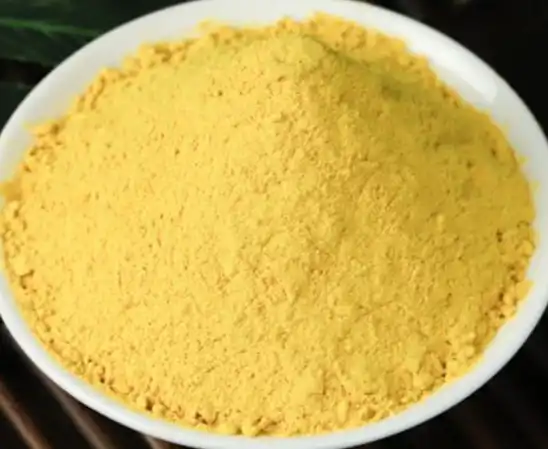
Integrating Supplier Credibility with Product Performance
It's hard to stress enough how important good parts are to the success of a creation. Even the most complicated recipes can go wrong if the raw materials aren't good enough. This can make customers angry, get you in trouble with the law, and hurt the brand. When a business is good at what it does, the people who supply it with ingredients see it as a strategic partner, not just another seller. They work with their sources to fix issues and spend time getting to know them.
As a member of a professional team, you could work on growth projects, help test for stability, or get tips on how to make a better formula. Technically-savvy suppliers can spot possible contact issues with ingredients before they mess up production plans. They can also suggest changes to the way the ingredients are treated that will boost quality or yield, and they can let the market know about new ingredients.
Conclusion
You should carefully consider how stable the product needs to be, how it will be used, and what quality standards you need for your recipe when deciding between vitamin A acetate powder and vitamin A palmitate. The acetate form works the same way every time and is more chemically stable, so it is best for pharmaceutical-grade makeup and medicines that need to stay intact during their shelf life. In some ways, palmitate can help place natural goods, but the acetate version is generally better for production and formulation. When you're getting something, you should find a good mix between technical needs and how reliable the provider is. This makes sure that you can get high-quality ingredients that have been accepted and that support the product's efficiency and follow all global regulations.
FAQ
1. What distinguishes vitamin A acetate from vitamin A palmitate chemically?
The most important change is the esterification partner that is joined to retinol. Vitamin A acetate powder is a smaller, more stable molecule that is made when retinol and acetic acid are mixed together. Retinol is linked to palmitic acid by vitamin A palmitate. Palmitic acid is a longer-chain fatty acid that changes the size and stability of molecules.
2. Which shape will stay more stable when stored for a long time?
As a result, vitamin A acetate powder stays active longer when stored normally because it is more resistant to oxidation and heat. This is a big plus for things that can be kept for more than a year or that are sent through supply lines where the temperature isn't managed.
3. How do regulatory agencies view these two derivatives?
When used the right way, both of these things are known to be safe and helpful sources of vitamin A. The information that is needed by regulators stays the same. To make sure the paper is pure and that the heavy metal limits set by pharmacopeial standards are met, they both need to check the name of the person who made it.
4. Can these derivatives be used interchangeably in formulations?
Both work as vitamin A, but replacing one with the other directly needs some thought because they are not the same in terms of strength, stability, or how they might react with other ingredients in the recipe. Formulas often need to be changed when going from one version to another.
Partner with Angelbio for Premium Vitamin A Acetate Powder Supply
Angelbio can help you buy Vitamin A Acetate Powder by giving you top grade chemicals, strict quality control, and a lot of legal papers. The Institute of Life and Health Research at Xi'an Jiaotong University and Angel Holding Group worked together to build our building. It is the result of 18 years of great independent research and development and the use of cutting-edge manufacturing skills. Our quality control is very tight. They make sure that every batch is the same, that all of the goods can be tracked, and that they meet all foreign standards, like those set by the FDA, the EP, and the USP. Our expert team can help you prepare what you need and give you quick customer service, whether you need a lot to make vitamins or a certain grade for cosmetic use. You can email our buyers at angel@angelbiology.com with your specific needs and ask for samples or more information about our low prices on high-quality Vitamin A Acetate Powder from a trustworthy source.
References
1. Blomhoff R, Blomhoff HK. Overview of retinoid metabolism and function. Journal of Neurobiology, 2006; 66(7): 606-630.
2. Szymański Ł, Skopek R, Palusińska M, et al. Retinoic acid and its derivatives in skin. Cells, 2020; 9(12): 2660.
3. Institute of Medicine Food and Nutrition Board. Dietary Reference Intakes for Vitamin A, Vitamin K, Arsenic, Boron, Chromium, Copper, Iodine, Iron, Manganese, Molybdenum, Nickel, Silicon, Vanadium, and Zinc. National Academy Press, 2001.
4. Biesalski HK, Nohr D. Importance of vitamin A for lung function and development. Molecular Aspects of Medicine, 2003; 24(6): 431-440.
5. Mukherjee S, Date A, Patravale V, et al. Retinoids in the treatment of skin aging: an overview of clinical efficacy and safety. Clinical Interventions in Aging, 2006; 1(4): 327-348.
6. Weber D, Grune T. The contribution of β-carotene to vitamin A supply of humans. Molecular Nutrition & Food Research, 2012; 56(2): 251-258.