



What is mulberry leaf powder good for?
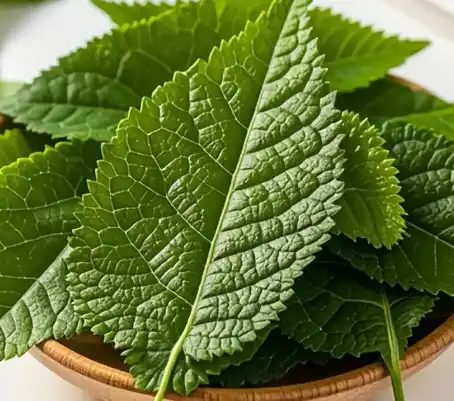
Mulberry leaf extract powder has become a superstar ingredient in the nutrition and functional food industries. Its health benefits have been proven by science and appeal to modern customers looking for natural ways to stay healthy. Coming from the leaves of Morus alba L., this standardized plant extract gives makers and purchasing managers a strong ingredient that stops alpha-glucosidase from working and has a lot of antioxidants. Additionally, mulberry leaf powder can be used in cosmetics, functional drinks, and dietary supplements, meeting the growing need for plant-based active ingredients with clean labels that work consistently and follow regulations around the world.
Understanding Mulberry Leaf Extract Powder
What Defines Mulberry Leaf Extract Powder?
The powder made from white mulberry leaf extract is a clever plant product that is made by carefully extracting beneficial chemicals from dried mulberry leaves. This extract is different from simple ground leaf powders or mulberry leaf tea because it is extracted with water or ethanol-water, then concentrated, and finally spray-dried to make a standard product. The way the alkaloids are extracted makes sure that amounts of important ones, like 1-deoxynojirimycin (1-DNJ), can be measured, running from 1% to 20%, based on the need of the application. This standardization solves one of the biggest problems formulators have to deal with, which is that raw farming products aren't always the same. By providing measured active loads, producers can make exact mixtures that work in ways that can be predicted.
Key Bioactive Compounds and Nutritional Profile
The different phytochemicals that make up mulberry leaf extract give it its useful properties. One of the main beneficial compounds, 1-DNJ, is a natural alpha-glucosidase inhibitor that is a key part of its metabolic effects. In addition to DNJ, the extract has large amounts of flavonoids, such as quercetin and kaempferol, which act as antioxidants to protect cell structures from toxic stress. Polyphenols like chlorogenic acid make the health-beneficial effects of the chemical even stronger through a number of molecular processes. This mixture of different compounds has combined effects that single-compound ingredients can't match. This makes mulberry leaf extract a completely useful ingredient instead of a one-dimensional addition.
Physical and Chemical Properties for Formulation
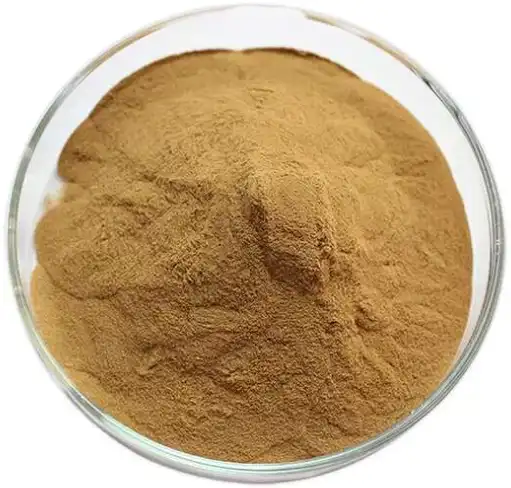
Based on the quantity of DNJ, mulberry leaf extract powder appears as a fine, water-absorbing powder that can range in color from yellow-brown to light green. It dissolves easily in water, which makes it easy to add to drinks. It can also withstand temperatures up to 120°C, which means it can be used in prepared foods without losing many of its active ingredients. The extract stays stable over a pH range that works for most food and drink mixtures, but formulators should try it to make sure it works with certain ingredients in their mixtures. To meet foreign safety standards, such as USP and EP requirements, quality guidelines usually call for HPLC testing of DNJ levels along with heavy metals, bacterial contamination, and herbicide residues.
Safety Profile and Dosage Considerations
Clinical studies show that mulberry leaf extract powder and mulberry leaf extract are safe to use as long as they are taken in the right amounts. The usual daily dose is between 500 mg and 3000 mg, but this depends on the amount of uniformity and the results that are wanted. The ingredient has good tolerance profiles, and tests on humans have shown that it has few negative effects. People who work in procurement should know that even though the item has a good track record for safety, the product description must include usage directions that are in line with local laws. Proof that the substance is generally considered safe (GRAS) or new food approvals may be needed based on the market, so suppliers must be open about regulatory dossiers as an important part of the review process when choosing a seller.
Key Benefits and Uses of Mulberry Leaf Extract Powder
Blood Sugar Regulation and Metabolic Health
The effect of mulberry leaf extract on how the body uses glucose after a meal has been studied the most. Alpha-glucosidase enzymes can't do their job in the small intestine because of the 1-DNJ molecule. It takes longer for the body to switch from complex carbs to simple sugars because of this. In this way, sugar doesn't get into the body as quickly after a meal. This helps the blood sugar stay steady. They wrote about their findings in journals of nutritional biochemistry and say that the extract can help lower the rise in blood sugar that happens before eating meals high in carbs. Vitamin firms use this way to make products that help the body's glucose metabolism work well as part of a healthy lifestyle without making any claims about treatment that could get them in trouble with medical device rules.
Antioxidant Protection and Cellular Health
Oxygen Radical Absorbance Capacity (ORAC) tests show that the flavonoids and tannins in mulberry leaf extract are very good at fighting free radicals. Free radicals build up in the body because of metabolism, being in the world, and getting older. These chemicals get rid of them. This part of the recipe keeps cells safe from reaction stress, which is good for many body parts. This is a quality that cosmetic companies really like, and they use the extract in anti-aging skin care products so that the antioxidants in it protect skin cells from UV light and other pollutants in the air. Because it can help the body's metabolism and protect cells on the outside, mulberry leaf extract is a versatile ingredient that can be used in both food and beauty products.
Cardiovascular and Lipid Profile Benefits
A new study shows that mulberry leaf extract changes the metabolism of fat in ways that are different from how it changes the amounts of glucose in the blood. Studies have found a link between daily drinking and changes in blood lipid levels that are good. For example, LDL cholesterol is broken down less when you drink. Polyphenols seem to help the endothelium do its job well, which is good for heart health. Mulberry leaf extract is being added to more and more multi-ingredient heart-health goods. These products target a wide range of cardiovascular risk factors through natural plant interactions.
Application Across Product Categories
Mulberry Leaf Extract Powder can be used to make a lot of different kinds of products. It is in pills, tablets, and powder mixes made by companies that make dietary supplements. It helps control blood sugar and fight free radicals. It's easy for functional drink makers to dissolve them in water, so they can make ready-to-drink health shots and sweetened teas with bioactive chemicals that are simple to use. People who work with food to make protein bars and snacks like how stable it is when it's baked or pressed. The product is even put on your face as makeup. For that reason, it is found in serums and creams, where it works well with other active ingredients. Mulberry leaf extract is a good choice for companies that make more than one product or want to grow into new areas because it can be used in many fields.
Comparison: Mulberry Leaf Extract Powder vs. Other Natural Supplements
Mulberry Leaf Extract vs. Mulberry Leaf Tea
Both goods come from the same plant, but they are not bioavailable or as effective as each other. Traditionally, dried mulberry leaves are steeped in hot water to get water-soluble chemicals out of them in large amounts that can't be managed. The drink that was made has phytochemicals that are good for you, but the doses aren't always the same, and the bioactive amounts are smaller than with measured extracts. Tea forms aren't reliable for manufacturers who need to know the exact amount of active ingredients in a product for label claims, which is why serious supplement and functional food makers focus on extracts. To make things easier to ship and keep track of, extract powders are more concentrated than dried leaf materials, so they have longer shelf lives and are easier to store.
Comparison with Moringa and Other Plant Extracts
People know that moringa powder is a nutrient-dense plant-based ingredient that is full of vitamins, minerals, and amino acids, making it a good choice for a general nutritional supplement. On the other hand, mulberry leaf extract has specific uses based on certain bioactive processes, mainly changing glucose metabolism through DNJ content. Which of these ingredients to use relies on the focus of the product: brands that focus on all-around nutrition tend to use moringa, while brands that focus on metabolic health with scientifically proven methods choose mulberry leaf extract. Instead of seeing these choices as identical, procurement managers should look at them based on the types of customers they want to reach and the claims they want to make about their products.
Organic Certification and Quality Benchmarks
The argument over organic vs. standard has a big effect on how the natural goods business buys things. Organic approval comes with a higher price tag, but it also has marketing benefits for groups of people who value farming methods that don't use manmade fertilizers and pesticides. The difference in quality between organic and standard mulberry leaf extract powder is not just based on certification status but also on the farming methods and quality controls used by the seller. More accurate than approval marks is strict testing for heavy metals, chemical residues, and bacterial pollution. Instead of just using organic certification as a quality indicator, forward-thinking buying strategies look at providers based on full quality paperwork, tracking systems, and group consistency.
Conclusion
Mulberry Leaf Extract Powder represents a scientifically validated, commercially viable ingredient that addresses multiple product development objectives across the nutraceutical, functional food, and cosmetic industries. Its standardized bioactive profile, particularly the DNJ content, delivers predictable functionality that supports metabolic wellness and antioxidant protection through well-characterized mechanisms. The ingredient's versatility across dosage forms, thermal stability, and regulatory acceptance in major markets makes it an attractive option for manufacturers seeking to differentiate products through evidence-based botanical actives. Successful procurement requires evaluating suppliers based on comprehensive quality systems, certification portfolios, and technical support capabilities rather than price alone, ensuring that ingredient quality translates into product performance and consumer trust.
FAQ
1. Is mulberry leaf extract suitable for all age groups?
Mulberry leaf extract demonstrates an excellent safety profile in adult populations based on extensive research and traditional use history. Applications targeting specific age demographics should align with regional regulatory guidance regarding botanical ingredients in dietary supplements. Product developers should consult regulatory specialists when formulating for sensitive populations and ensure labeling includes appropriate usage instructions and precautionary statements where required by local authorities.
2. What dosage delivers optimal blood sugar balance effects?
Research protocols typically employ dosages between 500mg and 3000mg daily, with specific amounts dependent on DNJ standardization levels. A 1% standardized extract requires higher absolute dosages compared to 5% or 10% standardized versions to deliver equivalent DNJ quantities. Formulation managers should calculate total DNJ delivery based on their standardization specification and align dosing recommendations with published clinical research protocols relevant to their product positioning.
3. How can buyers verify supplier claims regarding purity and origin?
Requesting comprehensive Certificates of Analysis for representative production batches provides quantitative verification of active compound levels and contaminant testing results. Supplier facility audits, either conducted directly or through third-party audit services, validate manufacturing conditions and quality systems. Traceability documentation linking finished extract batches to specific agricultural harvests demonstrates supply chain transparency. Reputable suppliers welcome such verification requests and maintain documentation systems supporting complete traceability.
Partner with Angelbio for Premium Mulberry Leaf Extract Powder
Angelbio stands ready to support your ingredient sourcing objectives with premium mulberry leaf extract powder manufactured to exacting specifications that meet global quality standards. As a trusted mulberry leaf extract powder supplier with proven expertise serving nutraceutical manufacturers, functional food developers, and cosmetic formulators worldwide, we deliver the consistency, documentation, and technical support your business demands. Our integrated R&D and production capabilities ensure access to cutting-edge botanical extraction technologies backed by 18 years of industry experience and academic research partnerships.
We invite procurement managers, formulation scientists, and product development teams to contact us directly at angel@angelbiology.com to discuss your specific requirements, request product samples, or obtain detailed quotations tailored to your volume needs. Whether you're developing a new product line or seeking to optimize existing formulations, Angelbio provides the technical consultation and ingredient quality that transforms concepts into successful market offerings.
References
1. Wang, T., Li, Q., & Bi, K. (2018). Bioactive flavonoids in medicinal plants: Structure, activity and biological fate. Asian Journal of Pharmaceutical Sciences, 13(1), 12-23.
2. Mohammadi, J., & Naik, P. R. (2012). The effect of Morus alba leaf extract on glucose metabolism enzymes. Journal of Dietary Supplements, 9(4), 251-261.
3. Kimura, T., Nakagawa, K., Kubota, H., & Kojima, Y. (2007). Food-grade mulberry powder enriched with 1-deoxynojirimycin suppresses the elevation of postprandial blood glucose in humans. Journal of Agricultural and Food Chemistry, 55(14), 5869-5874.
4. Hunyadi, A., Martins, A., Hsieh, T. J., Seres, A., & Zupkó, I. (2012). Chlorogenic acid and rutin play a major role in the in vivo anti-diabetic activity of Morus alba leaf extract. PLoS ONE, 7(11), e50619.
5. Singab, A. N., El-Beshbishy, H. A., Yonekawa, M., Nomura, T., & Fukai, T. (2005). Hypoglycemic effect of Egyptian Morus alba root bark extract: Effect on diabetes and lipid peroxidation. Journal of Ethnopharmacology, 100(3), 333-338.
6. Andallu, B., & Varadacharyulu, N. C. (2003). Antioxidant role of mulberry (Morus indica L. cv. Anantha) leaves in streptozotocin-diabetic rats. Clinica Chimica Acta, 338(1-2), 3-10.