



What Are the Top Benefits of Betulinic Acid Powder for Skin and Health?
Betulinic acid powder is an essential ingredient in both nutraceutical and beauty products because it improves both the health of the face and the body as a whole. There are five rings in this triterpenoid compound, and it has strong anti-inflammatory and antioxidant qualities that help cells grow back and boost immune reactions. Because it can successfully penetrate the dermal layers, it is useful for anti-aging skin care. A new study also shows that it may have uses in metabolic health and neuroprotection. Because the compound can do more than one thing, formulators can make unique goods that meet customer desire for active ingredients that come from plants and have been proven to work by science.
Understanding Betulinic Acid Powder: Composition and Sourcing
Molecular Structure and Natural Origins
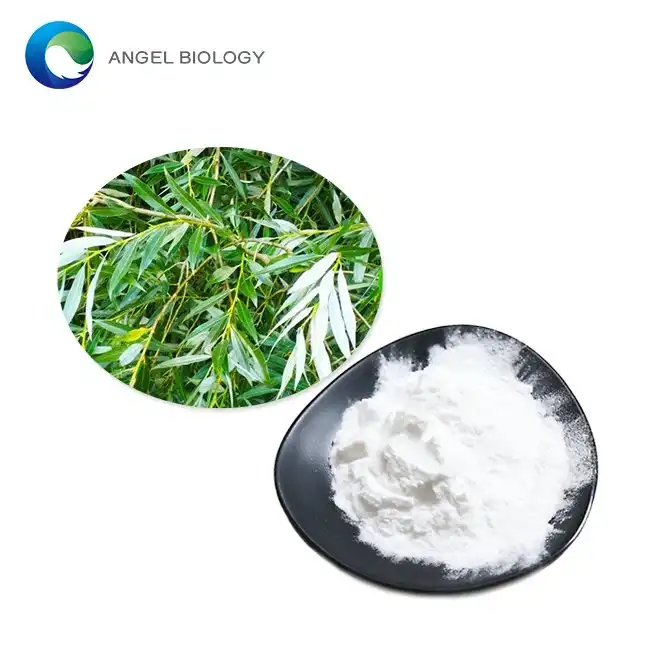
The main source of the chemical is the top bark of white birch (Betula alba) and plane trees (Platanus acerifolia). Its chemical structure is a pentacyclic triterpene of the lupane type. It has hydroxyl and carboxyl groups that help it work biologically. To get pharmaceutical-grade purity levels between 95% and 98%, extraction processes usually use solvents and are followed by cleaning methods like recrystallization or chromatography. It has a molecular weight of 456.7 g/mol and is lipophilic, which means it can effectively interact with cell membranes. This makes it more useful for medicinal purposes in both topical and oral uses.
Quality Standards and Industrial Certifications
When purchasing this botanical ingredient, teams must give priority to sellers with strong quality control systems. GMP-certified facilities use tested testing methods like HPLC, UV-Vis spectroscopy, and mass spectrometry to make sure that each run is the same. ISO 9001 certification means that working procedures are uniform, and organic certification means that products are sourced in a way that doesn't leave behind pesticide residues. Third-party tests for heavy metals, microbial pollution, and solvent leftovers make sure that all foreign markets follow the rules. These quality standards have a direct effect on the stability of the recipe, the safety profile of the product, and the image of the brand in competitive markets.
Bioavailability Enhancement Strategies
Because it doesn't dissolve well in water, raw betulinic acid powder is hard to absorb. Micronization, liposome encapsulation, and complexation with cyclodextrins are some of the new packaging methods that get around this problem. These methods increase the surface area and speed up the breakdown process, which makes supplements more bioavailable. Nano-emulsion systems and lipid carriers help topical formulas get deeper into the skin layers. When research and development teams understand these methods for improving performance, they can make goods that work better, which is what procurement managers look for when they buy raw materials.

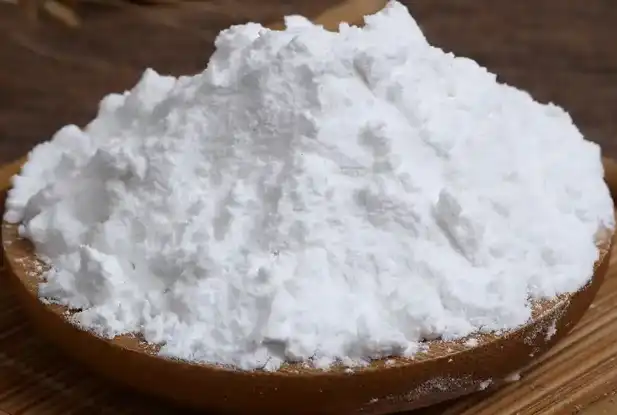
Top 5 Health and Skin Benefits of Betulinic Acid Powder
Anti-Inflammatory Action for Dermatological Conditions
Many skin problems, like acne vulgaris, rosacea, and atopic dermatitis, are caused by inflammation. This triterpenoid changes inflammation processes by stopping pro-inflammatory cytokines like TNF-α and IL-6 from working. Based on clinical findings, it seems that formulas with this active ingredient lower the signs of redness and irritation during treatment times. NF-κB signaling pathways are slowed down, which controls the production of genes that cause inflammation. Cosmetic brands that are aimed at people with sensitive skin can benefit from using this botanical ingredient because it works as well as manufactured options at reducing inflammation without the negative side effects.
Antioxidant Defense and Anti-Aging Properties
Damage from free radicals speeds up the aging process and makes fine lines, discoloration, and loss of suppleness more noticeable. The molecule betulinic acid powder is a strong antioxidant that works by blocking reactive oxygen species and making antioxidant enzyme systems work better inside the body. It has been shown in studies to protect fibroblasts from oxidative stress, which keeps collagen production rates high and the stability of the extracellular matrix intact. Because it protects, it's useful for anti-aging serums and creams that work on photoaging. Formulators who want to back up anti-aging claims with scientifically proven actives will find that this ingredient targets multiple aging pathways at the same time, which helps products stand out in high-end skincare categories.
Melanogenesis Modulation for Skin Tone Evenness
Concerns about hyperpigmentation drive a lot of demand in the brightening makeup area. This plant-based active ingredient changes the function of melanocytes and tyrosinase, which in turn changes the production of melanin. Studies have shown that when mixed in the right amounts, it can help make your skin tone more even. Unlike hydroquinone, which is limited by government rules, this natural option fits with the clean beauty trend and works to make your skin brighter. Cosmetic chemists who are making products to even out skin tone can use this process to make unique formulations that meet customer preferences for plant alternatives that work well.
Immune System Support and Metabolic Wellness
In addition to its use on the skin, this triterpenoid has immune-modulating qualities that are good for overall health. It raises the activity of natural killer cells and changes adaptive immunity responses, which makes the immune system stronger generally. This ingredient can be used by nutraceutical brands that make products that boost the immune system to provide a wide range of health benefits. According to studies on metabolism, it may play a part in supporting healthy glucose metabolism and lipid profiles, which means it can be used in more useful nutrition products. Because it works on multiple levels in the body, this substance is useful for health-related product lines that want natural actives that can do more than one thing.
Skin Barrier Protection and Environmental Defense
Pollution, UV rays, and blue light exposure are some of the modern environmental factors that weaken the skin barrier function. The chemical improves barrier stability by helping to organize lipid lamellae and lowering water loss through the epidermis. It protects keratinocytes from external chemicals and lessens the damage that particles do to cells through oxidative stress. This defensive process works well for urban skincare lines that target skin problems caused by pollution. Creating complete protection plans that improve natural defenses and stop outside attackers is what makes protection strategies popular with people in cities with lots of pollution.
Comparing Betulinic Acid Powder with Similar Natural Compounds
Triterpenoid Efficacy Analysis
Ursolic acid is another pentacyclic triterpenoid that comes from rosemary and apple leaves. It has a similar structure to ursolic acid but has different molecular activities. Betulinic acid powder has a wider range of effects, including stronger effects on cellular development pathways, while ursolic acid is very good at reducing inflammation. Lupeol, which can be found in both mango and olives, is a complementary antioxidant that has different solubility properties that affect how it is formulated. When purchasing professionals compare these substances, they should check the specific activity profiles against the claims made for the target product. This is because betulinic acid powder's unique hydroxyl positioning leads to unique bioactivity patterns that structural analogs can't imitate.
Natural Versus Synthetic Sourcing Considerations
In theory, synthetic production methods can copy molecule structure, but plant extraction keeps the complex phytochemical profiles that may help the effects work together. Trends show that consumers strongly prefer chemicals that come from natural sources, including betulinic acid powder. In both the cosmetics and supplements categories, clean-label placement commands higher prices. Isotope ratio mass spectrometry can tell the difference between natural and artificial sources, which is important for brand identity because it addresses worries about authenticity. Some brands that care about the environment and social sources make decisions about what to buy based on how transparent the supply chain is about where the materials come from, how they are extracted, and how sustainable the practices are.
Purity and Cost-Effectiveness Benchmarking
A study of the market shows that purity grades vary a lot, from 85% to 98%, which is directly related to price differences. Pharmaceutical-grade material that is 98% pure costs a lot, but the strict quality control and detailed analysis data make up for it. Cosmetic-grade versions with 90–95% purity are cheaper for uses that don't need to meet strict medicinal standards. The price of buying in bulk usually runs from $800 to $2,500 per kilogram, but it depends on the quality requirements, the amount of the order, and the supplier's reputation. When figuring out if something is cost-effective, it's important to take into account how much of it is actually needed. This is because higher purity grades may mean lower inclusion rates, which could make up for higher unit costs through better formulation.
How to Use Betulinic Acid Powder: Dosage, Application, and Safety?
Recommended Dosage Guidelines
The substance is usually found in topical skin care products at amounts between 0.5% and 3%, which strikes a balance between stability and effectiveness. Anti-aging serums that are meant to be used for intense treatment usually have higher ingredient amounts, while moisturizers that are used every day have lower inclusion rates. Nutritional supplement labels recommend mouth doses between 100 mg and 500 mg per serving, but the best dose depends on the health goal and the way the supplement is delivered. These factors give us a place to start when making new formulations. Stability tests and effectiveness studies will help us find the best concentration levels for commercial goods.
Formulation Techniques and Stability Optimization
Problems with solubility need smart methods for formulation. The lipophilic substance can be easily added to oil-based systems like dry creams and lipid serums without any problems with solubility. Pre-dissolution in oil stages or complexation with solubilizers like polysorbates is good for emulsion systems. When mixing powders for vitamins, it's important to pay attention to how the particles are distributed and which excipients are used to make sure the content is equal. Because of worries about light and oxidative stability, products must be packed in dark containers and contain antioxidants like vitamin E or ferulic acid. Following ICH standards for stability testing establishes shelf-life parameters that are needed for regulatory submissions and quality guarantee claims.
Safety Profile and Regulatory Compliance
According to toxicological studies, the product is safe to use at the suggested amounts, and there have been no major adverse responses reported in dermatological uses of betulinic acid powder. Before going on the market, patch testing procedures should be used to find people who might become sensitized. Regulatory status changes around the world. For example, being listed on the INCI as betulinic acid makes it easier to make cosmetics in markets that follow international rules for nomenclature. For supplement applications to be accepted, they must follow the rules for food ingredients, which in the US includes sending in NDI notifications when needed. Safety data sheets, allergen labels, and GMO status statements are all part of documentation packages that help with government reports and customer due diligence.
Conclusion
Betulinic acid powder is a plant ingredient that has been scientifically proven to have multiple uses. It meets important needs in the skincare, nutritional supplement, and health product categories. Its anti-inflammatory, antioxidant, and regenerative qualities give formulators a lot of different ways to make unique goods that meet the needs of consumers who want clean labels. To get the best formulation performance and business success, strategic buying needs a careful look at purity standards, source skills, and total cost factors. As more study is done to learn more about this compound's biological activities, brands that use it early will be at an edge in markets that value naturally derived, effective ingredients with strong scientific support.
FAQ
1. What distinguishes pharmaceutical-grade from standard-grade material?
Pharmaceutical-grade standards call for purity levels above 98% and full analytical analysis, such as impurity profiles, residual solvent testing below ICH limits, and endotoxin measurement. Standard appearance grades usually get between 90 and 95% pure with less thorough tests. Choosing the right grade relies on what it will be used for. For example, pharmaceutical and clinical research uses need stricter rules, while cosmetic formulations can use grades that are more cost-effective without sacrificing performance. Different levels of paperwork are also available. For example, pharmaceutical grades offer a lot of stability data and regulatory support documentation that is needed for drug development paths.
2. How can the realness of an element be checked?
Advanced analytical methods prove the origin and quality of plants. HPLC fingerprinting checks sample profiles against verified reference standards to find any changes or additions that were not intended. Based on carbon isotope signatures, isotope ratio mass spectrometry can tell the difference between naturally extracted material and manufactured substitutes. DNA barcoding checks the source species of plants to make sure they can be tracked. By asking suppliers for these analytical results and having a third-party lab check them, you can be sure that the materials you are buying are real, which is important for brand consistency and following the rules.
3. What stability concerns affect formulation development?
The main problems with stability are oxidative decay and photosensitivity. Stability is best achieved by using dark or UV-protective packing, adding antioxidant systems, and keeping the pH level between 5.0 and 7.0. Changes in temperature during shipping and storage can change the properties of powder, so it needs to be shipped in a climate-controlled environment for sensitive uses. Accelerated stability testing under ICH settings estimates shelf life and gives expiration dates, which are important for planning market products and sending them to the government.
Partner with Angelbio for Premium Betulinic Acid Powder Supply
Angelbio is a leader in new ways of making plant ingredients. They offer top grade Betulinic Acid Powder that is backed by 18 years of independent research and development experience and advanced analysis tools. Our partnership with the Institute of Life and Health Research at Xi'an Jiaotong University guarantees cutting-edge extraction methods that consistently meet purity standards of over 95%. As a reliable company that makes Betulinic Acid Powder, we offer full technical support, including formulation advice, stability data, and legal documents that are specific to your market needs. Our ISO-compliant quality systems and GMP-certified facilities make sure that each batch is the same, which is important for growing successful product lines. Email our purchasing agents at angel@angelbiology.com to talk about custom specs, bulk prices, and OEM relationship options that can help you speed up the development of your product while still meeting high quality standards.
References
1. Mullauer, F. B., Kessler, J. H., & Medema, J. P. (2010). Betulinic acid induces cytochrome c release and apoptosis in a Bax/Bak-independent, permeability transition pore dependent fashion. Apoptosis, 15(7), 865-878.
2. Yogeeswari, P., & Sriram, D. (2005). Betulinic acid and its derivatives: A review on their biological properties. Current Medicinal Chemistry, 12(6), 657-666.
3. Jäger, S., Trojan, H., Kopp, T., Laszczyk, M. N., & Scheffler, A. (2009). Pentacyclic triterpene distribution in various plants – rich sources for a new group of multi-potent plant extracts. Molecules, 14(6), 2016-2031.
4. Pisha, E., Chai, H., Lee, I. S., Chagwedera, T. E., Farnsworth, N. R., & Cordell, G. A. (1995). Discovery of betulinic acid as a selective inhibitor of human melanoma that functions by induction of apoptosis. Nature Medicine, 1(10), 1046-1051.
5. Alakurtti, S., Mäkelä, T., Koskimies, S., & Yli-Kauhaluoma, J. (2006). Pharmacological properties of the ubiquitous natural product betulin. European Journal of Pharmaceutical Sciences, 29(1), 1-13.
6. Rzeski, W., Stepulak, A., Szymański, M., Sifringer, M., Kaczor, J., Wejksza, K., & Kandefer-Szerszeń, M. (2006). Betulinic acid decreases expression of bcl-2 and cyclin D1, inhibits proliferation, migration and induces apoptosis in cancer cells. Naunyn-Schmiedeberg's Archives of Pharmacology, 374(1), 11-20.