How to take ashwagandha powder :A Comprehensive Guide
Ashwagandha Root Extract Powder has become a cornerstone ingredient in the nutraceutical and wellness industries, delivering reliable adaptogenic benefits to end consumers worldwide. We recommend dosages between 300 and 600 mg daily for standardized extracts containing 5% withanolides, though formulation specifics vary based on application and target health outcomes. Proper administration methods directly influence bioavailability and customer satisfaction, making it essential to understand consumption protocols, timing strategies, and quality specifications before integrating this botanical into your product portfolio.
Understanding Ashwagandha Root Extract Powder
What Distinguishes Extract Powder from Traditional Root Powder?
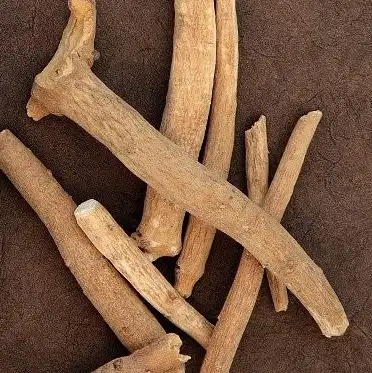
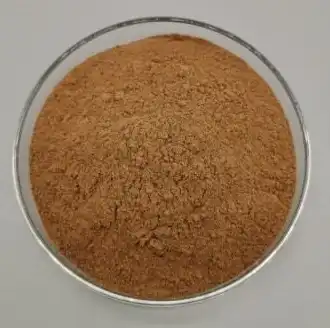
The main difference between concentrated ashwagandha root extract powder and simple ground root material is the extraction process. Traditional ashwagandha root powder has the whole plant, which naturally includes 1-2% withanolides. Manufacturers separate and concentrate bioactive chemicals using solvent extraction, which is usually done with ethanol or water. This makes uniform extracts that range from 2.5% to 10% withanolides. This process of concentration gets rid of the inactive fiber and starch parts, which lowers the dose needed and improves accuracy across production runs. The Ashwagandha Root Extract Powder that was made has better solubility and takes up less room in capsules, which solves formulation problems that R&D leaders often face during product development cycles.
Key Bioactive Compounds and Their Functions
Withanolides are the main active ingredients in ashwagandha root extract powder that give it its healing effects. These steroidal lactones, especially withaferin A and withanolide D, change the way cortisol works and help the brain work by acting like GABA. Studies have shown that taking 300 mg of standardized extracts twice a day lowers people's feelings of stress by a lot compared to groups that were given a fake. In addition to withanolides, the extract has alkaloids like somniferine and antioxidants like superoxide dismutase that help protect cells and change the immune system. When formulating products with specific health claims, formulation managers can make decisions based on evidence when they understand these phytochemical profiles.
Safety Profile and Usage Considerations
In clinical studies, ashwagandha root extract powder has been shown to be generally safe, but some groups of people should be careful. The most common side effects are still mild—occasional stomach pain or sleepiness—and they only happen in less than 5% of people who take normal doses. Some situations that shouldn't be used with this plant are pregnancy, autoimmune diseases, and interactions with thyroid medicines, since the herb may make more thyroid hormones. Teams in charge of buying things should make sure that the paperwork suppliers send them has safety data sheets and food statements, especially for people who are sensitive to nightshade family members. Testing by a third party for heavy metals, microbial contamination, and pesticide residues is an important part of quality control in controlled markets. It protects both the brand's image and the safety of consumers.
How to Use Ashwagandha Root Extract Powder Correctly?
Standard Dosage Recommendations by Health Target
Different dosage plans are used depending on the desired effects of the therapy and the standardization levels of the ashwagandha root extract powder. Formulations for managing stress usually use 300 to 500 mg of extracts standardized to 5% withanolides twice a day. Sports nutrition products that help with endurance and recovery may go up to 600 mg per day. This is because studies have shown that at these amounts, VO₂ max and muscle strength improve. Because of the herb's GABAergic qualities, sleep aids often suggest taking 250–400 mg in the evening. When using non-standardized extracts or concentration ratios that are not the same, dose needs to be changed. For example, a 10:1 extract needs different amounts than a 4:1 ratio to give the same amount of bioactive material.
Consumption Methods and Bioavailability Enhancement
The powder shape can be easily added to a number of different delivery methods. For direct intake, mix the ashwagandha root extract powder with warm liquids like milk, plant-based drinks, or herbal teas. This helps the extract dissolve and may improve absorption through fat-soluble carrier effects. Some companies put black pepper extract (piperine) inside the capsules to make the powder up to 30% more bioavailable. This solves a common manufacturing problem. Developers of functional drinks should be aware that ashwagandha has a naturally sour and earthy taste, which means that flavor-hiding techniques are needed in ready-to-drink products. Spray-dried types with maltodextrin carriers make it easier for water to mix with the product, which stops condensation problems that hurt its appearance and popularity with customers.
Optimal Timing and Cycle Duration Strategies
Timing rules affect both how well they work and how well users follow them. Because the herb is mildly sedative, morning doses work best for formulations that aim to improve brain function and stress resistance during the day, while evening doses work better for sleep quality goals. Continuous supplementation rounds of 60 to 90 days are usually used in clinical studies to get measurable cortisol reductions and changes in stress markers. We've noticed that B2C brands often suggest 8-week rounds with two-week breaks. However, this "cycling" method doesn't have a lot of professional support. For B2B clients who are making guided usage protocols, stability is more important than cycling. Telling end users that it takes two to four weeks to start noticing results increases retention and lowers the number of people who stop using the Ashwagandha Root Extract Powder too soon.
Choosing the Right Ashwagandha Root Extract Powder for Your Business
Organic Certification and Regulatory Compliance Standards
Organic approval has a big effect on how supplements are positioned in the market and how much they cost in North America. Organic approvals from the USDA or a similar organization cost more, but they meet the growing demand for clean labels from consumers, especially millennials and Gen Z. In addition to making sure the Ashwagandha Root Extract Powder is organic, buyers should also make sure it follows current Good Manufacturing Practices (cGMP) and check that sellers keep NSF International or similar facility certifications. In order to follow the rules, each output lot must have a Certificate of Analysis (CoA) that lists the numbers of microbes, heavy metals, and chemical residues that were tested. To avoid expensive customs delays, international procurement managers must make sure that the paperwork for importing dietary ingredients meets the FDA's registration standards.
Critical Quality Indicators and Testing Protocols
Standardizing the amount of withanolide is the basic quality measure. High-performance liquid chromatography (HPLC) testing checks the amount of total withanolides and withaferin A in particular, telling the difference between real and fake goods. Third-party testing by unbiased labs like Eurofins or SGS provides a level of assurance that internal source testing can't match. The distribution of particle sizes affects both the speed of production and the bioavailability of the ashwagandha root extract powder. For most uses, 80-mesh powder (95% passing) is best for even mixing and packaging. Keeping the moisture level below 5% stops microbes from growing and increases the shelf life, which is an important thing to keep in mind when buying in bulk.
The way something looks can tell you a lot about its worth. Stable sourcing and processing factors show that the color stays the same from batch to batch, running from light tan to greenish-brown. When the bulk density is between 0.4 and 0.60 g/ml, sealing speeds are optimized and equipment doesn't get stuck during high-volume production runs. Nutraceutical companies don't have to worry about quality control as much when suppliers show batch-to-batch stability over multiple orders. This lets R&D teams focus on new ideas instead of making constant changes to the recipe.
Format Comparison for Different Applications
For recipe versatility, powdered extracts are the most useful form. Manufacturers of capsules like the Ashwagandha Root Extract Powder can be directly filled and dosed accurately. Functional food makers can use the powder to make bars, candies, or drink mixes. Liquid extract options are better for quick absorption, but they can be unstable in some pH environments and need preservative systems that might not fit with a clean-label stance. Ashwagandha's ability to absorb water can change how hard something is and how long it takes to break down in tablet compression apps. Procurement managers can make sure that the ingredients they choose are in line with business goals by comparing forms based on what the target market wants, how much they can produce, and how much they cost.
Procurement Guide for Ashwagandha Root Extract Powder
Identifying Reliable Suppliers and Verification Methods
Long-term product quality and supply chain security depend on which suppliers are chosen. Established companies that make plant extracts and have production lines just for ashwagandha root extract powder show more technical know-how than market traders who get their products from different places. Facility audits, which can be done in person or by a third-party inspection service, are the first step in verification. They check the extraction tools, quality systems, and traceability methods. Asking for several batch CoAs over a period of 6 to 12 months shows patterns of stability and finds suppliers with strong farming ties. Referrals from current customers of similar products can help you figure out how to communicate quickly, make sure your paperwork is correct, and handle a problem when there is a break in the supply chain.
Cost-Effectiveness Analysis and Pricing Trends
The price of ashwagandha root extract powder changes depending on the amount of withanolide it contains, whether it is certified pure, and where it comes from. Standard 5% withanolide extracts usually cost between $18 and $35 per kilogram when bought in bulk (500 kg or more), while organic forms cost 40 to 60 percent more. Most of the world's supply comes from India, but ashwagandha grown in the U.S. has become a top choice, even though it costs more. Minimum order amounts range from 25 kg for specialty providers to 500 kg for high-volume manufacturers who offer low prices. We suggest signing yearly contracts with supplies every three months to lock in prices and make sure there is always stock, especially since prices change based on the harvest. Having ties with two to three approved sellers lowers the risks of using a single source without dividing up buying power.
Logistics and Documentation Requirements
Import paperwork needs to be carefully looked over when doing business internationally. As required by customs, suppliers should give business invoices, packing lists, phytosanitary certificates, and country-of-origin statements. For U.S. imports, FDA Prior Notice reports must happen before the shipment arrives, which means that procurement and transportation teams need to work together. For foreign orders, lead times are usually between 45 and 60 days, taking into account scheduling for production, testing, and ocean freight transport. Timelines are cut down to 10–14 days with air freight, but landing costs go up a lot, so it's only good for urgent refilling situations. Full container loads (FCL) of 10-15 metric tons get the best freight costs compared to less-than-container-load (LCL) shipments, which put ashwagandha root extract powder at greater risk of damage during handling.
Maximizing the Benefits: Case Studies and Practical Applications
Stress Management Supplement Development
When making a line of stress-relief capsules for professionals, a medium-sized nutraceutical business ran into recipe problems. Their research and development team chose Ashwagandha Root Extract Powder standardized to 5% withanolides at 300 mg per dose, along with L-theanine and magnesium glycinate, to make the effects work better together. Results from tests with real people showed that they felt less stressed after three weeks of regular use. The brand stood out by clearly marking the amount of withanolide it contained and using third-party testing seals, which responded to the growing concern among educated customers about the quality of supplements. The strong repeat buy rates of over 40% in the sales data supported the formulation method that focused on effectiveness.
OEM Production Quality Control Challenges
When an OEM supplement maker tried to get ashwagandha root extract powder from more than one source to keep up with rising demand, they ran into problems with batch stability. Withanolide levels changed a lot—from 4.2% to 6.1%, even though the label said 5%—which made the recipe unpredictable and meant that it had to be changed all the time to keep up with label claims. When they switched to a single approved provider with a low coefficient of variation (CV < 3%) across batches, production efficiency went up by a clear amount. The manufacturer started HPLC testing of arriving raw materials and rejected two shipments that didn't meet standards. This cut down on variations in the finished product and customer complaints in the long run. This experience shows the hidden costs of having a lot of different suppliers without making sure their quality standards are met.
Conclusion
Ashwagandha Root Extract Powder is an ingredient that has been proven to work by science and meets the growing demand from customers for natural ways to deal with stress and improve their health. To apply successfully, you need to know the dosage guidelines, quality standards, and supplier evaluation factors that have a direct effect on how well the product works and how well it sells in the market. With the right dosage instructions and knowledge of the difference between standardized extracts and regular powders, companies can make competitive formulas that give customers consistent benefits. Strategies for buying things that focus on third-party testing, certification verification, and having a close relationship with the seller reduce quality risks and make the best use of cost structures in regulatory settings that are becoming more strict.
FAQ
1. What differentiates extract powder from regular ashwagandha root powder?
Ashwagandha root extract powder goes through solvent-based reduction processes that separate and standardize the withanolide content to certain amounts (usually between 2.5% and 10%). Regular root powder, on the other hand, has naturally occurring 1-2% withanolides that are found in the whole plant matrix. Extracts are better for clinical-grade vitamins because they offer consistent doses, smaller serving amounts, and better bioavailability. Regular powder works well for most uses, but it can be hard to formulate because the potency varies and bigger amounts are needed.
2. How can we verify ingredient purity during bulk procurement?
For verification, different steps are needed, such as asking for Certificates of Analysis with HPLC withanolide measurement, heavy metal screening (for example, lead, cadmium, mercury, and arsenic), microbial testing, and pesticide residue screens. Testing by a third-party lab at an independent facility gives more unbiased proof than data created by the seller. DNA barcoding can prove the identity of a plant and find instances of mixing it with cheaper species of Withania or other plant parts that lower its healing value.
3. What side effects should product developers communicate to end users?
Clinical literature shows that about 3 to 5 percent of people who take normal doses experience slight stomach pain and sleepiness. People with thyroid problems or who take medicines for thyroid problems should be careful when taking Ashwagandha Root Extract Powder because it may make the thyroid work better. Product labels should make it clear that the drug shouldn't be used during pregnancy or nursing, and people with autoimmune conditions should also be aware of the possible effects on their immune systems.
Partner with a Trusted Ashwagandha Root Extract Powder Manufacturer
Angelbio sells plant extracts that are safe enough to be used in medicine. Their products are backed by 18 years of independent study and strict quality control systems. As a top provider of Ashwagandha Root Extract Powder, we offer standardized extracts ranging from 2.5% to 10% withanolides. Our products come with full third-party testing paperwork that meets all international legal standards. Our factory keeps its cGMP certification and uses modern HPLC analysis to make sure that each batch is the same, which is important for formulation managers. We offer flexible minimum order amounts starting at 25 kg, competitive price structures for large orders, and free samples for checking qualifications. Email our technical team at angel@angelbiology.com to talk about your unique formulation needs and get full product specs that meet your quality standards and help you place your business in the market.
References
1. Chandrasekhar, K., Kapoor, J., & Anishetty, S. (2012). A prospective, randomized double-blind, placebo-controlled study of safety and efficacy of a high-concentration full-spectrum extract of ashwagandha root in reducing stress and anxiety in adults. Indian Journal of Psychological Medicine, 34(3), 255-262.
2. Salve, J., Pate, S., Debnath, K., & Langade, D. (2019). Adaptogenic and anxiolytic effects of ashwagandha root extract in healthy adults: A double-blind, randomized, placebo-controlled clinical study. Cureus, 11(12), e6466.
3. Wankhede, S., Langade, D., Joshi, K., Sinha, S. R., & Bhattacharyya, S. (2015). Examining the effect of Withania somnifera supplementation on muscle strength and recovery: A randomized controlled trial. Journal of the International Society of Sports Nutrition, 12(1), 43.
4. Lopresti, A. L., Smith, S. J., Malvi, H., & Kodgule, R. (2019). An investigation into the stress-relieving and pharmacological actions of an ashwagandha extract: A randomized, double-blind, placebo-controlled study. Medicine, 98(37), e17186.
5. Mirjalili, M. H., Moyano, E., Bonfill, M., Cusido, R. M., & Palazón, J. (2009). Steroidal lactones from Withania somnifera, an ancient plant for novel medicine. Molecules, 14(7), 2373-2393.
6. Kulkarni, S. K., & Dhir, A. (2008). Withania somnifera: An Indian ginseng. Progress in Neuro-Psychopharmacology and Biological Psychiatry, 32(5), 1093-1105.