



What is berberine HCl used for?
Berberine HCl Powder comes from Phellodendron amurense and is used in useful foods, nutritional supplements, and animal feed. This yellow crystalline alkaloid stays stable in recipes, which makes it useful for metabolic health products that help keep blood sugar levels healthy, cardiovascular support vitamins that focus on lipid profiles, and high-quality pet food that helps keep gut health. The hydrochloride salt form is more consistent and standardised than fresh plant extracts, and it meets the quality control standards for professional formulations.
Understanding Global B2B Procurement Challenges in Botanical Ingredient Sourcing
Product makers who care about health have to think about a lot of things when they get high-purity plant extracts. When buying plant chemicals, changes in the seasons, farming conditions, and the skill of the person doing the extraction all affect the availability of constituents, which makes the supply chain more complicated. Cost and quality must be balanced by procurement teams, especially when making goods for controlled markets that need lots of paperwork.
Navigating Regulatory Compliance Across Multiple Markets
Companies around the world follow different rules when it comes to plant ingredients. The FDA sets the rules for food supplements in the United States. In Europe, the EFSA sets the rules and quality levels. Because of the rules in place, service providers have to check for heavy metals, chemical residues, and microbiological accuracy. As important as the item itself, Certification of Analysis records, safety statements, and stable data play a big role in deciding what to buy.
Ensuring Batch-to-Batch Consistency in Natural Ingredients
Standardisation is a way to deal with the differences between natural plant products and artificial chemicals. A seller of Berberine Hcl Powder who uses consistent extraction methods and confirmed plant sources can send amounts that are guaranteed to be effective, which supports the purity of the product. Leading formulators like it when providers use HPLC to check the amounts of alkaloids during different production processes. This level of scientific rigour helps keep formulations consistent and backs up claims that a product works throughout its entire lifecycle on the market.

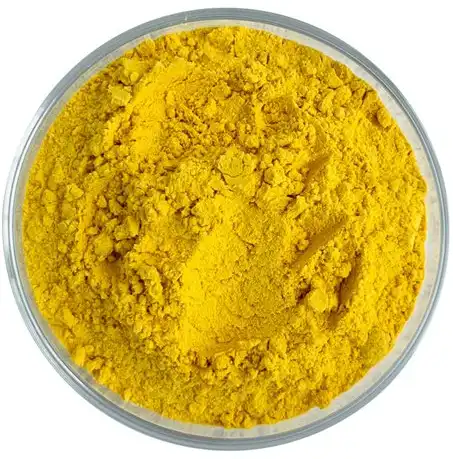
Key Features of High-Quality Berberine HCl for Professional Formulations
Technical examination beyond basic criteria is needed to choose botanical substances. Professional materials are distinguished by their purity, performance, and compatibility with various delivery systems.
Verified Purity Standards Meeting Pharmacopeial Requirements
High-performance liquid chromatography yields 97% or higher test results for quality Berberine HCl Powder. This analytical approach differentiates Berberine Hcl Powder from structurally related alkaloids such as palmatine and jatrorrhizine, ensuring accurate purity representation. Formulators manufacturing goods subject to regulatory inspection can trust materials fulfilling CP, USP, or EP standards. Heavy metal concentration below 3.0 ppm for lead and 1.0 ppm for arsenic supports consumer safety and meets international trade standards.
Extraction Source Impact on Product Positioning
Phellodendron amurense-derived Berberine HCl Powder is sustainable and chemically identical to Coptis-derived products. Though market perceptions vary, both plant origins share the same chemical structure. For several customer categories, the Traditional Chinese Medicine plant history informs the brand narrative. Procurement managers weigh positioning against cost, supplier reliability, and environmental sustainability. When suppliers follow strict standardization criteria, phellodendron sources are well-suited for large-scale manufacture while maintaining quality.
Applications Driving B2B Demand Across Health Product Categories
The chemical Berberine HCl Powder is used in several market categories with different formulations and regulatory requirements. Understanding these application settings helps procurement experts assess supplier capabilities for product development.
Metabolic Health and Glucose Management Supplements
Berberine HCl Powder is a key element in supplements supporting healthy glucose metabolism. Research shows it supports glucose metabolism, making it relevant for metabolic wellness formulations. Clean-label brands highlight botanical origin to fulfill customer demand for natural alternatives. The chemical blends well with minerals, vitamins, and plant extracts in capsules and tablets. Formulation managers prefer suppliers with low loss-on-drying values below 12% to support accurate dosage estimates and maintain stability.
Cardiovascular Lipid Support Formulations
Premium heart health solutions help maintain healthy cholesterol and triglyceride levels using Berberine HCl Powder. Specialty product manufacturers need pure, consistent ingredients to support label claims. Traditional botanical use provides narrative aspects for marketing, while modern standardization satisfies quality requirements. Complete analytical data, including alkaloid profiles and contaminant screening, support product development and regulatory filings. For cardiovascular health products intended for long-term use, batch-to-batch uniformity is important.
Leveraging Technology and Quality Systems to Optimize Ingredient Selection
Modern procurement decisions go beyond specification compliance with analytical and quality management systems. Technological investments in transparency and traceability distinguish advanced providers.
Advanced Analytical Methods Ensuring Authenticity
Advanced purchasers use multiple analytical methods to verify ingredient identification and confirm authenticity. Carbon-14 analysis distinguishes natural Berberine Hcl Powder from synthetic alternatives. Price considerations in supply chains make this verification valuable. HPLC fingerprinting verifies supplier claims by identifying botanical source alkaloid characteristics. Analytical investments support ingredient authenticity and safeguard brand integrity and customer confidence.
Integrated Quality Management Supporting Compliance
Angelbio produces pharmaceutical-grade botanical substances that exceed the strictest international requirements using 18 years of independent research and development and world-class analytical capabilities. Validated HPLC procedures extract Berberine HCl Powder from sustainably sourced Phellodendron amurense to purity levels above 97%. Our paperwork meets global regulatory criteria. We offer technical guidance to help formulation teams improve product performance, stability, bioavailability, and compliance as a reliable Berberine Hcl Powder supplier endorsed by Angel Holding Group and Xi'an Jiaotong University. Contact angel@angelbiology.com to discuss your application needs and see how our quality and innovation help your product development goals.
Collaborative Technical Support Accelerating Product Development
Technical support capabilities distinguish strategic partners from transactional vendors beyond material delivery. Suppliers with qualified application scientists assist with solubility, taste masking for bitter compounds, and delivery format stability optimization. Collaboration speeds development and supports formulation efficiency while enhancing product performance. Innovative delivery techniques such as liposomal encapsulation benefit from suppliers with pharmaceutical and nutraceutical expertise.
Building Trusted Supplier Relationships for Long-Term Success
Sustainable procurement emphasizes relationships over transactions. Botanical elements involve complexity and require ongoing communication and quality commitment.
Transparent Communication and Performance Visibility
Supplier relationships that communicate production schedules, inventory levels, and quality data are successful. Buyers can strategically manage inventories and communicate realistic timelines to internal stakeholders when suppliers share information about raw material availability or processing schedules. Regular business reviews of quality, delivery, and technical collaboration strengthen relationships and highlight ongoing improvement opportunities. Transparency builds confidence for long-term agreements that benefit both parties through planning stability and volume optimization.
Strategic Partnership Structures
Formal agreements on quality, testing, price, and supply provide clarity for both parties. Well-structured contracts address crop variability, regulatory updates, and market factors that influence availability. Supplier visibility enables capacity and capability investment, while preferred supplier partnerships with clear governance frameworks provide supply security and business development. Reliability, quality assurance, and collaborative innovation give mature partnerships a competitive advantage.
Conclusion
A versatile botanical molecule, Berberine HCl Powder is used in nutritional supplements, functional foods, and animal nutrition. Successful procurement requires evaluating vendors beyond price, including analytical rigor, quality system maturity, technical support, and relationship transparency. Pharmaceutical-grade materials with verified purity, botanical source, and stability support success in metabolic health, cardiovascular support, and veterinary formulations. Transparent communication and reciprocal capability development give strategic supplier relationships competitive benefits through supply stability, quality assurance, and collaborative innovation that promote long-term business success.
FAQ
1. How does the extraction source affect berberine quality?
Berberine HCl Powder's molecular structure is the same whether it comes from Phellodendron amurense or Coptis species. Quality discrepancies come from extraction, purification, and analytical verification, not the plant source. Phellodendron extraction is sustainable and cost-effective for large-scale manufacture when providers standardize and maintain functional qualities. HPLC-verified purity and extensive quality documentation are more important than botanical source, yet some markets prefer traditional Chinese Medicine legacy connected with specific plants for positioning.
2. What analytical methods ensure berberine authenticity?
High-performance liquid chromatography is the industry standard for Berberine HCl Powder concentration verification and structurally related alkaloids detection that titration cannot distinguish. Carbon-14 testing distinguishes natural from manufactured materials in advanced authentication. Characteristic characteristics from alkaloid fingerprinting confirm botanical source assertions. ICP-MS heavy metal analysis, GC-MS or LC-MS/MS pesticide screening, and pharmacopeial microbiological testing are part of quality control. Every production batch from reputable vendors includes Certificate of Analysis paperwork for these criteria.
3. Can berberine integrate into beverage formulations?
The chemical precipitates in aqueous systems and has low cold-water solubility, making clear, ready-to-drink uses difficult without a specific formulation. Solid dose forms like capsules and tablets better accommodate its physical features and avoid its unpleasant taste. Companies developing liquid delivery systems should investigate emulsion, liposomal, and complexation methods to improve dispersion. Warm beverages or suspensions are more practical than clear cold drinks, but they require formulation skill to overcome stability and sensory issues.
Partner With Angelbio for Premium Berberine HCl Solutions
Angelbio produces top grade botanical substances that exceed the strictest international requirements using 18 years of independent research and development and world-class analytical capabilities. Validated HPLC procedures extract Berberine HCl Powder from sustainably sourced Phellodendron amurense to purity levels above 97%. Our paperwork meets global regulatory criteria. We offer technical guidance to help formulation teams improve product performance, stability, bioavailability, and compliance as a reliable Berberine Hcl Powder supplier endorsed by Angel Holding Group and Xi'an Jiaotong University. Contact angel@angelbiology.com to discuss your application needs and see how our quality and innovation help your product development goals.
References
1. Wang Y, Zidichouski JA. "Update on the Benefits and Mechanisms of Action of the Bioactive Vegetable Compound Berberine on Metabolic Syndrome." Nutrients 2018; 10(2): 142-159.
2. Kumar A, Ekavali, Chopra K. "Review on Alkaloids: Phytochemistry, Pharmacology and Clinical Applications of Berberine." Journal of Ethnopharmacology 2015; 170: 319-330.
3. Yin J, Xing H, Ye J. "Efficacy of Berberine in Patients with Type 2 Diabetes Mellitus." Metabolism: Clinical and Experimental 2008; 57(5): 712-717.
4. Liu CS, Zheng YR, Zhang YF, Long XY. "Research Progress on Berberine with Multiple Pharmacological Activities." Evidence-Based Complementary and Alternative Medicine 2016; Article ID 2682732.
5. Neag MA, Mocan A, Echeverría J. "Berberine: Botanical Occurrence, Traditional Uses, Extraction Methods, and Relevance in Cardiovascular Metabolic and Neurological Disorders." Frontiers in Pharmacology 2018; 9: 557-578.
6. Zhang H, Wei J, Xue R. "Berberine Lowers Blood Glucose in Type 2 Diabetes Mellitus Patients Through Increasing Insulin Receptor Expression." Metabolism 2010; 59(2): 285-292.