What is ceramide powder used for?
Pure ceramide powder is a very pure lipid that is mostly used to fix and improve the natural barrier function of the skin. Important problems in personal care, cosmetics, and nutraceuticals can be solved by this bioactive chemical. It helps skin that is prone to eczema fix its barrier and makes anti-aging products better. Pure ceramide powder can be put on the skin, and it can also be found in vitamins that you take by mouth to keep your skin moist from the inside out. Formulators have a lot of freedom to make new goods that can be delivered in different ways.
Understanding Pure Ceramide Powder and Its Uses
What Exactly Is Ceramide Powder?
A concentrated form of sphingolipids can be found in pure ceramide powder. Sphingolipids are naturally occurring molecules that make up about half of the lipid layer in the skin. Ceramides are made up of a sphingosine base linked to a fatty acid chain at the molecular level. The stratum corneum then forms amphipathic structures that arrange themselves into two layers of lamellar structures. They can change how much water they let out and how much they keep in at the same time because of how they are built.
When buying from another business, it's very important to know the difference between real and fake forms. Ceramides 1–9 are made up of different types of natural ceramides that are similar to the parts of human skin. Natural ceramides usually come from plants like konjac, rice, or wheat. Chemical synthesis makes manufactured forms that are more pure (HPLC tests show more than 98%) and reliable from batch to batch, which is important for making things. It's clear that synthetic ceramides work, but brands that want to appeal to health-conscious buyers prefer natural ones better.
Primary Applications in Product Development
Pure ceramide powder is mostly used in makeup, which is where it meets three main production goals. Clinical studies show that barrier repair products use ceramides to fill in gaps between cells in damaged skin. This stops up to 40% of water loss through the epidermis. Pure ceramide powder is a key part of skin care items for people with eczema or sensitive skin because research shows it can reduce redness and make skin feel better.
Ceramides can make skin more flexible and lessen the look of fine lines, which is good for items that fight aging. A study found that putting ceramide on the skin makes it 26% smoother after eight weeks. This makes it a useful ingredient for high-end skin care lines. Some oral vitamins and beauty products that you can swallow have shown promise in increasing the amount of water in your skin after 12 weeks of daily use at doses ranging from 40 mg to 100 mg.
People who make personal care products put pure ceramide powder in hair care products to fix cuticles that are broken and make hair easier to style. Formulators can pick the way they want to use the ingredient to get the forms and performance profiles they need. This is because it can be delivered in emulsions, dry bases, or powder mixes.
Advantages Over Traditional Formulations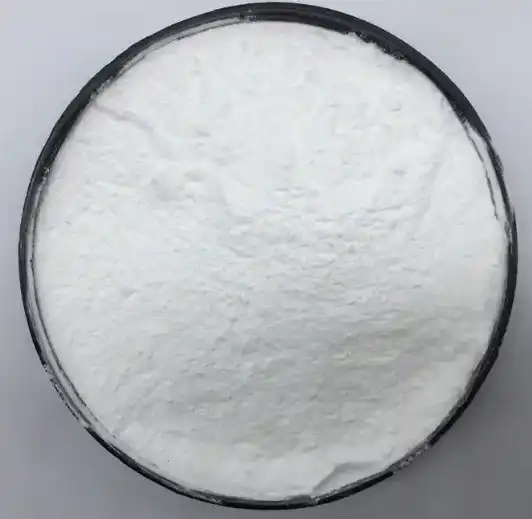
It's clear that the raw powder version of pure ceramide powder is better for B2B buyers than creams or serums that have already been made. Formulators can find the best doses for a product based on what it says to do instead of using amounts that have already been set in finished ingredients. It is important to be this accurate in order to follow the law or make sure that different stages of a brand's goods stand out.
Ceramides that are mixed with water are more likely to break down, which shortens their shelf life. Powder types are more stable because they don't dissolve as easily. When kept in a dry place, dried ceramides work for 24 to 36 months, but liquid ones only work for 12 to 18 months. When you make a lot of something, it's easy to see how cost-effective it is because getting pure active ingredients cuts down on wasted packaging and the high costs of shipping heavy items.
From a technical point of view, pure ceramide powder works perfectly with the way things are made now. To make a ceramide dispersion, you can use normal emulsification tools. It can also be used in normal hot-process production because it doesn't change when heated up to 80°C. This gives brands more options, so if they want to add ceramides, they don't have to buy as much new gear.
How to Use Pure Ceramide Powder Effectively in Skincare Formulations?
Dosing and Preparation Techniques
Before you can add pure ceramide powder, you need to know the right amount to use. In topical formulations, benefits are generally seen at inclusion rates of 0.2% to 2% in clinical effectiveness studies. Intensive barrier healing solutions are the only ones that show higher numbers. At temperatures between 70°C and 75°C, the formulators should make sure that the pure ceramide powder is fully mixed with the oil phase.
The particle size of pure ceramide powder changes how it breaks and how it feels after it's done. These types (d90 < 20 microns) mix faster and feel smoother on the skin, making them better for light lotions and essences. When making rich creams that don't need a lot of structure, standard grades work well. You can make a smooth solution that stops the ingredients from sticking together when you scale up the recipe by mixing ceramides with some of the moisturizing phase of the formula ahead of time. Some examples are caprylic triglyceride or jojoba oil.
Synergistic Ingredient Combinations
Pure ceramide powder works better when mixed with other ingredients that work well with it. It also helps with more than one skin problem at the same time. Niacinamide is a water-soluble vitamin that helps the skin make more ceramide naturally. A study found that this works with ceramides to make the barrier work 35% better than with just ceramides. 0.5 to 1.5% ceramides and 2 to 5% niacinamide should be mixed together.
The different molecular weights of hyaluronic acid keep the skin's surface moist right away. It works well with ceramides to make the shield stronger over time. It works with ceramides to help the skin hold on to water better at different levels in the epidermis. Low molecular weight hyaluronic acid (50–200 kDa) goes deeper into the skin. Formulators normally mix 0.1 to 0.5% hyaluronic acid with pure ceramide powder to make products that completely hydrate the skin.
Cholesterol, free fatty acids, and ceramides mix in a 1:1:1 molar ratio to make a full lipid barrier system that is like the skin we have. A study on skin supports this physiological method, which works better than ceramides alone to repair walls. This is very important for eczema products in particular.
Safety and Regulatory Considerations
A lot of different kinds of people can safely use pure ceramide powder. In fact, tests have shown that up to 5% of it has almost no bad effects. Tests on sensitive skin show that it doesn't hurt or make the skin more sensitive, so it can be used in recipes for people with sensitive skin. But teams that are buying things should use standard methods like HRIPT (Human Repeat Insult Patch Testing) to make sure that the paperwork that sellers give them meets these safety standards.
Each place has its own rules for following the law. This is how ceramides are named in the US beauty industry: Ceramide NP and Ceramide AP are two examples. They need to be properly labeled, but there are no limits on how much can be used on the outside. The EU Cosmetics Regulation 1223/2009 has the same rules for markets in Europe. But brands that say certain things must try to keep their promises to make sure they are true.
In order to buy something (pure ceramide powder), you have to show proof that it is clean, has the right number of bacteria (as defined by ISO 17516), and doesn't contain any common toxins. Pharmaceutical-grade or over-the-counter (OTC) names can feel safer when they work with suppliers who offer DMF (Drug Master Files).
Comparing Ceramide Powder Variants and Market Solutions
Natural Versus Synthetic Ceramide Powders
Natural or man-made pure ceramide powder should be used depending on the brand, how much it costs, and the needs of the recipe. Natural ceramides come from plants, and enzymes or chemicals can be used to get rid of them. They are made up of different kinds of ceramide structures that might have more biological effects. The amount of purity is usually between 70% and 85%. The rest is made up of phytosphingosines and glucosylceramides, which are linked and, according to one study, have extra health benefits.
Pharmaceutical-grade manufactured ceramides are more than 95% pure, which makes it easier to predict how they will work and test them in a safe environment. Certain types of ceramide can be carefully controlled while the product is being made, which lets formulators target particular skin issues. Clinical tests have shown that Ceramide III (Ceramide NP), which is often used to fix hurdles, works very well. A cost study found that natural versions of the same ingredient that are just as good usually cost 15–25% more than manufactured versions of the same ingredient when everything else is equal. The price difference may be worth it, though, because "natural" stickers may sell for more.
Where the product is placed affects how useful it is for an application. For high-end natural skin care lines, plant-based ceramides work well. But dermatological brands that put scientific proof first usually choose synthetic forms because they are more consistent and have more paperwork. Both forms work about the same when well-thought-out formulas are used, so the choice is more about strategy than technicality.
Pure Powder Versus Ceramide Complexes
Ceramide complexes are made up of fatty acids, cholesterol, and ceramides that have already been mixed together. They help the lipid barrier stay in place and make creation easy. Smaller brands that don't have much experience with formulations can benefit from these turnkey choices because they cut down on the time needed for development and formulation testing. However, this ease of use comes with less freedom. Formulators can't change the amounts of individual parts to make them work better for certain claims or make their complexes stand out from others that use the same complexes.
Because it allows formulators to exactly alter lipid ratios, select fatty acids that work well with it, and combine it with their own delivery methods, pure ceramide powder gives them the most choices. To use this method, you need to be better at making things, but it can really make your goods stand out. Because individual parts are easier to find at low prices, pure powder is better for large-scale production because it is more cost-effective. This is because COGS is cut by 10 to 20 percent compared to pre-mixed complexes.
Stability testing needs to be done in different ways. Most of the time, the company that makes ceramide complexes will give you stable statistics for a certain concentration level. This speeds up the process of submitting to the government. Pure powder formulations need full stability processes, but the extra money is worth it because the formulas are unique and hard for competitors to copy.
Ceramides Versus Alternative Barrier Actives
When buying teams compare ceramides to other ingredients that help barriers, it helps them make smart choices about their businesses. Niacinamide makes the body make more natural ceramides, but the effects can't be seen for 6–8 weeks. On the other hand, ceramides that are put on the skin immediately make the barrier better. When you use both at the same time, you get short-term relief and long-term strength in the barrier.
It's great that hyaluronic acid can keep the skin's surface moist, but it can't fix broken structures like ceramides and pure ceramide powder can. Ceramide and hyaluronic acid mixed together are good for dry skin because they help keep the layer stable and add water to the skin. Petrolatum is better at keeping things inside, but ceramides are better at integrating with living things, which makes it less desirable for cosmetic use right now.
Peptides slow down aging by making collagen work harder, but they don't change the way the barrier works directly. More and more, goods with more than one benefit mix ceramides and peptides to repair walls and slow down the aging process. Ceramides are great because they work right away and also help skin health over time, which is something that not many other chemicals can do.
Conclusion
In a number of ways, pure ceramide powder can be useful to businesses that make cosmetics, food, and personal care products. As well as helping people with sensitive skin, it has been shown to fix skin layers and slow down the aging process. The formulators have a lot of freedom, which helps their goods stand out in places that are already full. They can make smart decisions that balance quality, cost, and brand positioning goals if they know the difference between natural and man-made forms, how to use them best, and how to judge sources.
Ceramide-based goods will continue to do well in the market since more and more people are learning about them. More and more clinical studies and dermatologists' advice support this. It is possible for brands to get higher prices and keep customers for a long time by adding high-purity pure ceramide powder to their product growth plans in a planned way.
FAQ
1. What distinguishes pure ceramide powder from ceramide creams in formulations?
With a purity level of 95% to 98%, pure ceramide powder provides formulators with high concentrations of the active component. This means they have full control over the ingredients that go well with the end result and how concentrated it is. Made-to-order ceramide creams have set amounts of ceramide, usually between 0.5 and 2%. Customers can use them, but brands that make their own goods can't make many changes to them. Making a lot of powder bases saves money and makes them last longer than making a lot of watery cream bases.
2. Is ceramide powder safe for sensitive skin applications?
Many studies have shown that pure ceramide powder is safe for all skin types, even those whose defenses aren't very strong. There is less chance of reaction because the element is biomimetic, which means it works like lipids that are naturally found in human skin. Regular tests on the skin show that amounts up to 5% are not annoying or allergic. But it's important to know what the phrase is about. Some of the right safety tests that should be done on finished goods are stability tests and user trials. This is to make sure that the whole recipe keeps these safety features.
3. How can buyers verify ceramide powder authenticity and quality?
Ask for full records of tests that show the product is pure using HPLC. This test finds any possible contaminants and clearly shows how much ceramide is present. Reliable sources give COAs that are special to each batch and include tests for microbes, heavy metals, and moisture levels. Before you place a large order, you may want to ask for samples that a third party can check. Formal records are the best way to make sure that a supplier has certifications like GMP compliance and ISO 9001. Making sure that long-term ties are good by working with suppliers who give clear manufacturing papers and let site audits happen is another way to do this.
Partner With Angelbio for Premium Ceramide Powder Solutions
For 18 years, Angelbio has been getting ceramide from plants. They have strict quality control systems in place to make sure that the pharmaceutical-grade pure ceramide powder they sell meets the high standards of nutrition and beauty companies all over the world. We are always coming up with new ways to clean things and make sure they are of good quality because we study together with the Institute of Life and Health Study at Xi'an Jiaotong University.
Ceramides can be made from plants or by people. Both are purer than 98%, and we have a lot of proof to back them up, such as, stable studies, and regulatory dossiers for large markets. Because we have a low minimum order quantity (MOQ), our bulk price helps big companies find cheap suppliers without losing quality. It also works for new brands.
The procurement team can ask for technical data sheets, recipe help, and free samples of our pure ceramide powder in order to try it in certain scenarios. Email our business development team at angel@angelbiology.com for low prices and to talk about your project needs. They can tell you how Angelbio's pure ceramide powder provider services can help you make new goods faster and keep your supply chain safe.
References
1. Coderch, L., López, O., de la Maza, A., & Parra, J.L. (2003). Ceramides and skin function. American Journal of Clinical Dermatology, 4(2), 107-129.
2. Meckfessel, M.H. & Brandt, S. (2014). The structure, function, and importance of ceramides in skin and their use as therapeutic agents in skin-care products. Journal of the American Academy of Dermatology, 71(1), 177-184.
3. Chamlin, S.L., Kao, J., Frieden, I.J., Sheu, M.Y., Fowler, A.J., Fluhr, J.W., Williams, M.L., & Elias, P.M. (2002). Ceramide-dominant barrier repair lipids alleviate childhood atopic dermatitis. Journal of the American Academy of Dermatology, 47(2), 198-208.
4. Tessema, E.N., Gebre-Mariam, T., Paulos, T., & Wohlrab, J. (2017). Potential applications of phyto-derived ceramides in improving epidermal barrier function. Skin Pharmacology and Physiology, 30(3), 115-138.
5. Denda, M., Koyama, J., Namba, R., & Horii, I. (1993). Stratum corneum lipid morphology and transepidermal water loss in normal skin and surfactant-induced scaly skin. Archives of Dermatological Research, 285(2), 41-49.
6. Guillou, S., Ghabri, S., Jannot, C., Gaillard, E., Lamour, I., & Boisnic, S. (2011). The moisturizing effect of a wheat extract food supplement on women's skin. International Journal of Cosmetic Science, 33(2), 138-143.