



What Is Rutin? Guide to the Flavonoid?
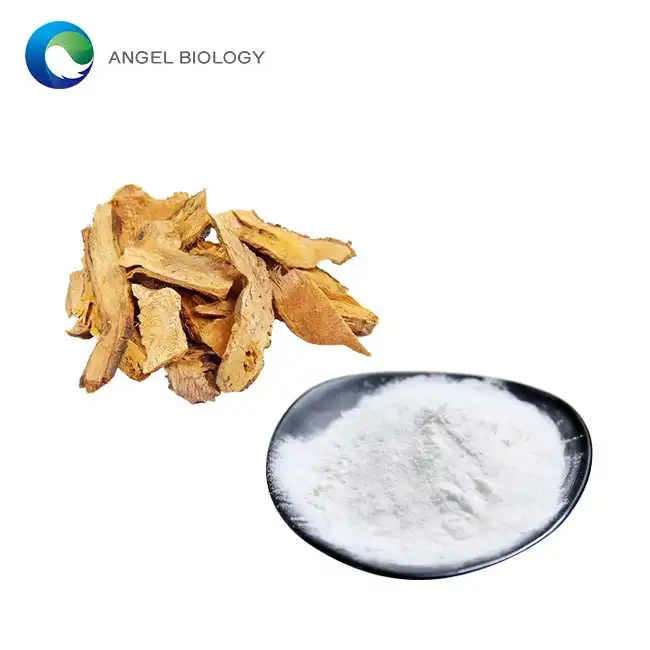
A strong bioflavonoid glycoside called quercetin-3-O-rutinoside, also known as Rutin Powder, is primarily extracted from the flower buds of Sophora japonica L. and buckwheat. The nutraceutical and pharmaceutical industries are very interested in this naturally occurring compound because it protects blood vessels and is a great antioxidant. As a crystalline golden-yellow substance, high-quality rutin has amazing properties that make capillary walls stronger and improve circulation. This makes it an important part of many types of formulations.
Understanding Rutin and Its Health Benefits
What Makes Rutin a Powerful Flavonoid
Rutin is a flavonoid. That's what quercetin is, and it binds to the disaccharide rutinose. This molecular structure is what makes rutin very special for living things. However, the glycoside form of quercetin is more stable in plant sources and more common in living things than its aglycone counterpart. It is naturally found in buckwheat seeds, apple peels, figs, citrus peels, and a lot of plants that your body uses. A yellow-green powder is usually what is left over after the plant is taken out. Pharmacopoeial standards like NF11, EP, and DAB10 must be met by the best grades. Also, their assay values are as high as 95% to 99% purity, which can be proven by HPLC. Since they are concentrating so hard, their performance stays the same no matter what.
Antioxidant and Anti-Inflammatory Mechanisms
There are metal ions that speed up oxidative reactions, and rutin can get rid of them. This makes it an antioxidant. Studies have shown that this flavonoid gives free radicals an electron to cancel them out while keeping its own structure. Parts of cells are protected from oxidative damage by this system. This is very important in vascular tissues, where oxidative stress can make endothelial cells not work properly.As well as being an antioxidant, rutin changes the pathways that cause inflammation by blocking the expression of the COX-2 enzyme and reducing the production of cytokines that cause inflammation. The compound stops NF-κB signaling cascades from working at the molecular level, which lowers the body's response to inflammation. Because it does two things, rutin is a multifunctional ingredient that can help with both inflammatory and oxidative problems when making new medicines.
Vascular Health and Circulation Support
Rutin, which used to be known as Rutin Powder "or "Vitamin P" because it stops permeability, is very good for keeping blood vessels healthy. By stopping enzymes from breaking down collagen and elastin fibers, the compound makes the walls of capillaries stronger. Capillaries are protected and less likely to break or leak because this ingredient has long been used in vein health products. Scientists have found that rutin helps blood flow by supporting endothelial function and making it less likely for platelets to stick together. Nitric oxide is a key signaling molecule for relaxing blood vessels, and the flavonoid makes more of it. Formulation scientists use these features to create products that are good for the circulatory system. These products are especially useful for people with leg pain or who want to keep their vascular system healthy.
Synergistic Effects with Other Flavonoids
Flavonoids, especially quercetin and hesperidin, are strongly connected to rutin and work well with each other. When rutin and quercetin are mixed together, they make flavonoids more bioavailable by competing with other metabolic pathways. It's the rutinose part that changes how quickly the antioxidants are absorbed. This gives the antioxidants more time to work. This compound also helps keep Vitamin C stable in mixtures. Blends with rutin break down ascorbic acid much more slowly than control formulations, as shown by accelerated stability testing. This defense works because metal ions attach to the vitamin and stop it from being oxidized quickly. When formulators use these kinds of synergies, they can make strong products that last longer and do a better job.


Using Rutin Powder – Dosage, Safety
Standard Dosage Guidelines for Different Applications
There are many different dosage parameters that depend on how the drug is delivered and what it is used for. Most dietary supplements have between 250 mg and 1000 mg of antioxidants per serving, which is enough to help with antioxidant needs. Higher doses, up to 1500 mg per day, are common in vascular health products. These doses are spread out over several doses to keep bioavailability steady. When making cosmetics, the concentrations are much lower. Usually, they are between 0.5% and 2.0% of the total weight of the formula. At these amounts, the flavonoid acts as an antioxidant on the skin and doesn't change how the product looks or how stable it is. Rutin doesn't dissolve well in water (about 0.125 g/L), which makes it hard for people who are making functional drinks to dissolve it. Most of the time, they have to use micronization or complexation to fix this issue. For applications that are used in pharmaceuticals, there needs to be strict standardization.
Long-Term Use and Storage Stability
Long-term patterns of consumption that last months to years show that the populations being watched have a stable tolerance. Metabolism breaks it down well, and normal elimination channels get rid of it, so it doesn't build up to a dangerous level. People who take supplements often follow long-term use protocols, which are backed up by this pharmacokinetic profile. Things are stable and work for longer when they are stored in a certain way. Since the substance is sensitive to light and soaks up water, it needs to be packed in a way that keeps light out and humidity in check. If you store something the right way, it will keep its assay specifications for 24 to 36 months at room temperature. When formulating, it's important to keep in mind that trihydrate forms usually lose between 5.5% and 9.0% of their weight when they dry. Oxidation is the main process that breaks things down. It changes the color from Rutin Powder yellow to brown. This visual clue lets you know that the quality has gone down.
Comparing Rutin Powder with Other Flavonoid Supplements
Rutin versus Quercetin: Structural and Functional Differences
How rutin and quercetin are linked to sugars is what makes them different. Rutin has a rutinose sugar moiety attached to the core structure of quercetin. This changes how it works in living things and how it looks. The molecular weight goes up because of this glycoside linkage, which also changes how it dissolves. Because of this, rutin doesn't dissolve as well in water as quercetin does, but it stays more stable in botanical matrices. What makes these compounds bioavailable is very different from one another. When quercetin is broken down in the small intestine, it is quickly absorbed as an aglycone. However, it goes through a lot of first-pass metabolism. To get quercetin out of rutin, gut microbiota must cut it with enzymes. This makes an absorption pattern that is delayed but lasts a long time. This time-release effect is helpful for formulas that want to give long-lasting antioxidant protection instead of peak concentrations right away. The flavonoids are chosen by formulators based on the product's goals. When you need something to work quickly, quercetin is a good choice because it is bioavailable right away.
Hesperidin and Other Citrus Flavonoids
Another flavonoid that is glycosylated and mostly found in citrus peels is hesperidin. Rutin and hesperidin are both good for the blood vessels, but they do it in different ways. In the skin's edges, hesperidin works best to improve microcirculation, while rutin has a bigger effect on blood vessels in both the arterial and venous systems. One problem that both compounds share is that they don't dissolve well. However, hesperidin does dissolve a little better in water. To make a co-formulation of rutin and citrus flavonoids, you get a mix that is good for many aspects of vascular health. You can use "botanical blend" marketing stories and clean-label positioning because the different source materials work well together. It is legal to use both compounds as food additives in some places and as food ingredients in the US. In most major markets, they have the same level of regulation. This parallel regulatory standing makes it easier to choose a formulation based on its technical merits rather than its ability to meet compliance requirements.
Organic versus Synthetic Rutin Sources
Differentiating based on source has a big impact on where products are sold and how much they cost. Fruits and vegetables grown without synthetic pesticides or fertilizers are required to be non-GMO in order to be certified organic. It costs more to get certified organic rutin, but it lets you join the growing market for clean labels. Brands that care about quality value the traceability information that comes from certification groups like the USDA and the EU. Synthetic production routes are still not very common because they are hard to do and cost a lot of money. Most of the things that are sold come from natural sources and are extracted in either a conventional or an organic way. The impurity profiles are changed by how the impurities are extracted. Most of the time, processes that use ethanol make cleaner products than those that use other solvents. There must be less than 3000 parts per million (ppm) of methanol and less than the acceptable pharmacopoeial limits of ethanol in the residual solvents. As far as purity goes, the market is split into two groups.
Powder versus Capsule Forms for Industrial Applications
The right delivery format strikes a balance between what the customer wants and what the company can offer. Bulk powder gives you the most options when it comes to how to make it. You can change the dose precisely and put it in a lot of different things, like functional foods, tablets, capsules, and sachets. When making a lot of something, powder is best because it is easier to work with and costs less per unit. It is easier to handle and easier for machines to fill out forms that are already sealed. The flavonoid is kept safe from the outside world while it is being stored and shipped inside a capsule. But this ease of use costs more and makes it harder to come up with new formulations. When brands want to stand out, they often like to work with pure powder to make their own mixes and ways to deliver their products. Some types of technical issues can be fixed with particle size engineering. When mixed with liquids, micronized grades with D50 values below 10 microns make the suspension more stable and speed up the rate at which it dissolves.
Sourcing and Procuring Rutin Powder for B2B Clients
Quality Verification and Certification Requirements
To show that the materials are real and up to quality standards, procurement protocols need a lot of paperwork. You need to write down the HPLC test results, moisture levels, particle sizes, microbial counts, heavy metal screening, and pesticide residue testing in the Certificate of Analysis. Suppliers with a good reputation give paperwork that is specific to each batch and can be linked to production records. Testing by a third party in different labs is an extra way to make sure that everything is correct, which testing by the supplier alone can't do. ISO/IEC 17025-certified labs can do tests that are fair and meet the requirements. Before the material can be used in production, many procurement teams need dual testing protocols. This means that both the buyer and the supplier have to look it over to make sure everything is okay. Getting certifications for manufacturing means that the quality system is stable and the business is well-established. For pharmaceutical and nutraceutical uses, GMP certification is important because it shows that good manufacturing practices are used.
Supplier Evaluation and Selection Criteria
You need to look at more than just price before you can find suppliers of Rutin Powder you can trust. By checking how much a supplier can make, you can be sure that they can keep up with rising demand without lowering quality or delivery times. Site audits show how factories really work, how machines are kept up, and how skilled the workers are. People who do these on-site evaluations often find strengths or weaknesses that weren't clear from reading the paperwork. How reliable a supplier is can be judged by how well they've followed the rules in the past. It's more likely that suppliers will cause problems if they have been warned by the FDA, had their products recalled, or been held up by customs. But suppliers who keep their regulatory records clean and change their ways when rules change show that they are dedicated to following the rules. This history is very important for companies that do business in markets that are regulated. When suppliers are competing, the skills they have in technical support help them stand out. It is much more useful to have relationships with formulation scientists who understand application problems and can suggest solutions than it is to just have relationships with commodity suppliers.
Global Market Dynamics and Pricing Factors
People in the retail market tend to be from the same area. Because it has a lot of Sophora japonica resources and a well-established system for getting them, China makes the most rutin. The more expensive materials that European suppliers focus on are those that are certified organic and pharmaceutical-grade. Most of the time, US distributors bring in a lot of goods and offer storage, technical support, and smaller pack sizes that are good for new brands. There are a lot of things that can cause prices to change, like how much fuel costs, how much the plants that are harvested produce, and the exchange rate between currencies. The availability of raw materials changes with the seasons. For example, the annual supply is set by when the buds of the Sophora japonica plant are picked. Long-term supply agreements help keep prices stable and make sure there are enough materials on hand when the market is low. The smallest amount you can order from each supplier is very different. For direct purchases, big manufacturers might need at least 500 kg, while distributors can handle less, starting with 25 kg worth. Pricing based on volume makes people more likely to buy more, but you have to figure out how much it costs to keep inventory and how long it lasts before it goes bad.
Risk Mitigation and Quality Assurance Strategies
With dual-sourcing, quality standards stay high even if there are issues in the supply chain. It costs money to look into and test possible backup suppliers, but it's important to have them on hand in case the supply chain breaks down without warning. Geographic diversity lowers the risk even more when it comes to things that happen in the area that affect some supply bases. Specifications are checked by testing protocols for new materials before a product is made. HPLC fingerprinting for identity checks makes sure the material is real and stops it from being faked or changed. Procedures for quarantine keep materials that don't meet standards from getting into the production flow. It costs a lot more to fix problems with quality after the fact than to put these controls in place from the start. Vendors keep track of things like the percentage of on-time deliveries, the percentage of specifications that are met, the accuracy of the documentation, and how quickly the vendor responds to quality concerns. Keeping track of relationships and re-qualifying people is easier when you use scorecards that measure these factors. The accountability and push to keep getting better that come with regular performance reviews are important.
Conclusion
In nutraceutical, cosmetic, and functional food products, Rutin Powder is a useful flavonoid that has been shown to help with inflammation, vascular support, and antioxidants. You can choose ingredients that will help your product reach its goals if you know how they are put together, how they work, and how to make them properly. When you're sourcing well, you need to think about more than just prices. You should also check the purity standards, the certification needs, and the suppliers' skills. People are buying more of this compound because it is safe and works well with other things. Because of these things, it's an important part of product lines that focus on health. It is important to find a balance between technical needs, following the rules, and market positioning strategies that appeal to certain groups of people in order for implementation to work.
FAQ
1. Why does rutin powder color vary between batches?
When the plants were picked, the amounts of certain small parts in the Sophora japonica buds caused the color to naturally change from bright yellow to greenish-yellow. As long as the quality standards are met, these small changes in color don't mean that the quality has been lowered. If, on the other hand, the material turns brown, it means that it was stored incorrectly and has been oxidatively damaged by too much light or humidity. It should be thrown away according to standard procedures for visual inspection.
2. How does rutin compare to quercetin for bioavailability?
Ethers in the gut need to change rutin so that quercetin can be released. This makes the absorption take longer, and the levels stay in the plasma for a longer time. Even though quercetin is an aglycone, it is absorbed more quickly. However, it goes through a lot of first-pass metabolism. Because it releases slowly over time, the glycoside form is good for long-term antioxidant protection, while quercetin is better for uses that need bioavailability peaks right away. When formulators make their choice, they look at the pharmacokinetic profiles they want and how well they match the product's goals.
3. What solubility solutions work for liquid formulations?
Rutin Powder doesn't mix well with water (0.125 g/L), which can cause formulation issues that can be fixed in a number of technical ways. To make the suspension more stable, the particles are micronized until they are less than 10 microns in size. Making an inclusion complex with cyclodextrin makes it look like the substance is more soluble. When the pH level is just right, hydrotropic solubilizers allow solutions to be clear. By using enzymes to change chemicals into derivatives like troxerutin, the chemicals become much more water-soluble while still having the same biological activity. The choice is based on what the application needs, what the rules are, and how much it will cost.
Partner with Angelbio for Premium Rutin Powder Supply
The Rutin Powder that Angelbio sells is of high quality and has been the subject of 18 years of independent research and strict quality control systems. An Angel Holding Group and the Institute of Life and Health Research at Xi'an Jiaotong University work together to form our company. We are very good at school and can also make things for businesses on a large scale. Our factories are certified in a lot of different ways, such as organic, GMP, and ISO standards. Because of this, you can trust us to give you rutin powder that will work in tough situations.
Our technical team is aware of the formulation issues that people who work on nutraceuticals, cosmetics, and functional foods face. Our rutin powder is in line with NF11 and EP standards, and the HPLC methods we use to test it give us assay values of up to 98%. Being able to change the size of the particles, using steam to kill microbes, and knowing a lot about stability can all help with product development, from coming up with an idea to selling the product.
Protocols for quality Rutin Powder assurance include keeping a COA for each batch, checking for heavy metals below the detection limit, checking for pesticide residues, and giving third parties the chance to confirm the information. We always have products on hand because our supply chain is integrated, and our low prices are not because our products are less good, but because we are more efficient in how we run our business. Technical support is more than just giving you ingredients; it also includes tips on how to make recipes and ideas for keeping things stable.
Angelbio wants people in charge of research and development, formulation, and purchasing to know what makes us unique. You can get samples of our material to see how well it fits your needs, or you can email our team at angel@angelbiology.com for full details, price quotes, and technical help. The quality goals of your brand are similar to ours in that we only use natural ingredients and follow global health standards.
References
1. Middleton E, Kandaswami C, Theoharides TC. The effects of plant flavonoids on mammalian cells: implications for inflammation, heart disease, and cancer. Pharmacological Reviews, 2000, 52(4): 673-751.
2. Ganeshpurkar A, Saluja AK. The pharmacological potential of rutin. Saudi Pharmaceutical Journal, 2017, 25(2): 149-164.
3. Kreft S, Knapp M, Kreft I. Extraction of rutin from buckwheat (Fagopyrum esculentum Moench) seeds and determination by capillary electrophoresis. Journal of Agricultural and Food Chemistry, 1999, 47(11): 4649-4652.
4. Erlund I. Review of the flavonoids quercetin, hesperidin, and naringenin. Dietary sources, bioactivities, bioavailability, and epidemiology. Nutrition Research, 2004, 24(10): 851-874.
5. Jia Z, Tang M, Wu J. The determination of flavonoid contents in mulberry and their scavenging effects on superoxide radicals. Food Chemistry, 1999, 64(4): 555-559.
6. La Casa C, Villegas I, Alarcón de la Lastra C, Motilva V, Martín Calero MJ. Evidence for protective and antioxidant properties of rutin, a natural flavone, against ethanol induced gastric lesions. Journal of Ethnopharmacology, 2000, 71(1-2): 45-53.