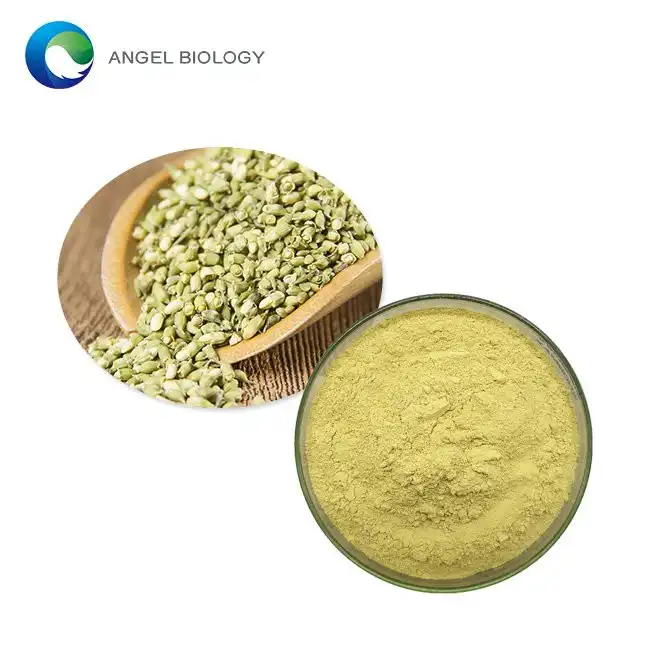




What is rye pollen extract, and how does it help the prostate?
Rye pollen extract is a botanical ingredient produced from the pollen of Secale cereale (rye). It has attracted attention in the men's wellness ingredient market because certain standardized rye pollen preparations have been investigated in research involving urinary comfort and prostate-related health. However, the available findings are limited and should not be interpreted as proof that all rye pollen extracts produce the same effects or can treat prostate conditions.
Rye pollen extract is used by manufacturers as an ingredient in men's wellness and urinary health formulations. Its composition may include amino acids, peptides, flavonoids, phytosterols, fatty acids, and other naturally occurring compounds. The actual profile depends on botanical origin, pollen processing, extraction methods, and standardization. Rather than treating it as a medical solution, buyers should evaluate it as a botanical formulation ingredient and review the supporting documentation for each batch. This guide explains its source, production, research background, applications, and key purchasing considerations.
What Rye Pollen Extract Is and How It Is Made
Botanical Source and Definition
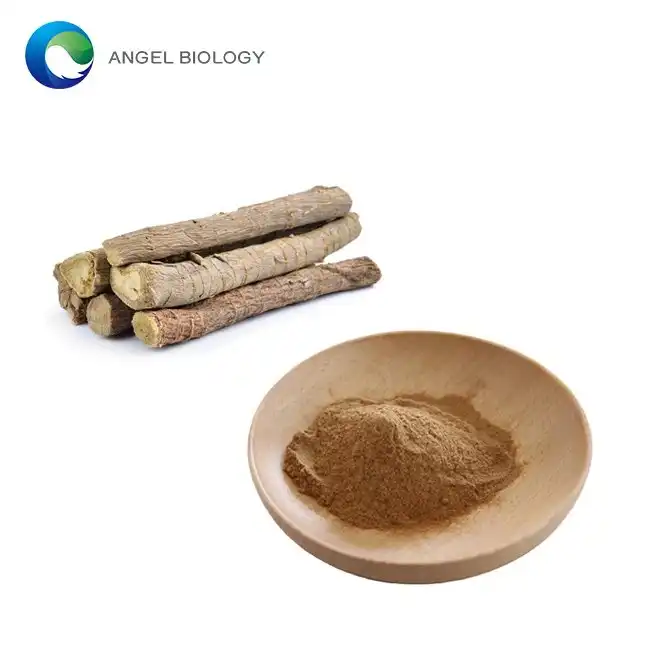
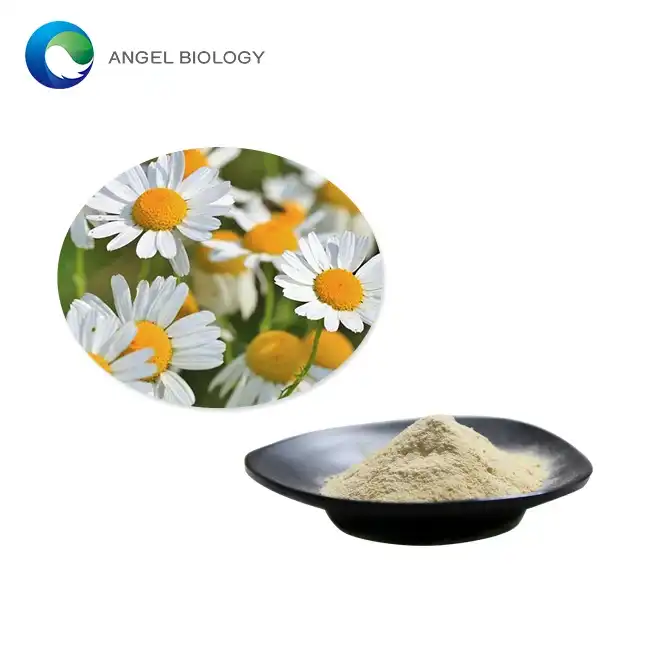
Rye pollen extract is prepared from pollen collected from the Secale cereale plant. It may also be described commercially as rye flower pollen extract. Both names generally refer to pollen-derived material, but buyers should confirm the botanical identity and plant part in the supplier's product specification.
Rye pollen should not be confused with rye grass juice, rye grain, or rye bran. These materials come from different parts of the plant and have different chemical compositions and processing characteristics. They are not interchangeable in formulation.
Depending on the extraction process, rye pollen extracts may contain different proportions of water-soluble and lipid-soluble constituents. Water-soluble fractions may contain amino acids, peptides, and certain flavonoids, while lipid-soluble fractions may contain phytosterols, fatty acids, and phospholipids. These descriptions are general compositional characteristics, not guaranteed specifications for every product.
Angelbio's technical product information describes different constituent profiles for its available fractions. Buyers should confirm the actual composition, extraction method, and standardization parameters of the specific grade they intend to purchase. Understanding the plant part, fraction, and extract ratio helps formulators select a suitable ingredient for their product format.


From Pollen to Powder: The Manufacturing Steps
The production process begins with rye pollen obtained from an identified and traceable source. Raw-material evaluation may include botanical identification, supplier records, pesticide screening, heavy-metal testing, and checks on harvesting and storage conditions.
After raw-material acceptance, the pollen is processed according to the selected extraction method. Typical manufacturing stages may include cleaning, drying, extraction, filtration, concentration, further drying, blending or standardization, and packaging. The exact sequence depends on the product specification and manufacturing process.
Extraction methods may include water-based extraction, solvent extraction, or supercritical carbon dioxide extraction. Not every supplier uses the same solvent system, so buyers should request a solvent statement and relevant residual-solvent results when applicable.
Some processing methods may also disrupt or remove the outer pollen wall to improve access to certain pollen constituents. This treatment can influence the physical and formulation characteristics of the final material. Buyers should ask whether pollen-wall treatment is included and how the process is described in the technical documentation.
A clear understanding of the manufacturing process is important because extraction and drying conditions may affect the powder's colour, aroma, solubility, dispersibility, composition, and stability. These characteristics should be evaluated against the intended application rather than assumed to be identical across all rye pollen products.
Quality Control Checks for Every Batch
A reliable quality evaluation should combine botanical identification, compositional analysis, contaminant testing, and batch documentation. Depending on the product specification, analytical methods such as HPLC or other suitable chromatographic techniques may be used to examine characteristic constituents. Additional tests may cover alpha-amino acids, phytosterols, moisture, and other selected parameters.
According to the product information provided for Angelbio's rye pollen extract, its stated technical specifications include alpha-amino acids above 6.0%, phytosterols above 0.08%, and loss on drying below 5.0%. These values should be treated as product-specific specifications, not universal standards for all rye pollen extracts. Buyers should confirm the current specification and corresponding analytical methods before placing an order.
Contaminant testing may include heavy metals, pesticide residues, mycotoxins, and residual solvents, depending on the source materials, extraction process, and destination-market requirements. Microbiological testing is also important. Product specifications may define limits for total plate count, yeast and mould, and specified microorganisms such as Salmonella and E. coli.
For example, Angelbio's stated product information includes a total plate count limit below 1,000 CFU/g and specified absence requirements for Salmonella and E. coli. Buyers should verify these limits against the current product specification and batch certificate of analysis (COA). Before accepting a lot, compare the latest COA with the agreed specification and confirm that the reported results correspond to the actual batch supplied.
How Rye Pollen Extract Fits into Prostate and Urinary Wellness Formulas
Where It Fits in Prostate Wellness Formulas
Rye pollen extract is used in botanical formulations positioned around men's wellness and urinary health. Its presence in these products is linked to research interest in certain standardized pollen preparations, but this does not establish that every commercial extract improves urinary function or produces a clinical benefit.
Formulators may combine rye pollen extract with other botanical ingredients, such as saw palmetto or pygeum, depending on the product concept and target market. The selection should be based on ingredient identity, compositional compatibility, available evidence, and formulation requirements rather than assuming that combining ingredients guarantees a stronger effect.
Different fractions may also suit different delivery formats. For example, lipid-soluble fractions may be considered for softgels or oil-based formulations, while other grades may be evaluated for capsules, tablets, or powder blends. The actual choice depends on solubility, dispersibility, sensory properties, and processing performance.
For products sold in the United States and other regulated markets, marketing language should be reviewed against applicable requirements. Claims should accurately describe the ingredient and the finished product, remain within the permitted scope, and be supported by relevant evidence. Avoid presenting rye pollen extract as a treatment, prevention, or cure for a prostate or urinary condition.
What the Research Reports
Research on rye pollen preparations has included studies examining urinary comfort and prostate-related outcomes. However, evidence from a particular standardized preparation should not automatically be applied to every rye pollen extract on the market. Differences in extraction, composition, dosage, and product standardization can affect how relevant a study is to a commercial ingredient.
A Cochrane review published in 2000 assessed four trials involving a total of 444 male participants who used a specific pollen preparation. Some reported urinary symptoms showed improvement in the reviewed studies, including self-reported measures. However, the trials were relatively small and short, and the review did not establish consistent improvements in objective measures such as urinary flow rate, residual urine volume, or prostate size.
Laboratory research published in 1991 also investigated the effects of a rye pollen extract on the arachidonic acid pathway. This is a biochemical pathway involved in the production of various signalling molecules. Laboratory findings can help explain possible areas of research interest, but they do not demonstrate a clinical effect in people or establish the performance of every commercial extract.
Overall, the research provides a background for understanding why certain rye pollen preparations have attracted interest in men's wellness formulations. It does not justify broad claims that rye pollen extract improves prostate health, treats urinary conditions, or produces predictable results in consumers. Buyers and product developers should distinguish between research on specific preparations, laboratory findings, and evidence for the actual ingredient being sourced.
Rye Pollen Extract Nutritional Profile and Bioactive Compounds
Rye pollen extract may contain a range of naturally occurring compounds, including flavonoids, amino acids, peptides, fatty acids, phospholipids, phytosterols, proteins, enzymes, vitamins, and minerals. The actual composition varies according to the plant variety, growing conditions, harvesting period, raw-material handling, extraction ratio, drying process, and storage environment.
Research on pollen materials has reported the presence of phenolic compounds, proteins, lipids, and carbohydrates. However, findings from bee pollen or other pollen sources should not be treated as a direct compositional specification for rye pollen extract. Different botanical sources and processing methods can produce substantially different profiles.
For commercial standardization, buyers should identify the marker compounds or compositional parameters relevant to the selected grade. A standardized extract can offer defined acceptance criteria for specified constituents, while a non-standardized extract may require additional batch-level analysis to assess compositional consistency.
When comparing suppliers, review the analytical methods, reference standards, testing basis, and stability data. These details help establish what is present in the material and whether the composition remains consistent across production batches.
Rye Pollen Extract Benefits, Uses, and Product Formats
Common Applications
Rye pollen extract is mainly considered for botanical formulations in the men's wellness and urinary health ingredient category. It may also be evaluated in multi-ingredient botanical blends and other supplement concepts where its pollen-derived composition is relevant to the product positioning.
According to Angelbio's product information, certain grades are designed for different formulation requirements, including powder blends and liquid systems. Buyers should verify the solubility and dispersion characteristics of the specific grade before selecting it for a beverage or other liquid application. A product's ability to remain dispersed without visible precipitation should be confirmed through testing under the intended formulation conditions.
Different fractions may also be evaluated for capsules, tablets, and softgels. Lipid-soluble fractions may be more suitable for oil-based systems, while other powder grades may be considered for dry blends. Each application requires a separate assessment of sensory properties, stability, processing conditions, and compatibility with other ingredients.
The most suitable grade should therefore be selected according to the finished product's technical requirements. Buyers should request samples and conduct preliminary formulation trials before moving to larger production volumes.
Powder, Capsule, and Fermented Options
Bulk rye pollen extract powder gives formulators flexibility in blending, dosage adjustment, and packaging, although additional processing may be required for the finished product. Angelbio offers extracts with different raw-material-to-extract ratios, including 20:1 to 63:1, depending on the product specification. These ratios should be evaluated alongside the assay results and actual composition, since an extract ratio alone does not establish the concentration of specific constituents.
For ready-to-market products, capsules and tablets provide convenient unit-dose formats. In liquid formulations, lipid-soluble components may require emulsification or encapsulation to improve dispersion and formulation stability.
Fermented and non-fermented extracts can be compared according to their raw-material sources, processing methods, solubility, sensory characteristics, microbiological specifications, and compositional analysis. However, fermentation status or product format alone does not demonstrate superior quality or effectiveness. The appropriate option depends on the intended application, target market, and documented product characteristics.
How It Compares With Other Ingredients
To avoid purchasing errors, buyers should compare ingredients according to botanical origin, plant part, composition, available evidence, and allergen profile.
Bee pollen is collected by bees from different flowering plants and has a different botanical composition from rye pollen. Rye grass extract is generally made from the green parts of grass plants rather than pollen. Saw palmetto, by contrast, is a fruit-derived botanical ingredient and is sometimes included in the same men's wellness formulations as rye pollen extract. These ingredients are not interchangeable and should be evaluated separately.
Organic and conventional extracts may differ in raw-material sourcing, documentation, availability, and price. Organic status does not automatically indicate a higher concentration of active constituents or better formulation performance. Before selecting a product, verify botanical identity, extraction method, standardization, COA results, stability information, raw-material origin, and relevant documentation for the target market.
Rye Pollen Extract Safety, Sourcing, and Supplier Selection
Safety, Dosage, and Allergen Documentation
The suitability of rye pollen extract depends on its composition, intended application, product quality, and the requirements of the finished product. Extract ratios and marker levels can vary, so there is no single dosage that can be applied to every commercial extract or formulation.
Published studies on specific pollen preparations have used different daily amounts, including approximately 126 mg to 378 mg in certain research settings. These study amounts should not be treated as universal recommended dosages for all rye pollen extracts. Product developers should evaluate the actual extract specification, relevant evidence, intended market, and applicable requirements before establishing a finished-product serving level.
Rye is a cereal associated with gluten, but the gluten status of a pollen-derived ingredient should be determined through appropriate testing and assessment of potential cross-contact during collection and processing. Buyers should request validated gluten test results and relevant allergen statements before making a gluten-free claim.
The supplier should also provide information about possible cross-contact with other allergens and the measures used to assess and manage it. If the product is intended for consumers with pollen, grass, or cereal allergies, the finished-product developer should carefully assess the ingredient's suitability and labelling requirements. A supplier's general product description should not replace a documented allergen evaluation.
How to Choose a Rye Pollen Extract Supplier
Start by defining the purchasing requirements. Private-label projects, research batches, bulk ingredient orders, and customized formulations may require different levels of technical and commercial support.
When assessing suppliers, review their raw-material traceability, product specifications, analytical capabilities, batch documentation, production capacity, MOQ, and lead times. Relevant quality and food-safety documentation should also be checked for scope, validity, and applicability to the intended product and destination market.
Technical support is another important consideration. OEM and contract manufacturers may need assistance with sample evaluation, formulation trials, packaging options, label information, stability data, and export documentation. Buyers should confirm which documents can be supplied for each shipment and how the supplier manages changes to product specifications or production processes.
Before placing an order, request a representative sample, botanical specification, plant-part information, extraction ratio, standardization details, batch COA, shelf-life information, and relevant certificates or declarations. A supplier that provides clear and consistent documentation can make the ingredient evaluation and purchasing process more efficient.
Evaluating a Product Before You Buy
Before approving a rye pollen extract, confirm its botanical name, plant part, origin, extraction process, extract ratio, standardization parameters, carrier materials, storage conditions, and batch identification. These details form the basis for comparing products from different suppliers.
A useful technical documentation package may include a product specification sheet, batch COA, microbiological results, heavy-metal and pesticide-residue data, allergen statement, residual-solvent information where relevant, and product stability data. The analytical methods and testing basis should be clear enough for the buyer to interpret and compare the results.
Be cautious about unsupported terms such as "clinically proven," "guaranteed," or "gluten-free" when the supplier cannot provide relevant evidence. Different buyers also have different priorities. Distributors may focus on documentation, shelf life, and supply continuity; manufacturers may prioritize batch consistency and formulation performance; research teams may need reproducible analytical results; and OEM customers may require flexible packaging or product specifications.
Matching the documentation and product characteristics to the intended application can reduce uncertainty during sample evaluation and help prevent problems after the first purchase.
Conclusion
Rye pollen extract is a botanical ingredient obtained from the pollen of Secale cereale. It has been investigated in research involving urinary comfort and prostate-related health, particularly in certain standardized pollen preparations. However, the available evidence is limited and cannot establish that every commercial rye pollen extract produces the same outcomes or can treat prostate conditions.
Its composition may include amino acids, peptides, flavonoids, phytosterols, fatty acids, and other naturally occurring compounds. The actual profile depends on botanical source, extraction method, processing conditions, and standardization. Powder, capsule, tablet, softgel, and liquid formulations may be considered depending on the grade and application requirements.
For buyers, the most important factors are botanical identity, extraction ratio, marker specifications, batch COA, contaminant results, allergen information, and stability data. Gluten status should be confirmed through appropriate testing rather than inferred from the ingredient name alone. By reviewing product documentation, evaluating representative samples, and matching specifications to the intended formulation, buyers can make more informed sourcing decisions and select a rye pollen extract that meets their technical and commercial requirements.
FAQ
1. Is rye pollen extract the same as rye grass extract?
No. Rye pollen extract is produced from pollen collected from Secale cereale. Rye grass extract is generally obtained from the green plant parts. Their botanical materials and chemical compositions differ, so they should not be used interchangeably without confirming the intended ingredient specification.
2. Does one dose fit every product?
No. The appropriate amount depends on the extract ratio, composition, standardization, formulation, and intended market. Some published studies on specific pollen preparations used approximately 126 mg to 378 mg per day, but these amounts are not universal dosage recommendations for all commercial rye pollen extracts. Product developers should evaluate the actual ingredient and supporting evidence before setting a serving level.
3. Can I assume the extract is gluten-free?
No. The botanical source is rye, a cereal associated with gluten, but the gluten status of a pollen-derived ingredient must be assessed through appropriate testing and cross-contact evaluation. Request validated test results and supplier documentation before making any gluten-free label claim.
4. What documents should I request?
Request a product specification sheet, batch COA, botanical identity information, allergen statement, pesticide and heavy-metal results, microbiological data, stability information, and a residual-solvent statement where relevant. These documents help buyers evaluate product composition, safety-related specifications, and batch consistency.
Request Rye Pollen Extract Samples From Angelbio
Angelbio supplies rye pollen extract for supplement and botanical formulation projects. With more than 18 years of experience in ingredient research and development, Angelbio provides product specifications, sample support, and batch-level quality documentation to help buyers evaluate ingredient suitability.
Whether you are sourcing bulk powder, comparing extract ratios, or developing a customized formulation, share your required specifications, estimated order volume, intended application, and target market with our team at angel@angelbiology.com. We can provide available technical information, sample details, MOQ, lead time, and a quotation to support your purchasing evaluation.

References
1. Cernilton for Benign Prostatic Hyperplasia. Cochrane Database of Systematic Reviews, 2000.
2. Treatment of Outflow Tract Obstruction Due to Benign Prostatic Hyperplasia with the Pollen Extract, Cernilton. British Journal of Urology, 1990.
3. Inhibition of Arachidonic Acid Cascade by Extract of Rye Pollen. Arzneimittelforschung, 1991.
4. Clinical Evaluation of Long-Term Treatment Using Cernitin Pollen Extract in Patients with Benign Prostatic Hyperplasia. Clinical Therapeutics, 1995.
5. Bee Pollen: Chemical Composition and Therapeutic Application. Evidence-Based Complementary and Alternative Medicine, 2015.
6. A Pollen Extract (Cernilton) in Patients with Inflammatory Chronic Prostatitis–Chronic Pelvic Pain Syndrome: A Multicentre, Randomised, Prospective, Double-Blind, Placebo-Controlled Phase 3 Study. European Urology, 2009.