



What is sodium hyaluronate in skin care?
One of the most cutting-edge ingredients in contemporary skin care is sodium hyaluronate. It has changed everything about how we make moisturizers and items that fight age. That which keeps water in is hyaluronic acid sodium salt. People who want to make high-performance skin care products use this ingredient a lot because it can hold up to 1,000 times its own weight in water. Sodium hyaluronate is more stable than hyaluronic acid and can go deeper into the body. Because of this, it is perfect for deeply hydrating and keeping the quality of beauty products in a lot of different ways.
Understanding Sodium Hyaluronate: Definition and Function
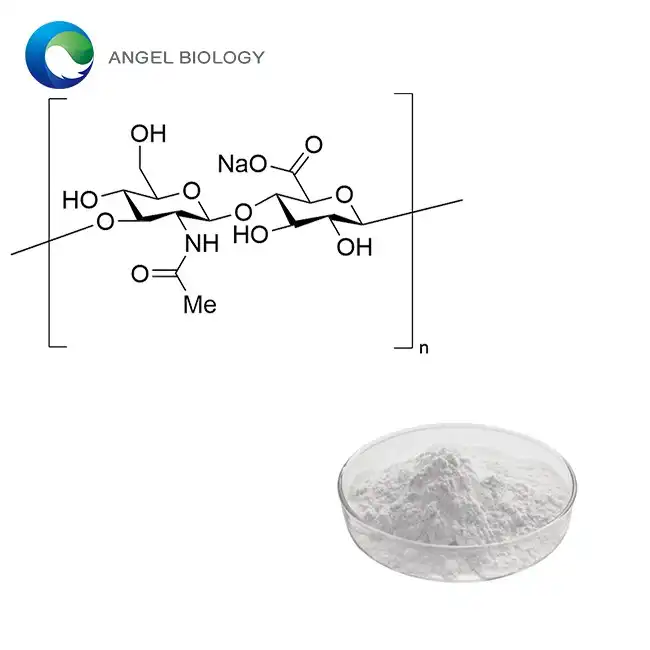
When you know about the science behind Sodium Hyaluronate, you can see why it is such an important part of professional skin care products. This glycosaminoglycan is found naturally and is made up of repeating disaccharide units of D-glucuronic acid and N-acetyl-D-glucosamine. In this way, chemicals are arranged in a way that keeps water in cells and helps them heal.
Chemical Structure and Molecular Properties
Changes in sodium hyaluronate's molecular weight have direct effects on how it works on the skin. High molecular weight versions protect the top layer of skin by forming a film that instantly soothes and smooths it. On the other hand, low molecular weight types go deeper into the stratum corneum and help make collagen. They also help cells heal.
Modern ways of making things use bio-fermentation processes, which generally involve Streptococcus zooepidemicus. This takes away the worry of cross-species contamination while keeping the quality the same. This method meets important needs in the beauty business for vegan and halal goods, so it can be used for formulas all over the world.
Mechanism of Action in Skin Care
The effectiveness of sodium hyaluronate stems from its unique ability to work on many levels of cells at the same time. It makes a layer that keeps moisture in and stops water loss through the skin when you put it on. Along with that, its smaller chemicals get into skin cells and keep them moist. This two-way process is what makes formulations with this chemical always do better in tests than formulations with other humectants.
Studies reveal that sodium hyaluronate also changes the activity of fibroblasts. This helps the skin's natural repair processes by making more organic hyaluronic acid. It is good for both short-term and long-term skin health because it helps the skin become more flexible and strong over time.
Key Benefits and Uses of Sodium Hyaluronate in Skin Care Products
Because it can treat several skin problems at once, Sodium Hyaluronate is extremely useful in makeup. Formulators in the business world like how well it works with different active ingredients and how stable it is at different pH levels and temperatures.
Superior Hydration Performance
Studies have shown that sodium hyaluronate hydrates the skin more than glycerin and aloe vera. Because of the way its chemicals are structured, it releases water slowly over time. This means that things that are made correctly can stay wet for up to 72 hours. It's great for products for dry or sensitive skin that need to keep them moist for a long time because it lasts longer.
It can pull moisture from the air and keep skin from drying out at the same time because it is hygroscopic. This two-part method gives the skin just the right amount of wetness, which helps the barrier function and makes the skin look and feel better overall.
Anti-Aging and Skin Repair Benefits
Sodium hyaluronate not only keeps skin hydrated, but it also fights aging very well by smoothing out fine lines and supporting the skin's structure. Not only does the ingredient make skin look smoother right away, but it also fights aging over time by increasing the production of collagen.
When used every day for 28 days, products with sodium hyaluronate change how hard and flexible the skin is. It can also help with acne spots and other skin problems, which makes it a useful ingredient for many skin care products.
Safety Profile and Skin Compatibility
Many skin types can use sodium hyaluronate without any problems. Even skin that is sensitive or reacts well is safe to use. Clinical tests show that there is almost no chance of pain or allergic reactions, and tolerance rates are higher than 99% in a lot of different groups of people. Because it can handle a lot, it can be used in everyday items and things for people with sensitive skin.
Choosing Sodium Hyaluronate for Your Skin Care Product Lines: A Procurement Perspective
To get Sodium Hyaluronate, you need to know about the quality factors that affect both how well the product works and how happy the customer is with it. A lot of things have to be looked at by professional sellers to make sure that product development goes as easily as possible. These include grade standards, molecular weight distributions, and the skills of the suppliers.
Grade Classifications and Applications
Sodium hyaluronate used in cosmetics generally has molecular weights between 10 kDa and 2,000 kDa. Each range is good for making things in its own way. Low molecular weight types (10–50 kDa) are better at getting into the skin for strong treatments and serums. High molecular weight types (800–2,000 kDa) work best in anti-aging and moisture creams that keep the skin's surface moist.
Materials that are used in medicine have to follow tighter quality rules and have endotoxin amounts lower than 0.05 EU/mg. In other words, they can be used in medical makeup or things that are meant to help heal skin layers that have been hurt. Formulators can pick the right grades for where the product will go and follow the law if they know these changes.
Critical Procurement Factors
The most important part of getting sodium hyaluronate is making sure the quality is good. Full records of analysis from reputable companies show molecular weight distribution, moisture content, cleanliness levels, and the outcomes of microbial tests. These standards have a direct effect on how well the product works and how safe the mixture is.
Sodium hyaluronate licenses from suppliers like ISO 9001, GMP compliance, and FDA show that they can make things that are of good quality all over the world. Having clear rules about batch testing and keeping track of paperwork helps all markets follow them and keeps the quality of the goods the same.
It is very important that the supply chain works well because sodium hyaluronate has special needs when it comes to production. Customers who buy from companies that have been around for a while and have a history of success can get expert advice, help with formulating, and a variety of packing options that can be used for different production sizes.
Sodium Hyaluronate vs. Competitors: Making the Right Choice for Your Business
There are a lot of important things you need to know about sodium hyaluronate compared to other soothing ingredients before you can put your product on the market. The research lets you develop products in a way that gives you the most competitive edge while still meeting certain design goals.
Comparative Performance Analysis
When compared to other humectants, sodium hyaluronate is better at keeping skin moist and going deeper into the skin. Glycerin is a good basic lubricant, but sodium hyaluronate is better at preventing wrinkles and adding volume. Aloe vera can also comfort, but it can't keep your skin moist for as long as sodium hyaluronate stuff can.
It was made in a way that is very different from hyaluronic acid, which shows some major problems. Both ingredients are good at keeping things moist, but sodium hyaluronate is more stable and dissolves more easily. This makes the product easier to make and lasts longer. With these technological advances, it is easier to make things and costs less to do so.
Synergistic Formulation Opportunities
To make full skin care products, formulators often mix sodium hyaluronate with active ingredients that work well with each other. It makes antioxidants more stable and gives the body the water it needs to absorb vitamin C better when mixed with vitamin C. Similarly, sodium hyaluronate's ability to soothe and moisturize helps lower the risk of pain when mixed with retinol.
Because these ingredients work well together, manufacturers can make one-of-a-kind products that can help with more than one skin issue in a single box. This helps you stand out as an expensive brand and gives buyers more for their money.
Practical Tips for Using Sodium Hyaluronate in Skin Care Formulations
You need to know the right dosage amounts and how to make sure that different kinds of cosmetics work well together in order to use Sodium Hyaluronate in makeup. With this information, formulators can make sure that the ingredients work as well as they can while also making sure that the product stays stable and the customer has a good experience.
Concentration Guidelines and Skin Type Considerations
Sodium hyaluronate concentrations that work are usually between 0.1% and 2.0%, but this can change based on the molecular weight and the use. Lower amounts (0.1 to 0.5%) are good for everyday items and skin care recipes that are sensitive. Higher amounts (1.0 to 2.0%) are better for treating and formulating dry skin because they deeply moisturize.
The pH of the mixture should stay between 6.0 and 8.0 so that sodium hyaluronate stays stable and works. The nutrient could break down or work less well if you go outside of this range. This would change the product's short-term and long-term effects.
Product Base Compatibility
Sodium hyaluronate mixes well with a lot of different makeup bases, like serums, creams, lotions, and oils. When added to serums, it gives skin a light, wetness that goes away quickly and doesn't leave any residue. It makes cream recipes better because it changes the texture and keeps the moisture in for a long time.
It's important to use the right breakdown methods and keep the temperature fixed while processing when you're making something. Soaking the ingredients slowly at temperatures below 40°C makes sure that all of them break down while still having the same biological activity and structure.
One important way to get the most out of a tool is to teach people how to use it. When used properly on slightly damp skin, hydration works better, and adding other active ingredients through layering can make the effects even better.
Conclusion
Now that you know what sodium hyaluronate does for skin care, you can see why it's an important part of modern makeup. Because it doesn't age quickly, keeps wetness in, and is safe, companies that want to make high-performance products that give measured results can use it a lot. The ingredient can be used in many different ways and mixes well with many different active ingredients, which helps with creating a full line of goods. When professionals buy something, it's helpful to look at molecular weight standards, source approvals, and quality assurance processes to get the best formulation results and make sure they're following the rules.
FAQ
1. What makes sodium hyaluronate different from regular hyaluronic acid?
Sodium hyaluronate offers enhanced stability and improved solubility compared to hyaluronic acid. Its smaller molecular structure allows for better skin penetration, while its salt form provides superior formulation compatibility and extended shelf life in cosmetic products.
2. How should sodium hyaluronate be stored to maintain its effectiveness?
Proper storage requires cool, dry conditions away from direct sunlight, with temperatures maintained below 25°C and humidity below 60%. Sealed containers keep wetness and germs from getting inside, so the ingredients stay clean while they are being stored.
3. Can sodium hyaluronate cause skin irritation or allergic reactions?
Tests on people have shown that sodium hyaluronate is very safe and doesn't cause most irritation or allergic reactions. It can be used in recipes for sensitive skin and in everyday goods for a lot of different people because it is safe.
Partner with Angelbio for Premium Sodium Hyaluronate Solutions
Angelbio is a trustworthy source for sodium hyaluronate because it has been doing its own research and development for 18 years and uses the most up-to-date bio-fermentation technology. Our sodium hyaluronate products for cosmetics and medicines are fully approved to meet the strictest quality standards around the world, including ISO and GMP compliance.
As an innovative company backed by Angel Holding Group and the Institute of Life and Health Research at Xi'an Jiaotong University. Our quality is the same from batch to batch, our prices are low for big orders, and we can help you with all of your recipe development needs. We keep coming up with new ways to make foods that are good for the environment because we care about all of humanity's health. Email our team at angel@angelbiology.com to tell us about your needs and learn how our high-quality sodium hyaluronate can help you make better products.
References
1. Papakonstantinou, E., Roth, M., & Karakiulakis, G. (2012). Hyaluronic acid: A key molecule in skin aging. Dermato-Endocrinology, 4(3), 253-258.
2. Bukhari, S. N. A., Roswandi, N. L., Waqas, M., Habib, H., Hussain, F., Khan, S., ... & Hussain, Z. (2018). Hyaluronic acid, a promising skin rejuvenating biomedicine: A review of recent updates and pre-clinical and clinical investigations on cosmetic and nutricosmetic effects. International Journal of Biological Macromolecules, 120, 1682-1695.
3. Fallacara, A., Baldini, E., Manfredini, S., & Vertuani, S. (2018). Hyaluronic acid in the third millennium. Polymers, 10(7), 701-724.
4. Jegasothy, S. M., Zabolotniaia, V., & Bielfeldt, S. (2014). Efficacy of a new topical nano-hyaluronic acid in humans. Journal of Clinical and Aesthetic Dermatology, 7(3), 27-29.
5. Pavicic, T., Gauglitz, G. G., Lersch, P., Schwach-Abdellaoui, K., Malle, B., Korting, H. C., & Farwick, M. (2011). Efficacy of cream-based novel formulations of hyaluronic acid of different molecular weights in anti-wrinkle treatment. Journal of Drugs in Dermatology, 10(9), 990-1000.
6. Stern, R., Asari, A. A., & Sugahara, K. N. (2006). Hyaluronan fragments: an information-rich system. European Journal of Cell Biology, 85(8), 699-715.