



What is sodium hyaluronate powder used for?
The cosmetics, medicines, nutraceuticals, and food businesses all use sodium hyaluronate powder as a multipurpose ingredient. This sodium salt form of hyaluronic acid is very good at keeping things moist, being stretchy, and being compatible with living things. It is valued by manufacturers who make vitamins for joint health, anti-aging serums, eye drops, and wound care products. It is more stable than liquid hyaluronic acid, which makes it perfect for many uses that need precise molecular weight control and consistency from batch to batch in settings with lots of different ingredients.
Understanding Sodium Hyaluronate Powder
The world of ingredients needs raw materials that are both effective and easy to use in different ways. Choices about ingredients have a direct effect on how well a product works and how much trust customers have in it.
Chemical Structure and Production Methods
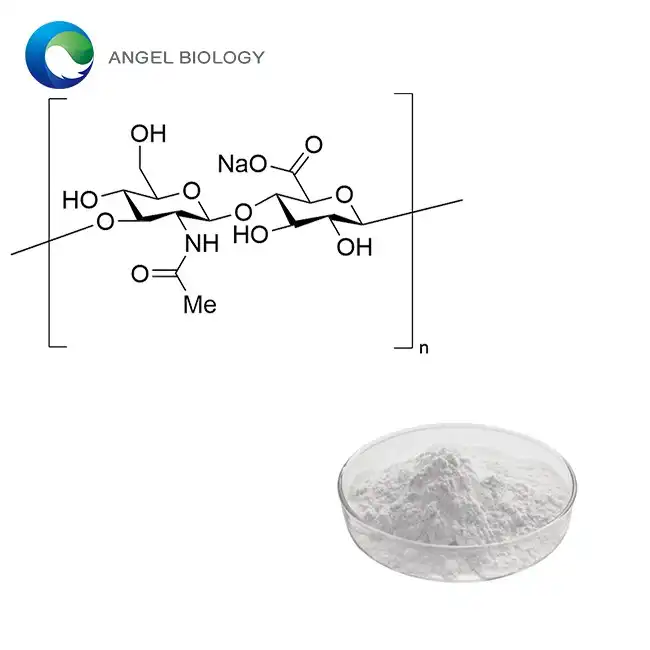
A glycosaminoglycan molecule is made up of repeated disaccharide units of D-glucuronic acid and N-acetyl-D-glucosamine. Streptococcus zooepidemicus is used in bio-fermentation for modern production instead of rooster combs for traditional animal extraction. This bacteria fermentation method gets rid of the risk of cross-species contamination and makes sure that the product is vegan and halal. The powder that was made has the CAS number 9067-32-7 and molecular weights that range from 5 kDa to over 2,000 kDa. This gives formulators exact control over the functional qualities.
Molecular Weight Impact on Performance
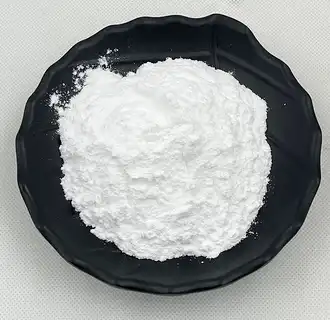
The molecular weight affects how deeply something penetrates and how it works in an application. High molecular weight versions that are bigger than 1,000 kDa form protective surface films on skin and tissues. These films stop trans-epidermal water loss while still letting the skin breathe. Medium-weight choices, ranging from 50 to 1,000 kDa, balance water on the top with mild penetration. Low molecular weight forms (less than 50 kDa) can get through the stratum corneum and help make pro-collagen and fix cells. This variety lets R&D teams create performance patterns that match particular product claims and what customers expect.
Stability Advantages Over Liquid Forms
The powder shape has real benefits for both the sourcing and formulation teams. A longer shelf life of 24 to 36 months when stored properly lowers inventory risk and loss. Shipping costs are lower because they are lighter and take up less space than wet solutions. The powder stays active over a wider range of temperatures while it is being stored and transported. Formulators replenish it at the amounts they want, which keeps it fresh and stops it from breaking down too quickly. These useful benefits mean that costs will go down and quality will be guaranteed all along the supply chain.
Key Uses and Benefits in Various Industries
As more brands realize how useful this ingredient is, the market for it keeps growing. We see a rise in the use of natural, beneficial active ingredients in many different areas.
Cosmetics and Personal Care Applications
Skincare is the treatment area with the most uses. High molecular weight versions make films that are transparent and keep moisture in while blocking pollution in the environment. Most beauty serums have amounts between 0.5 and 2%, which is where the ingredient pulls up to 1,000 times its own weight in water. Anti-aging products use a "4D hyaluronic matrix" method that combines different molecular weights to moisturize the skin's surface and repair it from the inside out at the same time. Its mild, non-irritating formula makes it good for eye creams that are used on sensitive skin around the eyes. It is the main humectant used in sheet masks, which deeply moisturizes the skin during treatment times.
Pharmaceutical and Medical Device Integration
The flexible qualities of this ingredient are used in ophthalmic viscosurgical devices to keep the anterior chamber depth and protect the corneal endothelium during cataract surgery. Artificial tears use the fact that tear fluid doesn't behave like a Newtonian fluid—it stays thick when the eye is open but thins when you blink—to keep your vision clear. When someone with osteoarthritis gets an intra-articular injection, high molecular weight or cross-linked versions of sodium hyaluronate powder are used to restore the viscosity of synovial fluid. This makes the fluid cushion and lubricate broken joints. Pharma-grade sodium hyaluronate powder must have endotoxin levels below 0.05 EU/mg, which makes sure that patients are safe when it is used for injectable purposes.
Nutraceutical and Functional Food Uses
"Beauty-from-within" vitamins use food-grade powder in pills and tablets to moisturize the skin from the inside out. It is mixed with glucosamine and chondroitin sulfate in joint health products to help keep connective tissue moist and allow it to move. Oral types, on the other hand, have to stay bioavailable even though they are broken down by stomach acid. It is added to functional drinks to help skin stay flexible and joints feel better. The powder form can handle being compressed into tablets and mixes evenly in dry supplement structures, which are technical issues that liquid forms can't fix.
Emerging Applications in Wound Care
Biomaterials like these are used in advanced wound treatments to keep healed areas moist and help tissues grow back. Its power to control inflammation and encourage fibroblast migration speeds up the healing of long-term scars. It is used in goods for recovering from surgery to lessen scars and improve the way the skin looks. Because the chemical is biocompatible and biodegradable, it can be used directly on flesh without causing any problems. Medical formulators like that it can be used as both a carrier for other active ingredients and a healing agent on its own.
How to Use Sodium Hyaluronate Powder Effectively?
To make a product successfully, you need to know about formulation factors and handling issues. Best practices have been improved over the years by working together with clients on technology.
Molecular Weight Selection For Target Applications
The success of a product depends on picking the right molecular weight. 10–50 kDa versions that enter well help serums that aim for deep hydration. Face creams with 100–300 kDa medium-weight choices have the best feel. High-weight forms with 800 kDa to 1,500 kDa are needed for occlusive moisturizers and protective shields. Medical goods that are injected need sterile materials that are more than 1,000 kDa and have certain rheological qualities. Supplement companies usually choose 5-130 kDa for solubility when taken by mouth. Knowing these factors helps R&D leaders choose the right materials when they are buying them.
Optimal Concentration Guidelines
Concentration levels depend on the type of product and the benefits that are wanted. At 0.5 to 1%, lightweight serums work well to hydrate the skin without making it feel sticky. For the best moisture preservation, intensive treatment solutions may reach 1.5 to 2%. Formulations for eye contours stay below 1% so that too much water doesn't cause puffiness. Based on the medical purpose, pharmaceutical products must meet certain pharmacopeia standards. Oral vitamins usually have between 80 mg and 200 mg per daily dose. Going over the recommended amounts loses material without providing any extra benefits and could negatively impact the texture of the result.
Proper Storage and Handling Protocols
Controlled keeping conditions are needed to keep the purity of the ingredients. As long as the powder stays in covered containers at 15–25°C and below 60% relative humidity, it will not change. When something is exposed to water, it clumps and partially hydrates, which makes it less useful. Once packages are opened, they should be resealed right away using desiccants to get rid of any remaining wetness. Stay away from temperatures above 40°C for a long time, as they may cause some degradation. Cross-contamination can't happen when you use clean, dry tools. These easy protocols make sure that performance is the same across production batches and increase the time that products can be used.
Procurement Insights for Sodium Hyaluronate Powder
Decisions about strategic buying affect the standard of the product, how much it costs, and where it stands in the market. We walk buying teams through the factors for critical evaluation.
Quality Certifications and Purity Standards
Suppliers with a good reputation keep their GMP certification up to date, which shows that they have controlled production settings and recorded quality systems. ISO 9001 and ISO 22716 standards show that the process is consistent and that quality management is used for cosmetics. Halal and Kosher approvals help brands reach more customers from a wide range of demographics. The Certificate of Analysis for Sodium Hyaluronate Powder should show that the product is more than 95% pure and that the amounts of heavy metals, microbes, and endotoxins are within the limits set by international standards. An additional guarantee comes from being registered with the FDA (for US sellers) or following the rules for cosmetics in the EU. By asking for third-party testing proof, you can keep low-quality goods from getting into your supply chain.
Molecular Weight Range Availability
Some of the best sources have a wide range of molecular weights, from very low to very high. Because of this, formulators can get different weights from the same supplier, which makes transportation and quality control easier. Some makers offer special molecular weight mixes that are best for certain uses, so you don't have to do the blending yourself. Check to see if the suppliers can regularly deliver the weight amounts you've asked for across multiple orders. To make sure that the mixture can be used again and again, the difference between batches should not be more than 10% of the goal molecular weight. Suppliers who have their own analytical tools can give you specific molecular weight distribution data that can help you with the growth of your product.
Price Evaluation and Bulk Purchasing Strategies
Prices change a lot depending on the molecular weight, pure grade, and size of the order. Ultra-low molecular weight versions are more expensive because they require more processing steps. Because it has to go through more tests, material for pharmaceutical use costs more than material for cosmetic use. Requesting samples lets you test the formula before committing to buying a lot of it. A lot of sellers have different prices for different order sizes, with big savings for orders of 25 kg, 100 kg, and 500 kg. Setting up yearly supply deals locks in good prices and makes sure that there is enough inventory during times of high production. Clear quotes that include shipping costs, border paperwork, and payment terms make it easier to compare prices between providers.
OEM Services and Custom Formulation Support
In addition to providing raw materials, experienced producers offer services that add value. Brands can release goods without having to invest in production facilities when they use private labeling. Custom recipe development shortens the time it takes for new ideas to reach the market. Tech support teams help with things like testing for security, checking for compatibility, and making sure that legal paperwork is correct. Some sellers keep facilities that are FDA- or EU-compliant, which makes it easier to sell their goods in foreign markets. These relationships are especially helpful for companies that don't have a lot of R&D resources on their own, or that want to quickly add more products to their line.
Comparison and Decision-Making: Sodium Hyaluronate Powder vs. Alternatives
Knowing the different kinds of ingredients available helps you make smart buying choices that are in line with your product strategy. We look at the most important differences that affect the results of design.
Hyaluronic Acid vs. Sodium Hyaluronate
Even though these materials are chemically similar, they have different qualities. Hyaluronic acid in its acid state doesn't mix well with water, and its pH isn't stable, which makes manufacturing processes difficult. The sodium salt dissolves better in water across a wider pH range (3–9), which makes it easier to use in a variety of formulations. The shelf life of the finished product is longer because the salt form is more stable. Both are good for your skin in similar ways, but the sodium version is better for most industrial uses because it is easier to process. Since there aren't many changes in cost, the sodium form should be chosen by default.
Natural vs. Synthetic Production Sources
In the past, animal-based extraction from rooster combs was common. Now, bacterial fermentation is more common. Material from fermentation gets rid of the worries about allergens that come with animal proteins. It is easier to keep the molecular weight constant with fermentation than with extraction variations. Claims that a product is vegan or doesn't test on animals are appealing to ethical customers and help brands place themselves. It's easier to follow the rules when fermentation processes don't involve worrying about diseases that can be passed on. Some niche brands stress "natural animal sources," but fermentation is the current standard in the business and combines efficiency with ecology.
Alternative Hydrating Agents Comparison
Sodium hyaluronate powder and beta-glucan can help the defense system, but they don't hydrate the skin as much as sodium hyaluronate does. For a lower price, glycerin is a great humectant that doesn't have any of the more complex skin messaging qualities. Polyglutamic acid shows potential because it can hold more molecules, but it hasn't been studied as much, and there aren't many suppliers to choose from. Ceramides are great at repairing barriers, but they need to be made in a different way. A lot of new formulas use sodium hyaluronate with active ingredients that work well together to get even better results. The ingredient's long history of clinical use, governmental approval, and customer awareness keeps it as a standard for hydration that other ingredients are compared against.
Conclusion
Sodium Hyaluronate Powder is very useful in many different fields, such as cosmetics, drugs, nutraceuticals, and beneficial foods. Its high stability, exact molecular weight control, and excellent biocompatibility solve important formulation problems and meet customer demand for natural ingredients that work. When buying, teams know how to choose molecular weights, find the best concentration levels, and evaluate suppliers, they can find materials that improve product performance and market positioning. As clean-label trends and scientifically proven actives become more popular, this ingredient will still be important for brands that want to be innovative and provide the best quality products.
FAQ
1. Is sodium hyaluronate safe for all skin types?
Clinical tests show that it is very safe for people with normal, dry, oily, sensitive, and damaged skin. The ingredient doesn't clog pores or make acne worse because it's non-comedogenic. When mixed at the right amounts, irritation potential stays low. Allergic responses are very rare and are usually caused by impurities in the ingredient rather than the ingredient itself. It is often found in products for sensitive skin as a soothing and moisturizing ingredient. Medical-grade products go through strict biocompatibility tests to show that they are safe for tissues. Any remaining risk is kept to a minimum by carefully choosing suppliers who guarantee high purity.
2. What distinguishes powder from liquid forms?
In addition to its physical state, powder has a longer shelf life than solutions, lasting two to three years instead of six to twelve months. When you lose weight, you save a lot on transportation costs. By reconstituting powder at the right levels, formulators can carefully control the end concentration. Microbes can't get into powders as easily as they can get into pre-hydrated liquids. Liquids, on the other hand, are useful for small-scale output or easier preparation. Powder is usually preferred by large firms because it saves money and helps keep quality high.
3. How should opened containers be stored?
Put desiccant packets inside containers right after use to absorb moisture and reseal them right away. Keep things away from direct sunlight and heat sources in cool, dry places. Stay away from the bathroom and damp storage places where wetness can get in. As inventory runs out, move items to smaller containers to reduce room and air exposure. Label items that have been opened and try to use them within 12 months for the best results. By doing these things, you can keep the quality of the powder for a long time.
Partner with Angelbio for Premium Sodium Hyaluronate Powder
Angelbio is a reliable source for Sodium Hyaluronate Powder because it has done excellent research and development on its own for 18 years and works closely with the Institute of Life and Health Research at Xi'an Jiaotong University. Our bio-fermentation production guarantees pharmaceutical-grade quality for molecular weights ranging from 5 kDa to 2,000 kDa, meeting the strict requirements of people who are creating nutraceuticals, cosmetics, and medicines. We keep all of our licenses up to date, such as those for Kosher, Halal, and ISO standards. We also offer open OEM services, custom molecular weight blending, and full technical data to support global regulatory compliance. Our quality control methods make sure that each batch is the same, which is important for formulation managers. We also offer reasonable pricing that works for both new names and well-known makers. You can email our expert team at angel@angelbiology.com to ask for samples, talk about your specific molecular weight needs, or find out how our Sodium Hyaluronate Powder for sale can help you make your product stand out in markets that are getting more and more competitive.
References
1. Bukhari, S.N.A., Roswandi, N.L., et al. "Hyaluronic Acid, a Promising Skin Rejuvenating Biomedicine: A Review of Recent Updates and Pre-clinical and Clinical Investigations on Cosmetic and Nutricosmetic Effects." International Journal of Biological Macromolecules, 2018.
2. Papakonstantinou, E., Roth, M., Karakiulakis, G. "Hyaluronic Acid: A Key Molecule in Skin Aging." Dermato-Endocrinology, 2012.
3. Keen, M.A. "Hyaluronic Acid in Dermatology." Skinmed: Dermatology for the Clinician, 2017.
4. Fallacara, A., Baldini, E., Manfredini, S., et al. "Hyaluronic Acid in the Third Millennium." Polymers, 2018.
5. Ghazi, K., Deng-Pichon, U., Warnet, J.M., et al. "Hyaluronan Fragments Improve Wound Healing on In Vitro Cutaneous Model Through P2X7 Purinoreceptor Basal Activation." Journal of Dermatological Science, 2012.
6. Oe, M., Sakai, S., Yoshida, H., et al. "Oral Hyaluronan Relieves Wrinkles: A Double-Blinded, Placebo-Controlled Study Over a 12-Week Period." Clinical, Cosmetic and Investigational Dermatology, 2017.