



Ergothioneine: An Essential Molecule Derived from Mushrooms
In nature, ergothioneine is one of the strongest and least-known protective substances. A sulfur-containing amino acid derivative that is mostly found in mushrooms and some bacteria has been named a "longevity vitamin" by experts. Ergothioneine extract powder gives this bioactive molecule in a steady, concentrated form. It is a one-of-a-kind ingredient that helps cells deal with oxidative stress, which can be used by cosmetic chemists, functional food makers, and people who make nutraceuticals. L-ergothioneine is different from other antioxidants because it builds up in mitochondria and nuclei, where it protects cells for a long time. This makes it a great choice for differentiating products in markets where competition is high.
Understanding Ergothioneine: Nature, Benefits, and Mechanism
The Molecular Identity of Ergothioneine
The thione tautomer structure of L-ergothioneine (2-mercaptohistidine trimethylbetaine) is unique, with a carbon-sulfur double bond (C=S). This molecular feature makes it very stable against autoxidation, which is a problem that many plant antioxidants have to deal with all the time. L-ergothioneine is naturally made by some mushroom types, like shiitake, oyster, and king trumpet. However, the amounts change a lot depending on the type of mushroom and how it is grown. New fermentation technologies have made it possible to consistently produce high-purity material, which solves the problem of supply chain stability that comes with using wild-harvested ingredients.
The molecule is more stable than glutathione and vitamin C when the pH changes and the temperature goes up and down. During formation tests, L-ergothioneine keeps its shape at temperatures above 100°C, which means it can be used with hot-fill production methods. This resistance to heat directly turns into longer shelf life for finished goods, which is an important thing to think about when making high-end supplements or cosmetics that will be sold over a period of years.
Cellular Transport and Bioavailability Advantages
The OCTN1 (SLC22A4) transporter that L-ergothioneine uses makes it different from other antioxidants. This protein constantly moves L-ergothioneine across the membranes of cells, making sure that even small amounts are taken in properly. Once inside cells, the molecule only builds up in mitochondria, which are the structures most likely to be damaged by oxidative stress. There, it stays biologically active for about 30 days. This targeted delivery method solves the "bioavailability paradox" that many plant extracts have, where they show great activity in the lab but don't get to target tissues well.
Studies on humans show that taking L-ergothioneine by mouth raises blood plasma levels within hours, with the highest levels happening about four hours after taking the drug. The molecule easily passes the blood-brain barrier, which means it can be used in formulas for cognitive health. Tissue distribution studies show that the liver, kidneys, eyes, and skin are the systems that are most likely to be affected by oxidative stress. These pharmacokinetic features help figure out the best way to dose different types of products.
Multi-Dimensional Health Benefits
L-ergothioneine protects in more ways than just getting rid of free radicals. The molecule binds to metal ions that are pro-oxidant, mostly copper and iron. This stops Fenton reactions that make harmful hydroxyl radicals. L-ergothioneine's redox chemistry keeps it from having pro-oxidant effects, which can happen with some antioxidants in some situations. Researchers have shown that it can change inflammatory pathways by blocking TNF-α and other inflammatory cytokines. This means that it has effects beyond just being an antioxidant.
Studies that look at skin health show that L-ergothioneine can stop MMP-1 (matrix metalloproteinase-1), an enzyme that breaks down collagen when the skin ages. In models of skin that have been subjected to UV light, the compound greatly lowers DNA damage marks while keeping the integrity of the membrane. These processes explain why dermo-cosmetic brands are becoming more interested in natural photoprotectants as an option to synthetic ones. Another important benefit is that L-ergothioneine protects mitochondria and may help cells age in a healthy way by lowering oxidative damage to mitochondrial DNA.
Comparing Ergothioneine Extract Powder Options for B2B Buyers
Natural vs. Synthetic Production Methods
Businesses that buy in bulk have to choose between L-ergothioneine that comes from plants and L-ergothioneine that is made in a lab. Ergothioneine extract powder from natural extraction from mushroom-growing bodies is appealing because it is clean-label, but it can be hard to standardize and scale up. To get material from mushrooms that is pure enough for medicinal use, it has to go through a lot of cleaning steps. Also, the element profiles can change with the seasons. Fermentation-derived L-ergothioneine made with optimized microbial strains has become the most popular way to make it for commercial use. It offers consistency from batch to batch while still making claims about its natural origin that health-conscious customers like.
A third choice is synthetic chemical synthesis, which might be cheaper on a large scale. However, when synthetically made, the bioactive L-isomer configuration must be guaranteed, since racemic mixes can contain stereoisomers that are not bioactive. Synthetic routes also have trouble selling natural products, since more and more people are looking into where ingredients come from. It doesn't matter where the material comes from; it has to meet strict quality standards: high-quality materials should be at least 99% pure by HPLC, have a specific optical spin between +122° and +126°, and have less than 10 ppm of heavy metals. These factors make sure that the product works and follows the rules in all global areas.
Evaluating Synergistic Ingredient Combinations
Formulators are looking into more and more ways to combine L-ergothioneine's benefits. Pairing with Coenzyme Q10 takes care of two different but related parts of mitochondrial health. L-ergothioneine protects against oxidative damage, and CoQ10 helps the electron transport chain work. There is clinical proof that these two things work together to improve endothelial function and workout recovery. In the same way, mixing antioxidants with vitamin C or alpha-lipoic acid may improve how well the whole network works, but stable studies are needed to make sure that the products will still work together after they've been opened.
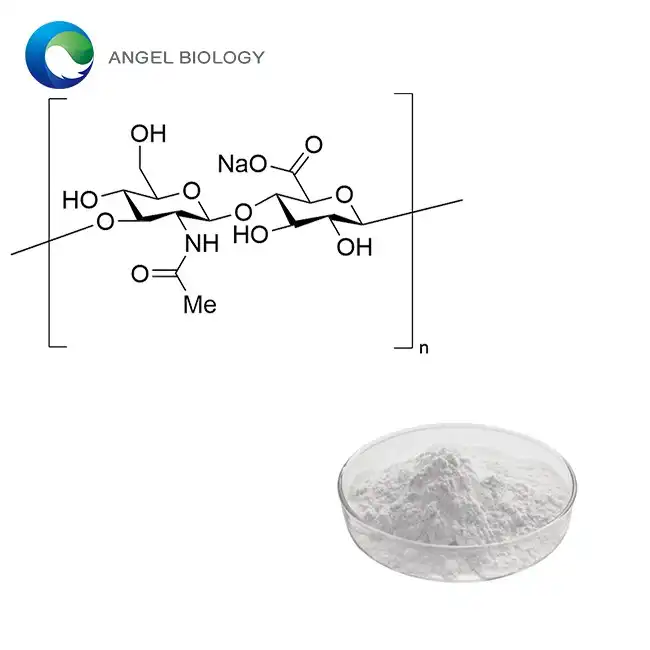
Combining L-ergothioneine with ceramides or hyaluronic acid is good for cosmetic use. While L-ergothioneine fights oxidative stress and inflammation, these other ingredients help the barrier function and keep the skin moist. These multi-mechanism methods set expensive skin care lines apart in markets that are already full. Functional beverage makers combine L-ergothioneine with adaptogens like rhodiola or ashwagandha to help people deal with stress in ways that work well together. When brands use these strategic combos, they can back up health claims that single-ingredient goods can't.
Certification and Quality Assurance Priorities
Teams in charge of buying things must give priority to sellers with strong quality systems. GMP (Good Manufacturing Practice) approval is a basic way to make sure that factories keep the right rules in place. The ISO 22000 certification means that food safety is managed in a complete way. This is especially important for nutrition and functional food uses. If they work with pharmaceutical markets, suppliers should show that they follow stricter rules like the USP (United States Pharmacopeia) summaries.
In addition to facility certificates, buyers should ask for full product paperwork, such as Certificates of Analysis showing testing of each batch, stability data showing how long the product will last in certain storage conditions, and allergen statements. More trust is gained from suppliers who offer full tracking, from the source of the raw materials to the finished powder. Testing by third-party, independent labs backs up what suppliers say and keeps buyers from having to deal with quality issues. Suppliers with a good reputation keep communication open about testing methods, acceptance standards, and how to handle deviations.
Procurement Insights: How to Source Ergothioneine Extract Powder Efficiently?
Identifying Reliable Supplier Partners
Getting L-ergothioneine starts with carefully evaluating the suppliers. Don't just look at the marketing papers; also check out the facilities for manufacturing, research and development, and quality control. Suppliers who have their own HPLC, LC-MS, and stability labs show that they care about quality above and beyond just meeting the basic requirements. Site audits, whether done by the company itself or by a third-party company, show operating facts that can't be judged by paperwork alone.
Longevity and skill of the supplier are very important. Companies that only deal with amino acid derivatives or chemicals made from mushrooms usually have more academic knowledge than companies that sell a wide range of ingredients. References from current customers are a great way to learn about how reliable a seller is, how good their technical help is, and how quickly they can respond to problems in the supply chain. Regulatory support services, like helping with GRAS decisions, Novel Food uses, or cosmetic safety studies, add a lot of value on top of the ingredient itself.
Understanding Pricing Structures and Volume Economics
The price of L-ergothioneine or ergothioneine extract powder depends a lot on the pure grade, the method of production, and the amount of the order. Pharmaceutical-grade material (≥99% purity) costs more than nutritional-grade material (≥95% purity), but both are still useful for most uses. Minimum order numbers usually run from 1 kg for samples to 25 kg for production orders. At 100 kg, 500 kg, and metric ton amounts, prices drop significantly. Most of the time, long-term supply deals get better prices and protect both sides' inventory.
Prices are affected by changes in the global supply chain that go beyond the cost of raw materials. Changes in currency, shipping costs, and import taxes make up big parts of the final cost for buyers from other countries. When it comes to logistics management, suppliers who offer ex-works, FOB, or CIF price models offer different risk-reward balances. Working capital needs are affected by payment terms, which can range from prepayment for new customers to net-60 terms for known accounts. Instead of just looking at the cost per kilogram of ingredients, total cost analysis should take all of these things into account.
Navigating International Logistics and Compliance
To do foreign business successfully, you need to pay attention to the paperwork, the packaging, and the conditions of transport. Harmonized tariff classification makes sure that the right duties are applied and that there are no delays at customs. Material Safety Data Sheets (MSDS), phytosanitary permits, and certificates of origin make it easier to get goods through customs. In some places, new ingredients need to be pre-approved or notified first, so it's important to talk about legal strategy with sellers before starting to buy.
Thinking about packaging helps keep ingredients stable during long trips. Pharmaceutical-grade polyethylene bags inside fiber drums or metal foil bags keep out light and wetness. For warm routes or summer transportation, temperature control may be necessary, but because L-ergothioneine is naturally stable, this isn't as important as it is for more fragile plants. Labels that are easy to read and include batch numbers, factory dates, and retest dates make it easier to keep track of supplies and check quality when they arrive.
Practical Guidelines for Using Ergothioneine Extract Powder
Dosage Recommendations Across Applications
Optimization of dosage strikes a balance between effectiveness, cost, and legal issues. Nutraceutical supplements usually have between 5 and 20 mg of L-ergothioneine per dose because studies have shown that biomarker increases can be measured in this range. Higher doses (20–30 mg) are found in special lifespan formulas that aim to protect against all types of oxidative damage. The upper end of this range may be used in sports nutrition items to deal with oxidative stress caused by exercise. Clinical studies that back these areas show that product claims are true during regulatory review or marketing efforts.
Cosmetics use smaller amounts because they are applied to the skin. Leave-on skin care items like serums and moisturizers have effective levels between 0.1 and 1.0%. Higher amounts don't always lead to better results because the skin's absorption systems get full. L-ergothioneine is used less (0.05–0.2%) in rinse-off goods like soaps because they don't stay on the skin for as long. Functional food uses depend a lot on the serving size and shape. For example, drinks might have 2–5 mg of functional ingredients per serving, while bars or chews might have 5–10 mg to provide real benefits without having a big effect on cost.
Formulation Compatibility and Stability Considerations
L-ergothioneine dissolves easily in water (about 0.9M at 25°C), which makes watery preparation easier. The chemical stays steady from pH 3 to 8, so it can be used in most cosmetics, supplements, and drinks. But places with very low or high pH levels or long-term contact with strong oxidizers may slowly break down the molecule. To confirm shelf life goals, formulators should do rapid stability studies in the settings where they plan to store the products.
Encapsulation methods provide extra safety in tough environments for Ergothioneine Extract Powder. Using lipid shells or cyclodextrin complexation to microencapsulate L-ergothioneine protects it from ingredients that don't work well with it while controlling how quickly it is released. These methods make it possible to add Ergothioneine Extract Powder to goods that already have potential enemies, like a lot of transition metals or strong reducing agents. Choosing the right ingredients affects stability. For example, some preservatives or antimicrobials may react with sulfur-containing compounds, so compatibility testing is necessary during the creation stages.
Conclusion
L-ergothioneine is a highly proven ingredient that solves a number of manufacturing problems in functional foods, cosmetics, and nutraceuticals. Its unique way of transporting cells, high level of stability, and full safety profile all solve major problems that product makers face. L-ergothioneine is going from being a niche specialty ingredient to a common health ingredient as more people learn about it and production methods improve. Brands can take advantage of this trend by forming strategic relationships with quality-focused suppliers and giving their goods real functional benefits that are backed by strong science. L-ergothioneine is set to continue growing in the global health market because of rising customer health concerns, governmental approval, and technological progress.
FAQ
1. What distinguishes L-ergothioneine from standard ergothioneine?
L-ergothioneine is the naturally occurring stereoisomer that is medically active. Standard ergothioneine terminology usually refers to L-ergothioneine, but when it is made synthetically, it must be sure to be in the L form because racemic mixes contain inactive D-isomers. Premium providers list L-ergothioneine and prove its stereochemistry through optical rotation measures (+122° to +126° specific rotation). This makes sure that customers only get the bioactive form that has been shown to be good for their health.
2. Can ergothioneine replace vitamin C or E in formulations?
L-ergothioneine works with antioxidants instead of replacing them. Vitamins C and E protect against oxidative stress in different ways, but L-ergothioneine's ability to move through cells via OCTN1 and build up in mitochondria offers a unique set of benefits. Many modern versions carefully mix these antioxidants to give full protection: vitamin C for wet environments, vitamin E for lipid membranes, and L-ergothioneine for specific cell protection. This multi-antioxidant method usually works better than tactics that only use one ingredient.
3. How should ergothioneine powder be stored to maintain stability?
L-ergothioneine extract powder should be kept in sealed cases that are away from water, light, and too much heat. Conditions that are recommended include places with low humidity (≤60% relative humidity) and temperatures below 25°C. When stored properly, material stays active for 24 to 36 months after it was made. When you open a container, keep air out as much as possible and quickly reseal it. Dessicant packets help keep wetness under control in damp places. Refrigeration adds to the security of L-ergothioneine, but it's not necessary because it is naturally thermally stable when packed properly.
Ready to Enhance Your Formulations with Premium Ergothioneine?
Angelbio delivers pharmaceutical-grade Ergothioneine Extract Powder backed by 18 years of botanical ingredient expertise. Our advanced fermentation technology ensures exceptional purity (≥99%), unmatched batch consistency, and comprehensive regulatory documentation supporting global market access. Manufactured under strict ISO standards at our state-of-the-art facility—a joint venture between Angel Holding Group and Xi'an Jiaotong University's Institute of Life and Health Research—our L-ergothioneine extract powder meets the exacting standards of nutraceutical formulators, cosmetic chemists, and functional food developers worldwide.
Angelbio offers flexible minimum order quantities (MOQs), competitive prices, and expert support to help you successfully develop new products, whether you need small samples for formulation tests or large quantities for commercial production. We make sure that quality is controlled at every step of the way, from brewing to the finished powder. Get in touch with our technical team at angel@angelbiology.com to talk about your specific application needs, ask for samples, or get full specs from a dependable provider committed to advancing natural ingredient innovation.
References
1. Cheah, I.K., & Halliwell, B. (2020). Ergothioneine: Recent advances in characterisation and potential therapeutic applications. Biochimica et Biophysica Acta - Molecular Basis of Disease, 1866(10), 165868.
2. Ames, B.N. (2018). Prolonging healthy aging: Longevity vitamins and proteins. Proceedings of the National Academy of Sciences, 115(43), 10836-10844.
3. Servillo, L., D'Onofrio, N., & Balestrieri, M.L. (2017). Ergothioneine antioxidant function: From chemistry to cardiovascular therapeutic potential. Journal of Cardiovascular Pharmacology, 69(4), 183-191.
4. Hseu, Y.C., Vudhya Gowrisankar, Y., & Chen, X.Z. (2021). The antiaging activity of ergothioneine in UVA-irradiated human dermal fibroblasts via the inhibition of the AP-1 pathway and the activation of Nrf2-mediated antioxidant genes. Oxidative Medicine and Cellular Longevity, 2021, 6676149.
5. Halliwell, B., Cheah, I.K., & Tang, R.M.Y. (2018). Ergothioneine - a diet-derived antioxidant with therapeutic potential. FEBS Letters, 592(20), 3357-3366.
6. Pahila, J.,操 Kannan, V., & Raman, K. (2022). Ergothioneine: A comprehensive review of its chemistry, biological functions, and therapeutic applications. Antioxidants, 11(7), 1358.