



What is the best form of berberine to take?
Choosing the right type of berberine is very important when making health products that work. After a lot of study into the industry and humans, Berberine HCl powder is clearly the best choice for people who buy things for businesses. This type of hydrochloride salt is more stable chemically, has purity levels that are usually higher than 97%, and dissolves more easily, which makes it easier to use in formulations. It has a longer shelf life than other berberine salts because it doesn't absorb water as easily. It also meets all pharmacopeial standards (CP, EP, USP), which makes it the gold standard for nutritional companies, pharmaceutical companies, and functional food makers around the world.
Introduction
As a strong chemical found mostly in plants like Berberis aristata and Coptis chinensis, berberine has gotten a lot of attention in the global health market. Peer-reviewed clinical studies have shown that this naturally occurring isoquinoline alkaloid has a lot of promise to help with metabolic health, cardiovascular function, and gut balance. Because the substance can be used in many ways, it is a key ingredient for companies that make nutritional supplements, medicines, and useful foods that want to use high-performance natural actives.
When procurement teams look for berberine materials, they face a complicated environment. In the market, there are different types of chemicals, and each has its own technical description, bioavailability traits, and production issues. It is important for R&D directors and formulation managers to understand these differences because they have to balance the need for effectiveness with cost concerns while also meeting strict legal compliance standards in all foreign markets.
In this detailed guide, the most important question for business-to-business buyers is answered: which form of berberine works best for supplement production? We look at how technical specs, quality standards, supplier evaluation criteria, and application-specific factors affect choices about what to buy. If you're making metabolic support formulas, clean-label products, or private-label supplement lines, this study gives you useful information for finding ingredients with confidence.
Understanding Berberine and Its Forms
Botanical Origins and Therapeutic Relevance
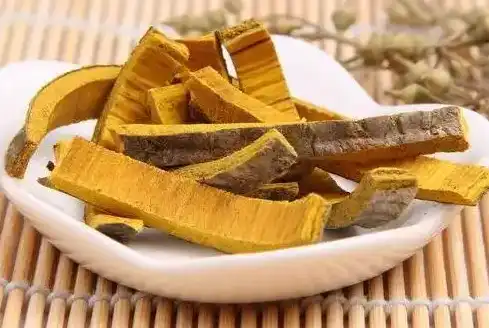
Berberine alkaloid comes from a number of different plant types that have been used for medicine and health practices in Asia for a long time. This bioactive chemical is taken from the stems and rhizomes of plants like Hydrastis (goldenseal), Coptis (goldthread), and Berberis (barberry). With today's extraction methods, pharmaceutical-grade alkaloid compounds can be made in a standard way that meets worldwide quality standards.
Berberine-containing supplements have grown a lot in the supplement business. This is because people want natural ways to help their metabolism. Researchers in humans have looked at how berberine affects cellular processes that control glucose metabolism, lipid profiles, and inflammatory reactions. The study results have led to new commercial uses that go beyond the original ones. This has opened up new product development possibilities in the functional nutrition sectors.
Primary Chemical Forms Available
There are a number of different chemical forms of berberine on the market, and each has its own scientific properties.
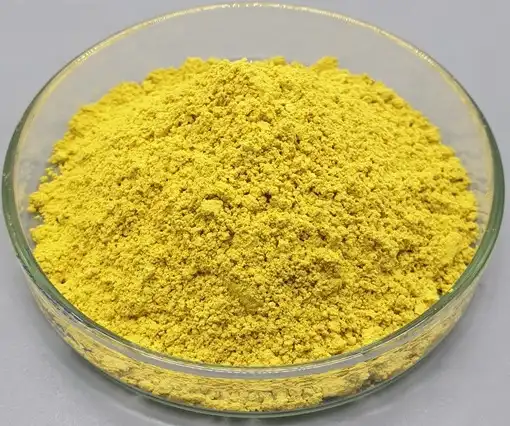
- Berberine hydrochloride (standardized as Berberine HCl powder) is the most common form of berberine used in medicine. The berberine cation and hydrochloric acid are combined in this salt structure to make a bright yellow solid powder with the CAS number 633-65-8 and the molecular formula C₂₀H₁₈ClNO₄. The hydrochloride version is very stable chemically, doesn't absorb too much water, and always gives the same results in tests, which makes quality control easier.
- Berberine sulfate is a different salt form that is sometimes used in certain mixtures. Even though sulfate salts are biologically similar to hydrochloride salts, they dissolve and absorb water in different ways, which could change how they are processed and stored.
- Berberine citrate is a formulation that mixes the alkaloid with citric acid. Some makers choose this version for specific pH reasons or to hide the taste of dietary supplements.
- Standardized plant extracts have berberine and other phytochemicals that are naturally found in the base materials. These complicated botanical preparations usually list berberine content amounts between 5% and 97%, which is appealing to brands that market their products by focusing on how the whole plant works together.
Critical Procurement Differences
Understanding the detailed differences between Berberine HCl powder and these kinds has a direct effect on how well the manufacturing process goes. Bioavailability changes a lot between the different forms of berberine, which affects the recommended dose and the claims of product performance. Predictions of shelf life and storing requirements are affected by chemical stability. This is especially true for formulations that are subject to changes in temperature or moisture during distribution.
Batch-to-batch reproducibility is based on standardization uniformity, which is very important for supplement makers who need to keep quality control high across production cycles. Different forms and types of intended use have different regulatory compliance requirements, which affects the paperwork needed to enter foreign markets. To make the best choice of ingredients, procurement workers must compare these technical factors to the needs of the individual application.
Criteria for Selecting the Best Form of Berberine
Purity Levels and Certification Standards
High-purity ingredients are the building blocks of making supplements that work. Pharmaceutical-grade berberine usually needs to be at least 97% pure as confirmed by HPLC, and the best providers offer amounts of 98% or higher. These strict purity levels make sure that dosing is always accurate and that there aren't too many unwanted ingredients that could affect the stability of the mixture.
Certification guidelines provide an objective way to check the quality of a product. GMP (Good Manufacturing Practice) approval shows that strict quality management rules are followed during all stages of production. ISO certifications show that operations are consistent and that a pledge to continuous growth is made. Suppliers with multiple widely recognized certifications give brands more confidence when they sell their goods in a number of different legal areas.
Bioavailability and Efficacy Considerations
The way an ingredient is absorbed directly affects how well it works in finished products. The structure of the hydrochloride salt makes Berberine HCl powder more soluble in water than free base forms, which makes it easier for the body to break down. Surface area contact is affected by particle size distribution, which in turn affects the rates of breakdown and absorption.
Based on data from clinical studies, dosage-response relationships for berberine compounds have been developed. This helps with the creation of new formulations. Teams in charge of buying things should compare different types of ingredients to public data on how well they work in the types of applications they want to use them in. This alignment makes sure that marketing claims are still backed up by science research while also raising standards for how well the product will work.
Cost-Effectiveness for Bulk Purchasing
Total formulation costs are affected by volume economics in a big way, especially for well-known supplement names that make a lot of supplements. When compared to multiple distribution methods, direct ties with manufacturers often lead to big price savings. By agreeing to buy in bulk, you can get better prices and make sure that you always have supplies for planning your production.
When analyzing different types of berberine, economic analysis should take concentration amounts into account. A Berberine HCl powder that is 97% pure has more active ingredient per kilogram than a 50% standardized extract. This could make up for higher unit costs by lowering the amount needed to be dosed and making the product work better.
Comparative Analysis: Berberine HCL Powder Versus Other Forms
Technical Performance Comparison
Berberine HCl powder has a lot of benefits that make it the market leader. The crystalline structure has great flowability, which is important for automatic sealing equipment because it cuts down on production bottlenecks and speeds up the manufacturing process. Moisture resistance traits reduce the chance of sticking during storage and processing, which means that ingredients can last longer in a normal warehouse.
The hydrochloride form dissolves better in formulation materials with a range of pH levels that are important. Berberine HCl powder doesn't dissolve well in cold water, but it dissolves easily in warm water and alcohol. This makes it possible to make a wide range of delivery systems, such as pills, tablets, and liquid mixes.
For hydrochloride versions, analytical testing techniques are well-established. Standardized HPLC methods, which are mentioned in major pharmacopeias, make quality verification easier. This testing system makes it easier to qualify suppliers and follow ongoing batch release procedures.
Standardization and Quality Control
For expert formulators, manufacturing uniformity is a key differentiator. Pharmaceutical-grade Berberine HCl powder goes through strict tests to make sure it meets safety standards. These tests include loss on drying limits (≤12.0%), residue on ignition controls (≤0.2%), and heavy metal screens. These managed factors make it possible for formulation behavior to be consistent across production batches. This cuts down on the need for reformulation and unexpected processing problems.
Standardizing particle size, usually to 80 mesh or smaller micronized grades, makes sure that powder properties are the same, which makes mixtures with more than one ingredient more homogeneous. Consistent particle distributions keep particles from separating while they are being handled and help make sure that the dose is the same in all finished goods.
Application-Specific Selection Guidance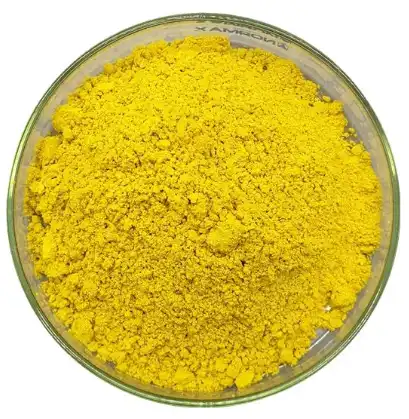
Based on their intended use, different types of products may gain from different types of berberine:
- Metabolic support supplements typically utilize high-purity Berberine HCl powder to give exact amounts of alkaloids that are in line with clinical study methods. Standardization makes it easier to check label claims and backs up marketing messages that are based on evidence.
- Digestive wellness formulations might contain berberine as part of larger herbal extract mixes, where the synergies between the different parts of the plant work with the main alkaloid action. For these uses, lower-concentration extracts from source materials that contain more antioxidants may be chosen.
- Sports nutrition products demanding rapid dissolution and absorption characteristics favor micronized Berberine HCl powder that optimizes bioavailability timing relative to training plans.
- Clean-label brands emphasizing natural ingredient stories might look at extraction methods and processing experiences when deciding whether to use plant-derived isolation techniques or synthetic hydrochloride production of Berberine HCl powder.
Conclusion
Choosing the best form of berberine is a smart procurement choice that affects how well the product works, how efficiently it is made, and how competitive it is in the market. Berberine HCl powder is the best option for business-to-business uses that need top grade quality, uniform standardization, and clinical usefulness that has been proven. Its technical benefits, such as chemical stability, controlled moisture absorption, well-known analysis methods, and great flowability, directly affect how it is manufactured and how reliable the recipe is.
A successful procurement relies on carefully evaluating suppliers, checking the quality of the goods, and making sure that the properties of the ingredients match the needs of the application. Buying high-quality Berberine HCl powder from licensed makers pays off by lowering quality problems, making sure that regulations are followed, and making products stand out in the supplement market, which is very competitive.
FAQ
1. Is berberine hydrochloride safe for long-term formulation use?
Berberine HCl powder is very stable chemically and can be used in products with a longer shelf life as long as it is kept properly. Pharmaceutical stability studies show that products don't break down much over their normal lifetimes as long as they are kept away from too much light and moisture. Because the substance has been shown to be safe in clinical studies, it can be used in daily supplement formulas that are meant to be used for longer amounts of time by consumers.
2. How does berberine HCl compare with berberine sulfate for supplement manufacturing?
The berberine alkaloid can be found in both salt forms, but the hydrochloride form is better for most industrial uses. Hydrochloride salts are less likely to absorb water, which makes processing easier and makes powder easier to move. The hydrochloride form also has more pharmacopeial paperwork and a wider range of analytical testing facilities, which makes quality control easier. The market leans toward hydrochloride choices because there are more sellers who offer pharmaceutical-grade materials that meet international certification standards.
3. What testing should I request before purchasing bulk berberine powder?
A full set of tests should be done before the product is bought. These tests should include HPLC purity assays to check the amount of alkaloids, microbial contamination screening to check for total plate count and pathogen absence, heavy metal analysis for lead, arsenic, cadmium, and mercury, residual solvent testing if needed for extraction methods, and particle size distribution analysis. Instead of depending only on documentation made by the seller, get real certificates of analysis from independent labs. Before making large purchases, running samples through your own quality control lab is another way to make sure they are correct.
Partner with Angelbio for a Premium Berberine HCl Powder Supply
Angelbio is ready to help you create new medicines by providing top grade Berberine HCl powder that is made to strict international standards. Our plant uses cutting-edge extraction technology and strict quality control systems to make sure that the alkaloid ingredients we produce are always very pure and meet CP, EP, and USP standards. We provide the technical dependability that B2B clients want thanks to our relationship with Xi'an Jiaotong University's Institute of Life and Health Research and our 18 years of experience with plant extracts.
As a reliable supplier of Berberine Hcl Powder, we provide full procurement support, including free samples for formulation testing, competitive bulk pricing, full analytical documentation packages, and private-label manufacturing for brands looking for turnkey solutions. Our dedication to long-term sourcing and constant quality improvement saves your production plans and market obligations by making sure the supply chain is reliable. Get in touch with angel@angelbiology.com right away to talk about your unique berberine ingredient needs and find out how our technical partnership method can give your supplement portfolio a competitive edge.
References
1. Yin J, Xing H, Ye J. "Efficacy of Berberine in Patients with Type 2 Diabetes Mellitus." Metabolism: Clinical and Experimental, 57(5), 712-717, 2008.
2. Dong H, Wang N, Zhao L, Lu F. "Berberine in the Treatment of Type 2 Diabetes Mellitus: A Systemic Review and Meta-Analysis." Evidence-Based Complementary and Alternative Medicine, 2012.
3. Kumar A, Ekavali, Chopra K, Mukherjee M, Pottabathini R, Dhull DK. "Current Knowledge and Pharmacological Profile of Berberine: An Update." European Journal of Pharmacology, 761, 288-297, 2015.
4. Neag MA, Mocan A, Echeverría J, Pop RM, Bocsan CI, Crisan G, Buzoianu AD. "Berberine: Botanical Occurrence, Traditional Uses, Extraction Methods, and Relevance in Cardiovascular, Metabolic, Hepatic, and Renal Disorders." Frontiers in Pharmacology, 9, 557, 2018.
5. Feng X, Sureda A, Jafari S, Memariani Z, Tewari D, Annunziata G, Barrea L, Hassan STS, Smejkal K, Malanik M, Sychrova A, Barreca D, Ziberna L, Mahomoodally MF, Zengin G, Xu S, Nabavi SM, Shen AZ. "Berberine in Cardiovascular and Metabolic Diseases: From Mechanisms to Therapeutics." Theranostics, 9(7), 1923-1951, 2019.
6. Spinozzi S, Colliva C, Camborata C, Roberti M, Ianni C, Neri F, Calvarese C, Lisotti A, Mazzella G, Roda A. "Berberine and Its Metabolites: Relationship between Physicochemical Properties and Plasma Levels after Administration to Human Subjects." Journal of Natural Products, 77(4), 766-772, 2014.