



Comparing Elderberry Extract Anthocyanin with Other Natural Antioxidants: What Sets It Apart?
Elderberry Extract Anthocyanin stands distinctly apart from other natural antioxidants due to its exceptional concentration of bioactive compounds—primarily cyanidin-3-sambubioside and cyanidin-3-glucoside—which deliver higher ORAC values and superior stability compared to generic berry extracts. This standardized phytochemical offers dual functionality as both a potent immune-supporting ingredient and a clean-label colorant, addressing formulation challenges like oxidative degradation while providing verifiable purity standards that combat the adulteration issues plaguing conventional dark berry supply chains.
Introduction
Antioxidants that are found naturally are now essential parts of modern B2B purchasing plans for nutraceuticals, useful foods, and cosmetics. As the need for plant-based products grows around the world, buying teams are under more and more pressure to find botanicals that are both clinically effective and reliable for business. Elderberry Extract Anthocyanins, which come from the European Black Elderberry (Sambucus nigra L.), are one type of natural antioxidant that is getting a lot of attention from formulation managers and R&D leaders around the world.
This extract is unique not only because it is an antioxidant but also because of its designed uniformity, bioactive profile that can be checked, and ability to be used in a variety of formulations. Professionally extracted elderberry anthocyanins are better than raw fruit powders or generic berry concentrates because they avoid problems that procurement experts face every day, such as differences between batches, loss of quality during processing, and not having enough paperwork to meet regulatory requirements. To make smart buying choices that make your products stand out and help you compete in the market, you need to know what makes this ingredient different from others like blueberry anthocyanins, resveratrol, or ascorbic acid.
Understanding Elderberry Extract Anthocyanin: Composition and Health Benefits
Chemical Architecture and Bioactive Profile
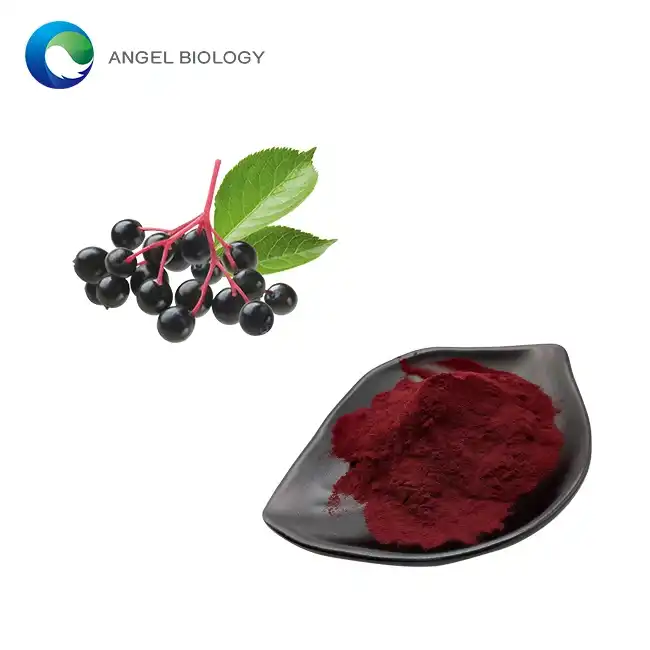
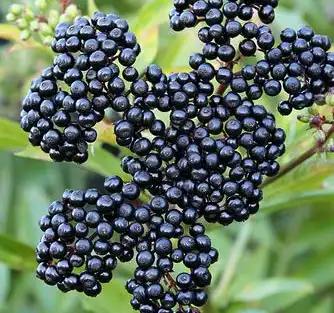
The deeper purple color of Sambucus nigra berries is caused by a complex mix of water-soluble flavonoid pigments called the elderberry extract anthocyanin complex. The extract's medicinal power comes from its main anthocyanins, which are cyanidin-3-sambubioside (50–60% of all anthocyanins), cyanidin-3-glucoside, and smaller amounts of cyanidin-3-sambubioside-5-glucoside. This unique chemical fingerprint sets elderberry apart from other sources of anthocyanin, giving it special biological effects that mixed-berry extracts can't match.
Mechanisms of Antioxidant Action
There are several ways that these cyanidin-based chemicals work to get rid of reactive oxygen species and change how the body reacts to inflammation. The anthocyanins give away electrons to keep free radicals stable while also making cellular antioxidant defense systems work better. This two-part process manages oxidative stress completely, which is especially useful in formulas that aim to boost immune system strength and protect cells. Research shows that elderberry anthocyanins are very good at protecting cells from damage caused by oxidation, and they do better than many other antioxidants in normal tests.
Nutritional and Functional Attributes
In addition to being an antioxidant, the product has other useful properties that make it more valuable. Together, the phenolic substances help keep the arterial health and the normal inflammatory reactions. The extract is very soluble in water, which makes it easy to mix with water-based mixtures. Its natural color also means that manmade dyes are not needed in many situations. Because Elderberry Extract Anthocyanins can do many things, they are very appealing to companies that want to make clean-label products.
Elderberry Extract Anthocyanins Compared to Other Natural Antioxidants
Potency Analysis: ORAC Values and Concentration Metrics
In normal testing procedures, elderberry extract anthocyanins perform significantly better than other natural antioxidants that were tested. Elderberry extracts that have been properly standardized always have higher ORAC values (15–30%) than blueberry anthocyanins. The difference depends on how the extracts were extracted and how well they were standardized. This higher antioxidant capacity directly leads to formulation benefits—product makers can reach the desired levels of effectiveness with lower inclusion rates, which saves money and makes the best use of formulation space.
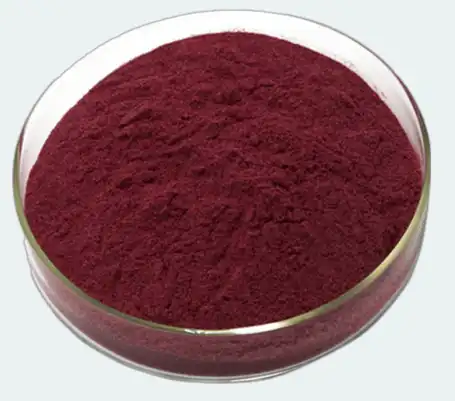
Commercial elderberry extracts can be standardized to 10%, 15%, or 25% total anthocyanins by HPLC analysis. This makes preparation more predictable than with whole fruit powders. This level of accuracy makes it possible to calculate doses correctly and make sure that products work the same way in all batches, which is a big problem for quality assurance teams that are in charge of making supplements or functional foods.
Comparative Stability and Formulation Compatibility
In processing settings, thermal stability is a key difference. When high-quality elderberry extracts are dried using advanced spray-drying methods, they gain a modest level of heat resistance that makes them suitable for canning processes and making gummies at temperatures close to 100°C. On the other hand, many rival anthocyanin sources break down quickly when heated, which limits how they can be used. Elderberry anthocyanins change color based on pH, going from bright red at low pH to purple-blue at normal pH. This gives the color a lot of aesthetic options without using any artificial additives.
Unlike ascorbic acid (Vitamin C), elderberry extract anthocyanins work with ascorbic acid instead of against it. Vitamin C quickly donates electrons, but it is oxidatively unstable and breaks down quickly in water that is exposed to air and light. Elderberry anthocyanins are more stable in finished products, especially when they are mixed with the right buffering systems and antioxidant co-factors.
Synergistic Potential in Multi-Ingredient Formulations
The molecular structure of anthocyanins from elderberries lets them work well with other beneficial chemicals. When carefully mixed with vitamin C in the right amounts, the anthocyanins help keep ascorbic acid stable, and the vitamin stops the breakdown of the anthocyanins. This works together to make the food last longer and make sure the label claims are true. Some antioxidants, on the other hand, fight for the same oxidation sites, which could make the mixture less effective overall.
Decision-Making Guide for Procuring Elderberry Extract Anthocyanin
Critical Quality Verification Parameters
To make sure that ingredients are real and effective, procurement teams must use strict testing methods. High-performance liquid chromatography (HPLC) research is the best way to measure the amount of elderberry extract anthocyanin in elderberries because it is more accurate than UV-Vis spectrophotometry. When UV results are higher than HPLC values by more than 30%, it's usually a sign that cheaper anthocyanin sources like black rice or peanut skin extracts have been added. Certificates of Analysis should include HPTLC fingerprinting or DNA sequencing to prove that the plant is indeed Sambucus nigra and rule out any adulteration done for financial reasons.
Elderberry Extract Anthocyanin: Since ethanol-water systems are usually used in extraction processes, solvent-residue testing is even more important. It must meet USP, EP, or CP guidelines and have a methanol level of either no methanol or less than 50 parts per million (ppm). Due to their ability to clean up harmful chemicals, elder trees need to have their heavy metal content closely monitored. Cadmium levels should stay below 1.0 ppm and lead levels should stay below 3.0 ppm to ensure safety across global regulatory frameworks.
Supplier Evaluation and Traceability Requirements
Reliable sellers show clear traceability from where the raw materials come from to how they are extracted and standardized. Documentation should include information about where the crops were grown, when they were picked, and how they were processed. Suppliers with built-in testing tools and quality management systems make it easier to be sure of a steady supply and a quick answer to quality questions. Where the goods are made affects both how people think about the quality and how stable the supply chain is. Facilities that follow cGMP standards and have the right licenses (like organic, Kosher, or Halal) give regulators more trust.
Bulk Purchasing Strategy and Logistics Considerations
When buying in bulk, you need to pay close attention to how stable the storage is and how well the package is sealed. Elderberry anthocyanin extracts are hygroscopic, which means they need to be stored in a controlled environment and packaged in a way that keeps moisture out. The best conditions for storage are cool, dark, and low in humidity. When procurement managers negotiate bulk contracts, they should make sure that the minimum order numbers, wait times, and sample retention for stability tracking are all clear. When setting prices, the level of standardization should be taken into account. Products with higher amounts of anthocyanin should be priced more, but they may be worth it when you look at the cost per dose of active ingredient.
Application Scenarios and Market Potential for Elderberry Extract Anthocyanin
Immune Support Supplement Formulations
This is where elderberry extract anthocyanins are most commonly used: in supplements that boost defense. Extracts designed with microencapsulation technologies that protect anthocyanins during heat cooking and afterward have a longer shelf life and are especially helpful for gummy recipes. The natural berry taste of the extract goes well with the formulation goals and gives consumers the useful benefits that make them want to buy. The extract's high water solubility and pH-responsive coloration are used in syrup forms to make products that look good and show they work just by looking good.
Functional Beverage and Sports Nutrition Applications
Elderberry extract in cold-water-soluble forms is used in ready-to-drink functional drinks and fizzy versions to keep the drinks clear over time and prevent sedimentation. The high ORAC values back up the product's promises about reducing oxidative stress and speeding up recovery, which is appealing to people who live busy lives. Protein interactions in complex beverage systems can make some anthocyanin sources cloudy, but elderberry extracts that are properly handled in acidic environments keep their clarity better.
Cosmeceutical and Skincare Integration
Elderberry anthocyanins are added to serums and night creams by skin care formulators to use their ability to protect dermal matrix components and get rid of free radicals. When the pH of the mixture stays buffered and complementary antioxidants like tocopherols are added to stop browning processes, the extract works well in complex emulsion systems. The naturally occurring purple color adds to the product's beauty and lets people who are looking for plant-based beauty solutions know that it is real.
Market Trajectory and Regulatory Landscape
Elderberry-containing goods are still growing in popularity because people like to buy products with natural ingredients that they can recognize, including elderberry extract anthocyanin. Elderberry has been used as food for a long time and is known to be safe, so regulatory acceptance is still high in most big markets. The clean-label trend really likes elderberry anthocyanins because they do two things: they provide health benefits and replace artificial colorants. Market predictions show that immune-focused goods will continue to grow, which will open up more possibilities for companies that supply ingredients and companies that make finished products.
Conclusion
Elderberry extract anthocyanin stands out because it is a stronger antioxidant, stays stable in formulations, and can be standardized, all of which are problems that current procurement workers have. It works as both a medicinal ingredient and a natural colorant. It is also very stable at high temperatures and works well with other compounds, which makes it a very valuable ingredient for nutritional, functional food, and cosmetic uses. The extract has a strong scientific basis and a clean label appeal that makes it stand out against other antioxidants in markets where consumers want more and more recognizable plant ingredients. Choosing to buy elderberry anthocyanins that have been properly standardized and thoroughly tested from well-known sources gives you both immediate formulation benefits and long-term competitive advantages in the health and wellness markets, which are changing quickly.
FAQ
1. What differentiates standardized elderberry anthocyanin extracts from whole elderberry powder?
Standardized extracts go through controlled extraction and concentration steps that give them uniform anthocyanin levels (10–25%), while whole powders have bioactive chemical concentrations that vary and are much lower. Fiber and other substances that reduce active ingredients are taken out during extraction. This allows for accurate doses and predictable formulation performance. The process of standardization also focuses on good chemicals while getting rid of possibly harmful ones. This makes the product more stable and bioavailable than simple fruit powders.
2. How do elderberry anthocyanins compare to synthetic antioxidants like BHA or BHT in industrial applications?
While manmade antioxidants can provide strong oxidative defense in some situations, elderberry anthocyanins do the same thing and do it better, plus they are better for you in more than one way. The natural product meets the need of consumers for easily recognizable ingredients while also providing natural coloring, antioxidant protection, and immunity support. As regulations change, they support natural alternatives more and more. This makes elderberry anthocyanins tactically beneficial, even though they might cost more at first.
3. What quality certifications should procurement teams prioritize when sourcing this ingredient?
Some of the most important certificates are organic credentials (USDA Organic, EU Organic), manufacturing standards (cGMP, ISO 9001), and analytical proof using HPLC standardization instead of UV methods alone. Third-party testing records, heavy metal screening, microbe purity certificates, and liquid residue analysis are all important ways to make sure of the quality of a product. When an ingredient supplier gives you a full Certificate of Analysis that includes botanical identity proof through HPTLC or DNA tests, you can be sure that the ingredient is real and safe.
Partner with Angelbio for Premium Elderberry Extract Anthocyanin Solutions
Angelbio gives unmatched technical know-how and quality control to the natural products market around the world. Angel Holding Group and Xi'an Jiaotong University's Institute of Life and Health Research have invested in us as a provider of Elderberry Extract Anthocyanin. We have 18 years of independent research and development experience and strict quality control systems that meet the highest international standards. Our standardized elderberry extracts go through a lot of tests to make sure they are safe and effective in nutraceutical, functional food, and skincare formulations. These tests include HPLC verification, plant identity confirmation, and stability testing. A responsive partner dedicated to your product development goals will be found by procurement professionals looking for a reliable supply, technical teamwork, and low bulk price. Email our team at angel@angelbiology.com to get full product details, safety information, and samples that show why top brands choose AngelBio as their elderberry extract anthocyanin supplier.
References
1. Ulbricht C, Basch E, Cheung L, et al. An evidence-based systematic review of elderberry and elderflower (Sambucus nigra) by the Natural Standard Research Collaboration. Journal of Dietary Supplements. 2014;11(1):80-120.
2. Talavéra S, Felgines C, Texier O, et al. Anthocyanin metabolism in rats and their distribution to digestive area, kidney, and brain. Journal of Agricultural and Food Chemistry. 2005;53(10):3902-3908.
3. Netzel M, Strass G, Janssen M, et al. Bioactive anthocyanins detected in human urine after ingestion of blackcurrant juice. Journal of Environmental Pathology, Toxicology and Oncology. 2001;20(2):89-95.
4. Wu X, Gu L, Prior RL, McKay S. Characterization of anthocyanins and proanthocyanidins in some cultivars of Ribes, Aronia, and Sambucus and their antioxidant capacity. Journal of Agricultural and Food Chemistry. 2004;52(26):7846-7856.
5. Giusti MM, Wrolstad RE. Characterization and measurement of anthocyanins by UV-visible spectroscopy. Current Protocols in Food Analytical Chemistry. 2001;F1.2.1-F1.2.13.
6. Kahkonen MP, Heinonen M. Antioxidant activity of anthocyanins and their aglycons. Journal of Agricultural and Food Chemistry. 2003;51(3):628-633.