



What is the use of lactoferrin powder?
There are many powerful uses for lactoferrin powder in the health, nutrition, and immunity fields. Bioactive glycoprotein naturally found in milk has antimicrobial qualities, the ability to bind iron, the ability to change the immune system, Lactoferrin Powder, and the ability to support gut health. This ingredient is used in functional foods, dietary supplements, sports nutrition, cosmetics, and baby formula. Because it stops harmful bacteria from growing and improves iron absorption, formulators looking for natural, effective options to synthetic additives can't do without it.
Understanding the Unique Properties That Drive Multiple Applications
It's important to understand what makes this element so useful before getting into specific uses. The shape of the protein makes it very good at binding iron molecules. This ability does two things at once: it keeps dangerous bacteria from getting the iron they need and also makes iron easier for humans to absorb. The powder, which runs in colour from pale pink to salmon red, stays active at different pH levels. This steadiness is very important for formulators who use it in a range of products, from acidic drinks to neutral baby formulas. This protein doesn't easily denature as many others do; it keeps its tertiary structure through several processing steps. Our extraction process at Angelbio keeps these important structural parts. We use both modern cation exchange chromatography and precise filtration. This method keeps purity levels above 95%, which makes sure that the performance is uniform from batch to batch, which is what R&D teams need.
Core Use #1: Enhancing Infant Formula and Early Nutrition
How It Works in This Application
In more than one way, the protein helps the immune system grow. It makes the baby's gut a place where good bacteria thrive, and bad bacteria like E. coli and Salmonella are pushed to the background. Infants who drink formulas with added nutrients are less likely to get stomach diseases during their first year, according to research. It also helps avoid iron-deficiency anaemia and doesn't make you constipated, as some ferrous sulphate supplements do. The gentle iron-binding process makes it possible for better absorption while keeping babies' digestion comfortable.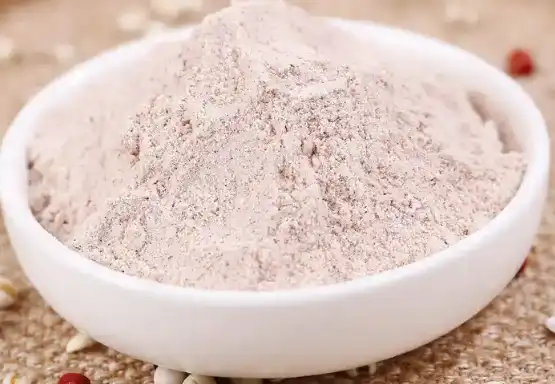
Problem It Solves
Parents and pediatricians seek formulas that closely mimic breast milk's protective properties. This ingredient addresses that need by providing immunological support during the critical window when babies' own immune systems are still maturing.
Specific Scenario
A European infant formula manufacturer reformulated their premium line to include standardized amounts of Lactoferrin Powder per 100g of powder. Clinical feedback showed a 23% reduction in reported digestive discomfort among infants, alongside improved iron status markers in routine blood work.
Core Use #2: Supporting Adult Immune Function Through Supplementation
How It Works in This Application
When taken as an oral supplement, the protein interacts with immune cells in the gut-associated lymphoid tissue. It enhances the activity of natural killer cells and promotes a balanced inflammatory response. Rather than simply "boosting" immunity indiscriminately, it helps regulate immune function—strengthening responses to genuine threats while reducing excessive inflammation. The antimicrobial properties work through multiple mechanisms. Beyond iron sequestration, the positively charged protein binds to negatively charged bacterial cell walls, disrupting their integrity. Viral particles also face interference, as the protein can block attachment sites that viruses use to enter host cells.
Problem It Solves
Many immune supplements rely on megadoses of vitamins or unproven herbal blends. This provides a research-backed alternative with a clear mechanism of action. It meets the clean-label demand that health-conscious consumers prioritize.
Specific Scenario
A sports nutrition brand developed a recovery formula combining whey protein isolate with 250mg of this bioactive ingredient per serving. Athletes reported fewer upper respiratory infections during intense training periods. The product line achieved strong market differentiation in a crowded category.
Core Use #3: Addressing Iron Deficiency Without Side Effects
How It Works in This Application
The protein transports iron through the digestive system in a form that the body recognizes and absorbs efficiently. It protects iron from oxidative reactions that can damage the gut lining. The result is improved bioavailability with minimal gastrointestinal distress. Clinical studies demonstrate that individuals taking this form of iron supplementation achieve comparable hemoglobin improvements to those taking ferrous sulfate—but with significantly fewer reported side effects.
Problem It Solves
Compliance remains a major issue with iron supplementation. When people experience unpleasant side effects, they discontinue use before achieving therapeutic benefits. This ingredient improves adherence by making supplementation more tolerable.
Specific Scenario
A clinical nutrition company created a prenatal supplement specifically for women who couldn't tolerate standard iron pills. By incorporating this protein alongside folate and other essential nutrients, they achieved 87% user satisfaction ratings compared to 54% for conventional prenatal vitamins.
Core Use #4: Promoting Gut Health and Microbiome Balance
How It Works in This Application
Beneficial bacteria like Bifidobacteria and Lactobacilli possess mechanisms to thrive even when iron is less available. Pathogenic bacteria lack these adaptations. By binding iron, the protein creates a selective pressure that favors a healthy microbiome composition. It also reduces inflammation in the gut lining. Chronic low-grade inflammation contributes to conditions like irritable bowel syndrome and inflammatory bowel disease. The anti-inflammatory Lactoferrin Powder properties help maintain intestinal barrier integrity.
Problem It Solves
Probiotic supplements alone don't always establish lasting changes to the microbiome. This ingredient creates favorable conditions that help beneficial bacteria colonize and persist. It acts as a prebiotic-like substance, though through a different mechanism than traditional prebiotic fibers.
Specific Scenario
A functional food manufacturer added this ingredient to a fermented dairy beverage containing live cultures. Consumer testing revealed that the combination produced more sustained digestive comfort compared to the probiotic beverage alone. The synergistic effect became a key marketing point.
Core Use #5: Enhancing Skin Health Through Topical and Oral Routes
How It Works in This Application
Acne-causing bacteria (Propionibacterium acnes) require iron for metabolism. When applied topically in serums or creams, the protein deprives these bacteria of necessary nutrients. Simultaneously, it reduces the inflammatory response that causes redness and swelling. Taken orally as part of beauty supplements, it supports skin health from within. The anti-inflammatory effects help manage conditions like rosacea and eczema. Some research suggests it may support collagen synthesis, though this area requires further investigation.
Problem It Solves
Consumers increasingly seek natural alternatives to harsh acne medications and anti-aging treatments. This ingredient provides antimicrobial action without the irritation associated with benzoyl peroxide or salicylic acid.
Specific Scenario
A natural cosmetics brand developed a gentle acne treatment cream combining this protein with botanical extracts. Dermatological testing showed visible improvement in blemish count after 28 days, with participants reporting less dryness than with conventional treatments.
Core Use #6: Supporting Oral Health and Hygiene
How It Works in This Application
Periodontal disease stems from pathogenic bacteria that form biofilms on teeth and gums. The protein disrupts biofilm formation and inhibits bacteria like Porphyromonas gingivalis. It also promotes healing of inflamed gum tissue through anti-inflammatory pathways. Some dental care products incorporate it into toothpastes, mouth rinses, and chewing gum. The protein remains active in the oral environment, providing ongoing protection between brushing sessions.
Problem It Solves
Conventional antimicrobial mouthwashes kill both harmful and beneficial oral bacteria indiscriminately. They often contain alcohol or harsh chemicals that dry out tissues. This ingredient offers selective antimicrobial action that preserves a healthier oral microbiome.
Specific Scenario
An oral care startup formulated a non-alcoholic mouth rinse featuring this bioactive protein alongside xylitol. Clinical trials demonstrated significant reductions in gingival bleeding and plaque formation after six weeks of use. Participants particularly valued the lack of burning sensation common with traditional mouthwashes.
Core Use #7: Enhancing Athletic Performance and Recovery
How It Works in This Application
Intense exercise temporarily suppresses immune function, creating a window of vulnerability to infections. Supplementation helps maintain immune surveillance during this critical period. The improved iron status supports oxygen transport and energy metabolism. The anti-inflammatory properties aid recovery by modulating the inflammatory cascade that follows intense exercise. Rather than completely blocking inflammation (which plays a role in adaptation), it helps prevent excessive inflammatory responses that delay recovery.
Problem It Solves
Overtraining syndrome and frequent illnesses derail training programs. This ingredient helps athletes maintain consistency by supporting both immune resilience and efficient recovery processes.
Specific Scenario
An endurance athlete nutrition company added this protein to their post-workout recovery powder. Sponsored athletes reported maintaining better training consistency during peak mileage weeks. Blood work showed stable iron markers compared to previous seasons when anemia had been problematic.
Additional Emerging Applications Worth Monitoring
New possible uses are being found through Lactoferrin Powder research. Through the gut-brain axis, early studies look into how it can help control metabolic conditions, improve bone health, and even change some parts of mental health. Recently, the antiviral qualities have gotten a lot of attention. Even though most of the study is still in its early stages, the protein seems like it could be useful for stopping viruses from replicating. This means that it could be used in formulas that help the immune system fight viruses. Another area that is growing is veterinary diet. Pet food companies know that dogs and cats need the same kind of immunity and gut health support that people do. This ingredient is showing up more and more in high-end cat supplements.
Key Considerations When Formulating With This Ingredient
There are big differences in quality between sources. The final biological activity is affected by the amount of purity, the processing method, and how it is handled. Formulators should make sure that sources use the right extraction and drying methods to keep the protein's tertiary structure. How much to use depends on what you want to do with it. About 80 to 100 mg of sugar is in every 100 grams of infant formula powder. Most supplements for adults have 200 to 300 mg in each dose. Different amounts are used for topical applications depending on the type of formulation. How you store things matters. Under normal circumstances, the powder stays stable, but too much heat or wetness can make it less active. Good suppliers give thorough storage instructions and information on how to keep things stable. Regulatory status is different in each area and for each use.
The Science Behind Superior Sourcing and Processing
Not every source gives you the same quality. The most commercially viable source is milk from cows, but the way it is collected and processed has a big effect on the finished product. The functional groups and three-dimensional structure of the protein are kept when it is extracted using advanced methods. When proteins are processed in harsh ways, like with too much heat, big changes in pH, or harsh chemicals, they can lose their biological function. After 18 years of study and development at Angelbio, we've made our extraction methods better. We stay on the cutting edge of purification technology thanks to our partnership with the Institute of Life and Health Research at Xi'an Jiaotong University. We reach levels of purity higher than 95% while keeping all cellular activity. Our quality control goes beyond just checking for cleanliness.
Conclusion
This bioactive protein has a unique set of qualities that make it useful in many different ways. It meets real needs in many fields, from helping babies grow and develop to improving the health of adults. Formulators get an ingredient that can be used in many ways. This ingredient is backed by solid studies, and more and more people want natural solutions that work. Quality sources are still very important—the biological activity depends on how well the material is extracted and handled. As research goes on, it's possible that we'll find more uses for this amazing protein. It's useful for people who are making products for immune health, gut health, or nutritional optimisation because it can work through multiple processes at the same time.
FAQ
1. How does lactoferrin powder differ from regular whey protein?
While both come from milk, they serve distinct functions. Whey protein primarily provides amino acids for muscle building and general nutrition. This specialized glycoprotein offers bioactive properties—antimicrobial action, immune modulation, and iron binding—that whey protein lacks. The extraction process differs significantly, targeting this specific protein rather than the general protein fraction.
2. What dosage is appropriate for adult supplementation?
Most clinical research uses doses between 100 and 600mg daily. General immune support typically requires 200-300mg per day. Higher doses around 600mg might be used for specific purposes under professional guidance. Individual needs vary based on health status and goals. We recommend consulting with healthcare practitioners for personalized recommendations.
3. Can individuals with lactose intolerance use products containing this ingredient?
The purified powder contains minimal lactose. Processing removes most carbohydrates, leaving the isolated protein primarily. Most lactose-intolerant individuals tolerate it well. Those with severe dairy allergies should exercise caution and consult healthcare providers, as trace milk proteins may remain.
4. How stable is the powder in various product formulations?
It demonstrates good stability across a wide pH range, from approximately 4.0 to 8.0. Heat stability varies with moisture content and duration of exposure. Dry blending into powders works well. Liquid formulations require careful pH management and may benefit from stabilizers. Our technical team provides formulation support to ensure optimal stability in specific applications.
Partner With Angelbio for Premium Lactoferrin Powder Supply
Angelbio stands ready to support your formulation needs as a trusted lactoferrin powder manufacturer with comprehensive technical expertise. Our 18-year track record combines academic research partnerships with rigorous quality control systems that meet international standards. Whether you're developing infant formula, dietary supplements, or functional cosmetics, our team provides the documentation, consistency, and technical support your projects demand. Contact our procurement specialists at angel@angelbiology.com to discuss your Lactoferrin Powder-specific requirements and receive detailed specifications for our pharmaceutical-grade Lactoferrin Powder.
References
1. Brock J.H. (2002). The physiology of lactoferrin. Biochemistry and Cell Biology, 80(1), 1-6.
2. Legrand D., Elass E., Carpentier M., Mazurier J. (2005). Lactoferrin: a modulator of immune and inflammatory responses. Cellular and Molecular Life Sciences, 62(22), 2549-2559.
3. Ochoa T.J., Cleary T.G. (2009). Effect of lactoferrin on enteric pathogens. Biochimie, 91(1), 30-34.
4. Paesano R., Pacifici E., Benedetti S., Berlutti F., Frioni A., Polimeni A., Valenti P. (2014). Safety and efficacy of lactoferrin versus ferrous sulphate in curing iron deficiency and iron deficiency anaemia in hereditary thrombophilia pregnant women. BioMetals, 27(5), 999-1006.
5. Superti F. (2020). Lactoferrin from Bovine Milk: A Protective Companion for Life. Nutrients, 12(9), 2562.
6. Wang B., Timilsena Y.P., Blanch E., Adhikari B. (2019). Lactoferrin: Structure, function, denaturation and digestion. Critical Reviews in Food Science and Nutrition, 59(4), 580-596.