



Best Pine Bark Extract Powder for Skin Health: Reviews and Buying Guide
If you want to support skin that looks healthy and young, Pine Bark Extract Powder stands out as a plant ingredient that has been backed by science. This natural substance comes from maritime pine trees and has strong proanthocyanidins that help protect skin from environmental stressors and keep collagen strong. We looked at a lot of different high-purity extracts that are sold around the world and chose the best ones that meet strict quality standards. These are the ones that nutritional supplement brands, cosmetics makers, and functional food developers are looking for the best active ingredients to use.
Why Pine Bark Extract Powder Matters for Skin Vitality
Walking through the aisles of any health store today, you'll notice an explosion of beauty-from-within products. This trend makes sense. Every day, smog, ultraviolet light, and oxidative stress all hit our skin hard. Traditional topical treatments only treat problems on the surface. Botanical compounds, on the other hand, offer a different way to help from the inside out. Maritime pine bark has been used for hundreds of years in traditional Mediterranean health practices. Scientists today have confirmed what ancient people thought: the oligomeric proanthocyanidins in this product are very good at fighting free radicals. These chemicals help get rid of free radicals, which speed up the ageing process. That this ingredient can be used for two different things makes it very valuable for B2B buyers in the nutraceutical and cosmetics businesses. R&D leaders at supplement companies like how stable it is in different formulations. On the other hand, cosmetic chemists like how it has been shown to support dermal architecture. The companies that make sports nutrition have also found that it can help with healing.
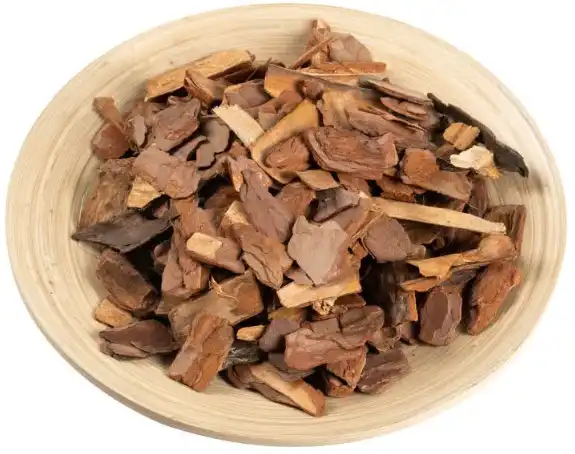
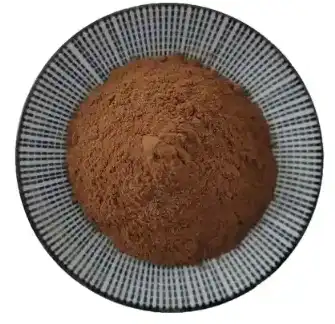
Selection Criteria: What Makes a Superior Extract
Before getting into specific product suggestions, procurement professionals can make better choices if they understand the evaluation criteria. We judged candidates based on a number of technical factors that are important to brands that care about quality. Standardisation of proanthocyanidin: UV-Vis spectrophotometry shows that premium products have at least 95% proanthocyanidins. This standardisation makes sure that each batch is the same, which is important for formulation scientists who are making goods on a large scale. Purity and Solubility: Good powders dissolve easily in water without settling to the bottom. For beverage uses and some cosmetic formulations, this trait is very important. Bioavailability is also affected by how well a nutrient dissolves in water. Heavy Metal Testing: Because it comes from plants, it is important to do thorough tests for lead, cadmium, mercury, and arsenic. Brands that want to sell their products all over the world can be sure that their products meet foreign standards like USP, EP, and others. Methods of Extraction: The process is very important. Most of the time, hot water extraction keeps the whole range of flavonoids and bioflavonoids, as well as the structural stability Pine Bark Extract Powder of OPCs that provide functional benefits.
Top Pine Bark Extract Powder Products for Skin Applications
Premium Grade Maritime Pine Extract (95% Proanthocyanidins)
This pharmaceutical-grade powder is the gold standard for companies that want to make sure their products are as pure and effective as possible. It comes from carefully chosen maritime pine woods and goes through a special extraction process that concentrates the good chemicals and gets rid of the tannins that could make formulation harder. It's great for heart health supplements and high-performance skin care items because it contains 95% standardised proanthocyanidin. When added to pills or tablets in the recommended amounts, it gives a lot of antioxidant support. The fine mesh size (80–100 mesh) makes sure that the material flows easily during the encapsulation process, which is a problem that contract makers often have.HPLC fingerprinting, microbial analysis, and pesticide residue screening are all part of the testing procedures. This all-around method meets the needs of both nutraceutical brands and cosmetics companies that want to get international certifications. Cosmetic formulators like how stable it is in emulsion systems in particular. It works really well with other active ingredients like hyaluronic acid and peptides when mixed into serums at amounts between 0.1% and 0.5%. The powder's neutral pH profile means that composition changes that are needed to keep the product stable are kept to a minimum.
Standardised Skin-Optimised Pine Bark Powder
This variant goes through extra processing to make it more compatible with skincare formulas. It was specifically made for cosmeceutical uses. It still has at least 90% proanthocyanidin, but the particles are spread out differently to make them more dispersed in oil-in-water emulsions. Product designers who are making anti-ageing creams find this extract very useful because it helps with a lot of skin problems at once. Studies in the lab show that it can stop matrix metalloproteinases from working. These are the enzymes that break down collagen and elastic fibres. This process helps keep the skin firm and lessens the look of fine lines. The extract also looks like it might help with acne. By changing some enzyme paths that help make melanin, it helps your skin look more even-toned when used regularly over time. Because of this, companies that make whitening serums or spot treatments are interested in it. From a manufacturing point of view, this powder mixes easily with gels, lotions, and creams, among other bases. It stays stable in the pH levels that are common in cosmetics (4.5–7.0) and works with most preservative systems. For normal hot-pour formulation methods, the heat stability during the manufacturing process of Pine Bark Extract Powder is good enough.
Food-Grade Functional Pine Extract for Ingestible Beauty
In the past few years, the beauty-from-within segment has grown huge, especially in Asia-Pacific markets, where skincare products that you eat are widely accepted. This food-grade extract meets the high safety standards needed for healthy foods and drinks, and it also provides significant amounts of proanthocyanidin (at least 85%). Formulators of drinks have to deal with special problems: extracts have to completely melt, stay stable over time, and not add flavours that people don't want. This product solves these problems by using special processing to lower the astringency while keeping the bioactive chemicals. When added to functional drinks that are meant to improve skin health, it gives clear solutions without forming sediment. Together with biotin, collagen peptides, and vitamin C, the product works well to improve skin health. This versatility lets people who make skin care products make complete formulas that take care of many areas of skin health. People who want easy answers instead of a bunch of separate supplements like these products that can do more than one thing.
Bioavailability-Enhanced Pine Bark Complex
Some companies have made better delivery methods because they know that raw botanical compounds don't always absorb well. This item mixes standardised pine bark extract with co-factors that help absorption, making a complex that is better at being absorbed than regular powders. The mixture has very small bits and natural emulsifiers that help the digestive system spread them out better. Based on clinical data, this improvement raises the amounts of key proanthocyanidins in the blood by about 30 to 40 per cent compared to regular extracts. These kinds of improvements can lead to lower effective doses, which can make the end products more cost-effective. This ingredient is appealing to supplement makers who want to reach high-end customers. Being able to prove improved bioavailability helps high-priced strategies while giving real benefits to customers. People who are educated and know that many botanical compounds are hard to absorb will be interested in marketing stories about advanced delivery methods. When it comes to formulation, this complex works well in both pill and tablet forms. Because it is easier to spread out, it can also be used for powder vitamins that people mix into smoothies or drinks. Most of the time, the slightly higher cost of the raw materials is justified by the fact that smaller doses are needed to get the same results.
Global Market Dynamics and Regional Considerations
Regional differences in the demand for botanical extracts are caused by cultural preferences, legal systems, and the level of consumer knowledge. Procurement teams and brand managers can make better strategic sourcing choices when they understand these details. European markets clearly want ingredients that are found in a way that doesn't harm the environment and come with clear proof of their origin. Natural cosmetic brands that want to sell to people in Europe put a lot of stock in COSMOS and NATRUE approvals. In this market, suppliers who can offer these certificates have an edge over their competitors. Most buyers in North America put a high value on third-party testing verification and prefer sellers who can provide non-GMO statements. The U.S. dietary supplement market is still very competitive, which forces brands to try to stand out by using higher-quality ingredients and new ways to offer them. Asia-Pacific is the market for both topical and ingestible beauty items that is growing the fastest. Japanese and Korean shoppers are especially knowledgeable about antioxidants, and they often look for products that have published studies to back up their claims of effectiveness. To get into the Pine Bark Extract Powder Chinese market, you have to be very careful because the rules about importing products are always changing.
Purchasing Recommendations and Key Considerations
Selecting the right pine bark extract requires balancing multiple factors beyond just price per kilogram. Smart procurement professionals evaluate the total cost of ownership, including quality consistency, supply reliability, and technical support. Match Grade to Application: Pharmaceutical-grade extracts suit premium supplements and high-end cosmeceuticals where maximum potency justifies higher costs. Food-grade versions work well for functional beverages and beauty-from-within products. Understanding your target positioning prevents overspending on unnecessary purity levels or underdelivering on consumer expectations. Verify Testing Protocols: Request certificates of analysis from recent production batches. Look for comprehensive testing, including identity confirmation, potency verification, microbial limits, heavy metals, and pesticide screening. Suppliers reluctant to provide complete documentation should raise concerns. Evaluate Supplier Capabilities: Beyond the ingredient itself, assess whether suppliers offer technical support for formulation questions. R&D teams benefit from suppliers who understand application challenges and can suggest solutions. Some suppliers also provide stability data and suggested usage rates that accelerate product development.
Industry Trends and Future Outlook
The botanical extracts sector continues evolving rapidly as scientific research validates traditional uses while uncovering novel applications. Pine bark extract sits at the intersection of multiple growth trends, including clean beauty, functional foods, and evidence-based natural products. Technological advances in extraction and delivery systems promise enhanced bioavailability and efficacy. Regulatory frameworks worldwide are maturing, creating clearer pathways for ingredient approval while maintaining consumer safety. Brands that establish reliable supply relationships with quality-focused manufacturers position themselves advantageously as market demand continues expanding across diverse product categories and geographic regions.
Conclusion
Selecting the best Pine Bark Extract Powder requires careful evaluation of purity standards, extraction methods, supplier reliability, and application-specific requirements. The products highlighted here represent proven options serving diverse formulation needs from premium supplements to functional skincare. By matching ingredient grade to your target market positioning and working with technically capable suppliers, you can develop compelling products that meet both regulatory requirements and consumer expectations. The growing scientific evidence supporting proanthocyanidin benefits, combined with consumer demand for natural alternatives, creates significant opportunities for brands incorporating this versatile botanical ingredient into innovative formulations addressing skin vitality from multiple angles.
FAQ
1. What concentration of proanthocyanidins should I look for?
Premium extracts typically contain 90-95% proanthocyanidins verified through UV-Vis spectrophotometry. This standardisation ensures consistent activity across production batches. Lower concentrations (70-85%) may work for certain applications but require higher dosages to achieve comparable benefits.
2. How does this extract differ from grape seed extract?
Both contain beneficial proanthocyanidins, but pine bark offers a distinct oligomeric profile with a different molecular weight distribution. Some research suggests pine bark demonstrates superior stability in certain formulation environments and may offer complementary benefits when addressing skin concerns.
3. What's the typical shelf life under proper storage?
When stored in sealed containers away from direct light, heat, and moisture, quality extracts maintain potency for 24-36 months. Always verify specific storage recommendations and expiration dating with your supplier, as processing methods can influence stability characteristics.
4. Can this ingredient cause allergic reactions?
True allergic reactions to pine bark extract are rare in the general population. However, individuals with known sensitivities to pine or related species should exercise caution. Cosmetic formulations should undergo appropriate safety testing, and supplement labels should include standard allergen disclosures.
Partner with Angelbio: Your Pine Bark Extract Powder Supplier for Excellence
Angelbio combines over 18 years of independent R&D expertise with state-of-the-art manufacturing capabilities to deliver pharmaceutical-grade Pine Bark Extract Powder that meets the exacting standards of global Pine Bark Extract Powder nutraceutical and cosmetic brands. Our standardised extracts feature verified proanthocyanidin content, comprehensive quality documentation, and supply chain transparency from source to delivery. Whether you're formulating cardiovascular supplements, anti-ageing serums, or functional beverages, our technical team provides application support that accelerates your development timeline. Contact our procurement specialists at angel@angelbiology.com to discuss your specific requirements and request samples that demonstrate our commitment to quality and consistency.
References
1. Rohdewald, P. (2002). A review of the French maritime pine bark extract (Pycnogenol), a herbal medication with diverse clinical pharmacology. International Journal of Clinical Pharmacology and Therapeutics, 40(4), 158-168.
2. Maimoona, A., Naeem, I., Saddiqe, Z., & Jameel, K. (2011). A review on biological, nutraceutical and clinical aspects of French maritime pine bark extract. Journal of Ethnopharmacology, 133(2), 261-277.
3. Schoonees, A., Visser, J., Musekiwa, A., & Volmink, J. (2012). Pycnogenol for the treatment of chronic disorders. Cochrane Database of Systematic Reviews, Issue 2.
4. Grether-Beck, S., Marini, A., Jaenicke, T., & Krutmann, J. (2016). Effective photoprotection of human skin against infrared A radiation by topically applied antioxidants. Skin Pharmacology and Physiology, 28(1), 28-33.
5. Fitzpatrick, D. F., Bing, B., & Rohdewald, P. (1998). Endothelium-dependent vascular effects of Pycnogenol. Journal of Cardiovascular Pharmacology, 32(4), 509-515.
6. Grimm, T., Chovanova, Z., Muchova, J., Sumegova, K., Liptakova, A., Durackova, Z., & Hogger, P. (2006). Inhibition of NF-κB activation and MMP-9 secretion by plasma of human volunteers after ingestion of maritime pine bark extract. Journal of Inflammation, 3, 1-15.