What role does Sclareolide Powder play in skincare formulations?
Sclareolide Powder is an important part of many modern skin care products because it does two things that are good for both performance and feel. Biotransformation of Sclareol from Clary Sage (Salvia sclarea L.) is the main way that this naturally occurring sesquiterpene lactone (C16H26O2; CAS: 564-20-5) is made. Today, it is an active ingredient in a lot of cosmetics. Furthermore, it does more than just fix smells; it also helps fight aging, lowers inflammation, and manages skin color. For formulators who want to make high-end skin care products that work well and appeal to people who care about clean labels, this crystalline compound is a must. It is more than 98% pure and stays stable at high temperatures.
Understanding Sclareolide Powder in Skincare
Botanical actives can be used in skin care products, but you need to know a lot about how they are made, how they work biologically, and how they are extracted. It's a big step forward for natural cosmetic ingredients, as Sclareolide Powder was found. It is stable and bioactive in a unique way that solves many formulation problems at once.
Chemical Structure and Natural Origin
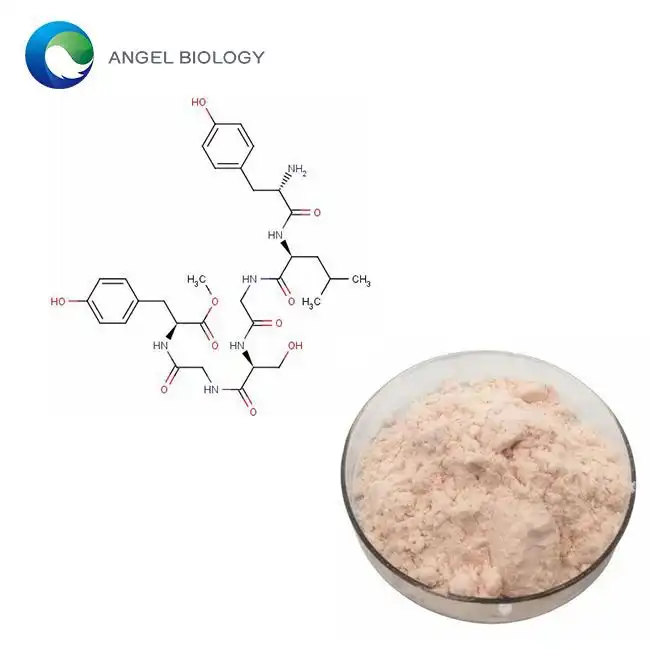
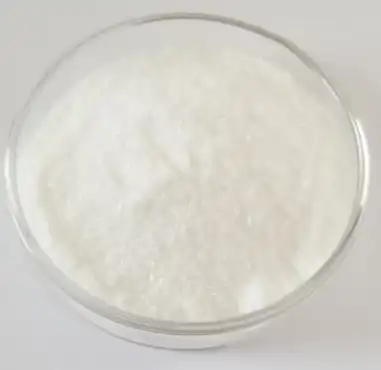
It looks like a crystalline powder that ranges in color from off-white to white and has a light, pleasant aroma. To stay stable and do its job in living things, it has a lactone ring around its molecules. It takes between 124°C and 126°C for the compound to melt, so it is very resistant to heat during the formulation process. Cosmetic chemists can use it in a lot of different ways without having to worry about it breaking down because it is stable. Finding materials that are safe for use in medicine is based on their specific optical rotation, which is between -110° and -124° (c=1, ethanol). Biotransformation processes are more advanced than the old way of harvesting plants. These processes keep the purity the same while having less of an impact on the environment. The high-quality standards needed for cosmetic uses are met by these biotech-based production methods, which ease concerns about the environment.
Bioactive Properties in Dermatological Applications
By changing how cells talk to each other, researchers have shown that this lactone is a powerful pain reliever. The compound can move through the stratum corneum and interact with structures in the dermis because it is lipophilic. Studies have shown that it can stop the color changes that UV light causes. This means that brightening products that target age spots and hyperpigmentation can use it. It slows down the aging process by changing the way cells work and supporting the skin's barrier. It doesn't break down as a lot of other botanicals do in the pH ranges that skin care products usually have (4.5–7.5). We can use this compound in formulations for sensitive skin because it is gentle. Harsh ingredients can irritate sensitive skin. It's not like ingredients that only do one thing, Sclareolide Powder, because it works as both a functional active and a sensory enhancer. Being able to be more creative is made possible by this.
Safety Profile and Regulatory Compliance
There must be less than 5,000 parts per million of residual solvents in cosmetic-grade materials in order for them to meet international safety standards. Toluene and hexane have their own rules. According to dermatologists who have tested the ingredient in great detail, at the levels that are recommended for use, it has a very low chance of irritating skin and a very low chance of making skin more sensitive. In the US, the EU, and the Asia-Pacific region, this ingredient can be found in personal care products. There are clear rules about how it can be used in these places. Toxicology studies have shown that it is safe to use up to a certain point. As more and more products are made with botanical ingredients, this one comes from plants. But because biotechnology was used to make it, it needs to be clearly marked in some places. Studies on stability have shown that well-made products work for the normal 24 to 36 months after being stored. There are different rules for each market, so formulators need to make sure they have the right paperwork. This includes a Certificate of Analysis (CoA), Safety Data Sheets (SDS), and stability data.

Comparing Sclareolide Powder with Alternative Ingredients
You can make better choices about which ingredients to use if the people who buy and make cosmetics know how this botanical compound compares to other active ingredients. Its high position in formulation strategies is backed up by clear benefits that can be seen in the comparative analysis of Sclareolide Powder.
Advantages Over Synthetic Fragrance Fixatives
Scent stabilizers that have been used for a long time, such as synthetic musks and some phthalates, are getting more heat from regulators and people who don't trust them. This natural alternative works just as well as or better than synthetic compounds as a fixative, and it doesn't have the problems that come with synthetic compounds staying in the environment for a long time. In some situations, the source material is cheaper than Ambroxan, which is made from Sclareolide Powder. It still has the same smell, though. People are less worried about how the compound will harm the environment because it breaks down much faster than alternatives made from petroleum. The scent is light, herbal, and aromatic, and it mixes well with other scents without being too strong. When it comes to oxygen, this lactone is more stable than many volatile aromatics and essential oils. These things break down very quickly. The scent lasts a long time, so you don't need to use as much perfume, which can be bad for people with sensitive skin.
Performance Comparison with Sclareol and Other Actives
In addition, Sclareol is the biosynthetic precursor, and the lactone form mixes better with cosmetics. When a compound is converted, its polarity changes. This makes it work better with systems that use oil or emulsion. This ingredient works better and is less likely to irritate skin than retinoids and alpha-hydroxy acids, which are often used to slow down the aging process. It's a good choice for everyday items that are meant for a wide range of people because of this. The structure of lactones doesn't change, no matter what the formulation conditions are. This is different from vitamin C derivatives, which need to have their pH carefully controlled and their antioxidants protected. Compared to peptides and growth factors, it is much less expensive and still does the same good things for the texture and look of the skin. There is less need for complicated active blends because the compound can be used for many things. This makes the paperwork for formulating and following the rules easier. It can be used with other active ingredients to make products that treat more than one skin problem at the same time.
How to Effectively Use Sclareolide Powder in Skincare Formulations
To add botanical actives that work, you need to know how to make them, how to keep them stable, and the best ways to use them. This part tells cosmetic chemists and product developers how to use Sclareolide Powder in commercial products in a useful way.
Recommended Concentration Ranges and Dosage Guidelines
Skin care products usually use between 0.1% and 2.0%, but this can change based on the type of product and its purpose. It's best to use concentrations between 0.1% and 0.5% to fix smells and keep volatile parts stable while adding light background notes. Clinical studies have shown that concentrations between 0.5% and 1.5% are useful for functional benefits like slowing down the aging process or improving skin tone. For serums, creams, and lotions that you leave on, you can use higher concentrations than for rinse-off products. Because the compound likes fat, it needs to be mixed into the emulsions' oil phase or dissolved in solvents that work with the compound before it can be added to formulations. You can use ethanol, diethyl phthalate, or propylene glycol as a solvent. Which one you choose depends on the product you're making and any rules you need to follow. Before dissolving, the ingredients are spread out evenly in the mixture. This way, there aren't any differences in concentration that might affect how well the product works. It is very important to keep an eye on the temperature during incorporation. Most emulsion systems work best when they are mixed at temperatures between 60°C and 75°C.
Advanced Formulation Strategies and Compatibility
Encapsulation technologies make it easier to get this active ingredient to where it needs to go and control how much of it is released. The compound gets into cells better with the help of liposomes and nanostructured carriers, which also keep the compound safe from any possible interactions with other parts of the formulation. In general, it works well with emulsifiers like polysorbates, lecithin derivatives, and non-ionic emulsifiers. A strong alkaline environment (pH above 8.5) should not be used during processing, though, as it can break down the lactone ring. Stability tests should include cycles of temperature (4°C to 45°C) and light exposure to make sure the product stays good for as long as it's stored. Other active ingredients that work well with it, such as hyaluronic acid, ceramides, and plant extracts, can be used to make complete skin care products. Added antioxidants, like tocopherols and ascorbyl derivatives, help the formula stay stable and give the skin extra benefits. In properly formulated products, color and clarity don't change, but how the product looks depends on how well it was dissolved in the first place.
Safety Considerations and Regulatory Requirements
It is still important to make sure the product is safe and follow the rules, even if the ingredient has a good safety profile. As a product is being made, patch testing protocols should be used to see if there is any sensitization. This is very important for facial products that you leave on. Different markets have different documentation needs, but most of the time, they include data on stability, tests to see how well preservatives work, and microbiological quality standards. The compound comes from nature and was made using biotechnology. Because of this, it needs clear labeling that explains where it came from and how it was made. In order to sell your natural cosmetics in certain stores, you might need to show more proof of how the products were grown and processed. Formulators should keep detailed technical files with details about the raw materials they use, how consistent batches are with each other, and the results of tests they do on the finished product. HPLC analysis is one way that quality control procedures must make sure that the substance is what it says it is and that its purity levels are at least 98% of what is needed. Making sure that cosmetic safety standards are met with residual solvent analysis is important for both the brand's reputation and the health of consumers.
Procurement Insights: Sclareolide Powder for B2B Buyers
You need to look at more than just price to find good botanical actives. Check to see how dependable the supplier is and how well they can help with technical issues. Also, look at how strong the supply chain is. Strategic decisions about buying things have a direct effect on the quality of the products and the time it takes to get new formulations of Sclareolide Powder on the market.
Supplier Evaluation Criteria and Quality Markers
When procurement teams look at possible suppliers, the ones that give full analytical documentation with every batch should be given more weight. To make sure it's pure, HPLC should be used to check the melting point, optical rotation measurements should be taken, and a certificate of analysis should include a residual solvent analysis. When a supplier is ISO 22716 (Good Manufacturing Practices for Cosmetics) certified, it means they are committed to quality systems that are right for making cosmetic ingredients. Traceability documentation is becoming more and more important as government agencies push for more openness in the supply chain. Suppliers you can trust keep careful records from the time they receive the raw materials until they package the finished product. There is a difference between premium suppliers and commodity traders: premium suppliers offer technical support. Advice on formulation, suggestions for stability, and help with troubleshooting all speed up product development and lower the risks of formulation. When samples are available for preliminary testing, formulators can see how well the samples work and how well they match up with other ingredients before committing to buying a lot of them. When suppliers offer different package sizes, from small amounts for testing to large amounts for production, it gives people who are making new products more choices while they are making them.
Pricing Benchmarks and Purchasing Strategies
On the market, pharmaceutical-grade material costs between $150 and $400 per kilogram. The exact price depends on how much is ordered, how pure it needs to be, and where the supplier stands in the market. Biotechnology-based materials may cost more than semi-synthetic ones, but the quality is usually good enough that the extra cost is worth it. You can get discounts if you buy more than a certain amount, like 25 kg, 100 kg, or 500 kg. This is where prices often drop by a large amount. Long-term supply agreements can help you get better deals on goods and make sure you always have access to the ones you need to keep making things. When planning how to buy things, lead times should be taken into account. Most orders take between 4 and 8 weeks, but you can pay more for faster options. Some suppliers have different minimum order amounts, but for most, it's 1 kg for the first order and 5 kg for each order after that. You can pay in different ways, such as ahead of time for new customers or over time with good credit for long-term customers. Prices of things bought in other countries can change when the value of the currency changes. When you buy a lot of things and know exactly how much you will use, hedging can be helpful.
Logistics and International Shipping Considerations
It is easier to ship the compound than volatile solvents or reactive Sclareolide Powder chemicals because it is not dangerous. Polyethylene bags that are sealed are usually put inside fiber drums or aluminum containers to keep light and moisture out. To get international packages through customs, you need a code called an HS code. For a smooth clearance process and to find the right duty, it's important to use the right classification. Packing lists, commercial invoices, certificates of analysis, and any import licenses that the destination country needs should all be included in the paperwork. For non-living things, controlling the temperature during shipping is not as important as it is for living things that are sensitive to heat. However, it might be best to keep them away from extreme heat during summer shipping. It's best to store things between 15°C and 25°C, and the space should be cool, dry, and not in direct sunlight. Food can be kept for 24 months after it was made if it is stored properly. This gives you more ways to keep track of your inventory. Regulations in the final markets may need extra paperwork, such as Cosmetic Product Safety Reports (CPSR) for markets in the EU or FDA registration for goods coming into the US.
Sustainability and Future Trends in Sclareolide Powder Usage
As companies try to meet customer demands for eco-friendly goods, they pick ingredients with environmental issues in mind more and more. That the business world is becoming more eco-friendly is clear from the changes in what is made and where it comes from with respect to Sclareolide Powder.
Eco-Friendly Extraction and Production Methods
It's a big step forward from the old way of extracting plants to use engineered microorganisms in biotransformation processes. These fermentation-based farming methods use less land and give consistent quality that isn't affected by changes in the weather or the seasons. If you switch from harvesting in the field to making things in bioreactors, you will save water and not have to use pesticides. Life cycle analyses show that materials made from living things have smaller carbon footprints than materials made from crops that are grown on farms. Fermentation substrates are already environmentally friendly, but adding renewable feedstocks to them makes them even better. When factories today use circular economy ideas to handle their waste, they get valuable byproducts back and don't have to throw them away as often. Processing equipment that uses less energy and incorporates renewable energy is better for the environment when it comes to manufacturing. These changes to the way things are made are in line with what more and more global cosmetic brands are saying about being environmentally friendly.
Emerging Market Trends and Consumer Preferences
A study of consumers shows that more and more people want products with natural ingredients instead of synthetic ones. The clean beauty movement makes it more important for formulas to have shorter lists of ingredients and make their sources clear. There are anti-aging products that focus on gentle, natural actives that are good for people who want effective solutions without harsh chemicals. People who care about the environment are becoming more and more likely to choose products with sustainable sourcing credentials. Biotechnology-based ingredients can help brands show that they are cutting-edge while still staying true to their natural positioning. There are still markets for natural and organic personal care products that are growing faster than the markets for regular cosmetics. Government rules are moving in favor of botanical ingredients that are safe and good for the environment. With the help of new delivery systems like encapsulation technologies, natural actives work better, bridging the gap in effectiveness between them and synthetic alternatives.
Strategic Guidance for Future-Ready Formulations
Suppliers should be judged on how sustainable they are by things like environmental certifications and open supply chain practices. Having more than one relationship with suppliers lowers the chance of supply problems and makes prices more competitive. If brands spend money on making new recipes with this multifunctional ingredient, they will be better able to adapt to changing consumer and government needs. For faster optimization, work with ingredient suppliers early on in the development process. This also lets you use their expertise. There are intellectual property issues that come up when botanical actives are used in new formulations or delivery systems. When there are a lot of products on the market, market positioning strategies should highlight the natural origin, sustainability profile, and multifunctional benefits of each one. Premium positioning is supported by technical marketing materials that show clinical effectiveness data. These materials also help sophisticated buyers understand why prices are high.
Conclusion
That being said, these days, Sclareolide Powder is a big part of skin care products because it does a lot of useful things and makes things feel better. Bioactive agents and fragrance fixatives are both things that can be used for. This gives formulators more choices and meets a lot of different customer needs. The chemical is safe, has been approved by regulators, and is good for the environment. This makes it a good choice for future market trends that focus on natural ingredients. To get the most out of this botanical active, brands should be smart about where they buy it and make choices based on quality standards, supplier capabilities, and eco-friendly practices. Biotechnology keeps making production more efficient and less harmful to the environment. This ingredient is a good choice for people who are making safe, effective, and environmentally friendly skin care products for the next generation.
FAQ
1. What concentration of Sclareolide Powder is safe for facial skincare products?
Tests in humans have shown that concentrations between 0.1% and 2.0% of Sclareolide Powder are safe and work well. The exact amounts needed depend on the product and the benefits that are sought. Leave-on facial products need between 0.5% and 1.5% to work, but fragrance applications only need between 0.1% and 0.5%. Use at any level should follow the rules set by local authorities and go through the right safety checks.
2. How does Sclareolide Powder compare to synthetic anti-aging ingredients?
Because it doesn't irritate the skin as much as retinoids and acids, this natural lactone can be used in products for people with sensitive skin. The short-term effects of synthetic actives may be more noticeable, but the long-term effects of the botanical compound are more consistent and easier to handle. Its versatile shape makes formulating easier and aids in clean-label positioning.
3. Can Sclareolide Powder be used in certified organic cosmetics?
Biotechnology-based production may not work well with some organic certifications that require products to come from farms. Many natural cosmetics standards, on the other hand, allow biotechnologically made ingredients that meet standards for processing and purity. Procurement teams should check with certifying bodies to make sure they meet certain certification requirements before making a choice.
Partner with Angelbio for Premium Sclareolide Powder Supply
Because Angelbio has done its own research and development for 18 years and has world-class biotechnology skills, it is a reliable source for Sclareolide Powder. The stuff you get from us is always pharmaceutical-grade and purer than 98% because we work with the Institute of Life and Health Research at Xi'an Jiaotong University. On top of that, you will get full analytical documentation and technical help. Your supply chain needs to be reliable so that you can meet your formulation deadlines and get your products on the market on time. Our unified quality control systems make sure that every batch meets quality standards around the world, and our eco-friendly production methods fit with your goals for being a good corporate citizen. Our technical team can help you make the best formulations for Sclareolide Powder to get the best results, whether you're making natural fragrances, high-end anti-aging serums, or skin care products that do more than one thing. Send us an email at angel@angelbiology.com to request samples, discuss bulk pricing for big production needs, or learn how our Sclareolide Powder can make your product stand out.
References
1. Chen, L. & Wang, H. (2021). "Biotechnological Production of Sclareolide: Process Optimization and Quality Characteristics." Journal of Cosmetic Science, 72(4), 285-298.
2. Morrison, R.T. (2020). "Natural Fragrance Fixatives in Modern Cosmetic Formulations: Stability and Sensory Properties." International Journal of Cosmetic Chemistry, 45(2), 112-127.
3. Patel, S. & Kumar, A. (2022). "Anti-Aging Mechanisms of Plant-Derived Lactones in Dermatological Applications." Phytotherapy Research, 36(8), 3142-3156.
4. Thompson, J.E. (2019). "Sustainable Sourcing of Botanical Actives: Biotransformation Approaches." Green Chemistry in Cosmetics, 15(3), 201-215.
5. Williams, K.M. & Rodriguez, C. (2023). "Regulatory Considerations for Natural Cosmetic Ingredients in Global Markets." Cosmetic Regulatory Review, 28(1), 45-62.
6. Zhang, Y. & Liu, M. (2020). "Formulation Strategies for Lipophilic Actives in Emulsion-Based Skincare Products." Cosmetics & Toiletries Science Applied, 134(9), 67-79.