



Where to buy Ambroxide manufacturer &suppliers?
To find a trustworthy Ambroxide supplier, you need to carefully look at their quality standards, output skills, and ability to follow the rules. The most reliable sources are specialized fragrance ingredient makers with advanced synthesis tools, like Angelbio, which blends knowledge of plant extraction with strict quality control. The biggest suppliers usually work out of well-known manufacturing hubs in China, Europe, and the US. They give both biofermentation and semi-synthetic routes from sclareol. When choosing an Ambroxide supplier, buying teams should give more weight to suppliers that can show they have ISO certifications, IFRA compliance, and clear batch paperwork to make sure that the smell is the same from one production run to the next.
Understanding Ambroxide and Its Market Demand
What Makes Ambroxide Essential in Modern Fragrance Development?
Ambroxide is the most important molecule in high-end perfumery because it can copy the unique smell of real ambergris without any ethics issues. This terpene oxide (CAS: 6790-58-5) has a fine amber-woody smell, feels warm like silk, and lasts a very long time. This ingredient is highly valued in the fragrance business because it can bring out the best in other notes while also having great fixative qualities that make top notes last longer throughout the day.
Chemical cleanliness has a direct effect on how well something smells. High-quality stuff has to be at least 99% pure, which makes sure that the (-)-Ambroxide isomer that gives the desired smell profile is dominant. The molecule is a white, crystalline powder that melts between 74°C and 77°C. It dissolves in ethanol and dipropylene glycol but not in water. Because of how well it dissolves, it can be used in a wide range of formulations, from perfumes made with alcohol to personal care items made with oil.
Applications Driving Market Growth in 2024
The scent raw material market keeps growing beyond standard perfumery to include more useful uses. This molecule is used by high-end fragrance brands as both a base note and an independent part of molecular perfume ideas, where simple arrangements bring out its skin-scent qualities. Because the material makes nearby ingredients smell stronger, perfumers can make complicated smells with fewer ingredients, which fits with clean-beauty trends that demand clear ingredient lists.
Formulations for home care offer big growth possibilities. Because it has a high molecular weight and doesn't dissolve in water, it works very well as a fabric softener and washing soap. The molecule stays alive through washing processes, keeping clothes fresh for a long time after they've been dried. This is a performance benefit that appeals to customers who want value beyond the initial application.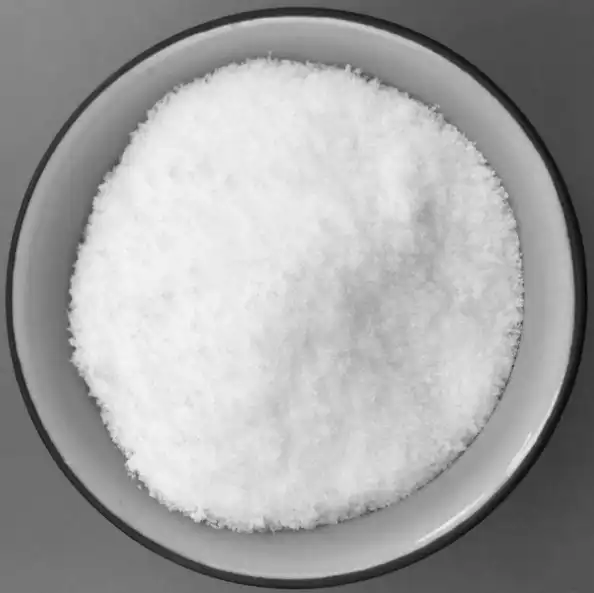
This ingredient is used in skin care and body care products by personal care companies because it adds a gentle warmth that works well with natural ingredients without overpowering delicate base notes. Because the material is stable across a range of pH levels, it can be used in soap recipes. It can survive alkaline settings without changing color or losing its scent.
Natural vs. Synthetic Production Routes
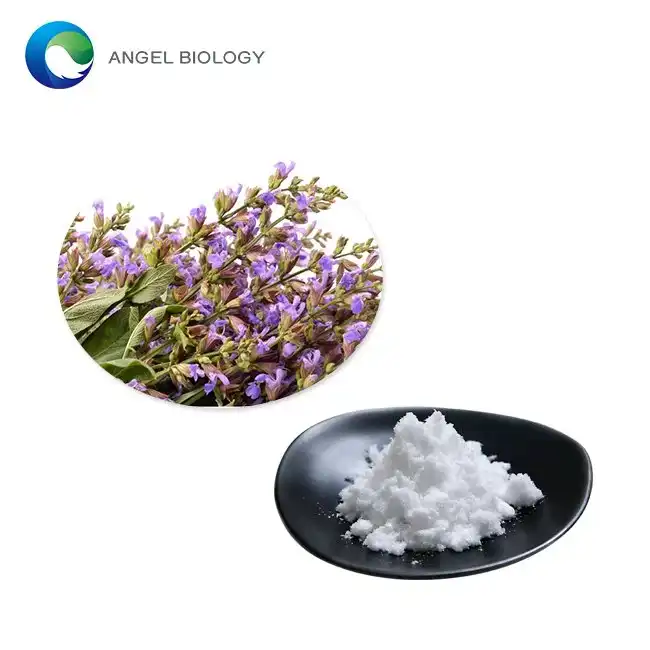
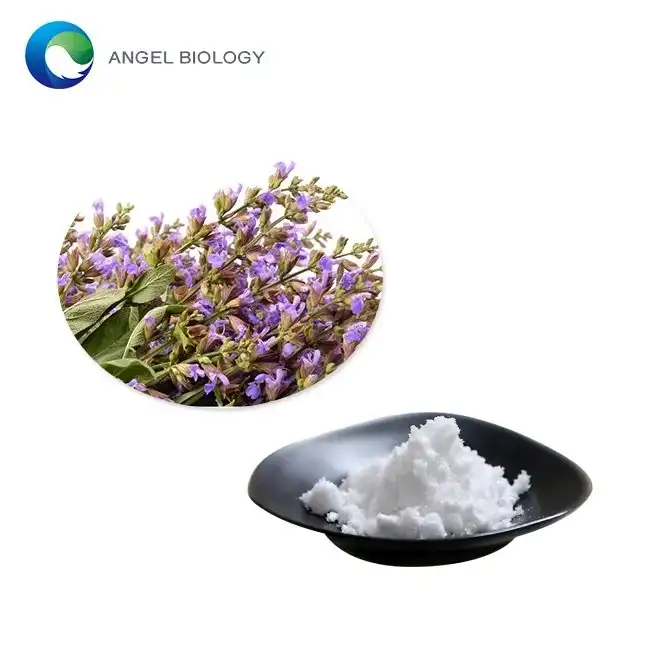
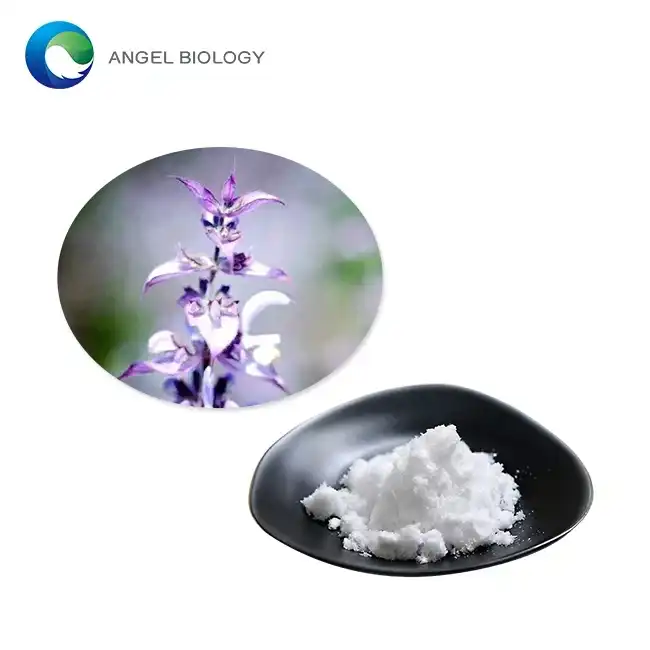
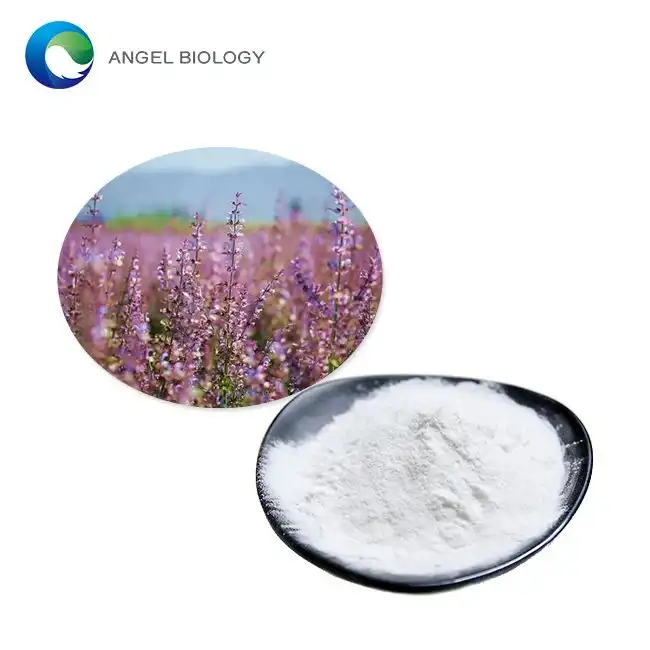
Understanding how things are made helps buying teams look at how sustainable they are and how much they cost. The semi-synthetic methods begin with sclareol, which is taken from clary sage (Salvia sclarea L.) and then goes through chemical changes to make the target molecule. This method strikes a balance between claims of natural origin and production amounts that can be scaled up or down. However, reliance on agriculture can make supply security less reliable.
Bio-fermentation is a new technique that makes growing plants less necessary. Engineered bacteria make precursor chemicals, which need fewer steps of synthesis to become the end product. Even though they cost more than traditional methods, fermenting routes offer more consistent batches and less damage to the environment because they use fewer solvents and less energy.
Criteria for Choosing the Right Ambroxide Supplier
Defining Your Procurement Specifications
To start sourcing successfully, you need to be clear on the basic standards and Ambroxide suppliers. The amount of purity affects both the quality of the smell and the stability of the formulation. For most uses, 99% purity is required, which can be proven through gas chromatography. Prices are different depending on how much you buy in bulk. Orders below 25 kilograms usually cost more, but orders over 100 kilograms get savings and more packaging choices.
The grade standards should fit the needs of the end use. Functional fragrance grades focus on staying stable in tough conditions like high temperatures or alkaline pH, while perfumery grades focus on olfactory purity and low color values (APHA standards). Food-grade variants (FEMA 3471) need extra paperwork and controls for residual solvents that meet ICH Q3C guidelines.
Key Evaluation Metrics for Supplier Selection
Quality assurance programs tell the difference between skilled sellers and traders of goods. Strong testing methods should include GC-MS isomeric purity analysis to make sure that there aren't too many silent (+)-isomers that weaken the scent. Organoleptic review by trained sensory groups confirms that chemical purity matches the expected smell characteristics, finding small impurities that analysis tools can't see.
Delivery dependability affects how much it costs to keep supplies and when to make things. Strategically located suppliers can fill orders within two to four weeks. On the other hand, make-to-order plans can take eight to twelve weeks from the time of the purchase order until the goods are delivered. Consistency in lead times is more important than speed—predictable schedules let you plan production accurately without having to buy expensive safety stock.
Getting certified shows that you follow foreign quality standards. Systematic quality management is proven by ISO 9001 certification, and food safety standards for flavor uses are covered by ISO 22000 certification. REACH registration confirms entry to the European market, and Kosher or Halal licenses let you reach certain groups of customers. A reliable seller will gladly give you these papers along with safety and technical data sheets.
Manufacturer vs. Distributor Relationships
People who buy a lot of things can benefit from having direct relationships with manufacturers. Production facilities offer expert help for improving formulations, customizing processing to meet specific needs, and allocating priorities when supplies are low. Manufacturing partners also make it clear where the raw materials come from and how the process is controlled, which is important for brands that want to talk about sustainability.
Distributors work with smaller buyers and people who need a wide range of ingredients from a single supplier. These middlemen bring together goods from different makers, making it easier to buy things by combining shipping and payment terms. Regional wholesalers make imports easier by clearing customs and keeping local stock, but their prices are usually 15–30% higher than what manufacturers charge directly.
Top Regions and Trusted Ambroxide Suppliers in 2026
Global Manufacturing Hubs and Regional Advantages
China makes most of the world's products, using integrated supply lines that start with growing clary sage and end with chemical synthesis. Jiangsu and Zhejiang provinces' manufacturers offer reasonable prices and are getting better at meeting foreign quality standards. Chinese providers, like Angelbio, can combine low prices with high-level technical know-how, thanks to partnerships with universities for research and advanced analysis tools.
European providers put a lot of emphasis on following the rules and keeping records of sustainable buying. Companies in France and Switzerland work with high-end perfume houses that expect the highest quality and full tracking. These companies often offer custom synthesis services for unique molecules. The regulatory climate makes sure that safety tests are very thorough, but the prices are usually 40–60% higher than those of Asian producers.
United States-based wholesalers focus on the business of importing goods and navigating government rules. These businesses are useful because they have long-term partnerships with scent houses, can quickly send goods to customers in North America, and know how to meet FDA and IFRA regulations that are specific to US markets.
Evaluating Supplier Reliability and Service Quality
Past performance gives you more information than what marketing promises. By asking for customer examples, you can talk directly with current clients about how well you handle problems, how quickly you send items, and how well your technical support team responds. Suppliers who are sure of the quality of their service are happy to connect potential customers with existing accounts that use similar applications.
Sample review programs show that suppliers trust you and lower the risk of buying something. Reliable sellers offer 100-500 gram samples for a small fee, which lets you try out different formulations before committing to buying in bulk. The sample request process itself shows how well operations are running: providers who respond quickly confirm availability and ship within a week, while poorly run operations may need multiple follow-ups and longer wait times. Ambroxide Supplier.
Technical support capabilities distinguish commodity suppliers from strategic partners
Formulation scientists appreciate it when sources give them advice on the best amounts to use, ways to make substances more soluble, and how to test for stability. Having access to expert staff who understand both the chemical and the application speeds up product development and helps solve formulation problems.
Practical Guide to Procuring Ambroxide
Understanding Minimum Order Quantities and Lead Times
When making purchases, it's important to be realistic about order sizes and shipping times. Most producers set minimum order numbers between 10 and 25 kilograms to find a good balance between making things quickly and making them easy for customers to get. Distributors often send smaller amounts because they break down large packages into amounts that each customer needs. However, the cost per kilogram goes up as a result.
Standard wait times for in-stock items are three to six weeks. This includes handling the order, checking for quality release, packing, and sending internationally. Timelines can be extended to eight to twelve weeks for custom packing or cleaning. You can get expedited orders, but if you're good at managing your supplies, you can avoid the extra costs that come with buying things in a hurry.
Pricing Models and Payment Terms in 2026
Prices on the market are based on the prices of raw materials, the amount that is made, and the quality standards. Prices for 99% pure material in bulk range from $180 to $280 per kilogram, depending on the size of the order, where it is delivered, and how the seller positions itself in the market. Premium perfume types that cost between $240 and $320/kg are worth the extra money because they have better aromas and colors.
Payment terms help buyers control their risks while also meeting their cash flow needs. A 50% fee is usually required from new customers, and the balance is due before the shipment. Once a relationship is formed, terms change to net-30 or net-60 after the customer has shown they can be trusted to pay on time. Letters of credit are used for foreign deals and big orders. They protect both parties through banking intermediaries.
Logistics Considerations and Quality Verification
When you send goods across international borders, customs classification, taxes, and regulatory paperwork can get complicated. The item is shipped with the HS number 2932.99 and is known as a heterocyclic substance. Suppliers who know how to export make business invoices, packing lists, certificates of analysis, and safety data sheets in forms that meet the needs of the target country. This makes it easier for customs officials to clear the goods.
Verification of samples before shipping, Ambroxide Supplier, reduces quality complaints. Progressive buyers ask for retention samples from the exact production batch that will be shipped to them and test them on their own before approving the full shipment. This method, which is common in the pharmaceutical industry, stops expensive product complaints after the goods have been delivered and finds potential problems while it is still possible to fix them.
Conclusion
To find good Ambroxide, you have to find a balance between technical requirements, source dependability, and the total cost of ownership. The best strategies for buying things focus on sellers who can show consistent purity through tested analytical methods, open supply chain practices, and quick technology support. When procurement teams know about production methods, legal standards, and performance factors specific to an application, they can negotiate better terms and make sure that the formulation works. The world of fragrance ingredients is always changing. Now, ecology and traceability are just as important as standard quality measures. When brands build relationships with providers who share these values, they can meet both the formulation needs of today and the responsible sourcing standards of tomorrow's market.
FAQ
1. What certifications should an Ambroxide supplier provide?
Suppliers with a good reputation keep up with ISO 9001 standards for quality management systems and provide REACH registration paperwork so that European markets can be reached. For food-grade uses, FDA rules and FEMA GRAS classification must be followed. Kosher and Halal licenses are for specific groups of people, and IFRA compliance makes sure that personal care products are safe. Ask for records of analysis with every shipment that show the amount of purity, physical qualities, and residual solvents.
2. How long does bulk ambroxide ordering typically take?
Usually, it takes four to six weeks from the time a buy order is submitted until it is delivered. This time includes planning production, checking quality, packaging, and shipping internationally. Customized requirements or non-standard amounts may make delivery times eight to twelve weeks longer. Most sample requests are sent out within five to seven business days. Planning purchases around these dates keeps production from being held up and keeps you from having to pay extra for faster shipping.
3. What are the proper storage and handling requirements?
Keep the items in cases with tight lids that are kept in cool, dry places out of direct sunlight. Because it is slightly hygroscopic, it clumps when it comes in contact with water, and the quality may go down. Between 15°C and 25°C is the best range of temperatures for keeping. Under the right conditions, the shelf life usually lasts for 24 months. Handle using normal safety procedures for laboratories, such as making sure there is enough air flow and wearing the right safety gear. Check the safety data sheet for specific instructions on how to handle the item.
Partner with Angelbio for Your Ambroxide Sourcing Needs
Angelbio is a reliable Ambroxide Supplier because they have 18 years of experience extracting plants and advanced analysis skills. Through our relationship with Xi'an Jiaotong University's Institute of Life and Health Research, we have access to the most cutting-edge green chemistry synthesis routes. This means that we can consistently provide 99%+ pure material that meets the strictest standards for fragrance formulation. We know how hard it is for B2B buying teams to keep up with regulations, make sure their supply chains are reliable, and get technology help. To make sure that every batch is the same, our quality assurance programs include full GC-MS analysis, organoleptic evaluation, and stable testing. You can email our technical team at angel@angelbiology.com to ask for samples, talk about your specific application needs, and find out how our combined supply chain skills can help you find better fragrance ingredients.
References
1. Curtis, T. and Williams, D.G. (2021). Introduction to Perfumery, 3rd Edition. Micelle Press.
2. Kraft, P. and Swift, K.A. (2019). "Perspectives on Synthesis in the Fragrance Industry," Topics in Current Chemistry, Vol. 377.
3. Sell, C.S. (2020). The Chemistry of Fragrances: From Perfumer to Consumer, 2nd Edition. Royal Society of Chemistry.
4. Surburg, H. and Panten, J. (2016). Common Fragrance and Flavor Materials: Preparation, Properties and Uses, 6th Edition. Wiley-VCH.
5. Bauer, K., Garbe, D., and Surburg, H. (2018). Common Fragrance and Flavor Materials: Preparation and Uses. Wiley-VCH Verlag GmbH.
6. Arctander, S. (2022). Perfume and Flavor Materials of Natural Origin. Allured Publishing Corporation.