



Where to buy high-quality mulberry leaf extract powder?
To find trustworthy places to get high-quality Mulberry Leaf Extract Powder, you need to carefully look at sellers who meet strict industry standards and have the right licenses. Professional manufacturers with a lot of R&D resources, strict testing procedures, and a history of international compliance are the best places for companies to buy things that they can rely on for quality and supply chains. Companies like Angelbio, which have institutional research relationships and decades of experience with extraction, are the best way to get high-quality natural ingredients that meet the needs of the nutraceuticals, cosmetics, and functional foods industries.
Understanding Mulberry Leaf Extract Powder: Key Benefits and Uses
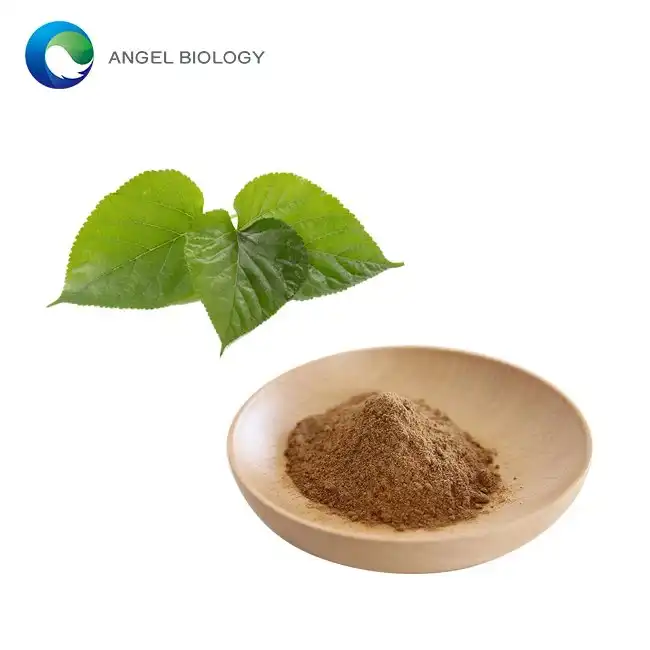
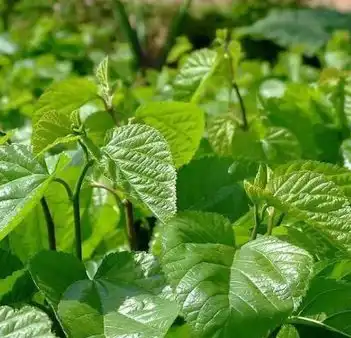
Mulberry leaf extract powder is a high-tech botanical ingredient made by using advanced extraction methods to concentrate bioactive substances like DNJ (1-deoxynojirimycin), flavonoids, and polysaccharides. Carefully choosing the best mulberry leaves is the first step in the extraction process. Standardised processing methods are then used to keep the active compounds intact while getting the best powder properties for a wide range of commercial uses.
Primary Health Benefits and Bioactive Properties
The main health benefits of mulberry leaf extract powder are related to supporting digestive health and protecting cells. The DNJ concentration, which is usually standardised between 1% and 5%, is a natural alpha-glucosidase inhibitor that helps control glucose levels after a meal by stopping the absorption of carbohydrates. Because of this, the extract is very useful for making supplements that help control blood sugar and beneficial foods that are aimed at people who are at risk of getting diabetes. Antioxidant protection comes from the high concentration of flavonoids, such as rutin, quercetin, and chlorogenic acid, which are very good at getting rid of free radicals. These chemicals are good for your heart because they protect it from oxidative stress. They are also good for your face and can be used in cosmetics.
Industrial Applications Across Multiple Sectors
Mulberry leaf extract powder is used in many modern industries for a variety of purposes that take advantage of its unique functional qualities. In the production of nutraceuticals, the extract is the main ingredient in carbohydrate blocker supplements. It is often combined with chromium picolinate or berberine to make formulas that support metabolism even better. Functional beverage companies use the extract in RTD teas and meal replacements because it dissolves easily Mulberry Leaf Extract Powder in water and keeps its pH level even in acidic surroundings. The extract keeps working while not forming crystals. This solves a common problem that comes up when making liquid health products that need to mask tastes and stay stable. The extract's tyrosinase-inhibiting properties are used in cosmetics to make the face look brighter. As long as the pH is stable between 5.5 and 6.5, the extract works about as well as kojic acid and has extra antioxidant benefits that keep serums and creams from breaking down because of UV light.
How to Choose High-Quality Mulberry Leaf Extract Powder: Criteria for B2B Buyers
To choose high-quality mulberry leaf extract powder, you have to look at a lot of quality factors that have an immediate effect on how well the product works and how well it meets legal requirements. Professional buyers have to look at a lot of different factors, from analytical specs to manufacturing standards, to make sure that the quality of each batch is the same and that the supply chain works as expected.
Essential Quality Specifications and Testing Standards
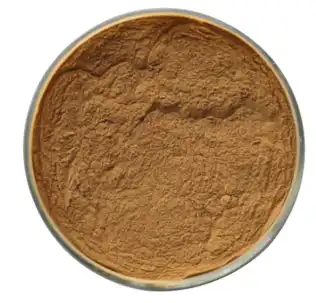
There are certain physical and chemical traits that high-quality mulberry leaf extract powder has that show it was processed correctly and that the active compounds were kept. The powder should be a fine, brownish-green to dark brown substance with a particle size distribution such that 95% of it goes through 80-mesh sieves. This will make sure that the blend is as uniform as possible during the manufacturing process. Some important analytical factors are the guaranteed DNJ content, which can be checked using HPLC-ELSD or FMOC-derivatisation HPLC methods, the total flavonoids expressed as rutin equivalents, and the polysaccharide content. To make sure stability and cleanliness standards are met, quality standards should require ash content to be less than 10% and moisture content to be less than 5% (Loss on Drying). There must be a total plate count, yeast and mould counts, and pathogen screening for E. coli, Salmonella, and Staphylococcus aureus in microbiological testing methods. Testing for heavy metals like lead, mercury, cadmium, and arsenic should make sure that the amounts meet international standards for food safety.
Certification Requirements and Compliance Standards
Professional manufacturers keep a number of certificates that show they follow quality systems and make sure their products are safe. The ISO 9001 quality management certification shows that quality control is done in a planned way, and GMP compliance makes sure that manufacturing methods meet standards for making ingredients that are safe for use in medicines. Organic certification from the USDA, EU, or JAS adds a lot of value, but it needs to be proven that the whole supply chain can be tracked from farming to processing. Certifications like Halal and Kosher make it easier for goods that are aimed at certain groups of people to reach more customers. North American suppliers must follow FDA registration and notification rules, while European suppliers must follow Novel Food regulations and provide a lot of technical information to back up promises about product safety and effectiveness.
Top Sources for Purchasing Bulk Mulberry Leaf Extract Powder
The best places to get mulberry leaf extract powder concentrates are those that are already well-established as manufacturing hubs and have strong systems for extracting plants and following rules. By knowing the strengths and weaknesses of each area and the skills of each supplier, you can make smart purchasing choices that balance quality, cost, and the dependability of the supply chain.
Leading Manufacturing Regions and Supplier Networks
Asian companies make the most of the mulberry leaf extract because they have easy access to a lot of raw materials and a well-established system for extraction technology. China has the most production capacity in the world. Its factories are very advanced and use both traditional plant knowledge and modern standardisation methods to offer competitive prices and new technologies. European sellers put a lot of emphasis on positioning their products as high-quality by using strict organic certification and environmentally friendly sourcing methods. These companies usually focus on high-value apps that need a lot of paperwork and help with following rules for the pharmaceutical and nutraceutical markets. North American distributors often work with certified Asian producers while still keeping their own technical support staff and regulatory experts in the United States. While keeping costs low, this mixed model makes sure that customer service and supply chain management are close by.
Evaluation Criteria for Supplier Selection
Reliable suppliers show consistent production capacity and a manufacturing system that can be expanded to handle different order volumes. Production sites should have storage areas that are kept at a constant temperature, automated systems for packaging, and full quality control labs that can do analytical testing and make certificates of analysis. Customisation choices for changing particle size, carrier addition for better flowability, and private label packaging services are some of the technical services that are available. To make sure that their products work well with customer applications, suppliers should offer formulation help and compatibility testing. It's becoming more and more important to think about financial security and the resilience of the supply chain. Established suppliers keep a variety of ways to get raw materials, good systems for keeping track of their stock, and clear pricing structures with volume-based rewards that encourage long-term partnerships.
Procurement Best Practices for Mulberry Leaf Extract Powder
Strategic methods for purchasing improve relationships with suppliers and make sure that quality and cost-effectiveness are maintained throughout the supply chain. Professional buyers use structured evaluation methods and risk management plans that help them meet legal compliance and sustainable sourcing goals.
Supplier Qualification and Partnership Development
Before starting to work with a supplier, you should do a full audit of their manufacturing skills, quality systems, and regulatory compliance status. Site visits or audits by a third party make sure that the facility meets standards for things like staff qualifications, equipment upkeep, and following the right steps to keep the equipment in good shape. As proof, you need up-to-date certificates of analysis, stability studies, regulatory compliance certificates, and customer references from similar applications. Suppliers should give detailed technical data sheets that include information about how the product dissolves, how it should be stored, and how it works with other ingredients in different formulation settings. During contract talks, clear quality standards, delivery schedules, and performance metrics should be set, along with clear ways to fix materials that don't meet the standards. Long-term partnership deals often support both businesses' growth goals while keeping prices stable and giving priority when supplies are low.
Quality Control Implementation and Risk Mitigation
Protocols for checking incoming materials should check for quality Mulberry Leaf Extract Powder issues like DNJ content, moisture levels, microbiological safety, and heavy metals compliance. Setting acceptable quality limits and using statistical process control methods makes it easy to find problems with quality quickly, before the materials go into production. Diversifying suppliers is a way to lower risks in the supply chain while keeping quality standards high. By qualifying more than one supplier for the same specification, you have back-up choices in case there are unplanned problems with the supply chain. This also helps keep prices low by using strategic sourcing techniques. Optimising inventory management means finding a balance between carrying costs and supply security. Setting the right amounts of safety stock based on changing demand and supplier lead times keeps production from stopping and keeps the need for working capital to a minimum.
Conclusion
To find a good supplier of mulberry leaf extract powder, you need to carefully look at their skills, quality standards, and legal compliance frameworks. Professional procurement strategies stress fully screening suppliers, implementing strong quality control measures, and building strategic partnerships that guarantee consistent product performance and supply chain dependability. If you want to be successful, you need to know the technical requirements for your product and be able to change with the times as market conditions and regulations do.
FAQ
1. What is the typical DNJ content range for commercial mulberry leaf extract powder?
Commercial mulberry leaf extract powder typically contains DNJ concentrations ranging from 1% to 5%, with higher concentrations commanding premium pricing. The specific content should align with your formulation requirements and target dosage recommendations for end-use applications.
2. How should mulberry leaf extract powder be stored to maintain quality?
Proper storage requires cool, dry conditions below 25°C with relative humidity under 60%. Sealed containers protected from light and moisture prevent oxidation of active compounds and extend shelf life to 24-36 months when stored correctly.
3. What testing methods verify mulberry leaf extract powder quality?
HPLC-ELSD or FMOC-derivatisation HPLC methods provide accurate DNJ quantification, while UV-spectrophotometry measures total flavonoid content. Microbiological testing and heavy metals analysis ensure safety compliance according to international standards.
4. Are organic certified options available for bulk purchases?
Yes, certified organic mulberry leaf extract powder is available from qualified suppliers maintaining USDA, EU, or JAS organic certification. Organic options typically require longer lead times and carry premium pricing compared to conventional grades.
Partner with Angelbio for Premium Mulberry Leaf Extract Powder Supply
Angelbio stands as your trusted mulberry leaf extract powder manufacturer, Mulberry Leaf Extract Powder combining 18 years of independent R&D expertise with institutional research partnerships from Xi'an Jiaotong University. Our advanced extraction facilities produce pharmaceutical-grade mulberry leaf extract powder meeting international quality standards with guaranteed DNJ content and comprehensive analytical documentation.
Our technical team provides formulation support and customisation services tailored to your specific application requirements. We maintain extensive inventory capacity with flexible MOQ options supporting both emerging brands and established manufacturers across nutraceutical, cosmetic, and functional food industries.
Contact our procurement specialists at angel@angelbiology.com to request detailed product specifications, competitive pricing information, and complimentary samples for evaluation. Discover how Angelbio's commitment to quality excellence and supply chain reliability can enhance your product development objectives while ensuring consistent ingredient performance.
References
1. Journal of Nutritional Biochemistry: "1-Deoxynojirimycin content and antioxidant activity of mulberry leaf extracts: Effects of extraction methods and standardisation"
2. International Food Research Journal: "Quality assessment parameters for commercial mulberry leaf extract powders in nutraceutical applications"
3. Pharmaceutical Biology: "Comparative analysis of mulberry leaf extract processing methods and their impact on bioactive compound preservation"
4. Food Chemistry and Toxicology: "Safety evaluation and regulatory considerations for mulberry leaf extract in functional food applications"
5. Industrial Biotechnology and Natural Products: "Manufacturing standards and quality control protocols for botanical extract powder production"
6. Global Supply Chain Management Review: "Best practices in procurement and supplier qualification for natural ingredient manufacturers"