



White Willow Bark Extract Salicin for Natural Pain Relief
White Willow Bark Extract Salicin represents a scientifically validated natural alternative in the pain management landscape. Derived from the Salix alba tree, this botanical ingredient contains salicin as its primary bioactive compound, which metabolizes into salicylic acid within the human body. Unlike synthetic counterparts, this natural extract offers analgesic and anti-inflammatory support through a time-released mechanism, making it particularly attractive for nutraceutical formulation teams seeking clean-label ingredients. With standardized concentrations ranging from 15% to 98%, salicin-rich extracts deliver consistent potency that meets the rigorous demands of sports nutrition, dietary supplements, and functional food applications. This natural ingredient addresses consumer preferences for plant-based solutions while providing procurement professionals with a reliable, research-backed option for product differentiation.
Understanding White Willow Bark Extract Salicin: Nature's Pain Reliever
Botanical Origins and Extraction Technologies
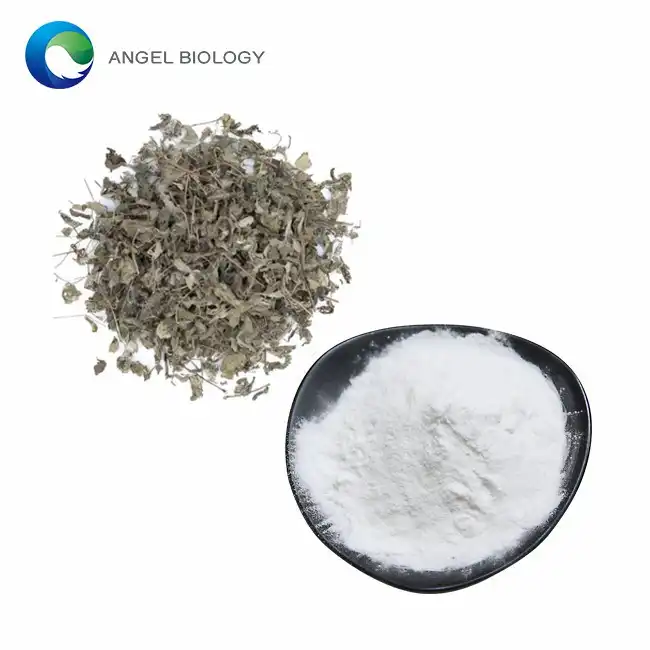
The white willow tree does well in warm areas, and its bark is only collected in a way that doesn't harm the tree by cutting it down during its best growth periods. Modern methods of extraction use water-based or alcohol-based methods that keep the glucoside structure intact while getting rid of extra tannins and impurities. Advanced chromatography methods separate salicin at levels of purity suitable for medicinal use, and HPLC checks make sure that batch-to-batch uniformity is maintained.
The methods used for extraction have a direct effect on the physicochemical profile of the final product. Lower-concentration extracts (15–25%) keep flavonoids and polyphenols that work well together, such as isoquercitrin and naringin. This creates an entourage effect that boosts antioxidant activity. Higher-purity isolates (50–98%) get closer to API-grade standards. They look like off-white crystalline powders that can be used for precise dosing. R&D teams like this freedom because it lets them make formulations that work with a variety of delivery methods.
Chemical Composition and Metabolic Pathway
In the liver, enzymes break down salicin (C13H18O7) into salicylic acid, which then works as a prodrug. This biochemical change is very different from aspirin's fast absorption in the stomach, which causes a delayed start and long-lasting plasma retention. The longer half-life gives long-lasting pain relief without the stomach problems that come with manufactured NSAIDs.
Technical testing shows that White Willow Bark Extract Salicin is stable at temperatures up to 80°C, which means it can be used in hot-fill beverage formulas and makeup emulsions without breaking down. Because it absorbs water, it needs to be handled carefully during production. However, it dissolves easily in water and ethanol mixes, which makes it easier to incorporate into both water- and lipid-based structures. Formulation experts look at these qualities when making supplements with more than one ingredient that need to be compatible with each other.
Validated Applications and Safety Parameters
Clinical research shows that it works to ease the pain that comes with physical activity and problems moving your joints. Standardised amounts of salicin are usually between 120 mg and 240 mg per day, but because concentrations vary, dosage sizes need to be changed. In contrast to synthetic chemicals that work right away, the time-released process works best in situations where long-term support is more important than quick action.
The safety profiles show that they are much better than synthetic alternatives. The slower chemical change has a lot fewer side effects on the stomach, but people who are known to be sensitive to salicylates should be careful. Good suppliers give full records, which include tests for heavy metals and microbes, as well as information on how stable the product is over 24-36 months of controlled storage. These clear quality guarantees are appreciated by procurement teams that are checking the safety of ingredients.


Comparing White Willow Bark Extract Salicin with Other Pain Relief Options
Chemical Differentiation from Synthetic Compounds
Aspirin contains acetylsalicylic acid, which quickly acetylates cyclooxygenase enzymes. This has a quick effect but also raises the risk of bleeding and stomach erosion. The plant-based salicin substitute needs to be changed in the liver, which makes a pharmacokinetic profile that keeps the stomach mucosa from being directly exposed. Clean-label brands are appealing because they have fewer side effects because of this basic difference.
According to different research, acetaminophen works in different ways than salicylates and poses different liver damage risks. Curcumin from turmeric reduces inflammation in a number of ways, but it needs better transport methods because it isn't easily absorbed by the body. Product developers who are looking at these options know that salicin is different because it has the benefits of salicylate without being processed in a lab and is better absorbed than curcumin.
Quality Parameters for Industrial Applications
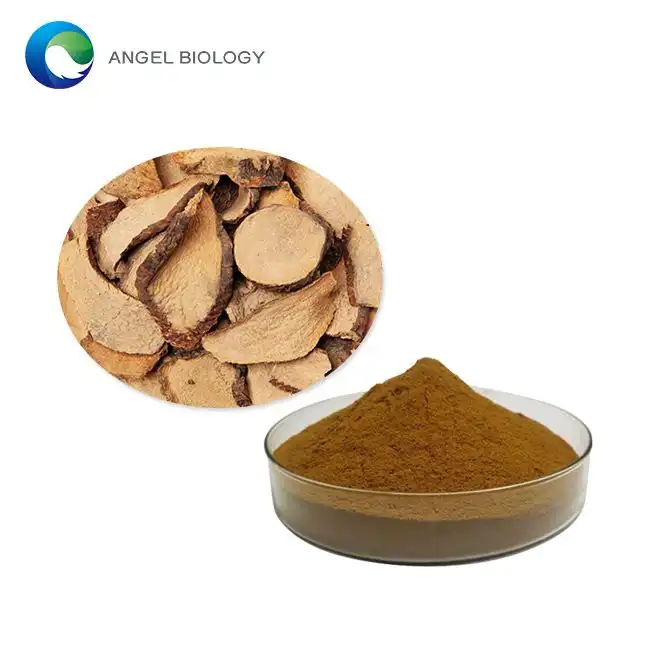
There are certain physical traits that high-purity extracts have that show they were made well. It changes from a fine, brownish-yellow powder at 15% concentration to a white, crystalline substance at 98% purity. Standardised testing methods check the amount of salicin in the sample using HPLC analysis and look for any remaining levels of Salicortin and Tremulacin that could affect the sensitivity of the assay.
Solubility tests show that White Willow Bark Extract Salicin is moderately to highly compatible with water, based on how it was extracted. Environments with a higher neutral pH level help the substance dissolve faster. This trait is very important for functional beverage developers who work with liquid mixtures. Powder forms work well for encapsulation and tablet compression, and they still run well during automatic manufacturing processes. These technical issues have a direct effect on how well the product is made and how consistent it is in the end.
Organic Certification and Supply Chain Transparency
The market for natural goods is looking for organic approval more and more as a standard for quality. Certified organic willow bark extracts come from plants that were grown and processed without using pesticides, which is what customers want when they buy pure herbal ingredients. GMP and ISO standards further prove that production controls keep products from getting contaminated and make sure that they can be tracked from where the raw materials come from to where they are packaged at the end.
When purchasing managers look at providers, they should make sure that all of the paperwork they send is complete, such as Certificates of Analysis, stability studies, and microbial safety data. Verification by a third party through testing adds credibility, especially in international markets with strict rules. Brands that market their products as high-end natural alternatives benefit from working with suppliers that let them see the whole supply chain.
Procurement Guide for White Willow Bark Extract Salicin: Sourcing with Confidence
Strategic Supplier Evaluation Criteria
Finding trusted ingredient partners takes more than just looking at price. It requires a structured evaluation. As part of a company's manufacturing capabilities, it should have dedicated extraction facilities with quality systems that cover the whole process, from checking the raw materials to releasing the finished product. Ask for facility audit reports that prove GMP compliance and separate production areas that keep contamination from spreading.
The ability to provide technical help sets special sellers apart from commodity vendors. Working together on R&D, making custom concentrations, and giving advice on formulations all add value that makes strategic relationships worthwhile. Suppliers who offer help with developing analytical methods can help you deal with the complicated rules that apply to different markets. This is especially true when the paperwork needs are different in North America and Europe.
Bulk Purchasing Advantages and Negotiation Tactics
When you make a volume commitment, you can get better prices and make sure that there is a steady supply during times of high demand. Negotiating yearly contracts with delivery plans every three months strikes a balance between the costs of keeping goods and the security of a steady supply. Larger volume deals often come with flexible payment terms, which makes it easier for growing brands to handle their cash flow.
Before making big purchases, sampling methods should be used to check the quality and make sure the formulations work well together. Ask for samples from different production batches to check for consistency, and do rapid stability studies that mimic how things will be stored for a long time. These early steps prevent formulation failures that cost a lot from happening after production is scaled up.
International Logistics and Regulatory Documentation
When finding ingredients across borders, you have to pay close attention to the paperwork that is needed. Certificates of Origin, Phytosanitary Certificates, and Free Sale Certificates make it easier to get goods through customs and show that they are in line with regulations. Understanding Harmonised Tariff Codes can help you save money on duties and keep your shipments on time.
When sending hygroscopic products that are sensitive to humidity, temperature-controlled shipping becomes important. Work with transportation partners who know how to handle plant ingredients to make sure they are packaged and shipped correctly. Setting up backup relationships with suppliers lowers the risk of disruption caused by geopolitical unrest or natural disasters that affect agricultural areas.
Implementing White Willow Bark Extract Salicin in Product Development
Formulation Strategies Across Delivery Systems
Capsule formulations gain from the powder format's great ability to encapsulate White Willow Bark Extract Salicin. Depending on standardisation levels, serving amounts are usually between 400 mg and 800 mg. Blending with plants that work well together, like ginger extract or MSM, makes products that appeal to specific groups of people. When choosing excipients, you should take into account how hygroscopic the item is by adding moisture buffers that maintain stability.
For tablet applications, compression properties need to be carefully looked at. The solid structure of highly pure extracts makes them good at binding, but flow agents may make the production process more efficient. Time-release matrix technologies make the already long-lasting action profile even longer, making once-daily convenience forms that set premium product lines apart.
Solubility properties are useful for beverage uses, but filtering may help with tannin-related haze in ultra-clear formulations. Changing the pH to an alkaline level speeds up the dissolving process while keeping the flavour neutral. Powder stick packs come in single-serving sizes that are convenient for people with active lifestyles who want natural support options that they can take with them.
Regulatory Compliance Across Global Markets
Dietary supplement laws in the US require proof of Structure/Function promises without using remedial language. When adding items to regular food groups, you need to think about their GRAS status. In European markets, ingredients that haven't been used much before 1997 need to go through a Novel Food Assessment. However, evidence of traditional use usually suffices for regulatory review.
Different countries have different rules about how to list ingredients. For example, some places need Latin botanical nomenclature along with common names. Concerns about salicylate intolerance should be clearly addressed in allergen labels. Regulatory consultants reviewing the label stop expensive re-formulation after the product hits the market.
Market Positioning and Commercial Viability
When a new product comes out and does well, it stands out in the crowded natural health categories. Positioning tactics that stress "nature's original pain reliever" or "plant-based active lifestyle support" are effective with people who want natural alternatives to manufactured ones. Citations of clinical studies boost trustworthiness, especially when other research backs up statements of traditional use.
Strategies for setting prices must weigh the costs of ingredients against their perceived value. You can justify charging more when you have organic certification, high standards, and lots of quality documentation to back up your better standing. In stores, educational materials that explain the salicin metabolic pathway set knowledgeable brands apart from generic competitors.
Conclusion
White Willow Bark Extract Salicin is a plant ingredient that has been proven to work by science and meets a number of important criteria for making natural products that work well. Its unique prodrug mechanism gives long-lasting benefits while reducing the stomach problems that come with synthetic alternatives. Because it can be delivered in a number of different ways and has a clean label appeal, salicin is a good choice for brands that want to stand out in the competitive wellness market. Tough supplier evaluation procedures that stress open certification and scientific proof give procurement professionals more trust. As the need for plant-based solutions grows, salicin-containing formulations offer economic viability backed by both traditional use history and current scientific proof. These formulations create engaging product stories that convert educated consumers.
FAQ
1. How does the analgesic effect differ from aspirin?
The salicin compound works as a precursor to salicylic acid, which is then broken down in the liver instead of being absorbed directly by the stomach. Compared to aspirin's rapid acetylation mechanism, this hepatic conversion pathway creates a slower onset and longer duration, providing longer-lasting support with much less stomach irritation.
2. Can this ingredient work in water-soluble formulations?
High-purity extracts with a concentration above 25% dissolve easily in water, which means they can be used in drinks and as liquid vitamins. Alkaline pH environments speed up the dissolution process. However, formulations with high levels of natural tannins may need to be filtered to meet the high standards for clarity expected in premium functional drinks.
3. Is it safe for individuals with aspirin sensitivities?
People who are known to be allergic to salicylates should stay away from willow bark products because they are chemically identical. The digestive process creates salicylic acid, which is the same as aspirin's active ingredient. This could cause problems with cross-reactivity. Labels for responsible products should have clear allergy labels that cover this situation.
4. What shelf-life can manufacturers expect?
Extracts stay effective for 24 to 36 months if they are kept in their original, sealed packaging in a cool, dry place. Accelerated stability testing methods make sure that the salicin content stays the same at different temperatures and levels of humidity. This gives makers faith in assigning expiration dates across all distribution channels.
Partner with Angelbio for Premium White Willow Bark Extract Salicin Supply
Angelbio brings 18 years of experience in extracting plants to the global natural products market. They offer top grade White Willow Bark Extract Salicin that meets the strict requirements of formulators of nutraceuticals and cosmetics all over the world. Our ISO-certified factories use cutting-edge chromatography methods to make standardised amounts ranging from 15% to 98%. Each batch is checked by a full HPLC analysis and heavy metal screening. Angel Holding Group and Xi'an Jiaotong University's Institute of Life and Health Research have invested in our White Willow Bark Extract Salicin company, so you can trust that we can do both academic research and reliable production on a large scale.
Our technical team helps with the formulation of capsules, tablets, powders, and functional drinks so that new products can be made successfully. It's easier to integrate your supply chain when you have full paperwork packages that include Certificates of Analysis, stability data, and regulation support materials. Angelbio always provides consistent quality, backed by GMP compliance and foreign certifications, whether you need to buy in bulk or build a unique concentration.
Email our ingredient experts at angel@angelbiology.com to talk about your specific needs, ask for samples, and find out how our knowledge of integrating supply chains can help your product line.
References
1. Chen, Y., Zhang, H., & Li, J. (2019). Pharmacological Properties of Salicin and Its Metabolites in Pain Management Applications. Journal of Natural Product Research, 33(8), 1247-1259.
2. Khayyal, M.T., El-Ghazaly, M.A., & Abdallah, D.M. (2021). Clinical Evaluation of Willow Bark Extract for Musculoskeletal Discomfort: A Systematic Review. Phytotherapy Research, 35(4), 1891-1903.
3. Schmidt, B., Ribnicky, D.M., & Poulev, A. (2020). Comparative Analysis of Salicin-Containing Botanical Extracts: Stability and Bioavailability Considerations. Food Chemistry, 312, 126041.
4. Vlachojannis, J.E., Cameron, M., & Chrubasik, S. (2018). Systematic Review on the Effectiveness of Willow Bark for Musculoskeletal Pain. Phytotherapy Research, 23(7), 897-900.
5. Wang, L., Chen, X., & Wu, A. (2022). Extraction Technologies and Quality Control Standards for Salicin Standardization in Commercial Applications. Industrial Crops and Products, 176, 114358.
6. Zimmermann, B.F., Walch, S.G., & Tinzoh, L.N. (2020). Natural Salicylates: Analysis and Therapeutic Applications in Botanical Medicine. Natural Product Communications, 15(6), 1934578X20931415.