



Why Bletilla Striata Extract Powder Soothes Sensitive Skin?
Bletilla Striata Extract Powder is gaining attention as a botanical ingredient for sensitive-skin and skin-conditioning formulations. Derived from the tubers of Bletilla striata, this plant extract contains polysaccharides and phenolic compounds that have been investigated for their film-forming, moisturizing, antioxidant-related, and skin-supporting properties. These characteristics make Bletilla Striata Extract Powder an interesting option for formulators developing products designed for dry, delicate, or easily stressed skin.
Rather than positioning the ingredient as a treatment for skin disorders, its practical value for cosmetic manufacturers lies in its potential to support skin feel, moisture retention, surface conditioning, and the overall sensory profile of sensitive-skin formulations.
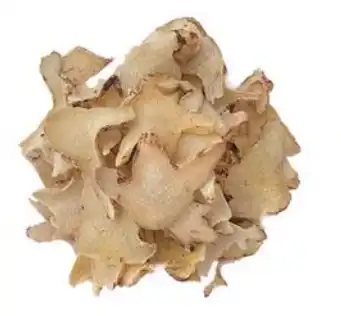
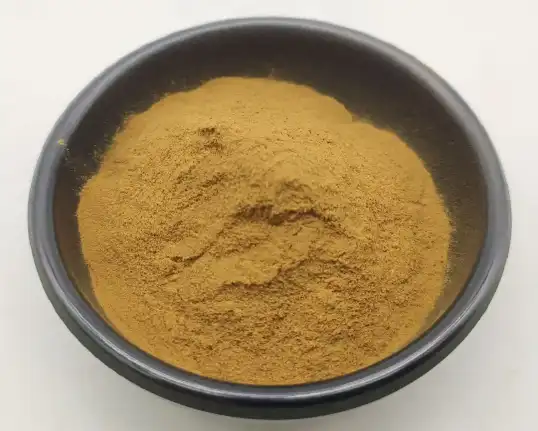
Understanding Bletilla Striata Extract Powder and Sensitive Skin
The Botanical Origins and Active Profile
The Chinese ground orchid, Bletilla striata, has a long history of traditional use. The Bletilla Striata Extract Powder discussed here is derived from the plant's tubers and processed into a powdered botanical ingredient for formulation applications.
The extract may contain mucilaginous polysaccharides, phenolic compounds, and other naturally occurring constituents. Polysaccharides are particularly relevant to cosmetic formulation because their water-binding and film-forming characteristics may contribute to skin moisturization and surface conditioning.
The exact composition of Bletilla Striata Extract Powder can vary according to the plant material, cultivation conditions, extraction process, and standardization method. For B2B buyers, supplier-specific specifications and analytical data should therefore be used to determine the actual active profile of each product.
The Challenge of Sensitive Skin Formulations
Developing products for sensitive skin requires a careful balance between formulation performance, sensory properties, and skin compatibility. Formulators often need ingredients that can contribute to moisturization and surface conditioning without unnecessarily complicating the formulation.
This has increased interest in botanically derived ingredients with well-defined specifications and suitable formulation characteristics. For manufacturers, however, “natural” or “plant-derived” should not automatically be interpreted as synonymous with hypoallergenic or universally suitable for sensitive skin.
Product developers should evaluate the complete formulation, including the extract concentration, solvent system, preservatives, fragrance components, pH, and packaging.
Why Natural Extracts Matter in Modern Skincare
Plant extracts can provide multiple naturally occurring compounds within a single ingredient. Depending on the extraction method and standardization, botanical extracts may contribute different functional properties to a cosmetic formulation.
Bletilla striata is particularly interesting because its polysaccharide-rich composition has been investigated for moisturizing, film-forming, and antioxidant-related properties. These characteristics may provide useful formulation options for products focused on skin conditioning and moisture support.
For B2B manufacturers, the key consideration is not simply whether an ingredient is natural, but whether its composition, quality, stability, and documentation are consistent enough for commercial formulation.
The Soothing Benefits of Bletilla Striata Extract Powder for Sensitive Skin
Anti-Inflammatory and Redness Reduction
Bletilla striata contains phenolic and polysaccharide components that have been investigated in experimental models for their interactions with inflammatory pathways. Some preclinical studies have reported changes in inflammatory markers associated with Bletilla-derived compounds.
However, these findings should not be interpreted as proof that Bletilla Striata Extract Powder treats inflammatory skin conditions or clinically reduces redness in people.
For cosmetic formulation, a more appropriate positioning is around skin-soothing and conditioning concepts, particularly when combined with moisturizing and barrier-supporting ingredients. Any finished-product claim relating to redness or irritation should be supported by appropriate product-specific testing.
Accelerated Wound Healing and Barrier Restoration
Bletilla striata polysaccharides have been investigated in laboratory and preclinical research for their film-forming, moisture-retention, and tissue-supporting characteristics.
These findings are scientifically interesting, but wound healing is a medical claim and should not be used as a general cosmetic benefit for Bletilla Striata Extract Powder.
For skincare manufacturers, the more relevant cosmetic application is the ingredient's potential contribution to surface conditioning, moisture retention, and the sensory properties of skin-care formulations.
Its mucilaginous polysaccharides may form a lightweight film on the skin surface, which can help improve the feel of dryness and support a moisturized skin surface. This should not be described as regeneration of damaged tissue or clinical wound repair.
Moisturization and Antioxidant Protection
The polysaccharide fraction of Bletilla striata may contribute to moisture retention through water-binding and film-forming characteristics. These properties make the ingredient potentially useful in moisturizing creams, serums, masks, and other skin-conditioning formulations.
Bletilla-derived compounds have also demonstrated antioxidant activity in laboratory assays, including free-radical scavenging tests. However, antioxidant activity measured in vitro should not automatically be interpreted as protection of human skin from oxidative damage in vivo.
For formulators, the practical value is that moisturizing and antioxidant-related characteristics can complement broader skin-conditioning concepts, particularly when Bletilla Striata Extract Powder is incorporated into a well-designed formulation.
These properties make the ingredient an interesting botanical option for premium skincare products targeting dryness, moisture support, skin conditioning, and sensitive-skin positioning.
Comparing Bletilla Striata Extract Powder with Alternative Soothing Ingredients
Efficacy Benchmarking Against Common Botanicals
Bletilla Striata Extract Powder can be compared with botanical ingredients such as Aloe Vera and Centella Asiatica based on formulation goals rather than claiming that one ingredient is universally more effective.
Bletilla-derived polysaccharides may offer useful film-forming and moisture-retention characteristics. Aloe Vera is widely used in moisturizing and skin-conditioning formulations, while Centella Asiatica is commonly incorporated into products positioned around skin conditioning and appearance.
The appropriate choice depends on the desired texture, sensory profile, active composition, formulation compatibility, target consumer, and supporting product data.
Rather than positioning Bletilla as superior to every alternative, formulators can consider it as one option within a broader botanical ingredient system.
Regulatory Compliance and Quality Standards
When sourcing botanical ingredients for international cosmetic markets, buyers should distinguish between ingredient quality documentation and finished-product regulatory compliance.
Suppliers may provide specifications and testing for parameters such as heavy metals, pesticide residues, microbiological quality, moisture, particle size, and other customer-defined requirements. A Certificate of Analysis should reflect the actual batch specification rather than relying on generic claims.
For cosmetic applications, particle size and moisture specifications can influence handling, dispersion, stability, and overall formulation performance. However, exact specifications should be determined by the supplier's validated manufacturing process and the customer's application requirements rather than presenting one universal range as mandatory.
Organic certification may provide additional value for brands pursuing specific sourcing or marketing strategies. At the same time, buyers should evaluate batch consistency, traceability, cultivation controls, and analytical documentation when selecting a botanical supplier.
How to Use Bletilla Striata Extract Powder Effectively in Sensitive Skin Products
Optimal Dosage and Formulation Compatibility
The appropriate incorporation level for Bletilla Striata Extract Powder depends on the extract specification, concentration, extraction method, formulation type, and desired sensory profile.
Rather than presenting 0.5–3% as a universal recommended dosage, formulators should begin with supplier guidance and conduct bench-scale compatibility testing. Different grades of Bletilla extract can have substantially different polysaccharide and active-compound concentrations, so dosage recommendations should be tied to the actual product specification.
The powder may be incorporated into creams, serums, masks, lotions, and other cosmetic formats where its moisturizing and film-forming properties are relevant. Its polysaccharide content can influence viscosity and dispersion, so formulators may need to adjust the rheology system accordingly.
Compatibility with ingredients such as ceramides, niacinamide, hyaluronic acid, and other skin-conditioning ingredients should be evaluated within the complete formulation rather than assumed to produce a synergistic effect.
Bulk Handling and Storage Protocols
Environmental controls are important for maintaining the quality of botanical powders from warehouse storage through finished-product manufacturing.
Bletilla Striata Extract Powder should be stored according to the supplier's validated conditions and protected from excessive moisture, heat, and direct environmental exposure. Because polysaccharide-rich powders can absorb moisture, appropriate moisture-barrier packaging can help minimize clumping and maintain handling properties.
Instead of specifying a universal temperature or humidity requirement without product-specific stability data, buyers should follow the manufacturer's storage specifications and review available stability information.
During production, formulators should minimize unnecessary heat exposure when incorporating botanical powders, particularly when the extract contains heat-sensitive constituents. Processing conditions should be optimized through formulation-specific testing.
Reliable suppliers should provide clear storage, handling, and shelf-life information to support consistent commercial production.
Procuring High-Quality Bletilla Striata Extract Powder: A Buyer's Guide
Verification of Certifications and Supplier Credentials
When evaluating potential suppliers of Bletilla Striata Extract Powder, buyers should consider relevant quality-management systems, manufacturing controls, raw-material traceability, and analytical capabilities.
Certifications such as ISO 22716 or HACCP may provide useful information about manufacturing and quality-management practices, depending on the intended application and production facility.
Buyers should also request documentation supporting raw-material traceability, batch identification, analytical specifications, and quality-control procedures.
Terms such as “pharmaceutical-grade” should not be treated as a substitute for actual product specifications. For cosmetic ingredient sourcing, buyers should focus on the documented quality requirements relevant to their application.
Samples should ideally be accompanied by a current COA showing parameters such as identity, purity or marker compounds where applicable, total polysaccharides, moisture, heavy metals, microbiological specifications, and other customer-required testing.
Third-party testing can provide additional verification when specific quality parameters require independent confirmation.
Strategic Sourcing and Pricing Considerations
Bletilla striata raw material quality can vary according to cultivation conditions, plant part, geographical origin, harvest conditions, extraction process, and standardization requirements.
Bulk pricing may therefore vary according to extraction method, active specification, order volume, packaging, documentation, and delivery terms.
Instead of assuming that one extraction method is universally superior, buyers should compare extraction yield, active-compound profile, residual solvent specifications, stability data, and application performance.
For long-term sourcing, volume-based pricing and scheduled deliveries may help manufacturers improve procurement planning and supply continuity.
Sample review should go beyond laboratory analysis. Buyers should conduct bench-scale formulation trials to evaluate dispersion, viscosity, stability, sensory properties, compatibility, and performance under their actual formulation conditions.
Requesting 100–500 g samples, when available, can provide sufficient material for preliminary formulation evaluation before moving to bulk procurement.
Conclusion
Bletilla Striata Extract Powder is an interesting botanical ingredient for modern skincare formulations because its polysaccharide-rich composition may contribute to film formation, moisture retention, skin conditioning, and antioxidant-related formulation concepts.
Research on Bletilla striata has explored additional biological activities, including inflammatory and tissue-related pathways, but these findings should not be converted directly into medical or therapeutic claims for cosmetic products.
For manufacturers developing sensitive-skin products, the more defensible value proposition is its potential role in moisturizing, surface conditioning, sensory improvement, and botanical-based skincare positioning.
Successful commercial formulation depends on more than the botanical name. Buyers should evaluate extract specifications, standardization, analytical testing, stability, raw-material traceability, packaging, documentation, and supplier consistency.
For procurement professionals, selecting a supplier capable of providing reliable specifications, samples, COA, technical documentation, and flexible bulk supply can provide a stronger foundation for long-term product development.
FAQ
1. Is Bletilla Striata Extract Powder safe for highly reactive or damaged skin?
Bletilla Striata Extract Powder may be considered for cosmetic formulations designed for dry or sensitive-skin positioning, but “safe for highly reactive or damaged skin” should not be presented as a blanket claim without product-specific safety data.
The available source material does not provide sufficient evidence to support the original statement that Bletilla extract is suitable for “the most delicate situations” or that its irritation rate is equivalent to water controls.
For commercial development, manufacturers should conduct appropriate ingredient and finished-product safety assessments, including compatibility and patch testing where relevant.
Plant-derived does not automatically mean hypoallergenic, and a complete formulation should be evaluated rather than judging safety from the botanical ingredient alone.
2. What purity levels should buyers specify for cosmetic applications?
There is no single universal purity specification that applies to every Bletilla Striata Extract Powder.
Buyers should define specifications according to the intended application and supplier's validated product grade. Relevant parameters may include:
- Total polysaccharides
- Marker compounds, where applicable
- Moisture
- Heavy metals
- Microbiological limits
- Pesticide residues
- Residual solvents
- Particle size
- Identity testing
The original article states specific thresholds such as more than 30% total carbohydrates and 40–50% polysaccharides, but these values should be treated as product-specific specifications rather than universal cosmetic quality standards.
For B2B procurement, the most important factor is consistency between the supplier's declared specification, COA, and actual batch results.
3. How does the extraction method impact product performance?
Extraction conditions can influence the composition, concentration, solubility, color, odor, and stability of a botanical extract.
Water-based and water-alcohol extraction systems may produce different profiles of polysaccharides and phenolic compounds. However, it is not scientifically appropriate to state that one extraction method is universally “purer” or superior without comparing actual product specifications and analytical results.
Buyers should request information about:
- Extraction solvent
- Extraction ratio
- Processing conditions
- Marker-compound specifications
- Residual solvent testing
- Microbiological testing
- Stability data
This information allows formulators to select an extract based on the intended application rather than relying solely on the extraction method as a quality indicator.
Partner with Angelbio for Premium Bletilla Striata Extract Powder
Angelbio provides Bletilla Striata Extract Powder for manufacturers seeking botanical ingredients for modern skincare and cosmetic formulation development.
Our B2B support focuses on product specifications, quality documentation, sample evaluation, batch consistency, traceability, and customized sourcing requirements.
Depending on the product grade and application, buyers can request relevant specifications, COA, sample options, packaging information, and technical documentation.
Whether you are developing a sensitive-skin serum, moisturizing cream, facial mask, or another botanical skincare product, our team can help evaluate the appropriate Bletilla Striata Extract Powder specification for your formulation requirements.
Looking for a reliable Bletilla Striata Extract Powder supplier?
Contact angel@angelbiology.com to discuss your required specification, application, order quantity, packaging, target market, or documentation needs.
References
- Chen, W., & Zhang, L. (2019). Pharmacological Activities and Mechanisms of Bletilla striata: A Comprehensive Review.
- Kim, S.J., Park, H.R., & Lee, K.W. (2020). Anti-inflammatory Effects of Bletilla striata Polysaccharides on Skin Barrier Function.
- Liu, Y., Wang, M., & Zhou, T. (2021). Wound Healing Properties of Traditional Chinese Medicinal Plants: Focus on Bletilla striata.
- Matsuda, H., Nakamura, S., & Yoshikawa, M. (2018). Structural Characterization and Bioactivities of Glucomannans from Bletilla Tubers.
- Park, J.H., Kim, Y.S., & Choi, E.J. (2022). Comparative Evaluation of Botanical Extracts for Sensitive Skin Applications: Efficacy and Safety Profiles.
- Zhang, H., Wu, X., & Sun, P. (2020). Quality Control and Standardization of Bletilla striata Extract for Cosmetic Applications.