



White Willow Bark Extract Salicin Dosage Guide
When formulating natural supplements, cosmetics, or functional products with botanical actives, understanding salicin standardization and formulation calculations is essential. White Willow Bark Extract Salicin is available in different standardization levels, commonly ranging from 15% to higher-purity grades depending on the supplier and application. Salicin is a naturally occurring phenolic glycoside found in willow bark and is metabolized in the body through several steps that ultimately generate salicylic acid.
Because the appropriate inclusion level depends on the extract specification, intended application, target market, formulation format, and applicable regulations, manufacturers should avoid treating a single dosage as universally appropriate. Instead, formulation teams should calculate the required amount based on the actual salicin content of the selected extract and validate the finished product against relevant safety and regulatory requirements.
For B2B buyers, the key considerations include salicin standardization, batch consistency, analytical testing, formulation compatibility, documentation, and market-specific compliance.


Understanding White Willow Bark Extract and Salicin
What Makes Salicin Unique
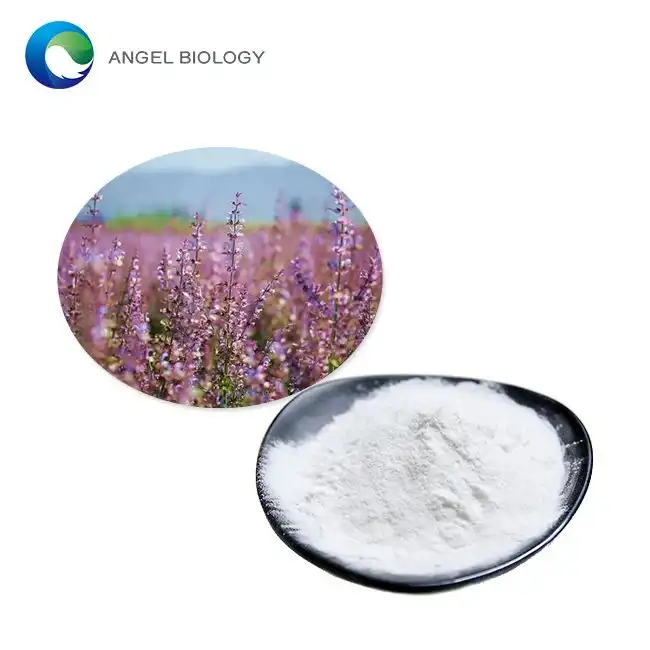
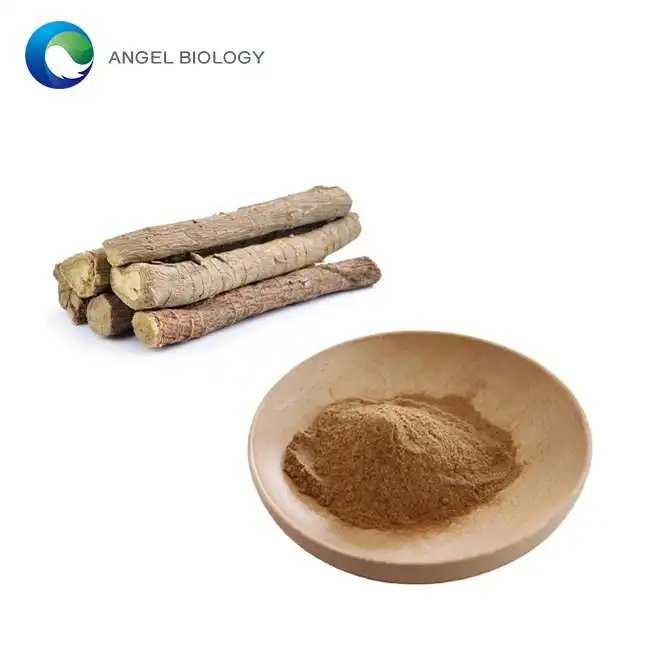
Salix alba and other willow species are sources of White Willow Bark Extract containing naturally occurring salicin and other botanical constituents.
Salicin is a glycoside that can be metabolized in the human body into salicylic acid through intermediate metabolic steps. This metabolic pathway is one of the reasons salicin has attracted scientific interest.
However, salicin should not be described as simply equivalent to aspirin or synthetic salicylic acid. Aspirin, salicylic acid, and salicin have different chemical structures, absorption characteristics, metabolic pathways, and regulatory profiles.
The extract is available in different forms and standardization levels. Lower-standardized extracts may retain a broader range of naturally occurring botanical constituents, while higher-standardized materials provide more precise control over salicin content.
For manufacturers, the most appropriate grade depends on the intended application, desired active specification, formulation format, and regulatory requirements.
Chemical Composition and Bioavailability
In addition to salicin (C13H18O7), White Willow Bark Extract may contain naturally occurring polyphenols, flavonoids, tannins, and other botanical constituents. The exact composition depends on the willow species, plant material, cultivation conditions, extraction process, and standardization method.
These accompanying compounds may contribute to the overall chemical profile of the botanical extract, but claims that they create a specific “entourage effect” or necessarily enhance salicin's activity should be supported by product-specific evidence rather than assumed for every extract.
Solubility can also vary according to the extract's composition and processing method. Before using White Willow Bark Extract in water-based formulations, functional beverages, or hydroalcoholic systems, manufacturers should evaluate actual solubility, dispersion, stability, taste, and compatibility.
The metabolic behavior of salicin is an important consideration for oral products, but pharmacokinetic findings should not automatically be translated into claims about prolonged therapeutic effects or superior safety compared with synthetic salicylates.
Forms and Standardization Levels
Manufacturers can obtain White Willow Bark Extract Salicin in a range of standardization levels, including:
15–25% Salicin: These grades may retain a broader range of naturally occurring botanical constituents and can be considered for formulations where a less concentrated botanical profile is preferred.
50% Salicin: A mid-to-high standardization level that provides greater control over salicin content while retaining characteristics of the botanical extract.
98% Salicin: A high-purity salicin material designed for applications requiring precise active-ingredient standardization. It should not automatically be described as pharmaceutical-grade or suitable for clinical applications unless the specific product and manufacturing status support such claims.
Understanding these differences helps buying teams select specifications that match the intended formulation, target market, labeling strategy, and regulatory requirements.
Optimal Dosage Guidelines for White Willow Bark Extract Salicin
General Dosing Parameters
Rather than presenting 120–240 mg of salicin per day as a universal recommended dose, manufacturers should determine the appropriate amount based on the finished product's intended use, regulatory category, target market, and available safety data.
For example, the amount of a 15% standardized extract required to deliver a specified quantity of salicin can be calculated as:
- 120 mg salicin from a 15% extract = 800 mg extract
- 120 mg salicin from a 25% extract = 480 mg extract
- 120 mg salicin from a 50% extract = 240 mg extract
- 120 mg salicin from a 98% material ≈ 122 mg material
These calculations are useful for formulation development, but they should not be interpreted as recommendations for human therapeutic dosing.
When working with different standardization levels, formulation chemists should calculate the required raw-material quantity from the actual batch specification and then confirm the finished product against applicable regulatory and safety requirements.
Bioavailability can be affected by formulation format, food intake, extraction profile, and other product-specific variables. Manufacturers should therefore validate the finished formulation rather than assuming that dividing the daily amount into two or three doses will necessarily produce a particular blood concentration or biological effect.
Enteric coatings and other delivery technologies may be used for specific formulation purposes, but they should be selected based on formulation-development data rather than described as necessary to protect the stomach or improve therapeutic absorption.
Application-Specific Considerations
How much White Willow Bark Extract Salicin to use depends on the intended application:
Botanical Wellness Formulations: Products positioned around botanical wellness should determine salicin content according to the applicable regulatory framework, target market, product format, and supporting safety data. Any structure-function or other permitted claims should be reviewed before commercialization.
Cosmetic Applications: White Willow Bark Extract containing salicin can be explored in cosmetic formulations as a botanical ingredient. However, salicin should not be described as equivalent to salicylic acid or as providing the same BHA/keratolytic activity simply because it can be metabolized to salicylic acid after oral administration.
For topical cosmetics, the extract's actual composition, concentration, skin compatibility, formulation pH, and finished-product testing should determine its positioning. Claims relating to exfoliation, pore appearance, or skin texture should be supported by appropriate cosmetic testing.
Functional Beverages: If White Willow Bark Extract is considered for beverages, manufacturers must determine an appropriate inclusion level based on the specific extract, intended serving size, local regulations, stability, sensory properties, and safety assessment. A fixed amount such as 100–150 mg of salicin per serving should not be presented as a universal recommendation.
Taste, solubility, sedimentation, thermal stability, and interactions with acids, sweeteners, flavors, and preservatives should all be evaluated during product development.
Safety Parameters and Contraindications
Manufacturers should establish appropriate usage and labeling requirements based on the product category, salicin concentration, target market, and applicable regulations.
Because salicin is metabolically related to salicylic acid, products containing concentrated salicin should not be marketed as risk-free alternatives to aspirin or other salicylate-containing products.
Individuals with known sensitivity to salicylates or aspirin, as well as people taking medications that may interact with salicylate-containing ingredients, may require specific professional guidance. Manufacturers should therefore ensure that appropriate warnings and regulatory reviews are completed before commercialization.
Special populations, including children and pregnant or breastfeeding individuals, may require additional safety assessment depending on the product category and intended use.
Rather than claiming that side effects are “very low” or that salicin is safer than synthetic salicylates, manufacturers should rely on the safety information available for the specific extract, concentration, finished formulation, and intended market.
For B2B buyers, a comprehensive technical package should include relevant specifications, testing data, recommended storage conditions, and safety documentation.
Comparing White Willow Bark Extract with Other Botanical Ingredients
Natural Salicin Versus Synthetic Alternatives
White Willow Bark Extract Salicin and synthetic salicylate compounds should not be presented as interchangeable ingredients.
They differ in chemical structure, source, composition, metabolic behavior, standardization, formulation requirements, and regulatory status.
The advantage of a standardized botanical extract from a formulation perspective is that it can provide a defined amount of salicin while retaining some of the characteristics of the botanical source, depending on the extraction and purification process.
For brands developing natural-positioned products, this distinction may be relevant to ingredient selection and product positioning. However, manufacturers should avoid making comparative claims that White Willow Bark Extract is inherently safer, milder, or more effective than aspirin or other conventional ingredients unless supported by appropriate comparative evidence.
Curcuminoids, Boswellia, ginger, and other botanical ingredients may also be considered in multi-ingredient formulations. Any claim that combining them produces stronger or equivalent effects should be validated in the specific finished formulation.
Product Format Impact on Formulation Performance
Powder forms provide flexibility for capsule, tablet, sachet, beverage, and other formulation formats. Actual solubility and dispersion depend on the extract specification and should be confirmed during product development.
Capsule and tablet formats can offer convenient handling and accurate raw-material measurement, while liquid formats require additional evaluation of solubility, precipitation, pH stability, taste, and shelf life.
Because botanical powders can be hygroscopic, appropriate moisture-barrier packaging and controlled storage conditions can help maintain physical quality during transportation and storage.
Rather than claiming that a specific delivery format automatically improves bioavailability or efficacy, manufacturers should select the format according to the formulation's intended performance and available supporting data.
Quality Certifications and Market Positioning
GMP certification can provide evidence of controlled manufacturing and quality-management practices, but it should not automatically be interpreted as proof that a product meets pharmaceutical standards.
Organic certification may appeal to brands pursuing specific natural or sustainability positioning, subject to the requirements of the relevant certification body.
ISO certifications can demonstrate structured quality-management systems, depending on the specific certification and scope.
Third-party testing for parameters such as heavy metals, microbiological quality, pesticide residues, and identity can provide additional assurance for buyers and finished-product manufacturers.
For international markets, compliance requirements vary according to product category, country, ingredient concentration, and intended claims. Manufacturers should therefore evaluate regulatory status on a market-by-market basis rather than assuming that one certification package guarantees global compliance.
Procurement Guide: Sourcing High-Quality White Willow Bark Extract Salicin
Supplier Evaluation Criteria
To identify reliable suppliers, buyers should evaluate multiple aspects of product quality and supply capability.
HPLC testing can be used to verify salicin standardization and provide quantitative data for formulation calculations. Buyers should request current Certificates of Analysis and, where possible, review results from multiple production batches to evaluate consistency.
Suppliers should also be able to provide information about:
- Botanical identity
- Salicin standardization
- Extraction method
- Heavy metals
- Microbiological specifications
- Pesticide residues
- Residual solvents, where applicable
- Moisture
- Storage conditions
- Shelf life
- Packaging
- Batch traceability
Production scalability is another important consideration for B2B buyers. Smaller suppliers may provide flexible development support, while larger manufacturers may offer greater production capacity and supply continuity.
Pricing can vary according to raw-material origin, extraction process, salicin standardization, testing requirements, packaging, order volume, and documentation requirements.
Rather than assuming that water extraction is always cheaper or that hydroalcoholic extraction always produces a higher-purity material, buyers should compare the actual specifications and manufacturing data of each product.
Certification and Compliance Requirements
Good Manufacturing Practice requirements depend on the product category and target market. Manufacturers should distinguish between the regulatory requirements applicable to dietary supplements, foods, cosmetics, and other product categories.
For U.S. dietary supplements, applicable FDA requirements should be reviewed based on the finished-product category and claims. European requirements can also vary depending on the country, product classification, ingredient status, and intended use.
Kosher and Halal certifications can support brands targeting markets or customers that require these certifications.
Technical documentation may include:
- Allergen statement
- Non-GMO statement
- BSE/TSE statement
- Gluten-free statement
- COA
- Technical Data Sheet
- Botanical identification
- Solubility information
- Particle-size information
- Storage recommendations
- Packaging specifications
Providing a complete documentation package can make R&D evaluation and supplier qualification more efficient.
Angelbio as Your Strategic Partner
When manufacturers are evaluating White Willow Bark Extract Salicin suppliers, reliable specifications, analytical documentation, batch consistency, and responsive technical support are important factors.
Angelbio provides standardized botanical ingredients for B2B customers seeking consistent specifications for product development.
Our White Willow Bark Extract Salicin range can be supplied at different standardization levels, subject to specific product specifications and availability. Each batch can be supported with relevant quality documentation and analytical testing according to the product grade and customer requirements.
In addition to ingredient supply, our technical team can support customers with sample evaluation, formulation discussions, stability considerations, documentation, and customized sourcing requirements.
This B2B approach allows manufacturers to evaluate the ingredient based on actual application needs rather than relying only on general botanical claims.
Application Cases and Industry Use Scenarios
Sports Nutrition Botanical Formulas
White Willow Bark Extract Salicin may be considered by sports-nutrition brands looking for standardized botanical ingredients.
However, claims such as “stomach-safe,” “pain relief,” “post-workout recovery,” or superiority to NSAIDs should not be used without appropriate evidence and regulatory review.
A formulation combining willow extract with ingredients such as Boswellia, ginger, or turmeric may be explored from a botanical formulation perspective, but the performance of the finished combination should be validated rather than assuming that synergistic effects will occur automatically.
Cosmetic Botanical Formulations
White Willow Bark Extract Salicin can be explored by natural skincare companies seeking botanical ingredients for skin-conditioning formulations.
However, the original positioning of willow salicin as an alternative to BHA in acne and anti-aging treatments is too strong.
Salicin should not be described as having the same topical keratolytic action as salicylic acid simply because oral salicin is metabolized to salicylic acid.
For cosmetic products, formulators should evaluate the actual extract's composition, concentration, pH compatibility, skin feel, stability, and finished-product performance.
Claims relating to pore appearance, skin texture, exfoliation, or sensitive-skin compatibility should be supported by appropriate cosmetic testing.
Functional Beverage Innovation
White Willow Bark Extract can be considered in functional beverage development where permitted by the target market's regulations.
Before commercialization, manufacturers should evaluate:
- Appropriate inclusion level
- Regulatory status
- Solubility
- Sedimentation
- Thermal stability
- Taste
- pH compatibility
- Packaging
- Shelf life
Instead of positioning salicin beverages as “healing drinks” or “lasting recovery” products, brands should use claims that are appropriate for the applicable regulatory framework and supported by finished-product evidence.
Regulatory Compliance Considerations
Successful commercialization requires careful attention to the regulatory status of the finished product and the claims made on packaging, websites, and marketing materials.
For dietary supplements, manufacturers should evaluate applicable ingredient requirements, labeling rules, permissible claims, and required warnings.
For cosmetics, claims should remain within the cosmetic scope of the target market and should not imply treatment or prevention of disease.
International requirements can differ substantially. Therefore, manufacturers should not assume that approval, certification, or permitted use in one market automatically establishes compliance in another.
Complete supplier documentation—including specifications, COA, SDS, stability information where available, and traceability records—can help manufacturers conduct their own regulatory and quality assessments.
Conclusion
Standardized White Willow Bark Extract Salicin is a versatile botanical ingredient whose value for manufacturers lies primarily in its defined salicin content, botanical origin, formulation flexibility, and potential fit with natural-product positioning.
Rather than applying a universal “optimal dose,” manufacturers should calculate raw-material requirements according to the selected salicin standardization, finished-product format, target market, and applicable safety and regulatory requirements.
Different standardization levels can provide different formulation advantages. Lower-standardized extracts may retain a broader botanical profile, while higher-purity materials allow more precise control over salicin content.
For cosmetic applications, salicin-containing willow extracts should be evaluated as botanical ingredients and should not automatically be equated with salicylic acid, BHA, or pharmaceutical salicylates.
For B2B buyers, successful sourcing depends on accurate standardization, HPLC verification, batch consistency, technical documentation, formulation compatibility, regulatory support, and dependable supply capacity.
When manufacturers prioritize these factors, they can make better-informed decisions when developing natural-positioned supplements, cosmetics, functional products, or other botanical formulations.
FAQ
1. What is the ideal salicin dosage for joint comfort formulations?
There is no single universal salicin dosage that should be presented as an appropriate recommendation for every finished product.
For formulation development, manufacturers can calculate the amount of extract required to reach a specified salicin content based on the standardization level.
For example:
- 25% salicin extract: 1,000 mg extract provides 250 mg salicin
- 50% salicin extract: 500 mg extract provides 250 mg salicin
- 98% salicin material: approximately 255 mg provides 250 mg salicin
These are calculation examples rather than therapeutic dosing recommendations.
Any product intended for joint-related positioning must be evaluated according to the regulations and permitted claims of the target market.
2. Does White Willow Bark Extract cause the same side effects as aspirin?
White Willow Bark Extract and aspirin contain chemically different compounds, although salicin is metabolically related to salicylic acid.
They should not be described as having identical safety profiles or as one being universally safer than the other.
The safety profile depends on the extract composition, salicin concentration, finished-product dose, formulation, target population, and potential interactions.
Individuals with known salicylate or aspirin sensitivity may require particular caution, and manufacturers should ensure appropriate warnings and safety assessments for the intended market.
3. How does extract purity affect formulation decisions?
Lower standardizations such as 15–25% may provide a broader botanical extract profile, depending on the extraction and purification process.
Higher standardizations such as 50–98% provide greater control over the amount of salicin introduced into a formulation and may be useful when precise standardization is required.
The best grade depends on the final product, desired specification, formulation format, target market, and regulatory requirements.
When purchasing, buyers should compare salicin content, analytical testing, botanical identity, contaminant specifications, stability, documentation, and batch consistency rather than selecting a grade based on percentage alone.
Partner with Angelbio for Premium White Willow Bark Extract Salicin Supply
Angelbio provides standardized White Willow Bark Extract Salicin for manufacturers seeking botanical ingredients with defined specifications and reliable B2B supply.
Our product range can support different standardization requirements, subject to individual product specifications. Relevant quality documentation and analytical data can be provided according to customer requirements.
Our technical team can also support customers with:
- Sample evaluation
- Product specification selection
- Formulation discussions
- Stability considerations
- COA
- Packaging options
- Bulk supply
- Customized sourcing requirements
Whether you are evaluating White Willow Bark Extract Salicin for a botanical supplement, cosmetic formulation, functional product, or another application, Angelbio can help you identify a specification aligned with your formulation and procurement requirements.
Contact angel@angelbiology.com to discuss your required salicin standardization, application, order quantity, packaging, target market, documentation, or sample requirements.
References
- Shara, M., & Stohs, S. J. (2015). Efficacy and Safety of White Willow Bark (Salix alba) Extracts. Phytotherapy Research, 29(8), 1112–1116.
- Vlachojannis, J. E., Cameron, M., & Chrubasik, S. (2009). A Systematic Review on the Effectiveness of Willow Bark for Musculoskeletal Pain. Phytotherapy Research, 23(7), 897–900.
- Schmid, B., Lüdtke, R., Selbmann, H. K., et al. (2001). Efficacy and Tolerability of a Standardized Willow Bark Extract in Patients with Osteoarthritis: Randomized Placebo-Controlled, Double Blind Clinical Trial. Phytotherapy Research, 15(4), 344–350.
- Mahdi, J. G., Mahdi, A. J., Mahdi, A. J., & Bowen, I. D. (2006). The Historical Analysis of Aspirin Discovery, its Relation to the Willow Tree and Antiproliferative and Anticancer Potential. Cell Proliferation, 39(2), 147–155.
- Mills, S., & Bone, K. (2005). The Essential Guide to Herbal Safety. Churchill Livingstone, Elsevier.
- European Medicines Agency. (2017). Assessment Report on Salix [various species including S. purpurea L., S. daphnoides Vill., S. fragilis L.], cortex. Committee on Herbal Medicinal Products (HMPC).